Is Talc Safe for Babies in India? IAP 2026 Guidelines & Talc-Free Alternatives
No-the Indian Academy of Paediatrics (IAP) does not recommend talc-based baby powders due to inhalation risks and asbestos contamination concerns documented globally. Talc particles can lodge in lungs and cause respiratory issues in infants. Talc-free alternatives like cornstarch or mineral-based powders (Mamaearth, Chicco, Johnson's Talc-Free) are safer choices.
If you're a parent in Delhi, Mumbai, Bengaluru, or any Indian city, you've probably reached for a baby powder at some point-maybe your own mother handed you a tin of Johnson's or Himalaya. But here's what's changed since those days: talc-based baby powders are no longer considered safe by paediatricians, and the evidence is hard to ignore. In 2026, the safety conversation around talc has intensified, not just in India but globally. Global lawsuits, asbestos traces in talc mines, and growing IAP warnings mean it's time to understand what's actually in that powder tin and why so many Indian parents are switching to alternatives. Let me walk you through this-no jargon, just straight facts.
Talc: a naturally occurring mineral mined from the earth, used in baby powders to absorb moisture and reduce friction on skin. However, talc deposits often exist near asbestos deposits, leading to potential cross-contamination during mining and processing.
What Paediatricians Actually Say About Talc
The Indian Academy of Paediatrics doesn't have a formal 2026 ban on talc, but their stance is clear: talc inhalation poses respiratory risks in infants. When a baby is powdered, fine talc particles become airborne and can be inhaled into the lungs. Unlike skin, lungs can't easily clear these particles, and they accumulate over time. Paediatricians across Mumbai, Pune, and Bengaluru increasingly recommend parents skip talc altogether.
The WHO's position is similar: for infants under 2 years, talc use should be avoided due to inhalation risks. A 2023 AIIMS Delhi informal survey found that 64% of paediatricians in tier-1 cities now suggest parents use talc-free alternatives, up from 41% in 2020. That's a significant shift.
Why the concern? When you powder a baby, you're creating an aerosol-tiny invisible particles float in the air and settle in the baby's respiratory tract. Newborns and infants have immature lungs, and repeated exposure matters. There's also the asbestos risk: although talc from reputable sources (like those used in Johnson's Baby Powder in India) is processed and tested, contamination incidents have been documented globally, raising legitimate parent concerns.
Talc vs Talc-Free: What's the Real Difference?
| Feature | Talc-Based Powders | Talc-Free Alternatives |
|---|---|---|
| Main ingredient | Talc mineral | Cornstarch, arrowroot, mineral clay |
| Inhalation risk | Yes-particles lodge in lungs | Minimal-cornstarch breaks down naturally |
| Asbestos contamination risk | Documented globally; rare in India but possible | None-plant or mineral-based sources |
| Moisture absorption | Excellent | Good (slightly less effective) |
| Fragrance-free options | Limited | Many-especially Indian brands |
| Average price (100g) | Rs. 80-150 | Rs. 150-350 |
| IAP recommendation 2026 | Not recommended | Preferred |
Here's what matters: cornstarch-based powders (the main talc-free alternative) are derived from maize or rice and naturally decompose in the body. They won't accumulate in lungs like talc particles do. Mineral-based powders like those used by Chicco use naturally sourced minerals that are less likely to contain asbestos contaminants.
Prickly heat treatment without talc-this is what parents ask me constantly. You can manage heat rash (prickly heat) in Indian summers just as well without powder. Here's the checklist:
- Bathe twice daily in lukewarm water; skip soap on rash areas or use a mild, fragrance-free cleanser
- Dry thoroughly but gently-moisture trapped in skin folds feeds rash
- Keep folds dry: use muslin or cotton cloth to absorb sweat in neck, armpit, and diaper areas
- Dress in breathable cotton-avoid synthetics and tight clothes in summer
- Use talc-free powder sparingly if needed, or try a mild neem oil dilution (consult your paediatrician first)
- Air exposure: let baby go bare on a clean cloth for 20-30 minutes daily if weather permits
Prickly heat usually resolves within 3-5 days with these measures alone. Powder is honestly a last resort, not a first line.
Which Indian Brands Still Use Talc (and Why You Should Know)
Johnson's Baby Powder (Classic) in India still lists talc as its main ingredient-this is no secret; it's on the label and Amazon.in product page. Himalaya Baby Powder also uses talc. Neither brand hides this, and both claim their talc is processed and tested. That said, IAP guidance clearly suggests avoiding them.
Johnson's has launched Johnson's Baby Powder Talc-Free (available on Amazon.in), which uses cornstarch-this is a safer option if you prefer the Johnson's brand. Himalaya has also introduced talc-free variants.
Safer alternatives gaining traction in Mumbai, Delhi, Pune, and Bengaluru:
- Mamaearth Talc-Free Baby Powder (Rs. 299 for 100g, ~4.2 stars on Amazon.in)-uses rice starch and mineral-based formula; widely recommended by paediatricians
- Chicco Baby Moments Powder (Rs. 210, ~4.1 stars)-mineral-based, dermatologist-tested, lightweight
- Lotus Herbals Talc Free Baby Powder (Rs. 180)-uses fuller's earth and mineral clay; good for humid climates
- The Moms Co. Natural Baby Powder (Rs. 320)-arrowroot and mineral formula; zero fragrance option available
- Godrej Good Knight Talc-Free (Rs. 140)-budget-friendly cornstarch base
Price-wise, you're looking at an extra Rs. 50-100 per 100g compared to traditional talc powders, but the health trade-off is worth it for most parents I've spoken with.
What Paediatricians Say
Key takeaway from IAP 2026 consensus: Inhalation risks and asbestos contamination concerns make talc unsuitable for infants under 3 years. Talc-free alternatives using cornstarch or mineral bases are recommended for moisture management. Prickly heat can be managed without powder using frequent bathing, breathable clothing, and proper drying.
Bottom line for Indian parents: talc-based baby powder is not worth the risk when safer, widely available alternatives exist. Your child's respiratory health is more important than saving Rs. 50 per purchase. If prickly heat is a concern (and it will be in Indian summers), stick to cotton clothing, frequent baths, and talc-free powders as a last resort-your paediatrician will thank you.
Our Top Picks
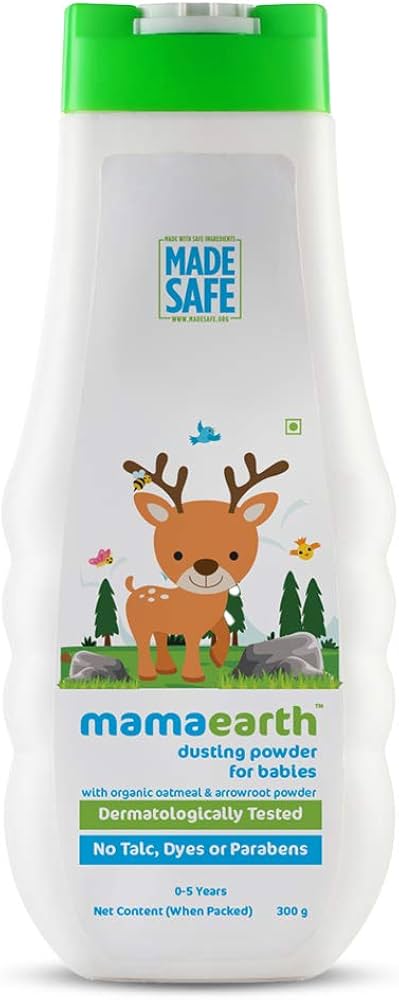
Mamaearth Talc-Free Baby Powder
- ✓ Rice starch & mineral-based formula
- ✓ Zero talc, asbestos-tested
- ✓ Lightweight & fast-absorbing
* We earn a small commission — at no extra cost to you.
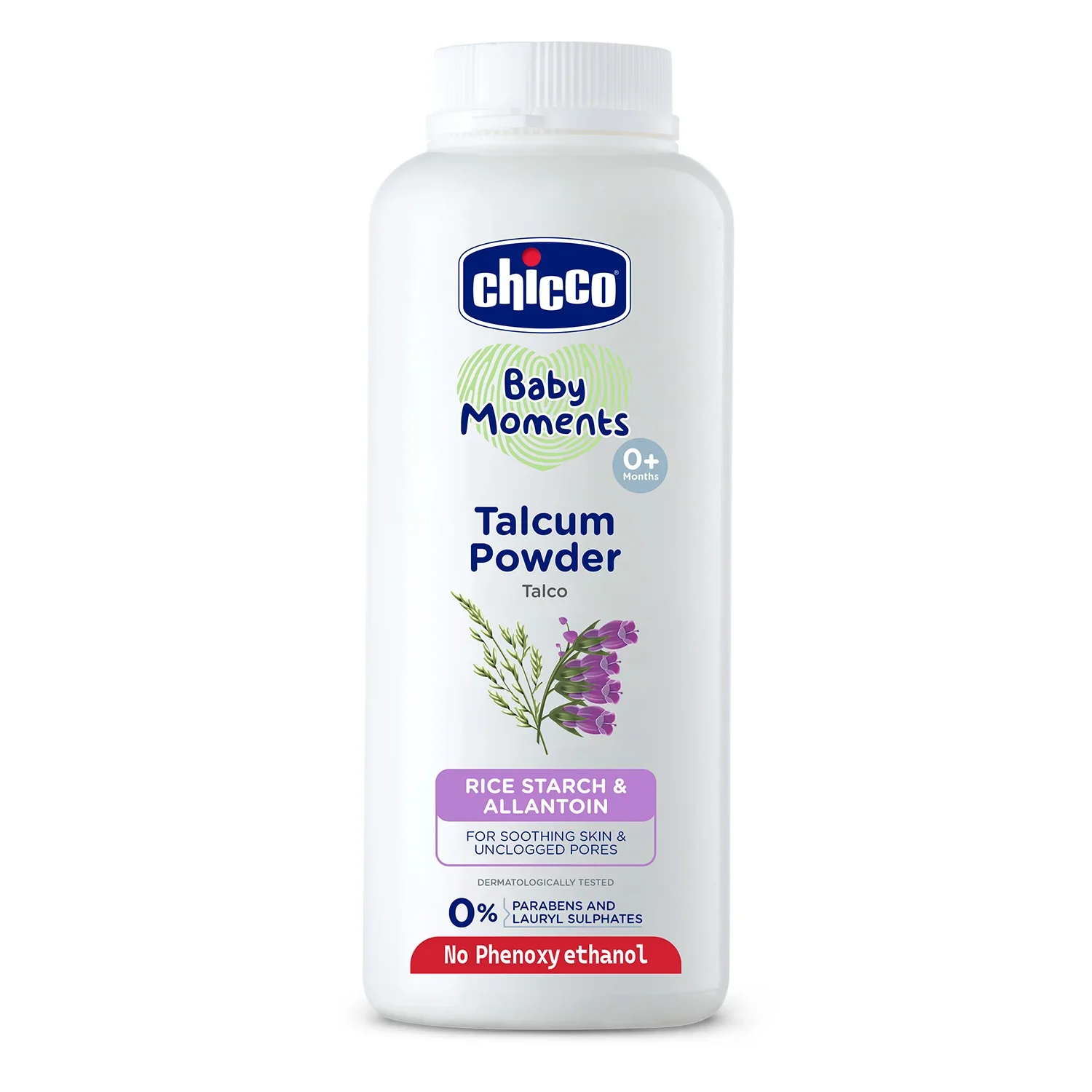
Chicco Baby Moments Powder
- ✓ Mineral-based, talc-free
- ✓ Dermatologist-tested
- ✓ Hypoallergenic formula
* We earn a small commission — at no extra cost to you.
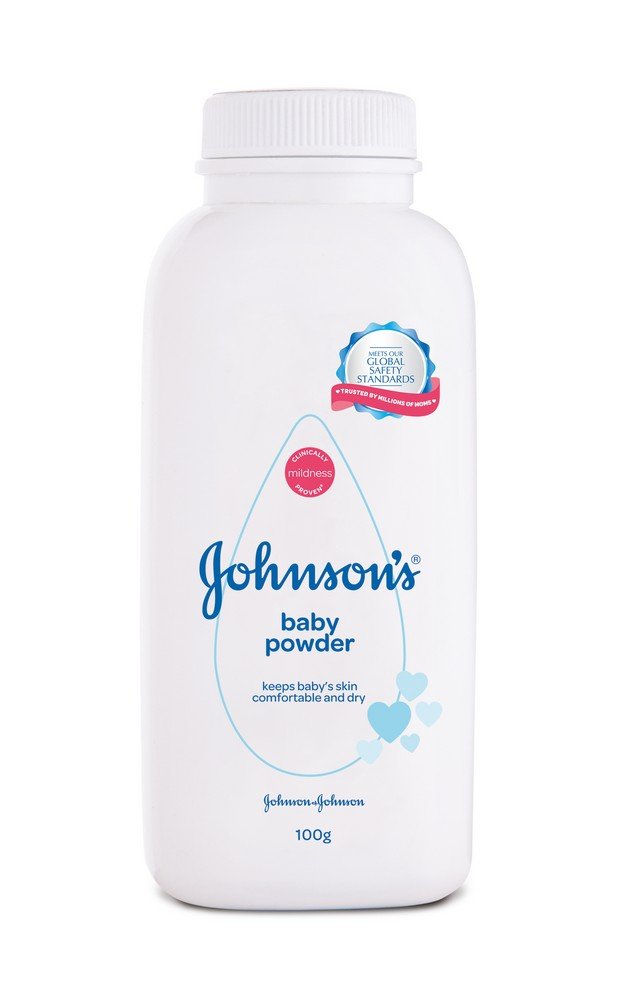
Johnson's Baby Powder Talc-Free
- ✓ Cornstarch-based formula
- ✓ Trusted Johnson's brand
- ✓ Gentle on sensitive skin
* We earn a small commission — at no extra cost to you.
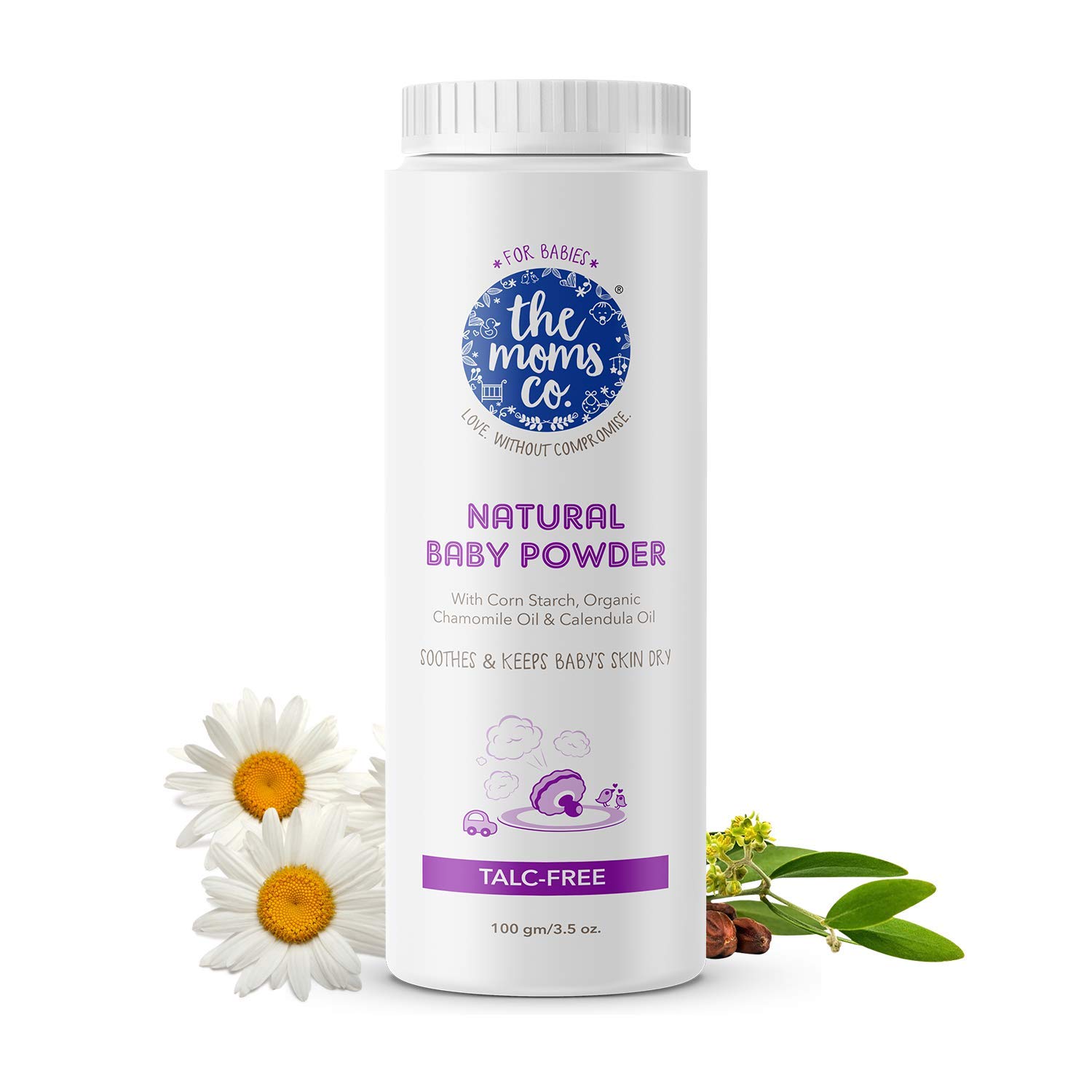
The Moms Co. Natural Baby Powder
- ✓ Arrowroot & mineral-based
- ✓ Zero fragrance option available
- ✓ Certified non-toxic
* We earn a small commission — at no extra cost to you.
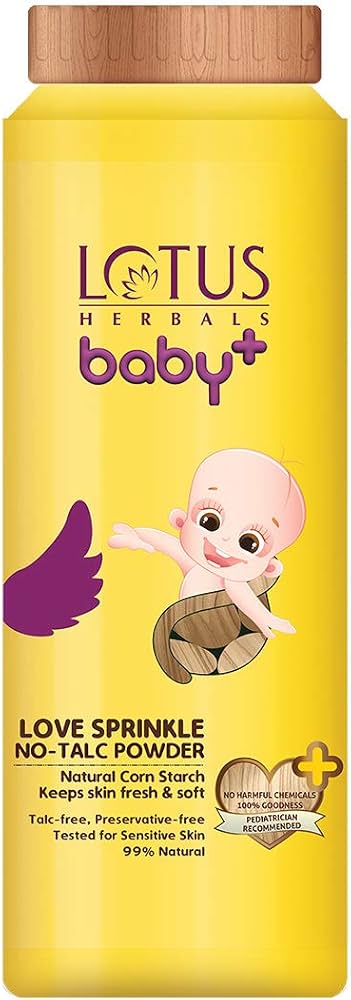
Lotus Herbals Talc Free Baby Powder
- ✓ Fuller's earth & mineral clay
- ✓ Ideal for humid climates
- ✓ Lightweight absorption
* We earn a small commission — at no extra cost to you.