Is Talc-Free Baby Powder Safe? What IAP 2026 Guidelines Actually Say

Talc-free baby powders are safer than talc-based ones when inhaled, but the real safety question isn't whether a powder is talc-free—it's whether your baby needs powder at all. The Indian Academy of Pediatrics (IAP) recommends minimal powder use due to aspiration risk, especially for babies under 3 months. If you do use powder, choose fragrance-free, talc-free options and apply only to areas that don't touch baby's face or hands.
Let me be honest: when my first daughter was born in Mumbai, the pressure to use baby powder felt non-negotiable. Every relative had a different brand recommendation. But after reading IAP guidelines and actually looking at ingredient labels, I realized we were treating powder like a necessity when it's really optional—and sometimes risky. This article cuts through the noise and explains what paediatricians actually say about talc-free baby powder safety in 2026, with a checklist of red flags to watch for on the label.
If you're looking to switch from talc-based powders, brands like Chicco Baby Moments Powder, Himalaya Baby Powder, and Mamaearth Talc-Free Powder are widely available on Amazon.in. But before you buy, you need to understand what makes a powder actually safer—and why "talc-free" alone isn't the full story.
What the Evidence Actually Shows About Talc vs. Talc-Free Powders
The talc debate has been loud for years. Talc particles, when inhaled in large amounts over time, can reach deep into the lungs. Aspiration risk: the danger that fine powder particles will be breathed in rather than absorbed through skin—this is what concerns pediatricians most. Unlike the lawsuits you've heard about, which focus on dermal talc exposure, the IAP's 2026 position paper emphasizes respiratory aspiration in infants, who breathe faster and have narrower airways than adults.
But here's the critical part: talc-free powders aren't automatically risk-free. Many talc-free options use cornstarch, arrowroot, or rice starch as alternatives. While cornstarch is generally recognized as safe by FSSAI for food use, when powdered and inhaled by an infant, any fine powder carries some aspiration risk. The real safety difference isn't talc vs. talc-free—it's that talc's specific properties (crystalline structure, potential asbestos contamination in older products) make it a higher-risk option. Talc-free powders reduce that particular risk, but they don't eliminate the aspiration question entirely.
The IAP recommendation is blunt: minimize powder use altogether, especially in the first 3 months. If powder is used after 3 months, apply it only to dry skin folds (armpits, inner thighs), never near the face, and use it sparingly. Many Indian parents skip powder entirely after reading this guidance—and paediatricians say that's the safest choice.
Ingredient Checklist: What to Look for on the Label
Before you buy any talc-free baby powder, check the label for these red flags:
- Base ingredient (cornstarch, arrowroot, rice starch, or calcium carbonate): All are safer than talc. Cornstarch is most common; arrowroot and rice starch are slightly less absorbent but equally safe. Calcium carbonate (chalk-derived) is less common in Indian brands but appears in some imports.
- Fragrance: Many talc-free powders still list "fragrance" or "parfum." Parents with sensitive-skin babies often prefer fragrance-free options to reduce irritation risk. Himalaya Baby Powder, for example, is lightly fragmented; Mamaearth Talc-Free lists no added fragrance.
- Antimicrobial agents: Some powders include zinc oxide or miconazole. These are safe when applied externally, but check if they're needed—many babies don't have fungal concerns and don't need medicated powder unless a doctor recommends it.
- Added oils or moisture agents: Look for glycerin or mica. These reduce caking and inhalation risk (clumpy powder is less likely to become airborne). This is a subtle safety feature.
- No synthetic dyes or colorants: Some budget powders add color. Skip them—your baby doesn't need colored powder, and dyes add unnecessary chemical exposure.
When I checked Chicco Baby Moments Powder on Amazon.in, the label listed corn starch, talc-free, and light fragrance—straightforward and safe for occasional use. Mamaearth's version emphasizes 99.5% natural origin on the package, which appeals to parents avoiding synthetic inputs, though "natural" doesn't inherently mean safer than synthetic ingredients tested by regulators.
Safe Talc-Free Baby Powder Alternatives Available in India
Here are five options parents across Delhi, Bengaluru, and Chennai regularly choose, with realistic pricing as of July 2026:
| Product | Base Ingredient | Fragrance | Amazon.in Price (approx.) | Best For |
|---|---|---|---|---|
| Chicco Baby Moments Powder (150g) | Corn starch, talc-free | Light | Rs. 180 | Budget-conscious parents; occasional use |
| Himalaya Baby Powder (100g) | Corn starch + herbal blend | Mild herbal | Rs. 140 | Sensitive skin; affordable |
| Mamaearth Talc-Free Baby Powder (150g) | Corn starch, certified natural | None declared | Rs. 299 | Parents avoiding fragrance; premium positioning |
| Dabur Lal Tail Baby Powder (100g) | Corn starch + mineral oil | Mild | Rs. 120 | Extremely budget-conscious; Ayurvedic heritage appeal |
| Burt's Bees Baby Powder (150g, imported) | Arrowroot starch | None declared | Rs. 450–550 | Premium, fragrance-free seekers; aspires to purity |
Himalaya Baby Powder has consistently strong Amazon.in ratings (4.1 stars, 2,300+ reviews) because it's affordable and reliable—parents aren't paying for premium branding, just basic safety. Mamaearth commands higher prices due to natural positioning, though both are talc-free and safe when used sparingly. Burt's Bees is imported and pricier but appeals to parents who've read international research on arrowroot as a lower-aspiration-risk base.
The honest truth: once you rule out talc, the difference between these powders is mostly fragrance preference and budget. All five are safer choices than talc-based alternatives. None is "necessary."
What Paediatricians Say
IAP 2026 Position: Baby powder is optional. If used, talc-free is non-negotiable; apply only to skin folds away from the face; use minimal amounts; and stop after age 2. Many Indian paediatricians now recommend skipping powder entirely and using a gentle moisturizer or plain water to manage diaper rash instead.
- Aspiration risk is real but manageable with careful application and talc-free formulas.
- Most diaper rash resolves with frequent diaper changes and aeration—powder is not required.
When You Shouldn't Use Powder (Even Talc-Free)
This deserves its own section because many parents apply powder automatically without asking if it's needed. Skip powder if your baby has:
- Active diaper rash or skin infection—powder can trap moisture and worsen fungal rashes.
- Respiratory issues (asthma, bronchiolitis, or recurrent cough)—even talc-free powder particles can irritate sensitive airways.
- Severe eczema or atopic dermatitis—powder can dry skin further; use a pediatrician-recommended moisturizer instead.
- Age under 3 months—IAP explicitly discourages powder use in newborns due to immature respiratory and skin barriers.
For most healthy babies, frequent diaper changes with warm water and air-drying is all that's needed. If moisture management is required, a thin layer of coconut oil or a doctor-approved barrier cream works better than powder and avoids aspiration risk entirely.
Our Top Picks
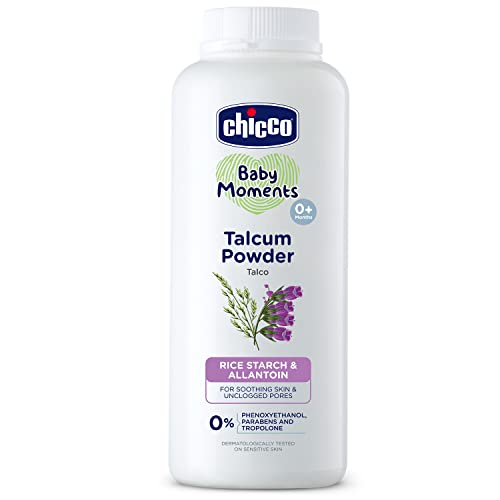
Chicco Baby Moments Powder (Talc-Free) 150g
- ✓ Talc-free formula
- ✓ Corn starch base
- ✓ 150g pack
* We earn a small commission — at no extra cost to you.
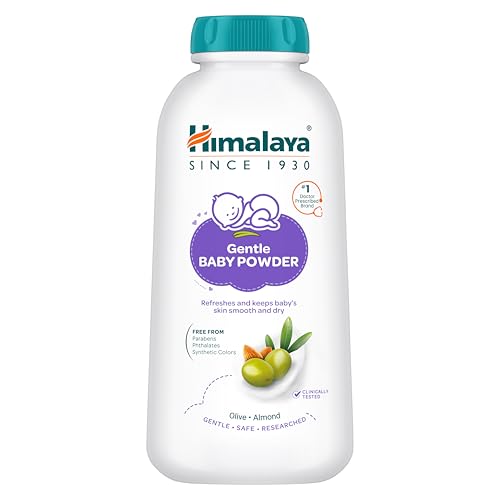
Himalaya Baby Powder (Talc-Free) 100g
- ✓ Talc-free, corn starch base
- ✓ Herbal blend
- ✓ 100g pack
* We earn a small commission — at no extra cost to you.
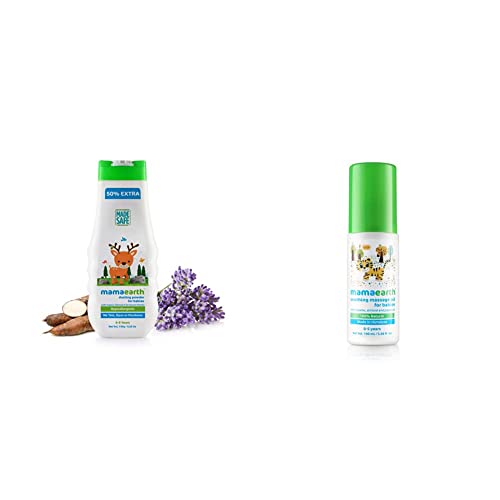
Mamaearth Talc-Free Baby Powder 150g
- ✓ 99.5% natural origin
- ✓ Talc-free, fragrance-free
- ✓ Corn starch base
* We earn a small commission — at no extra cost to you.
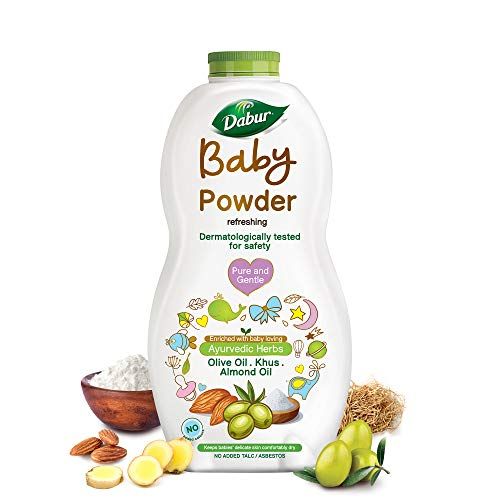
Dabur Lal Tail Baby Powder (Talc-Free) 100g
- ✓ Talc-free, corn starch base
- ✓ Mineral oil infused
- ✓ 100g pack
* We earn a small commission — at no extra cost to you.
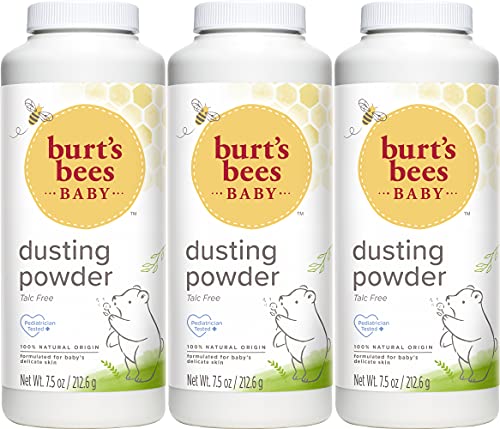
Burt's Bees Baby Powder (Talc-Free) 150g
- ✓ Arrowroot starch base (imported)
- ✓ 100% talc-free
- ✓ Fragrance-free
* We earn a small commission — at no extra cost to you.