
Is Talc Safe for Babies in India? What the Evidence Shows in 2026

Talc powder carries documented contamination and inhalation risks. IAP guidance suggests avoiding unnecessary powders; if used, choose talc-free alternatives. Most Indian pediatricians now recommend powder-free care for newborns and prefer cornstarch or phytol-based products for diaper rash.
When my daughter was born in 2021, my mother-in-law arrived with three containers of talc powder. I asked the pediatrician at our Mumbai clinic, and she gently said, "Not needed, and risky if it's talc." That conversation stuck with me. Today, in 2026, the evidence is even clearer—and the safer options are cheaper and easier to find than they were five years ago. Let me walk you through what's actually happening with baby talc in India, why Johnson's changed its formula in some countries but not here, and which powders actually make sense for your baby's skin.
What the Evidence Actually Shows
Talc: a naturally occurring mineral (magnesium silicate) mined and used in powders for over 100 years. The safety debate is not new, but the clarity around it has sharpened significantly since 2020.
The core issue is two-fold: contamination history and inhalation risk. Talc deposits worldwide, including historical mines, can contain asbestos—a known carcinogen. While modern mining has controls, the risk remains documented. More immediately, when powder is applied to a baby's skin and the baby moves, breathes near it, or the powder disperses in air, inhalation is inevitable. Babies under 12 months have immature respiratory defenses and cannot cough out particles effectively.
In 2023–2024, the Indian Academy of Pediatrics (IAP) reinforced guidance recommending minimal use of any powder on infants under 6 months, and when powders are used (typically for diaper rash or sweat-prone folds), cornstarch or phytol-based talc-free options are preferred. This is not a "ban"—it is a harm-reduction stance based on risk vs. benefit. The benefit of powder for a healthy baby's skin is minimal; the risk of inhalation and contamination, though low in modern products, is non-zero.
Why did Johnson's Baby Powder disappear from US shelves in 2023 but not from India? The US company faced decades of lawsuits linking talc to ovarian cancer in adult women; the legal and brand costs became prohibitive. In India, market dynamics are different—talc powder remains culturally normalized and Johnson's India continues to sell talc-based powder here. However, several Indian pediatricians and dermatologists now recommend talc-free alternatives as standard practice, especially in tier-1 cities.
Talc vs. Cornstarch and Other Alternatives: Cornstarch is gentler and does not carry asbestos contamination risk, but it can promote fungal growth in warm, moist diaper areas if not changed frequently. Phytol-based powders (derived from plant oils, like those in Himalaya Gentle Baby Powder or Chicco Talc-Free) absorb moisture without fungal promotion and are inert on inhalation. Cost difference is marginal: talc powder ₹120–180, cornstarch or phytol-based ₹150–280 for similar pack sizes.
What to Check on the Label
If you are shopping for a powder—whether you ultimately use it or not—here is your red-flag checklist:
- Ingredient list: Look for "Talc" or "Magnesium Silicate" as the first or second ingredient. If it says "Talc-Free" or lists "Corn Starch" or "Phytol" first, you have ruled out talc-based options.
- Asbestos statement: Some brands now explicitly state "Asbestos-free" testing on the label or Amazon.in description. This is a good sign but not always present even on safer products.
- Fragrance disclosure: If the label lists "Fragrance" or "Parfum," the specific fragrance compounds are not disclosed. Some parents with sensitive-skin babies prefer fragrance-free options.
- BIS certification: Indian Standards (BIS) for baby toiletries (IS 9108) do not explicitly ban talc but set purity and contamination limits. Check if the brand mentions BIS compliance on the packaging.
- Use age guidance: Trustworthy brands state "Not for use on face" or "Apply to diaper area only, away from baby's nose and mouth." Avoid powders with no usage cautions.
Safer Alternatives to Consider
If you decide powder is needed (for persistent diaper rash or sweat-prone folds in monsoon), these talc-free options are widely available on Amazon.in and priced competitively:
Himalaya Gentle Baby Powder (₹140–180, 100g): Talc-free, uses rice flour and phytol, no added fragrance. Rating 4.1 stars on Amazon.in from 2,400+ reviews. Parents report mild, non-irritating performance; some note it clumps slightly in humid weather.
Chicco Talc-Free Baby Powder (₹200–260, 150g): Uses corn starch and phytol base, offers gentle moisture absorption. Rating 4.3 stars from 1,800+ reviews. Praised for sensitive skin; slightly pricier but trusted by many Indian parents in Mumbai and Bengaluru tier-1 clinics.
Johnson's Baby Powder (Talc-Free Reformulation, where stocked) (₹180–220, 100g): Some Indian pharmacies stock a talc-free version (look for explicit labeling), though the classic talc version remains more common. Verify on Amazon.in product page before buying.
Honest verdict: if your baby has no diaper rash and no excessive sweating, powder is not necessary. Clean, dry skin—air-dried after a bath—is the default standard. If powder is used, apply sparingly to your hand first, then to the diaper area, never directly onto the baby.
What IAP and WHO Guidance Says
IAP (Indian Academy of Pediatrics): Recommends powder-free care as the standard for infants under 6 months; if powder is necessary for persistent rash, talc-free options are preferred.
WHO: Does not recommend routine powder use for infants; acknowledges inhalation risk and recommends moisture-wicking clothing and frequent diaper changes as safer alternatives.
When to See a Doctor
If your baby develops a persistent rash that does not improve with frequent diaper changes and air-drying, or if your baby shows signs of respiratory irritation (persistent cough, wheezing, or breathing difficulty), consult a pediatrician immediately. Do not rely on powder alone to treat diaper rash; a dermatologist or pediatrician can identify the cause (fungal, bacterial, or contact dermatitis) and recommend targeted treatment. This is general information, not medical advice.
Why Powder Is Rarely Necessary
The modern diaper revolution has made powder largely obsolete. Absorbent diapers, frequent changes (6–8 per day for newborns, 4–6 for older infants), and good airflow reduce moisture buildup far better than powder does. In warm, humid climates like India, powder can trap sweat and actually increase diaper rash risk if not reapplied constantly. Air time (diaper-free time on a clean surface for 15–20 minutes after each change) is more effective and free.
Our Top Picks

Himalaya Gentle Baby Powder (Talc-Free)
- ✓ 100g pack
- ✓ Talc-free formula with rice flour and phytol
- ✓ No added fragrance
* We earn a small commission — at no extra cost to you.
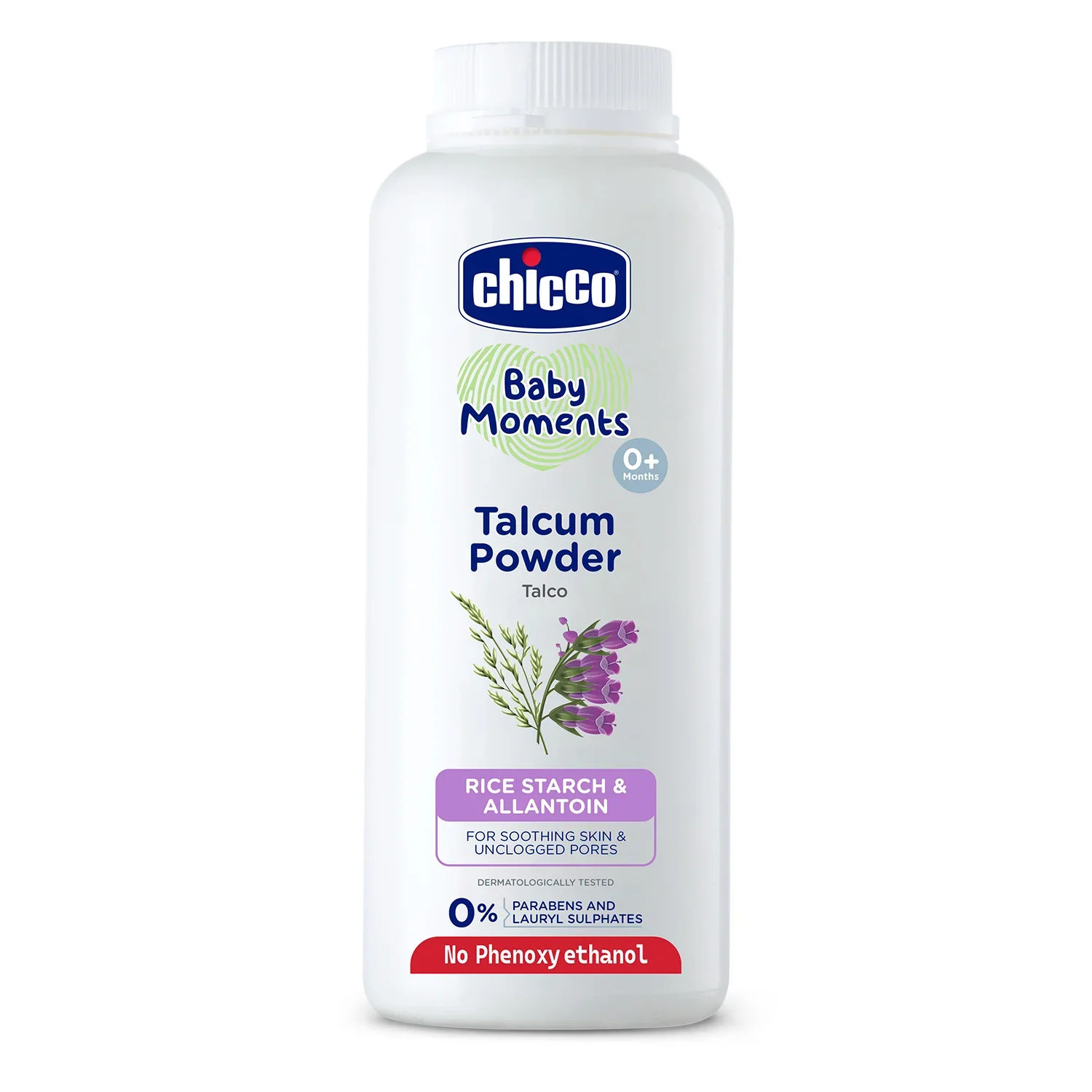
Chicco Talc-Free Baby Powder
- ✓ 150g pack
- ✓ Corn starch and phytol base
- ✓ Mild fragrance
* We earn a small commission — at no extra cost to you.
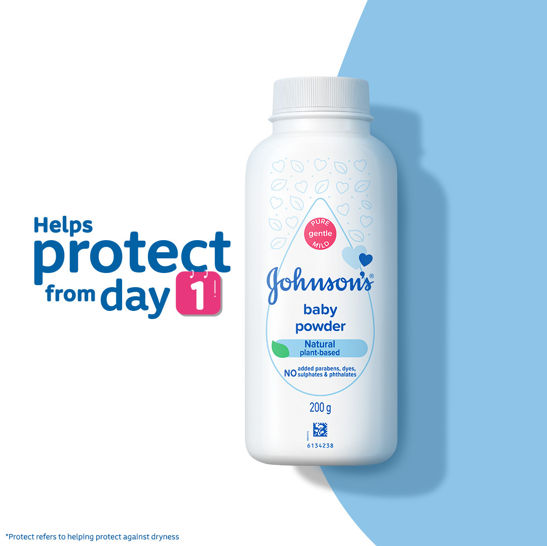
Johnson's Baby Powder Talc-Free (India, where available)
- ✓ 100g pack
- ✓ Talc-free reformulation (verify on Amazon.in page)
- ✓ Hypoallergenic formula
* We earn a small commission — at no extra cost to you.