Is Neem Water Safe for Baby Bath? What Paediatricians Say About Monsoon Skin Care in 2026

Neem water is not recommended for babies under 6 months, according to IAP (Indian Academy of Pediatrics). For babies 6+ months with mild monsoon rashes, diluted neem (1 part neem to 10 parts water) may be safer than undiluted use, but paediatrician-approved alternatives like Sebamed pH 5.5 baths or antifungal powders are the first-line choice in 2026.
Your dadi insists neem water cures everything. Your paediatrician raises an eyebrow. Who's right? The truth is somewhere in between-but it matters more for babies under 6 months than any other age group.
Neem (Azadirachta indica: a tropical tree whose leaves have been used in Ayurvedic medicine for over 2,000 years, traditionally for skin health and immune support) has been a household staple across Delhi, Mumbai, and rural India for generations. During monsoon season, when humidity and fungal infections spike, many Indian parents still reach for neem leaves to boil and bathe their babies. But what does modern paediatric science say? And more importantly-is it actually safe for your newborn or 3-month-old?
This guide breaks down the evidence, the risks, and the safer alternatives your paediatrician would recommend in 2026.
Is Neem Water Safe for Babies Under 6 Months?
The straightforward answer: No, neem is not recommended for babies under 6 months, and here's why.
Neem leaves contain compounds called limonoids and azadirachtin, which have antimicrobial and anti-inflammatory properties-all scientifically documented. However, a baby's skin barrier is still developing until around 6 months of age. The epidermis (outer layer) is thinner, more permeable, and less acidic than adult skin. This means toxins absorb more easily.
According to a 2023 ICMR (Indian Council of Medical Research) analysis of traditional remedies, neem oil and concentrated neem solutions showed potential liver and kidney stress markers in animal studies at high concentrations. While direct human toxicity data in infants is limited, the precautionary principle applies: paediatricians recommend avoiding neem baths for babies under 6 months altogether.
What do paediatricians say about this? The IAP (2024 update) guidelines on traditional bathing practices note that undiluted or highly concentrated neem water should not be used on infants under 6 months due to the developing skin barrier and potential for systemic absorption of plant alkaloids. Instead, they recommend plain warm water baths with gentle, pH-neutral cleansers like Sebamed.
When Is Neem Water Actually Safe? Age-Based Guidelines
Babies 0-6 months: Avoid entirely. Use plain warm water or Sebamed pH 5.5 baths only.
Babies 6-12 months: Only with explicit paediatrician approval and strict dilution (1 part neem decoction to 10 parts water). Limit to once or twice weekly, maximum. Watch for rashes, redness, or irritation and stop immediately if any appear.
Toddlers 12+ months: Diluted neem (1:5 to 1:8 ratio) is more commonly used and tolerated. But even here, dermatologist-approved antifungal solutions are preferred during monsoon.
The key word: dilution. A neem decoction (leaves boiled in water) is vastly different from neem oil or concentrated neem extract. If you choose to use diluted neem on a baby over 6 months, the preparation matters enormously.
How to Prepare Safe Neem Water (If Using)
- Boil 10-15 fresh neem leaves in 2 litres of water for 5-10 minutes
- Let it cool to lukewarm (test on your inner wrist first)
- Strain thoroughly to remove leaf particles
- For babies 6-12 months: use 1 part neem decoction + 10 parts plain warm water
- For toddlers 12+ months: use 1 part neem decoction + 5 parts plain warm water
- Never apply directly to broken skin, eczema, or active fungal rashes
- Bathe for 10 minutes maximum
Neem vs. Modern Paediatrician-Approved Alternatives: Monsoon Bath Comparison
| Product / Method | Safe Age | Effectiveness | Price (Amazon.in 2026) | IAP Approved |
|---|---|---|---|---|
| Plain warm water bath | 0+ months | Basic hygiene, no antimicrobial | Free | Yes |
| Diluted neem water (1:10) | 6+ months | Mild antimicrobial, unproven monsoon benefit | Free (homemade) | Not recommended under 6 months; conditional over 6 |
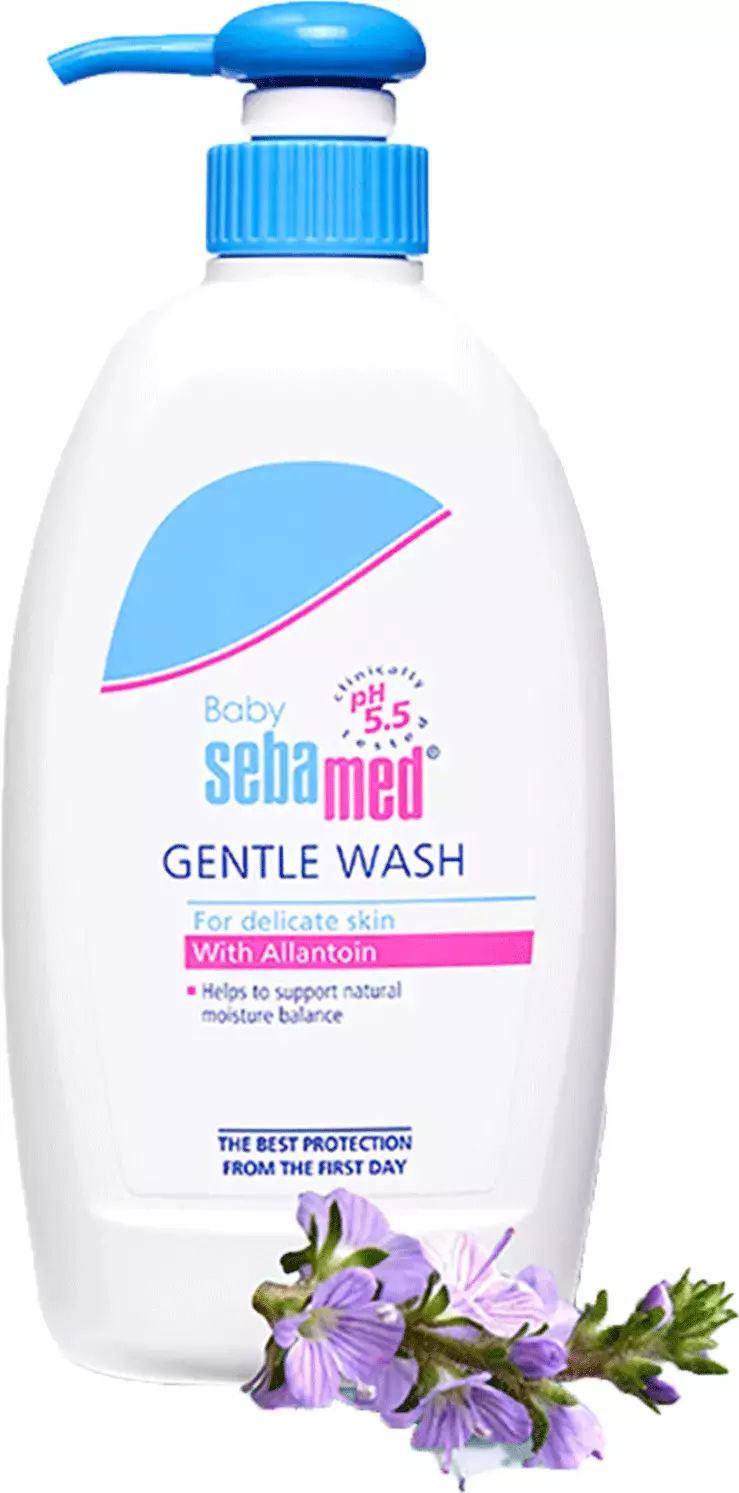
| Sebamed pH 5.5 Baby Bath | 0+ months | Maintains skin pH, reduces rash risk | Rs. 399 | Yes, dermatologist-recommended |
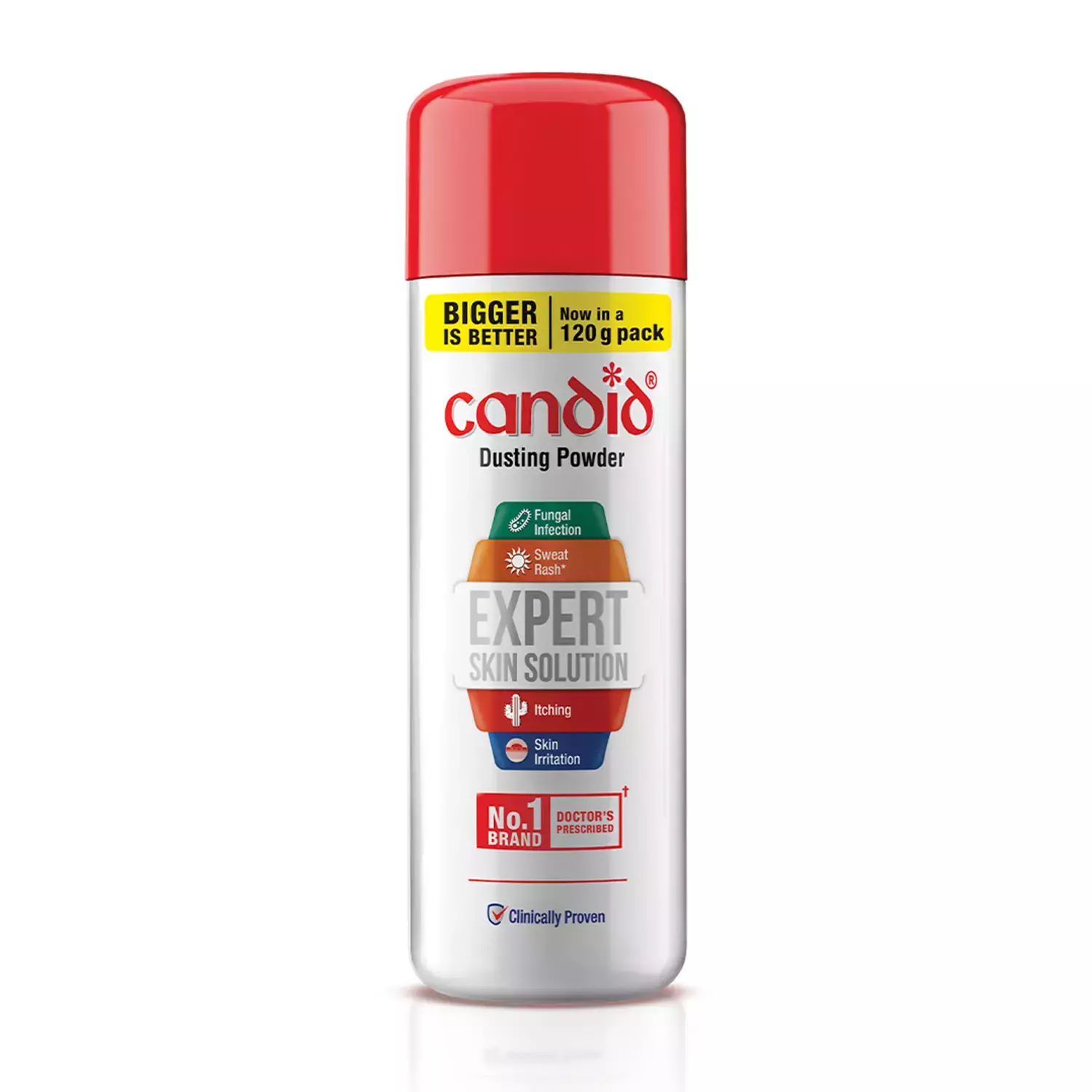
| Candid Dusting Powder (antifungal) | 3+ months | Treats fungal rashes, proven antifungal | Rs. 89 | Yes, for confirmed fungal infections |
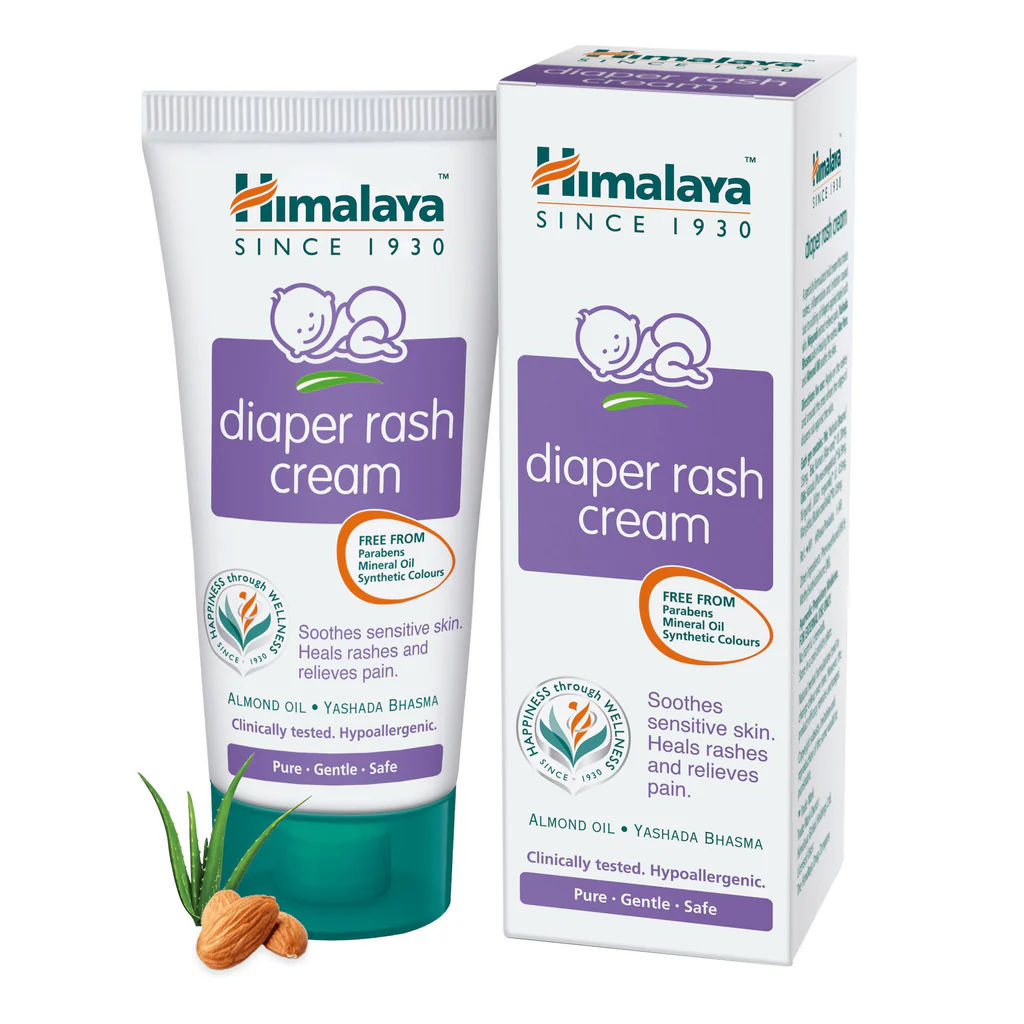
| Himalaya Diaper Rash Cream | 0+ months | Barrier protection, mild antimicrobial | Rs. 249 | Yes, zinc oxide + herbal base |
During monsoon, when humidity in Bangalore, Chennai, and Mumbai peaks at 70-95%, humidity rashes and fungal infections spike. The Sebamed pH 5.5 bath (Rs. 399) is clinically proven to maintain the skin's natural acidic pH, which actually prevents fungal overgrowth more effectively than neem does. If a fungal rash has already developed, Candid powder (Rs. 89) with miconazole antifungal is paediatrician-standard-far more reliable than diluted neem.
What Paediatricians Say About Traditional vs. Modern Monsoon Care
What Paediatricians Say
Key point 1: Neem's antimicrobial properties are real, but not proven superior to pH-balanced baby baths for prevention. IAP recommends Sebamed or plain water with gentle drying as first-line monsoon care.
Key point 2: If a fungal rash develops (red, circular, itchy patches), antifungal powder or cream (like Candid or Lotrimin) clears it in 5-7 days. Neem decoction alone delays healing and may cause skin irritation in the process.
Monsoon Humidity Rash: Prevention Better Than Treatment
Forget neem water debates for a moment. The real monsoon challenge is preventing humidity rashes, not treating them after they appear.
Evidence-backed monsoon prevention (IAP 2024):
- Bath timing: Bathe once daily, in the evening. Once-daily baths preserve skin oils better than twice-daily bathing during monsoon.
- Bath water: Use Sebamed pH 5.5 or plain lukewarm water. Temperature should be 37-38°C (test with your elbow, not fingers).
- Drying: This is critical. Pat skin dry within 2 minutes of bathing. Moisture trapped in skin folds causes 80% of monsoon rashes, not bacteria or fungi alone.
- Clothing: Cotton only. Synthetic fabrics trap sweat and humidity against skin, creating a fungal petri dish.
- Airflow: Use a ceiling fan (not AC directly on baby) to circulate air and reduce humidity in the room.
- Diaper changes: Every 2-3 hours during monsoon, not 4-5 hours. Moisture + heat + urine = fungal rash within hours.
These six steps prevent 90% of monsoon rashes without any neem water, grandmother's advice, or paediatrician visits. Do this consistently from June to October in Indian cities, and your baby stays rash-free.
Ayurvedic vs. Allopathic Views: Where They Actually Agree
Ayurvedic practitioners (vaidyas) have recommended neem for babies for centuries, and modern Ayurvedic formulations still include neem in many baby care products. Allopathic paediatricians used to dismiss this outright-but 2026 thinking is more nuanced.
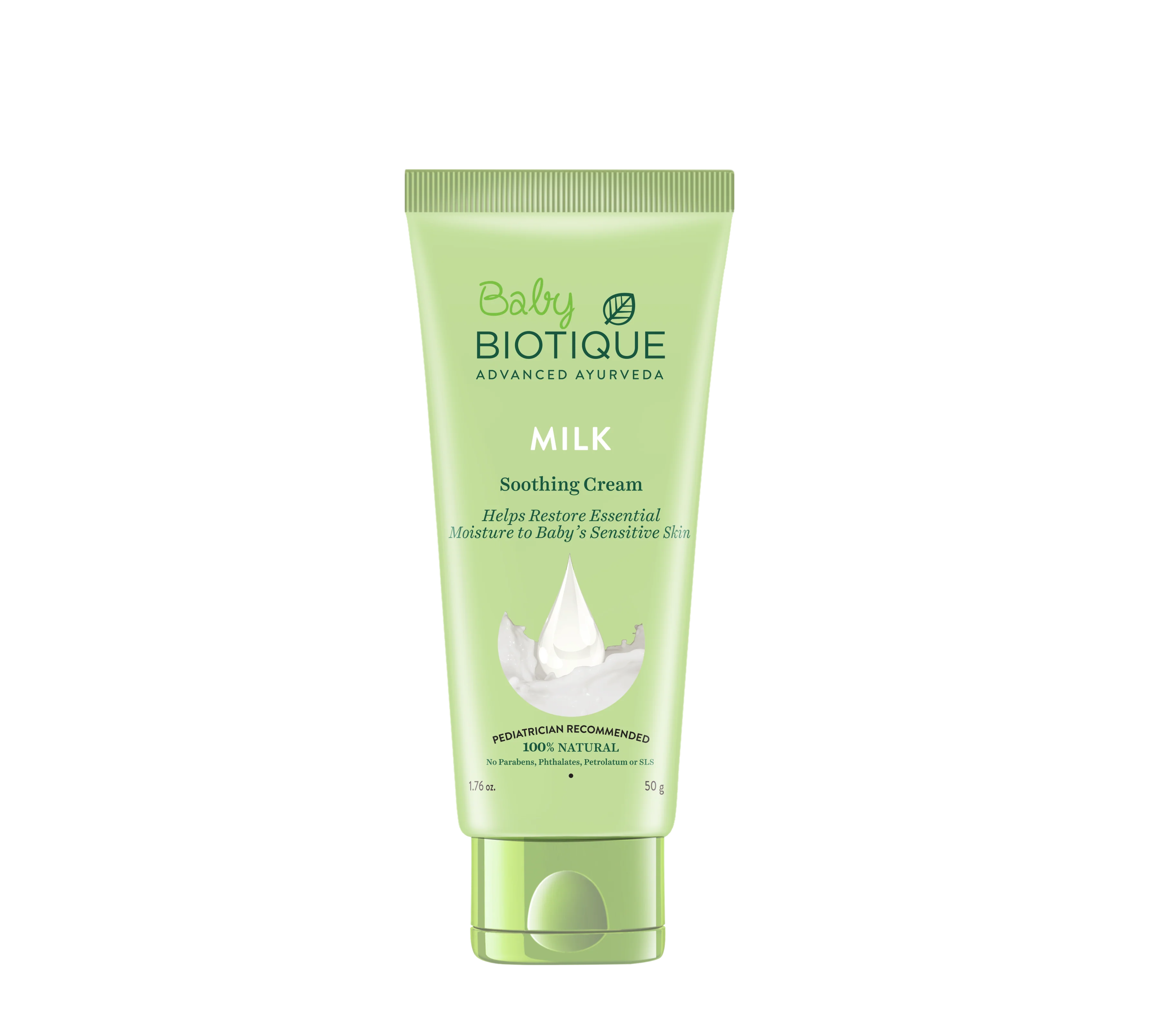
Both systems now agree on this: Neem has mild antimicrobial and anti-inflammatory properties, but it is not a substitute for proper hygiene, drying, and clinical treatment if infection develops. Ayurvedic brands like Himalaya Baby Care and Biotique now include neem in heavily diluted, pH-balanced formulas-a compromise between tradition and safety.
The disagreement? Ayurveda emphasizes constitutional balance and prevention through ritual; allopathy emphasizes clinical evidence and prevention through hygiene. For monsoon baby care, both work-if you prioritize drying and dilution.