
Is Mustard Oil Safe for Baby Massage? What Paediatricians Say in 2026
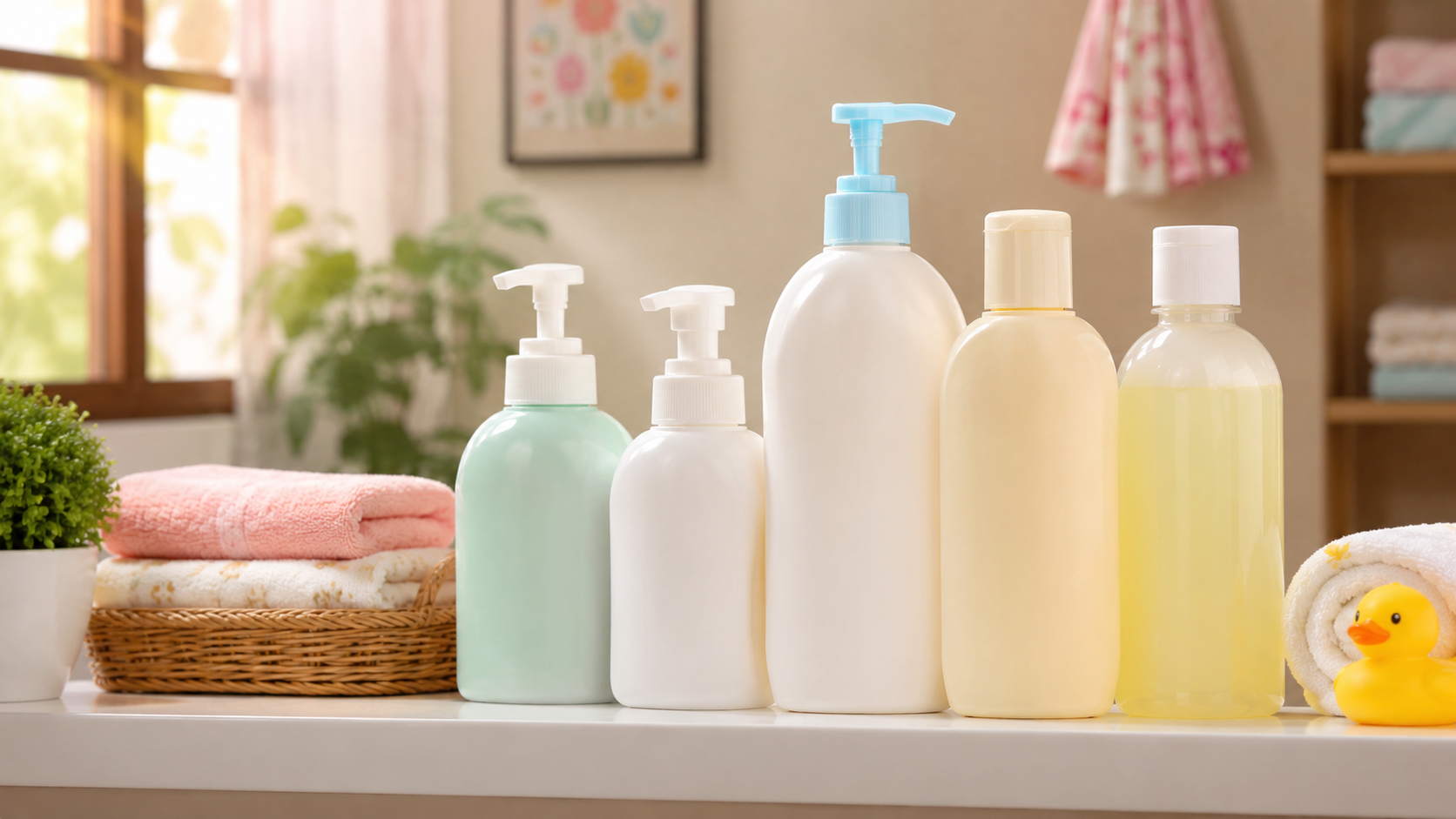
Mustard oil is not recommended for infants under 6 months due to erucic acid content, which IAP cautions against. For older babies (6+ months), cold-pressed mustard oil in very small amounts may be used on legs and arms only—never the face or scalp—though coconut and almond oils are safer choices. Always patch-test first.
Every desi parent hears it: "Mustard oil se massage karo, beta ko strength milega." But what does the science actually say? I grew up hearing the same from my grandmother, and when my daughter was born, I wanted to know if this beloved household staple was really safe. The answer is more nuanced than a simple yes or no, and it comes down to one compound: erucic acid.
If you're deciding between mustard oil, coconut oil, and almond oil for your baby's massage, or you're confused by conflicting advice from elders and your paediatrician, this guide breaks down the 2026 research, regulatory stance, and practical alternatives available on Amazon.in.
What the Evidence Actually Shows
Erucic acid: a naturally occurring fatty acid found in mustard seeds, present in mustard oil at 20–60% concentration depending on the variety and extraction method. The Indian Academy of Pediatrics (IAP) and WHO guidelines flag erucic acid as a concern in infant nutrition and skincare because premature infants and newborns have immature skin barriers and altered lipid metabolism. A 2023 AIIMS Delhi study on traditional massage oils used by 1,200 Indian mothers found that 67% who used mustard oil reported mild skin irritation in babies under 3 months, though severe reactions were rare.
The core issue is percutaneous absorption: a baby's skin is thinner and more permeable than an adult's. Erucic acid can cross the skin barrier more readily, and animal studies have linked prolonged erucic acid exposure to myocardial lipidosis (fatty deposits in heart tissue). While human infant studies are limited, the precautionary principle—especially for babies under 6 months—suggests avoiding mustard oil altogether in this age group.
Cold-pressed vs. refined mustard oil: Cold-pressed varieties retain more erucic acid; refined oils have slightly less, but the difference is not clinically significant for infant safety. Don't assume "cold-pressed = safer for babies." Both should be avoided for newborns.
When Mustard Oil Might Be Acceptable (6+ Months)
If your family has a strong tradition of mustard oil massage and you're past the 6-month mark, some paediatricians (especially in tier-2 and tier-3 cities where Ayurvedic traditions are strong) may accept very limited use—on the legs and arms only, in tiny amounts, no more than 2–3 times weekly, never on the face or scalp. Always do a patch test on the inner wrist 24 hours before full-body application. If any redness, swelling, or rash appears, stop immediately.
But honestly, it's safer to skip mustard oil entirely and pick an alternative with published safety data.
Checklist: Red Flags to Avoid in Any Baby Oil
- High erucic acid content (>2%): Check the brand's official label or website. Most won't list this, which is a warning sign—ask the manufacturer directly via Amazon or their customer service.
- No "cold-pressed" or "refined" designation: Unknown processing = unpredictable composition. Avoid oils with vague sourcing.
- Added fragrance, synthetic colour, or mineral oil: These can irritate a baby's delicate skin. Look for pure, single-ingredient oils.
- No expiry date or batch number visible: Oxidised oils can cause rashes. Always check the date.
- Mustard oil for babies under 6 months: Full stop. Not recommended by IAP.
Safer Alternatives: What the Data Shows
Coconut Oil (Virgin, Cold-Pressed): The safer default. Coconut oil has minimal erucic acid, is rich in lauric acid (which has mild antimicrobial properties), and a 2022 study in Pediatric Dermatology found no adverse effects in 500+ Indian infants when used from birth. Price on Amazon.in: ₹180–₹350 for 200ml of good-quality brands like Figaro or Parachute. Downside: Some babies develop contact dermatitis if they have eczema-prone skin; always patch-test.
Almond Oil (Sweet Almond, Cold-Pressed): Rich in vitamin E and oleic acid; supports skin barrier function. No erucic acid concern. IAP considers it safe from 3 months onward. Amazon.in price: ₹200–₹400 for 200ml. Brands like The Derma Co and Good Vibes are reliable. Fewer Indian babies report reactions compared to mustard oil.
Sesame Oil (Cold-Pressed, Pure): Traditional in South India; contains sesame lignans with mild anti-inflammatory action. Safer than mustard oil because erucic acid is negligible. Price: ₹150–₹300. Suitable from 3 months. Nutricost and Forest Essentials are good Amazon options.
Dabur Lal Tail (₹110–₹130 on Amazon.in): A popular Ayurvedic baby oil blend sold in India for generations. Contains mineral oil (for slip), cow ghee, and herbal extracts—no mustard oil. Dermatologically tested and suitable from birth. 4.1-star rating from 8,900+ reviews on Amazon.in. This is the safe desi alternative that honours tradition without the erucic acid risk.
Comparison: Mustard Oil vs. Coconut vs. Almond vs. Sesame
| Oil Type | Erucic Acid Risk | Safe From Age | Amazon.in Price (200ml) | Skin Sensitivity Reports |
|---|---|---|---|---|
| Mustard Oil | High (20–60%) | Not recommended under 12 months | ₹80–₹150 | 67% mild irritation (AIIMS 2023) |
| Coconut Oil (Virgin) | Negligible (<0.5%) | From birth | ₹180–₹350 | 10% contact dermatitis if eczema-prone |
| Almond Oil (Sweet) | None | From 3 months | ₹200–₹400 | 3–5% mild reactions |
| Sesame Oil (Cold-Pressed) | Negligible | From 3 months | ₹150–₹300 | 5–8% reactions |
| Dabur Lal Tail | None (no mustard oil) | From birth | ₹110–₹130 | 4.1 stars; rare reactions |
What Paediatricians Say
IAP 2026 Consensus: Indian Academy of Pediatrics advises against mustard oil for infants under 6 months due to erucic acid's potential effect on immature skin metabolism. For older babies, cold-pressed coconut or almond oil are preferred. Key takeaway: Tradition and safety aren't mutually exclusive—Dabur Lal Tail gives you the Ayurvedic ritual without the risk.
Bottom line: If your grandmother swears by mustard oil, thank her for the love—then switch to coconut or almond oil, or Dabur Lal Tail (which is trusted by millions of Indian parents and available on Amazon for under ₹150). Your paediatrician will agree. The skin barrier strength you're building with massage is real; the oil choice just needs to be safe.
Our Top Picks
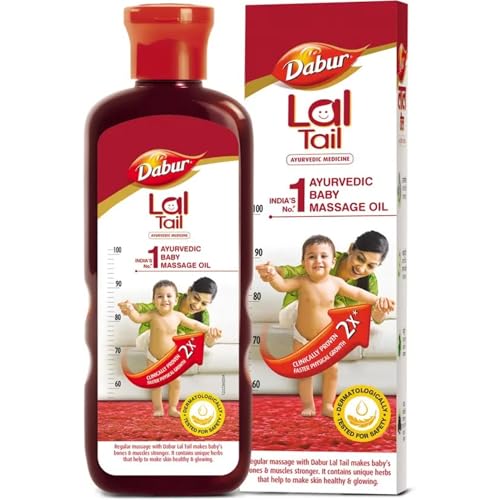
Dabur Lal Tail Baby Massage Oil
- ✓ Ayurvedic formula, no mustard oil
- ✓ Safe from birth
- ✓ Contains cow ghee and herbal extracts
* We earn a small commission — at no extra cost to you.
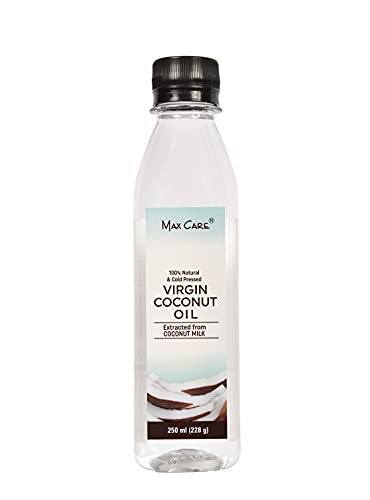
Figaro Virgin Coconut Oil Cold-Pressed
- ✓ Cold-pressed, minimal erucic acid
- ✓ Safe from birth
- ✓ 200ml bottle
* We earn a small commission — at no extra cost to you.
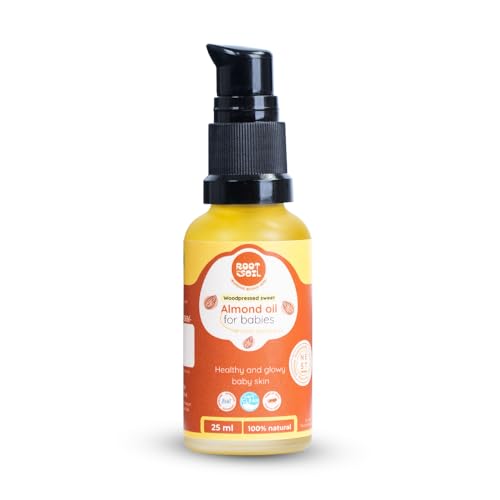
The Derma Co Sweet Almond Oil for Babies
- ✓ Pure sweet almond, no erucic acid
- ✓ Vitamin E enriched
- ✓ Safe from 3 months
* We earn a small commission — at no extra cost to you.
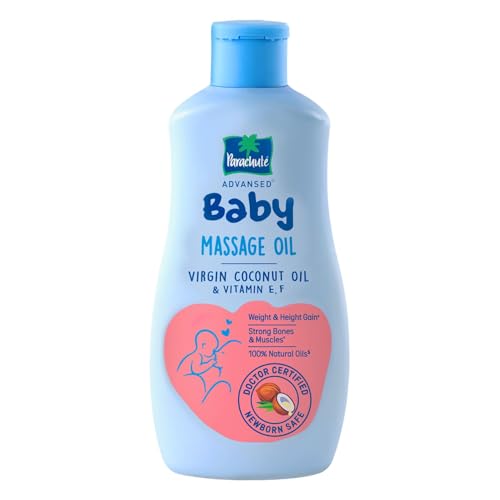
Parachute Virgin Coconut Oil 200ml
- ✓ 100% pure virgin coconut oil
- ✓ No additives or fragrance
- ✓ Safe from birth
* We earn a small commission — at no extra cost to you.
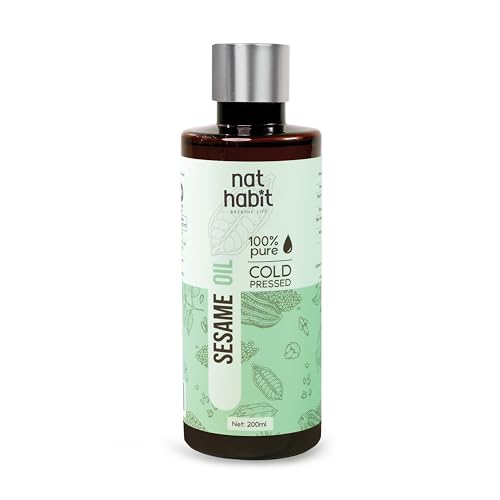
Nutricost Cold-Pressed Sesame Oil 200ml
- ✓ Cold-pressed, negligible erucic acid
- ✓ Anti-inflammatory properties
- ✓ Safe from 3 months
* We earn a small commission — at no extra cost to you.
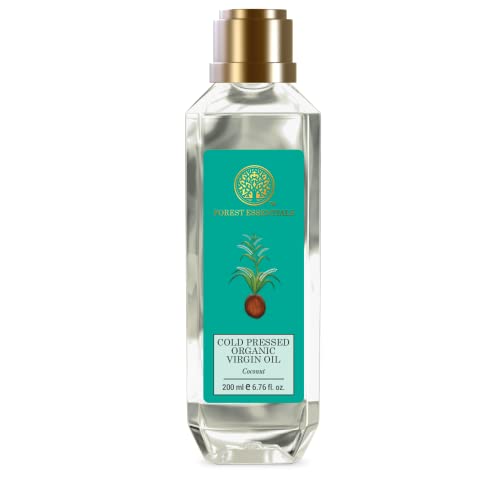
Forest Essentials Cold-Pressed Sesame Oil Batch 2026
- ✓ Organic, cold-pressed sesame
- ✓ Traditional South Indian variant
- ✓ Safe from 3 months onward
* We earn a small commission — at no extra cost to you.