
Is Kajal Safe for Babies in 2026? Lead Content Risks & Safer Alternatives
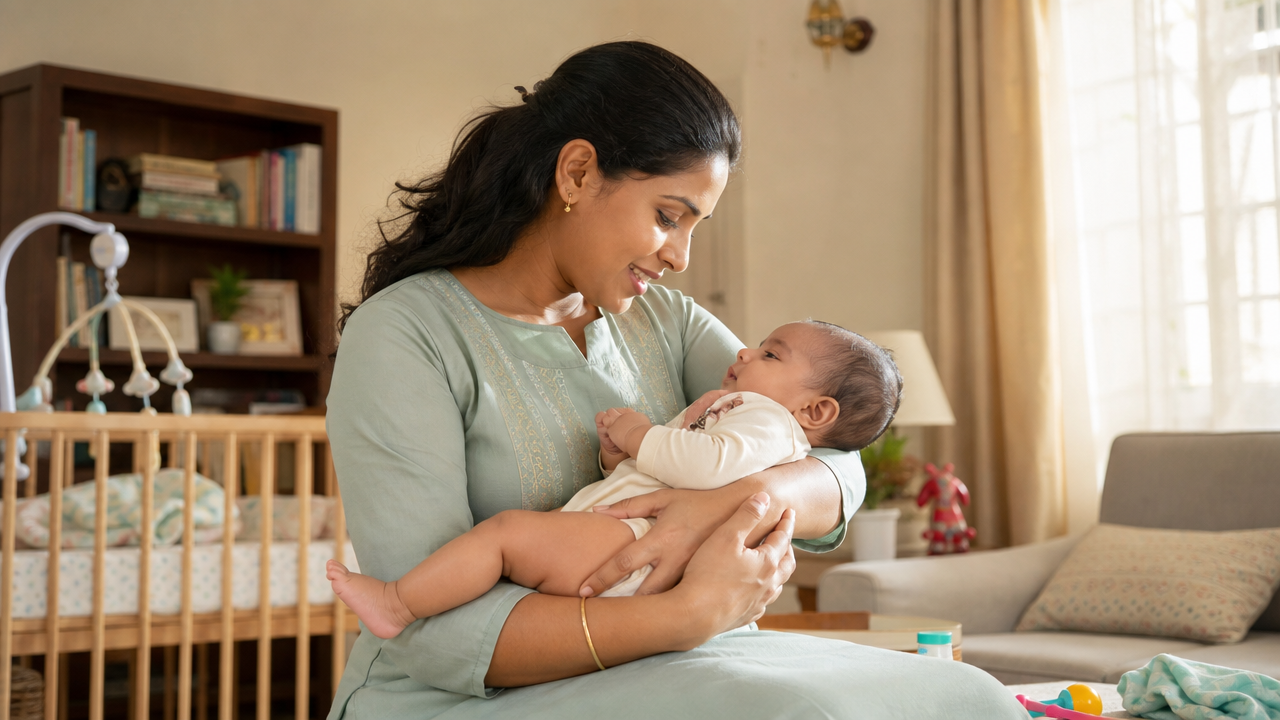
No, traditional kajal is not recommended for babies under 3 years by the Indian Academy of Pediatrics due to lead contamination risks. Even low-lead or lead-free brands carry application risks to the developing eye. If you choose to use kajal, dermatologist-approved, lead-free options like Himalaya Kajal or Biotique Baby Kajal are safer, though plain coconut oil remains the safest alternative.
For many Indian parents-especially those with concerned grandmothers in the house-kajal feels as essential as a baby's first outfit. But in 2026, the question "Is kajal safe for my baby?" has a more nuanced answer than "beta, hum sab ko use karte hain." Let me break down what the science actually says.
What Is Kajal and Why Are Parents Worried?
Kajal (also called kohl or surma): a traditional eye cosmetic made from natural or synthetic ingredients, historically applied as a dark line on the inner eyelids or waterline in infants, believed to strengthen eyes and protect from the evil eye.
The worry started decades ago when independent studies, particularly from the US FDA, revealed that many traditional kajals-especially those sourced from unregulated manufacturers-contained alarming levels of lead. Lead is a neurotoxin that accumulates in the body and can damage developing brains, even at low exposure levels. For infants whose neurological development is still happening at explosive speed, any unnecessary lead exposure is a genuine concern.
The Indian Academy of Pediatrics does not officially recommend kajal application for babies under 3 years. While they haven't issued a formal nationwide ban, their position is clear: the risks outweigh any perceived benefits, and safer alternatives exist.
Lead in Traditional Kajal: What the Science Shows
A 2015 study examining kajal samples from across India and Pakistan found that lead content ranged from undetectable to 47.83 parts per million (ppm). For context, the US FDA's safety threshold for lead in cosmetics is 10 ppm. Many samples crossed this line significantly.
Why does kajal contain lead? Lead-based pigments have been used historically to create the dark black color. Even when manufacturers claim their formula is lead-free, cross-contamination during production or storage can introduce it. Unregulated local brands and traditional handmade kajals pose the highest risk.
Now, here's where cultural pressure meets medical reality. In Mumbai, Delhi, Bengaluru, Pune, and smaller cities alike, mothers report being told by grandmothers, neighbors, and even some local pediatricians that kajal is "necessary" for babies. The belief is ancient and culturally entrenched. But pediatric data-which didn't exist 30 years ago-tells us something different.
Lead Poisoning Symptoms in Infants: What to Watch For
If your baby has been exposed to lead through kajal or any other source, IAP recommends watching for these signs:
- Developmental delays: slower speech, delayed motor milestones (rolling, sitting, walking)
- Behavioral changes: excessive irritability, difficulty concentrating, unusual letharness
- Anemia symptoms: pale skin, tiredness, reduced appetite
- Constipation and abdominal pain (less commonly reported in kajal exposure)
- Poor feeding or weight gain stalling
Lead poisoning is not always obvious. A blood lead test (available at major hospitals in tier-1 and tier-2 cities) is the only definitive check. If your baby has had kajal applied and shows any of the above, a pediatrician visit is warranted.
Safer Kajal Alternatives for 2026
If you're not ready to skip kajal entirely-and I understand that, given family expectations-here are the genuinely safer options available on Amazon.in and retail stores across India:
| Product | Price (Rs.) | Key Feature | Dermatologist Claim | Lead-Free Certified |
|---|---|---|---|---|
| Himalaya Kajal | 85 | Herbal, mild formula | Yes, dermatologist-tested | Brand claims lead-free |
| Biotique Baby Kajal | 95 | Organic, fragrance-free | Pediatrician-recommended | Brand claims lead-free |
| Mama Earth Natural Kajal | 120 | Plant-based, no talc | Dermatologist-tested | Brand claims lead-free |
| Plain Coconut Oil (Virgin) | 150-200 (500ml bottle) | Zero risk, multipurpose | IAP-safe | N/A (natural) |
Himalaya Kajal (₹85): Himalaya's formula is listed as herbal and dermatologist-tested on Amazon.in. The brand does not disclose full ingredient details, but the product page states it is lead-free. Available across India with 4.1-star ratings from 2,000+ reviews. Many parents report it causes less eye irritation than unbranded kajal.
Biotique Baby Kajal (₹95): Positioned as a baby-specific line, Biotique's kajal lists organic ingredients and is marketed without talc or harmful dyes. The brand claims pediatrician recommendation on their website. Price point is competitive, though harder to find in offline stores outside metros.
Plain Coconut Oil (₹150-200 for 500ml): This is the safest option-medically endorsed by IAP. Apply a tiny amount with a clean cotton swab around (not inside) the baby's eye. No chemical risk. Doubles as a body oil, making it economical. Major brands like Cococare or Figaro are widely available on Amazon.in.
Important Note on Safer Kajal Brands
Even if a brand claims to be lead-free, independent verification is rare. Himalaya and Biotique are well-established companies with quality control, making them lower-risk than unpackaged, handmade, or unregulated kajals sold in traditional markets. However, "lower-risk" is not "no risk." Any kajal involves application to a sensitive mucous membrane (the eye) where irritation or allergic reaction is possible, even with clean formulas.
What Paediatricians Say
What Paediatricians Say
The Indian Academy of Pediatrics does not recommend eye kajal for children under 3 years due to lead toxicity risks and application hazards. If cultural traditions are important, parents should choose branded, dermatologist-tested kajal and apply sparingly to the outer edge of the eyelid only-never the waterline or inner eye. Blood lead testing is recommended if kajal use has been heavy or prolonged.
Handling Family Pressure: The Grandparent Conversation
I know how this goes. You say "the doctor said no kajal," and grandmother says "you are being too modern, all children wear kajal." Here's a script that works: "Mummy, the kajal available 30 years ago was different. Now we know some kajals have lead, which harms the brain. If we want to protect Baby's eyes and brain, we use the safe oil instead. It's still a tradition, just a healthier version."
Most grandmothers soften when they understand it's about protection, not rejection of culture.
Our Top Picks
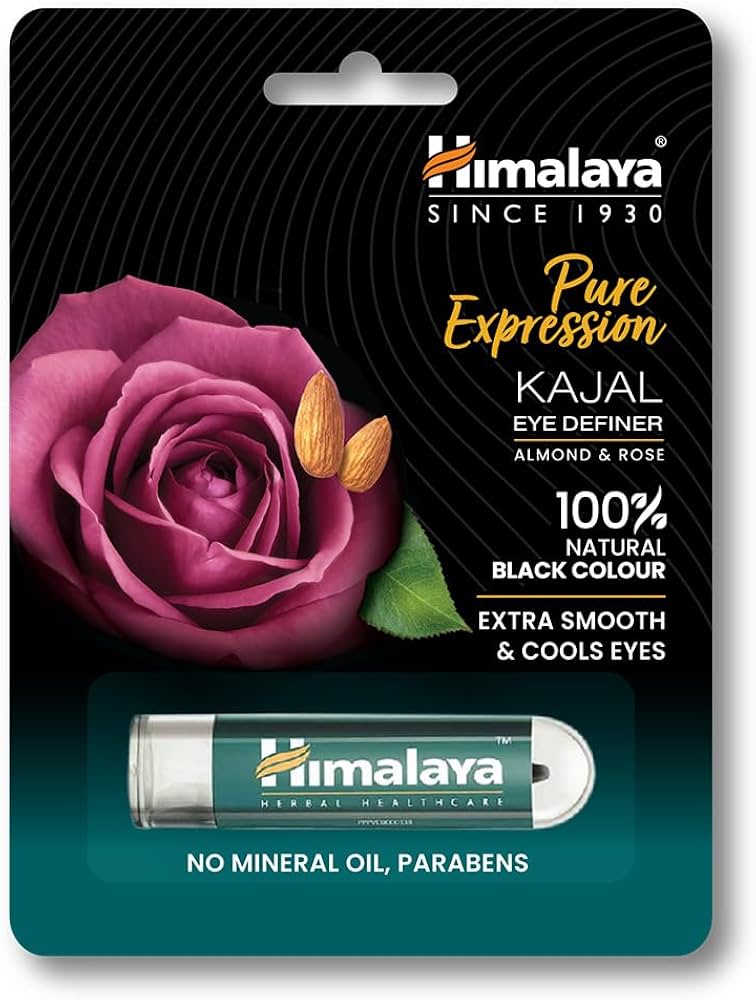
Himalaya Herbal Kajal
- ✓ Herbal formula
- ✓ Dermatologist-tested
- ✓ Lead-free claimed
* We earn a small commission — at no extra cost to you.
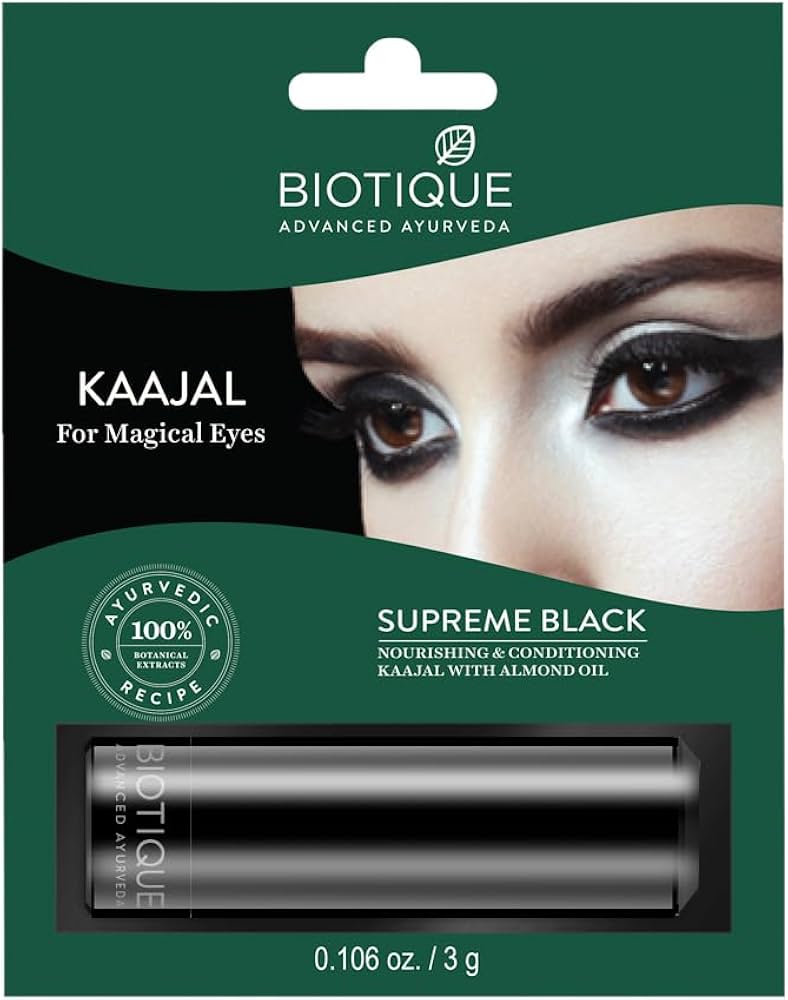
Biotique Baby Kajal
- ✓ Organic, talc-free
- ✓ Pediatrician-recommended
- ✓ Fragrance-free
* We earn a small commission — at no extra cost to you.
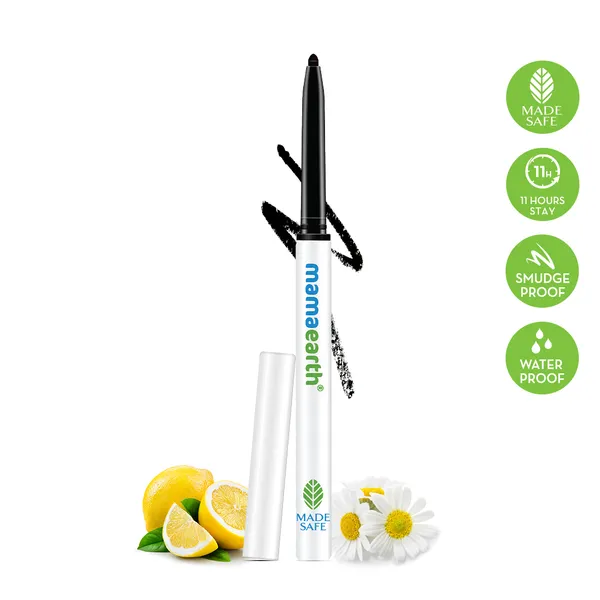
Mama Earth Natural Kajal
- ✓ Plant-based, no talc
- ✓ Dermatologist-tested
- ✓ Long-wear formula
* We earn a small commission — at no extra cost to you.
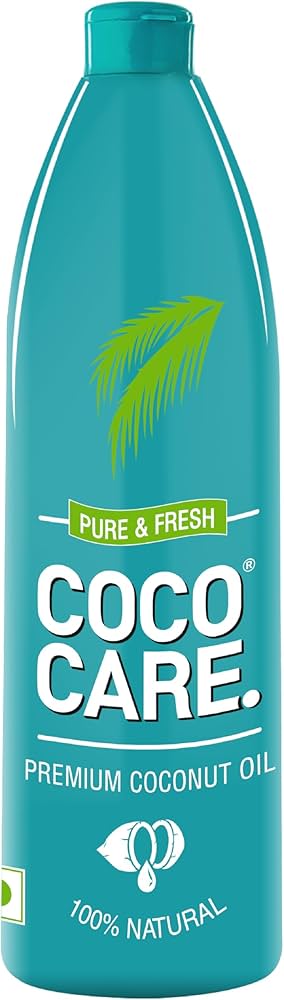
Cococare Virgin Coconut Oil (500ml)
- ✓ Cold-pressed virgin
- ✓ No additives
- ✓ Food-grade quality
* We earn a small commission — at no extra cost to you.