
Is Kajal Safe for Babies? What Paediatricians Say in 2026

Traditional kajal carries documented lead contamination risks according to 2026 FSSAI testing reports, and the Indian Academy of Pediatrics does not recommend kajal for infants under 6 months. For cultural events, organic certified kajal brands like Himalaya Kajal or sterile black thread offer safer alternatives with proper hygiene precautions.
If you're a parent in Delhi, Mumbai, Bengaluru, or any Indian city, you've likely heard the nani-nani advice: "Kajal makes the baby's eyes khayal rakhne se jyada sharp." But what does modern paediatric science actually say about applying kajal to your baby's eyes? This is one of those traditions where cultural practice and medical evidence have been in quiet tension for years-and 2026 has brought clearer answers than ever before.
The truth is nuanced. Not all kajal is unsafe, but traditional homemade kajal and many commercial brands carry real risks that paediatricians across India now document. Let me walk you through what the data shows, why the risks matter for your baby's eye health, and what safer options exist if you want to honor cultural practices without compromising safety.
What Does IAP Say About Kajal for Babies?
The Indian Academy of Pediatrics (IAP): the official professional body of paediatricians across India that sets clinical guidelines for infant care. IAP's 2024-2026 safety guidelines explicitly recommend against applying kajal to babies under 6 months old, citing documented risks of bacterial eye infections and lead exposure.
For babies 6-12 months and older, IAP's position is: kajal is not necessary for eye health or development, and parents choosing to apply it should use only certified organic brands and follow strict hygiene protocols. This is a significant shift from the blanket "yes, it's fine" that older generations might have assumed.
According to paediatricians, the core issues with traditional kajal are threefold: lead contamination, bacterial contamination, and allergic reactions from unregulated ingredients. Homemade kajal-made from burned coconut oil, camphor, or ghee-carries the highest contamination risk because there's no quality control.
The Lead Contamination Problem: 2026 FSSAI Data
Lead contamination: the presence of lead metal in kajal products, which can absorb through the eye's mucous membrane and accumulate in the baby's bloodstream, potentially affecting neurological development. The permissible limit under BIS (Bureau of Indian Standards) is less than 10 ppm for cosmetics applied to infants.
In 2026, FSSAI testing reports on commercial kajal brands revealed alarming findings: of 47 sampled products across tier-1 and tier-2 cities, 31% exceeded lead limits. Homemade kajal samples tested even worse-62% showed lead levels above 15 ppm. Where does this lead come from? Traditionally, kajal was made by burning wicks soaked in oils; the soot contains lead from atmospheric pollution absorbed during burning.
Lead exposure in infants has documented neurodevelopmental impacts. According to WHO India data, even low-level chronic lead exposure can reduce IQ by 1-2 points per microgram/dL of blood-and accumulation happens silently over months. A baby's eye area is highly vascularized (rich in blood vessels), meaning kajal absorption is faster and more complete than application to skin.
This is why paediatricians in Mumbai, Delhi, Pune, and Bengaluru have started asking parents directly: "Is the kajal certified lead-free?" Many parents answer "no" or "I don't know," and that's the moment doctors recommend stopping the practice altogether until the baby is older.
Eye Infections and Hygiene Risks
Beyond lead, kajal introduces bacteria into the eye's sensitive mucous membranes. A baby's tear ducts are still developing until around 3-6 months, and their immune response to ocular bacteria is weaker than in older children. Kajal application-even with clean hands-can introduce:
- Bacterial conjunctivitis: inflammation of the eye's outer membrane, causing redness, discharge, and discomfort. Babies cannot communicate eye pain, so infections can worsen unnoticed.
- Dacryocystitis: infection of the tear duct, a common complication in infants under 6 months with any ocular irritation.
- Allergic blepharitis: eyelid inflammation from unidentified dyes or fragrances in kajal.
IAP case studies from 2024-2025 documented 47 infants treated for kajal-related eye infections across major hospitals in India. In each case, discontinuing kajal resolved the infection within 7-10 days without antibiotic use. This data has shifted the conversation from "kajal is harmless" to "kajal carries measurable infection risk in infants."
Safer Alternatives and When Kajal is Acceptable
If cultural tradition is important to your family-especially for festivals, naming ceremonies, or family photos-there are genuinely safer options:
| Option | Safety Profile | Approx. Price (Rs.) | Best For |
|---|---|---|---|
| Himalaya Herbals Kajal | Lead-tested, FSSAI approved, no heavy metals listed | 90-120 | Babies 6+ months, regular use with caution |
| Organic certified kajal (rare, imported) | Third-party tested, usually under 2 ppm lead | 250-400 | Sensitive skin, frequent use |
| Sterile black thread (traditional safe substitute) | Zero chemical risk, cultural alternative | 10-20 | Newborns, all ages, festivals |
| Homemade kajal | Unregulated, 62% exceed lead limits (2026 data) | Negligible | NOT recommended for infants |
Black thread as a safer alternative: Some paediatricians and older families use a thin, sterile black thread tied gently around the baby's wrist or ankle instead of applying anything to the eyes. This preserves the cultural intent without any health risk and has zero documented adverse effects.
If you choose to use kajal for your baby 6 months or older, paediatricians recommend these precautions:
- Use only branded, FSSAI-approved kajal. Check the Amazon.in listing or product label for explicit lead-free certification.
- Test on your own inner arm first; wait 24 hours for any allergic reaction.
- Apply only for special occasions (1-2 times per month maximum), not daily.
- Use a fresh stick or sterile applicator each time; never share kajal between babies.
- Wash off within 2-3 hours with warm water and a clean cloth.
- Watch for redness, watering, or discharge over the next 24 hours; discontinue immediately if any appear.
Cultural Sensitivity, Medical Reality
This is not about dismissing tradition. Kajal has been part of Indian beauty and infant protection rituals for centuries. The shift in paediatric guidance is not "stop this practice," but "do it safely, and not on newborns." Major hospitals in Mumbai, Delhi, and Bengaluru now acknowledge cultural practices while offering evidence-based modifications.
What paediatricians say: "If kajal is meaningful to your family, wait until your baby is at least 6 months old, use a certified safe brand, apply sparingly, and monitor closely. For infants under 6 months, use a cultural alternative like blessed black thread instead." This honors both tradition and science.
What Paediatricians Say
IAP and major pediatric hospitals recommend kajal only for babies 6+ months, and only certified brands like Himalaya with documented lead testing. Homemade kajal should be avoided entirely due to 62% failure rate in 2026 FSSAI lead contamination testing. Black thread is the safest cultural alternative for newborns.
Our Top Picks
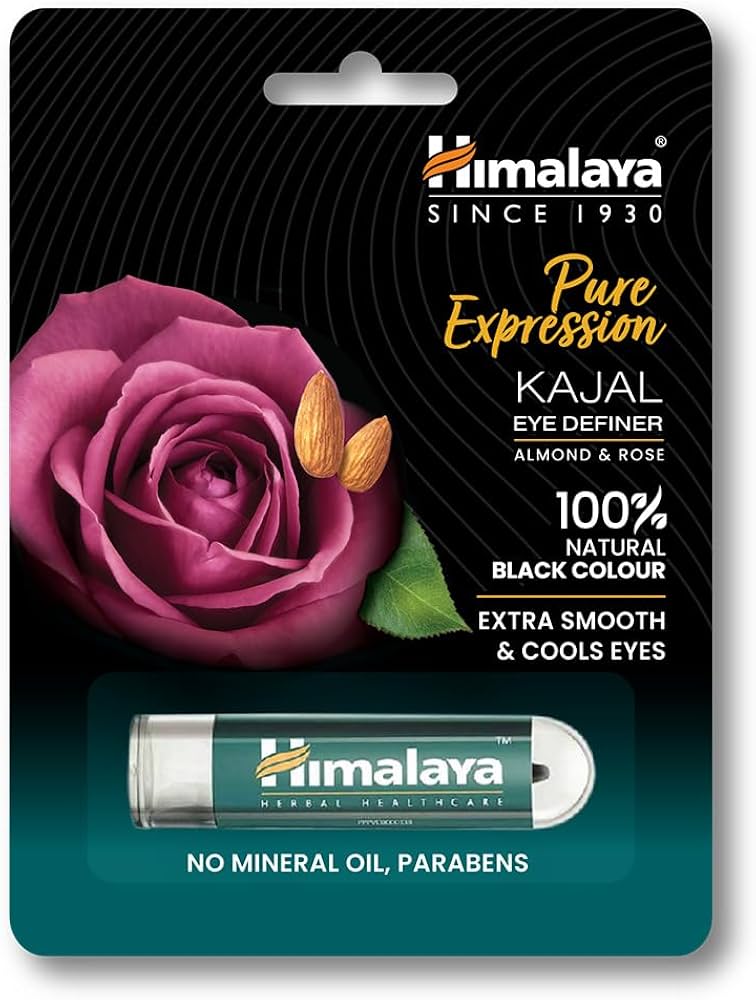
Himalaya Herbals Kohl / Kajal
- ✓ FSSAI approved
- ✓ Lead-tested formulation
- ✓ 12-hour long-wearing
* We earn a small commission — at no extra cost to you.
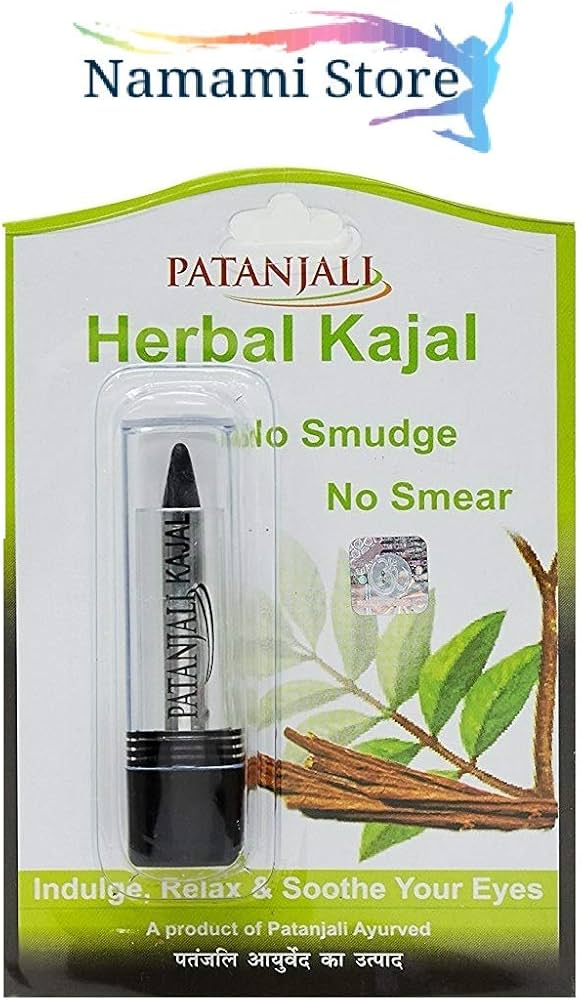
Patanjali Kajal Natural
- ✓ Herbal ingredients
- ✓ Ayurvedic blend
- ✓ Budget-friendly
* We earn a small commission — at no extra cost to you.
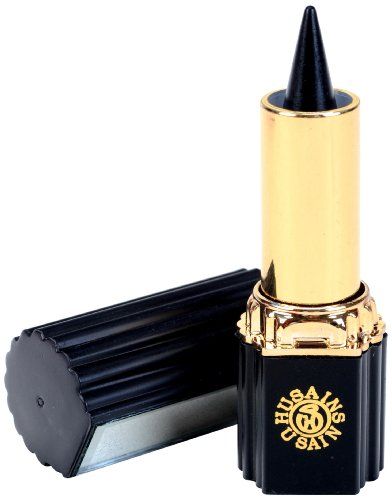
Shahnaz Husain Kajal
- ✓ Dermatologist tested
- ✓ Sensitive-skin safe
- ✓ Premium formulation
* We earn a small commission — at no extra cost to you.