
Is Honey Safe for Babies Under 1 Year? Botulism Risk & Safe Sweetener Alternatives in 2026

No, honey is not safe for babies under 1 year old. Honey can contain Clostridium botulinum spores that a baby's immature digestive system cannot fight, leading to infant botulism-a serious, potentially life-threatening condition. Safe alternatives include mashed banana, date puree, and apple compote for babies 8 months and older.
This is one of the most common questions I see from parents in Delhi, Mumbai, and Bengaluru-especially when grandmothers suggest honey on the tongue for cough or mixed with ghee for strength. I understand the confusion: honey has been used in Indian homes for centuries, and it does have real antimicrobial properties. But for babies under 12 months, those benefits don't outweigh a very real medical risk. Let me break down exactly why, what to watch for, and what actually works instead.
Why Is Honey Unsafe for Babies Under 1 Year?
Honey for babies under 1 year presents a specific risk: it can contain spores of Clostridium botulinum, a bacterium that produces a toxin called botulinum toxin, which paralyzes muscles. In adults and children over 1 year, stomach acid and a mature gut microbiome destroy these spores before they cause harm. But babies under 12 months have an immature digestive system-their stomach acid is weaker, and their intestinal bacteria are still developing. This means the spores can survive, germinate in the gut, and produce toxin.
According to the Indian Academy of Pediatrics (IAP) 2026 guidelines, infants under 12 months should never be given honey in any form-not on the tongue, not mixed with ghee, not in Ayurvedic preparations, and not in commercial baby foods. The risk is real enough that major health bodies including WHO and the American Academy of Pediatrics (AAP) all recommend the same strict avoidance.
The spores themselves aren't the immediate problem-it's the toxin they produce inside the baby's intestines. Once the toxin enters the bloodstream, it blocks the release of acetylcholine, a neurotransmitter that tells muscles to contract. This leads to progressive paralysis, starting subtly and becoming severe.
Symptoms of Infant Botulism to Watch For
Infant botulism doesn't show up in the first 24 hours. Symptoms typically appear 3 to 30 days after the spores are ingested, which is why many parents don't immediately connect it to the honey their mother-in-law gave. Here's what to watch for:
- Constipation-often the first sign, and it can be severe. This isn't normal baby constipation; it's stubborn and persistent.
- Weak cry-the baby's cry becomes quieter, more high-pitched, or develops a whimpering quality.
- Poor feeding-the baby struggles to suck or swallow effectively.
- Floppy baby syndrome-loss of muscle tone that progresses from the head downward. The baby may seem unusually limp when held.
- Weak facial expression-droopy eyelids (ptosis), weak smile, flat facial features.
- Difficulty breathing-in severe cases, the respiratory muscles weaken, which is a medical emergency.
If your baby shows any of these signs after consuming honey-or even if you're unsure-contact your paediatrician or visit an emergency room immediately. Infant botulism requires hospital care and treatment with Botulism Immune Globulin (BIG-IV), an antitoxin that halts progression. Early treatment significantly improves outcomes, but delays can result in ventilator support or worse.
Why Grandmothers Recommend Honey (And Why Times Have Changed)
In India, honey mixed with ghee (a practice called "madhu ghrita" in Ayurveda) has been given to newborns for strength, immunity, and digestion for generations. The logic isn't unfounded-honey does have antimicrobial and prebiotic properties. But this traditional practice predates our understanding of botulism, which wasn't even identified as a disease in infants until the 1970s. Our mothers and grandmothers didn't know about Clostridium botulinum spores because diagnostic tools and epidemiological data didn't exist then.
Today, paediatricians across India-from AIIMS Delhi to Apollo Chennai-unanimously recommend avoiding honey entirely during the first 12 months, no matter the source or preparation.
Safe Sweetener Alternatives for Babies 8 Months and Older
Once your baby is 8 months old and eating solids, you can introduce naturally sweet foods that don't carry the botulism risk. Here's what actually works:
| Sweetener | Safe From (Age) | How to Use | Benefits |
|---|---|---|---|
| Mashed banana | 6+ months | Mash ripe banana with a fork; mix into porridge or eat as is | Natural sweetness, potassium, fibre, easy digestion |
| Date puree | 8+ months | Soak dates in warm water 30 mins, blend smooth, mix into dal or ragi | Iron, calcium, natural sugars, mild laxative effect |
| Apple compote | 8+ months | Stew peeled apple (no skin initially) until soft, puree, serve warm | Fibre, vitamin C, aids digestion |
| Mango puree (seasonal) | 8+ months | Scoop ripe mango flesh, blend smooth | Natural sweetness, beta-carotene, seasonal goodness |
| Ripe pear puree | 8+ months | Cook soft pear, puree, serve at room temperature | Gentle on digestion, natural sweetness |
None of these require any processing or risk. A mashed banana is literally a banana. Date puree is dates plus water. These are the "sweeteners" your baby actually needs-not added sugar, definitely not honey.
What Paediatricians Say
IAP 2026 Position: "Honey should be avoided entirely in children under 12 months due to the risk of infant botulism." The risk, while rare in India compared to Western countries, is real and preventable through simple avoidance. Key point: No amount of honey is safe-not a teaspoon, not a drop, not in "pure" or "raw" forms. Botulinum spores aren't removed by processing.
Our Top Picks
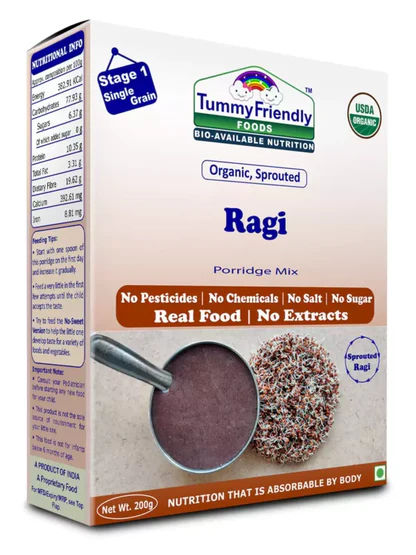
Nutrela Daily Ragi Porridge Mix (No Added Sugar)
- ✓ Iron-fortified
- ✓ No honey or added sweeteners
- ✓ BIS certified
* We earn a small commission — at no extra cost to you.
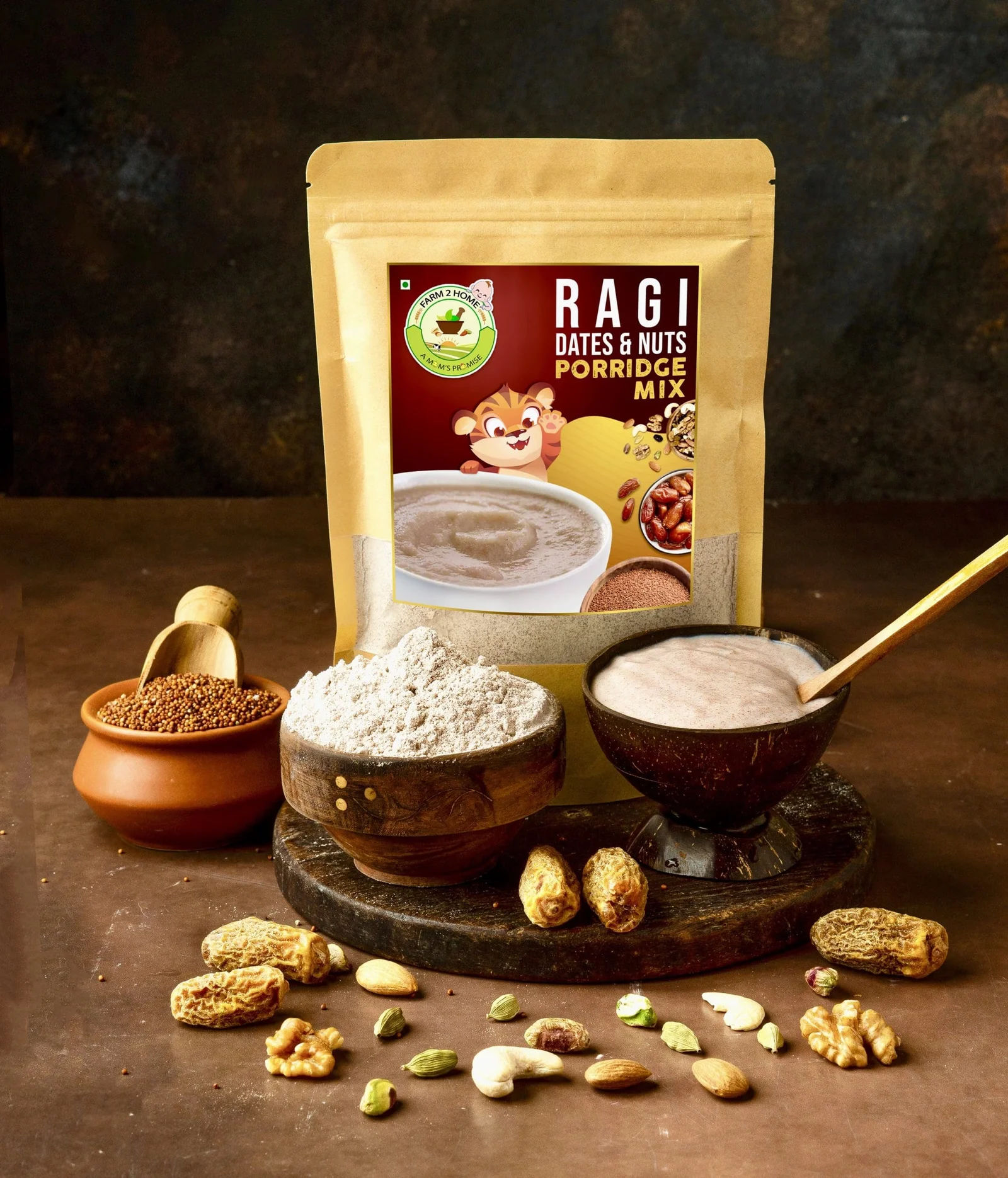
Babyorganic Homemade Dates & Ragi Mix (Organic)
- ✓ Organic dates puree included
- ✓ No preservatives
- ✓ Suitable 8+ months
* We earn a small commission — at no extra cost to you.
Little Moppet Oats & Apple Pouch (Single Serve)
- ✓ Apple compote base
- ✓ No honey or refined sugar
- ✓ Ready-to-eat packets
* We earn a small commission — at no extra cost to you.