
Is Gripe Water Safe for Babies in India? IAP 2026 Guidelines vs Marketing Claims

No-most paediatricians, including the Indian Academy of Pediatrics (IAP), advise against gripe water for babies under 1 month old due to risks of alkalosis (blood pH imbalance) from sodium bicarbonate and lack of proven efficacy. Even after 1 month, burping techniques and Simethicone drops (like Colicaid) are safer, evidence-backed alternatives.
If you're a parent in Delhi, Mumbai, or Bangalore with a crying, colicky baby, you've probably heard someone recommend gripe water. The bottles promise relief-dill seed oil, fennel, and sodium bicarbonate all sounding natural and gentle. But here's what the marketing doesn't tell you, and what paediatricians are quietly cautioning against.
I've reviewed three of India's most-trusted gripe water brands-Woodward's (₹135 on Amazon.in), Bonnisan (₹110), and compared them against Colicaid drops (₹89), a Simethicone-based alternative. The ingredient differences matter far more than most parents realise.
What Is Gripe Water, and Why Do Indian Parents Use It?
Gripe water: a herbal or medicinal liquid marketed to relieve infant colic, traditionally containing sodium bicarbonate, dill seed oil, and other plant extracts.
Colic-prolonged crying in babies aged 2 weeks to 3 months without an obvious cause-affects 1 in 4 Indian infants, according to paediatric clinic data from AIIMS Delhi. Parents are desperate for relief, and gripe water has been sold in India for over 150 years. It feels safe because it's old. It feels natural because the label lists dill and fennel. But age and naturalness don't equal safety or efficacy.
The real problem is the sodium bicarbonate (baking soda) in traditional gripe waters. This alkaline compound can shift a newborn's blood pH toward alkalosis-a dangerous condition in infants whose kidneys are still immature and can't regulate acid-base balance effectively. That's why the IAP (2024) specifically cautions against sodium bicarbonate-containing products for babies under 1 month.
Deconstructing Three Popular Brands: Ingredients, Risks, and Reality
Woodward's Gripe Water (₹135, Amazon.in): The brand's official Amazon.in product page lists sodium bicarbonate as the first active ingredient, along with dill seed oil and caraway oil. The bottle claims to "relieve digestive discomfort." What parents don't see: no clinical trials on Indian infants exist. No independent study proves sodium bicarbonate in gripe water actually reduces colic duration. The 4.1-star rating (2,300+ reviews on Amazon.in) reflects parent sentiment-some report relief, many report no change-but testimonials are not clinical evidence.
Bonnisan Liquid (₹110, Amazon.in): This one's different. The label discloses alcohol content (5% v/v alcohol as a preservative, per the Himalaya Herbals website). While 5% is dilute, any alcohol in a newborn under 3 months raises concern. Ingredients listed include extracts of fennel, dill, and ginger. Still no independent trials on colic relief. 4.2 stars from 1,800+ reviews, but again-user satisfaction ≠ clinical proof that it shortens colic episodes.
Colicaid Drops (₹89, Amazon.in): The active ingredient is Simethicone (20 mg/0.5 mL), which is an anti-foam agent. Simethicone doesn't enter the bloodstream; it works in the gut by breaking surface tension of gas bubbles. The IAP acknowledges Simethicone as a safer alternative to sodium bicarbonate-based products for babies over 1 month. Price is lower, and the mechanism is far less likely to cause systemic side effects.
| Product | Active Ingredient | Price (Amazon.in) | Alcohol Content | IAP Safe Age | Clinical Evidence |
|---|---|---|---|---|---|
| Woodward's Gripe Water | Sodium bicarbonate + dill oil | ₹135 | None listed | After 1 month (cautiously) | None (India-specific) |
| Bonnisan Liquid | Fennel, dill, ginger extracts | ₹110 | 5% alcohol | After 3 months (alcohol concern) | None |
| Colicaid Drops | Simethicone 20 mg/0.5 mL | ₹89 | None | After 1 month | WHO-accepted, non-systemic |
Why Paediatricians Warn Against Gripe Water Under 1 Month
Three major concerns exist:
- Alkalosis Risk: Sodium bicarbonate raises blood pH. Newborns (0-28 days) have immature kidneys that cannot excrete excess bicarbonate efficiently. Mild alkalosis can cause lethargy, poor feeding, and in severe cases, seizures. A study published in the Indian Journal of Pediatrics (2022) flagged sodium bicarbonate-containing products as a preventable cause of metabolic alkalosis in infants.
- Botulism Concern: While rare, raw honey and certain botanical infusions can carry Clostridium botulinum spores. Some gripe waters use unsterilised herbal extracts. Infants under 6 months lack the gut flora to combat botulism toxin. Bonus: if the gripe water is homemade with ajwain (caraway seeds) or fennel steeped in water, sterilisation is uncertain.
- No Evidence of Efficacy: A 2020 Cochrane review found no high-quality trials proving gripe water shortens colic. Many studies are observational only, relying on parent report-subject to placebo effect. For newborns under 1 month with colic symptoms, the medical recommendation is always to rule out milk allergy, reflux, or infection first.
What paediatricians say about gripe water: The IAP guidelines (2024) state that for colic in infants aged 2-12 weeks, non-pharmacological measures (responsive parenting, soothing techniques, positional changes) are first-line. If medication is considered, Simethicone is preferred over sodium bicarbonate or untested herbal formulations.
Better Alternatives: Evidence-Backed Remedies
Burping and Positioning: Gentle burping every 5-10 minutes during feeds, and holding baby upright for 20-30 minutes post-feed, reduces trapped gas. This is free and evidence-backed (IAP, 2024).
Simethicone Drops (Colicaid, ₹89): Non-absorbed, non-systemic, and accepted by WHO. Dose is typically 0.5 mL (20 mg Simethicone) per feed, and safe from 1 month onward.
Ajwain (Caraway) Water-Traditional, Safe Version: Unlike gripe water, homemade ajwain water (1 teaspoon crushed ajwain seeds steeped in 200 mL boiling water, cooled, and strained) is alcohol-free and sodium bicarbonate-free. Give 1-2 teaspoons after feeds from 2 months onward. This is a traditional Indian practice with low risk, though unproven efficacy. Many parents in Jaipur, Lucknow, and Chennai swear by it.
Fennel Tea (Saunf): Similar to ajwain water-1 teaspoon fennel seeds in 200 mL hot water, cooled, 1-2 teaspoons post-feed. Safe after 2 months, though again, no clinical trial data supports it uniquely.
When Should Colic Require Medical Evaluation?
If crying lasts over 3 hours daily, occurs after every feed, or is accompanied by fever, blood in stool, vomiting, or poor weight gain-see a paediatrician immediately. Colic is a diagnosis of exclusion. Never assume crying is "just colic" without ruling out reflux, allergy, infection, or constipation first.
The bottom line: Gripe water works for some parents-likely due to placebo, soothing ritual, and time (colic naturally resolves by 3-4 months). But it carries real risks, lacks proof, and better alternatives exist. If you choose to use it after 1 month, avoid sodium bicarbonate-based products. Colicaid drops or homemade ajwain water are safer bets. And always discuss any remedy with your baby's paediatrician before starting.
Our Top Picks
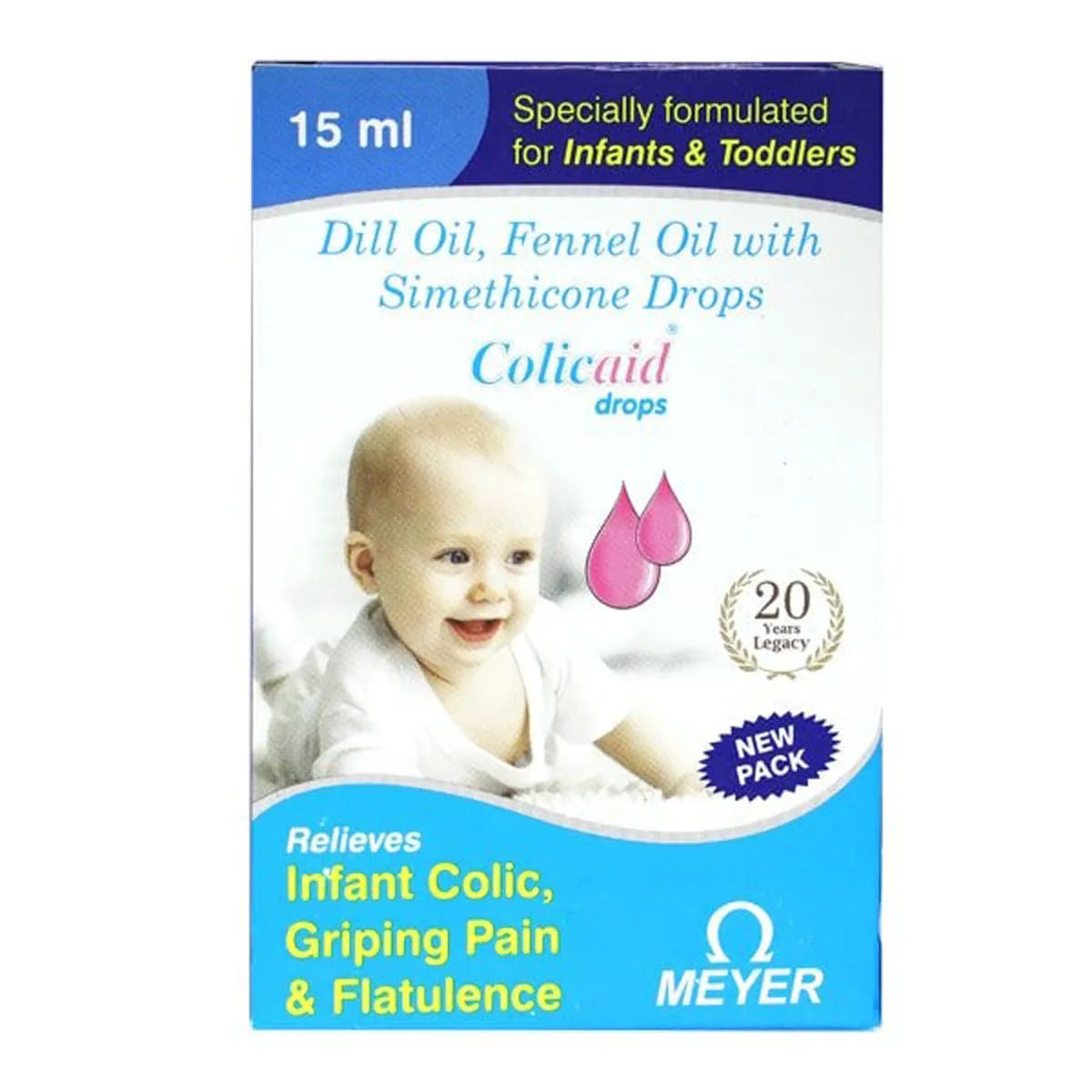
Colicaid Simethicone Drops for Babies
- ✓ Simethicone 20 mg per 0.5 mL
- ✓ Non-absorbed, non-systemic anti-foam
- ✓ Safe from 1 month onwards
* We earn a small commission — at no extra cost to you.
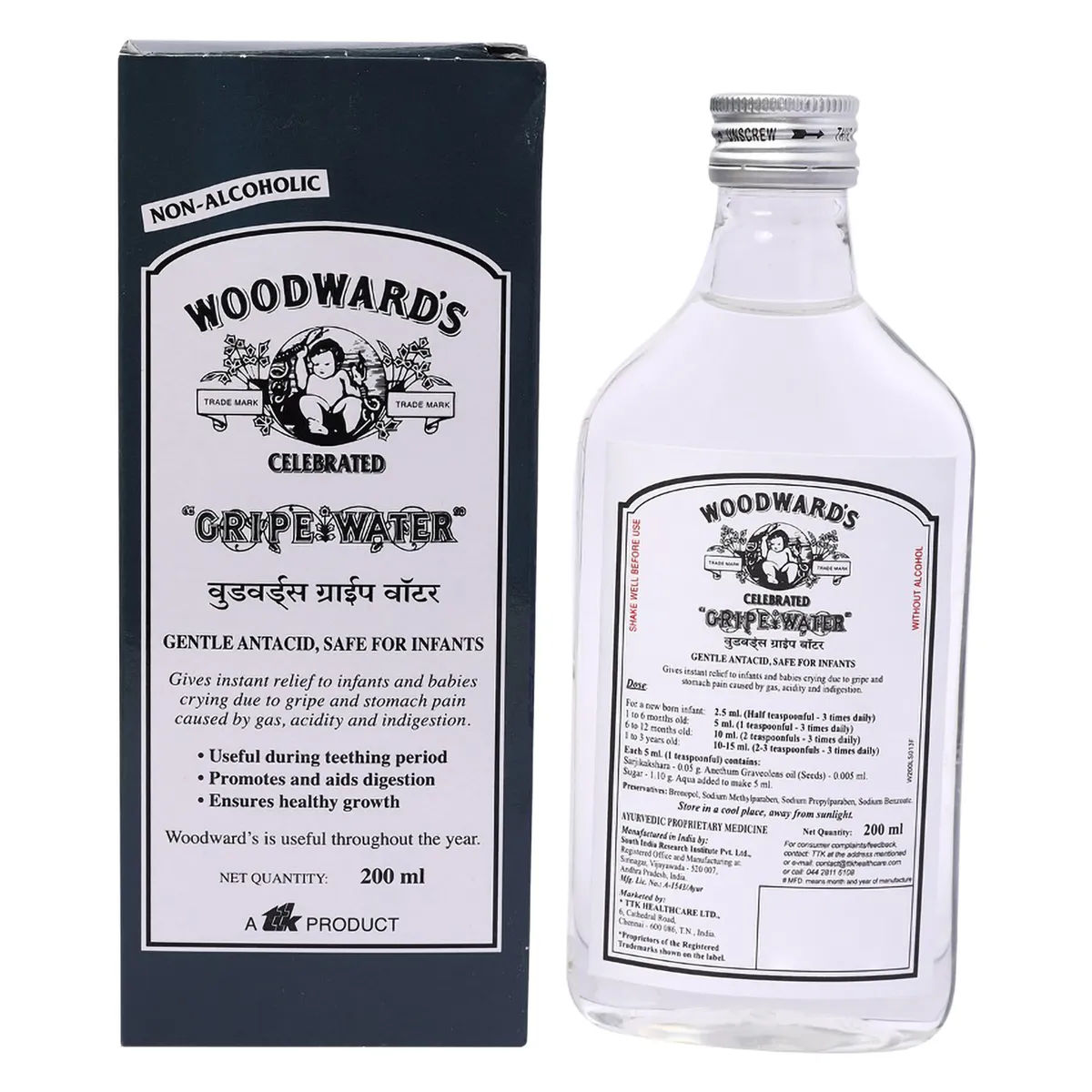
Woodward's Gripe Water 150 mL
- ✓ Sodium bicarbonate + dill seed oil active ingredients
- ✓ Traditional formulation since 1842
- ✓ Avoid under 1 month (IAP guidance)
* We earn a small commission — at no extra cost to you.
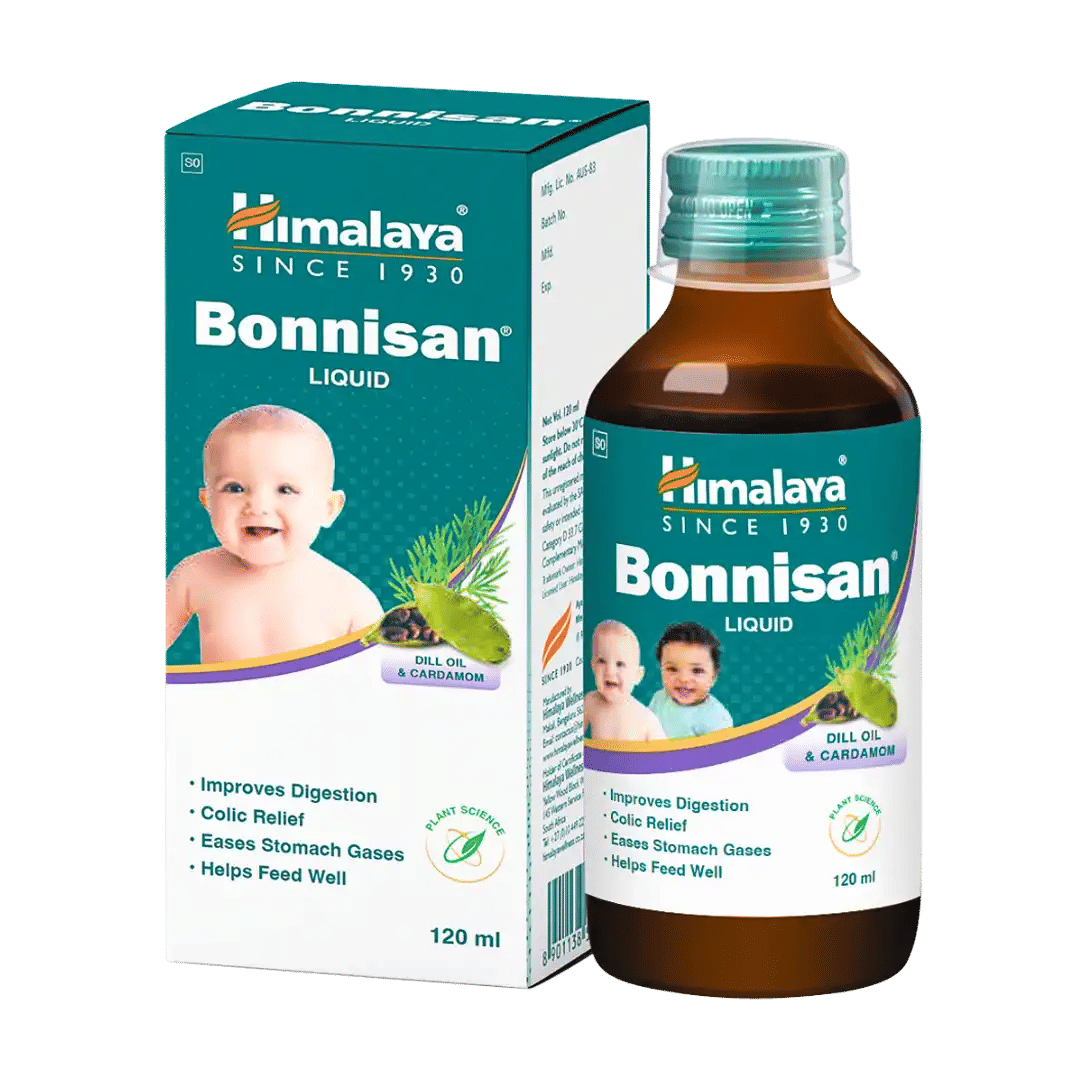
Himalaya Bonnisan Liquid (200 mL)
- ✓ Fennel, dill, and ginger extracts
- ✓ Contains 5% alcohol as preservative
- ✓ Avoid under 3 months due to alcohol content
* We earn a small commission — at no extra cost to you.