
Is Gripe Water Safe for Babies in India? IAP Guidelines vs Popular Brands (2026)
Gripe water is generally considered safe for babies over 1 month old in India, but IAP (Indian Academy of Pediatrics) recommends exclusive breastfeeding as the first line for colic-not gripe water. Most Indian brands like Woodward's, Bonnisan, and Himalaya are now alcohol-free, but the evidence that gripe water actually reduces colic is weak. For babies under 1 month, skip gripe water entirely and consult your paediatrician.
If your baby is crying inconsolably at 2 AM and you're googling "gripe water safe baby India," you're not alone. In Delhi, Mumbai, Bengaluru, and smaller cities across tier 1, 2, and 3 regions, gripe water remains one of the first remedies parents reach for. But what does the evidence actually say? Let me walk you through the confusion-ingredient by ingredient, brand by brand-so you can make a real decision, not just follow what your mother-in-law did.
Gripe water: a liquid herbal or medicinal mixture marketed to reduce infant colic, bloating, and gas-typically given from 1-2 months onwards, though formulations and recommendations vary widely across brands.
The Real Safety Story: What IAP Guidelines Actually Say
The Indian Academy of Pediatrics doesn't outright ban gripe water. What they actually recommend is this: exclusive breastfeeding for the first 6 months is the gold standard for colic management. If that doesn't work, the first step is reassuring the parent and ruling out underlying issues like gastroesophageal reflux disease (GERD), lactose intolerance, or infection.
According to IAP 2023-2024 colic management guidelines, herbal remedies like gripe water may be considered a second-line option after reassurance and dietary adjustments. Critically, IAP emphasizes that no single remedy "cures" colic-most infants outgrow colic by 4-5 months regardless of treatment.
Here's what matters: if you choose to use gripe water, it should be alcohol-free (all major Indian brands now list this) and given only after 1 month of age. Newborns under 30 days should never receive gripe water or any medicine except under direct paediatrician guidance.
Ingredient Breakdown: Woodward's vs Bonnisan vs Himalaya
Let me cut through the marketing claims and look at what each brand actually lists on their Amazon.in product pages and labels.
| Brand | Key Ingredients (as listed) | Alcohol | Sodium Bicarbonate | Price (Amazon.in 2026) |
|---|---|---|---|---|
| Woodward's Gripe Water | Dill seed, fennel, sodium bicarbonate, ginger | Alcohol-free | Yes, listed | Rs. 199-249 |
| Bonnisan Drops | Ajwain, ginger, caraway, cinnamon, mint | Alcohol-free | No sodium bicarbonate | Rs. 119-159 |
| Himalaya Gasex Syrup | Ajwain, ginger, caraway, mint, fennel | Alcohol-free | No sodium bicarbonate | Rs. 149-199 |
Sodium bicarbonate: a mild alkali used in Woodward's to neutralize stomach acid-generally considered safe in the small doses found in gripe water, but some parents with reflux-prone babies prefer to avoid it. Neither Bonnisan nor Himalaya list sodium bicarbonate, which is why some paediatricians recommend them as an alternative if your baby has GERD symptoms.
All three brands are now alcohol-free (a huge shift from 10-15 years ago when Woodward's contained alcohol). This matters because alcohol in infants can affect liver function and is contraindicated in babies under 2 years.
The herbal ingredients-dill, ajwain (carom seeds), ginger, fennel-have been used in Indian households for generations. There's limited clinical evidence that they reduce colic, but they're not harmful in the quantities provided. According to a 2022 analysis published by IAP, anecdotal improvement in some babies may reflect natural colic resolution rather than the remedy itself.
Age Limits and Dosage: What Paediatricians Actually Recommend
Here's the checklist most paediatricians in India follow:
- 0-30 days: No gripe water. Full stop. Call your doctor if your baby is crying excessively.
- 1-3 months: Gripe water may be offered if colic is confirmed (inconsolable crying for 3+ hours, at least 3 days per week), but breastfeeding support and reassurance come first.
- Dosage: Most brands recommend 1-2 teaspoons (5-10 mL) after feeds, 2-3 times daily. Never exceed the bottle's stated dosage.
- Duration: Use for 2-4 weeks maximum. If no improvement by week 4, stop and revisit your paediatrician-colic usually resolves by 4-5 months anyway.
- Stop by 6 months: Once solids are introduced and colic naturally diminishes, gripe water is no longer needed.
The key mistake most parents make: giving gripe water at random times instead of after feeds, or continuing it for months. Neither helps. Your paediatrician should confirm that excessive crying is actually colic (not reflux, infection, or food intolerance) before you spend money on gripe water.
Gripe Water vs Ajwain Water: When to Use What
This is where home remedies compete with commercial products. Many Indian parents swear by ajwain (carom seed) water-boiled ajwain seeds strained and cooled, given in small amounts. It's cheaper (ajwain costs Rs. 50-100 per kilogram) and has the same active ingredients as Bonnisan or Himalaya.
Ajwain water vs commercial gripe water: there's no clinical difference. Ajwain contains the same carminative compounds. The advantage of commercial brands is standardized dosing; the advantage of ajwain water is cost and knowing exactly what you're using (no added preservatives). If you go the ajwain route, boil water with ajwain, let it cool completely, and give only a few milliliters after feeds.
Colic drops (like Colic Relief or Mylicon) contain simethicone, which works differently-it breaks gas bubbles mechanically rather than using herbs. IAP recognizes simethicone as an alternative, though evidence is mixed. If your baby has gas-related distress, some paediatricians prefer drops; for general colic, gripe water or ajwain water is equally valid.
What Paediatricians Say
IAP Position (2024): Gripe water is a low-risk supportive option for infants over 1 month with colic, but should never replace breastfeeding assessment or paediatrician evaluation. Always rule out GERD, lactose intolerance, or infection first. Most colic resolves naturally by 4-5 months.
Key recommendations: Use alcohol-free brands only. Dosage must follow the bottle. If your baby has reflux symptoms (arching, excessive spitting), inform your paediatrician before using sodium bicarbonate-containing gripe water.
Red Flags: When Gripe Water Won't Help (and You Need a Doctor)
Stop gripe water immediately and see a paediatrician if your baby shows:
- Fever (temperature >38°C) or hypothermia
- Persistent vomiting or severe spitting up
- Blood in stools or unusual discoloration
- Abdominal bloating that doesn't resolve with feeds
- Lethargy or refusal to feed
- Rash or allergic reaction (swelling, difficulty breathing)
These signs suggest infection, reflux, or food intolerance-not simple colic. Gripe water will mask symptoms and delay diagnosis.
The bottom line for 2026: gripe water is safe for babies over 1 month when used correctly, but it's not a cure. Woodward's, Bonnisan, and Himalaya are all reasonable choices-pick based on ingredient preference (sodium bicarbonate yes/no) and price. But focus first on breastfeeding technique, burping, and ruled-out medical causes. If your baby is still crying at week 4, it's time to see your paediatrician, not buy another bottle.
Our Top Picks
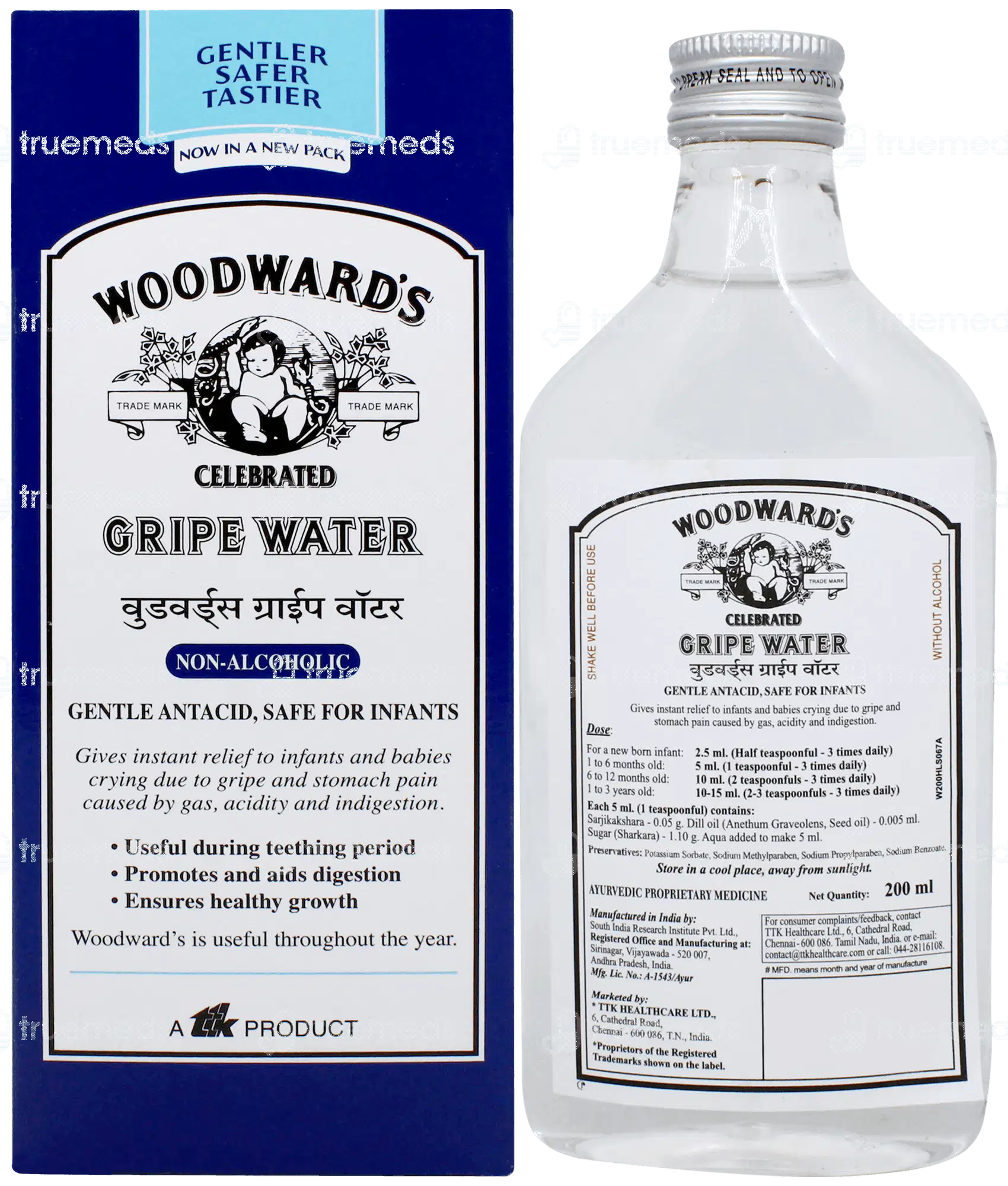
Woodward's Gripe Water 120ml
- ✓ Alcohol-free formula
- ✓ Contains sodium bicarbonate and dill seed
- ✓ Suitable from 1 month onwards
* We earn a small commission — at no extra cost to you.
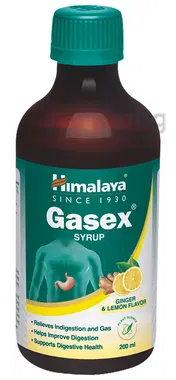
Himalaya Gasex Syrup 200ml
- ✓ Herbal formula without sodium bicarbonate
- ✓ Contains ajwain, ginger, and caraway
- ✓ Alcohol-free and sugar-free option
* We earn a small commission — at no extra cost to you.
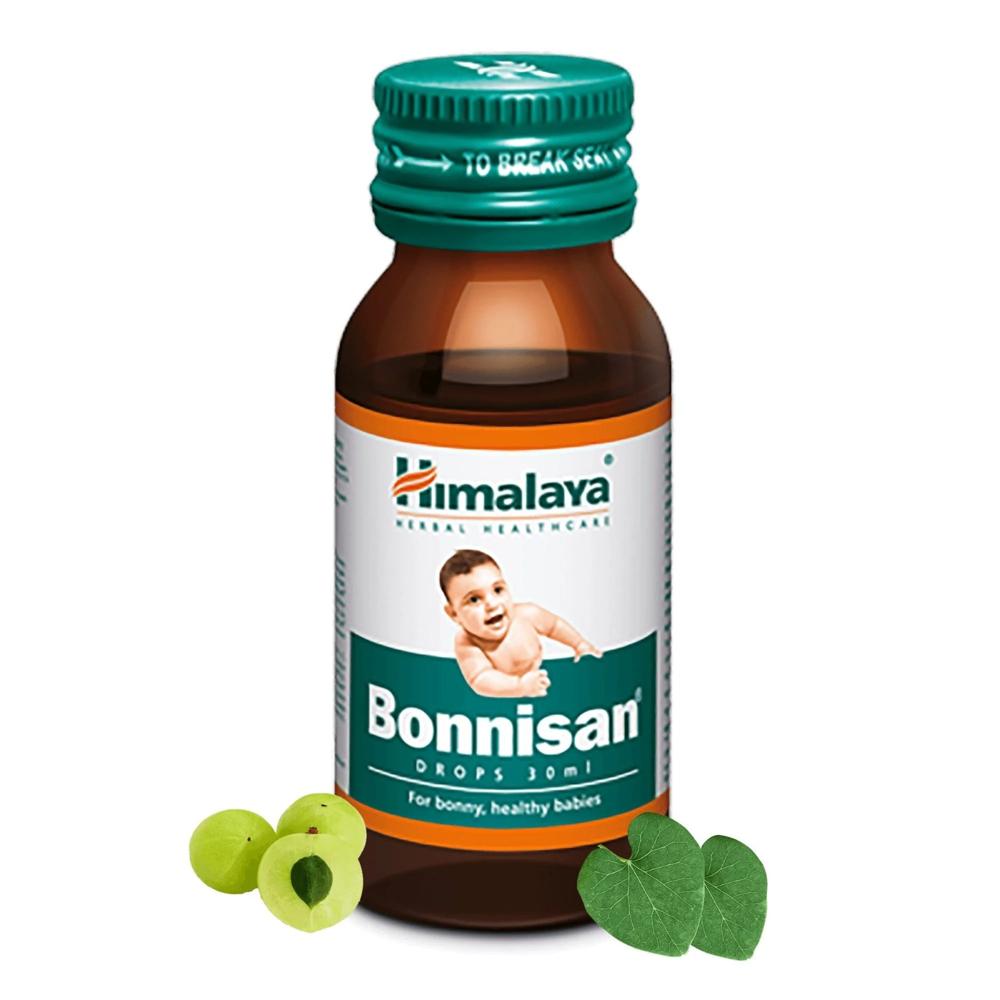
Bonnisan Drops 30ml
- ✓ Herbal liquid without sodium bicarbonate
- ✓ Alcohol-free formulation
- ✓ Contains ajwain, ginger, caraway, cinnamon
* We earn a small commission — at no extra cost to you.
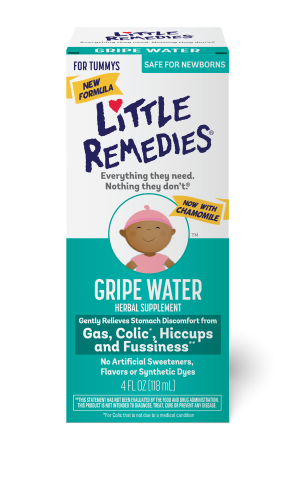
Little Remedies Gripe Water 120ml (alcohol-free)
- ✓ International brand, alcohol-free
- ✓ Ginger and fennel-based formula
- ✓ No sodium bicarbonate
* We earn a small commission — at no extra cost to you.
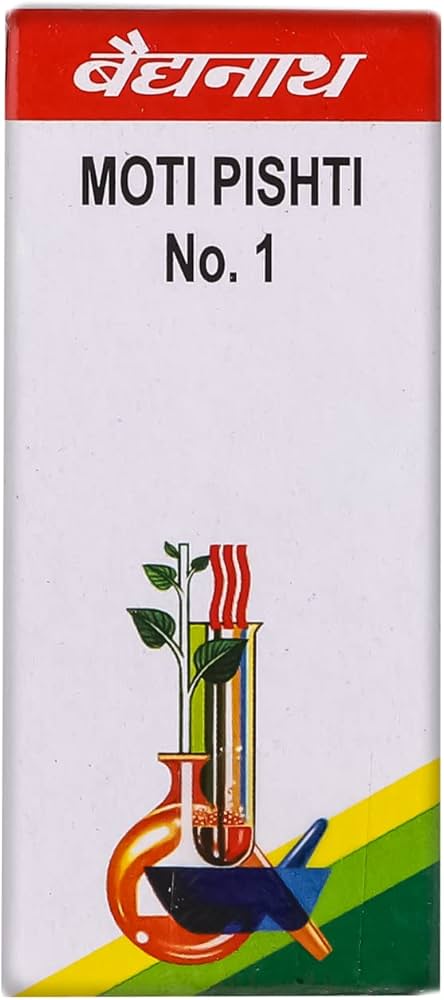
Baidyanath Jawarahir Moti Pisti (Ayurvedic)
- ✓ Ayurvedic pearl-based formula
- ✓ Traditional cooling and digestive support
- ✓ Suitable for colic and digestive complaints
* We earn a small commission — at no extra cost to you.