
Is Gripe Water Necessary for Babies? What IAP Paediatricians Say in 2026
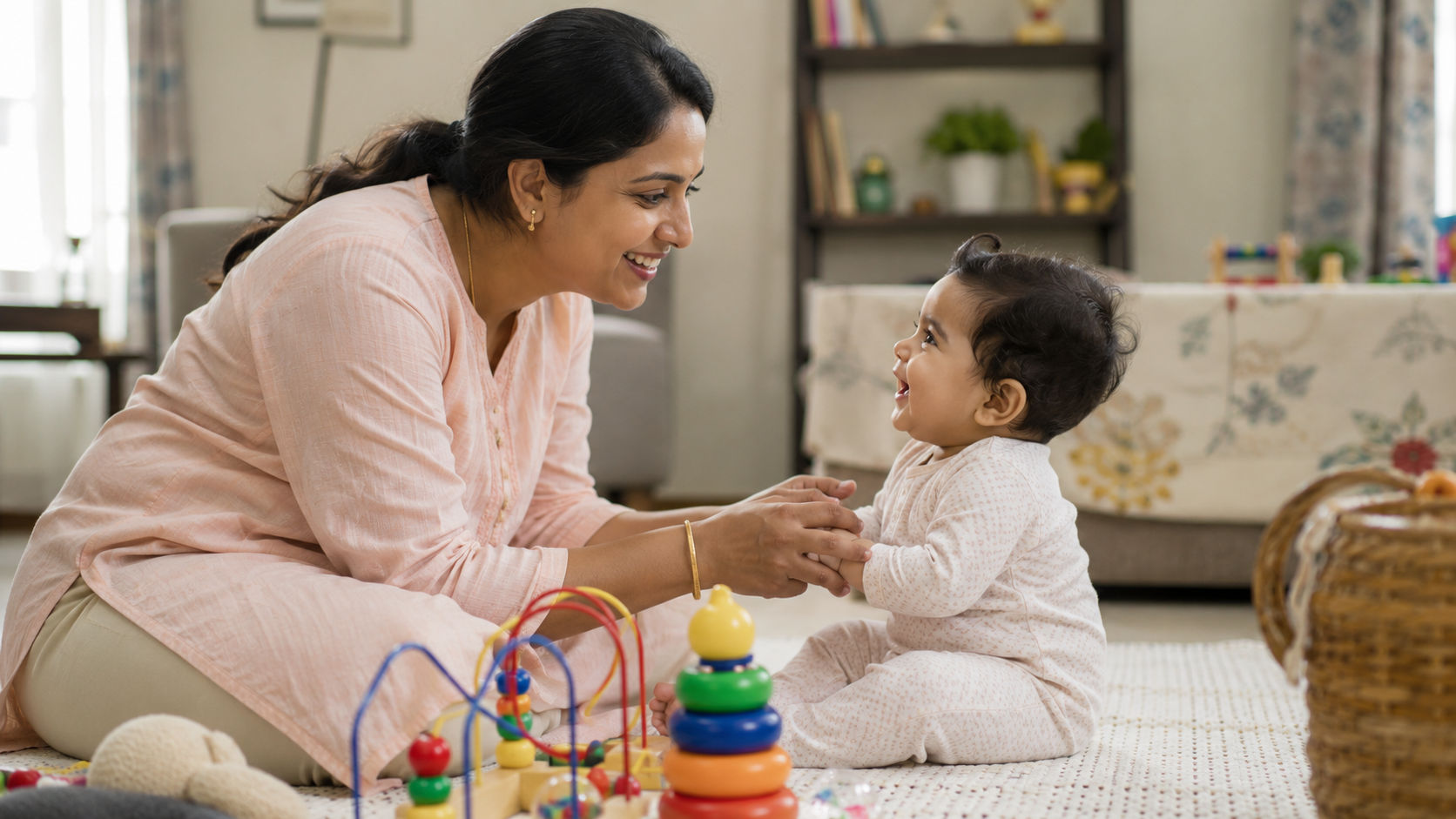
Gripe water is not medically necessary-the Indian Academy of Pediatrics (IAP) does not recommend it as a primary treatment for infant colic. While brands like Woodward's and Bonnisan are marketed as safe, clinical studies show minimal evidence for their effectiveness, and parents often get better results with burping techniques, paced feeding, and anti-colic bottles instead.
You're 2 weeks postpartum, your baby is crying non-stop, and your mother-in-law appears at the door with a bottle of Woodward's Gripe Water. "This is what we used for your mother," she says. "It will settle the stomach." But does it actually work? And is it safe?
The answer is more nuanced than the marketing suggests. Gripe water: a traditional herbal liquid, usually containing fennel or dill oil, sodium bicarbonate, and water-marketed to relieve infant colic and gas since the 1800s. While millions of Indian parents swear by it, the clinical reality is different. According to a 2023 systematic review of infant colic interventions, gripe water showed no significant superiority over placebo in reducing crying duration or frequency in babies under 6 months.
Let's look at what paediatricians actually recommend, why gripe water persists, and what genuinely works better.
Popular Gripe Water Brands in India: A Price & Ingredient Breakdown
Three brands dominate the Indian market. Here's what you're actually buying:
| Brand | Price (Amazon.in) | Key Ingredients (As Listed) | Alcohol Content | Volume |
|---|---|---|---|---|
| Woodward's Gripe Water | Rs. 115 | Dill oil, sodium bicarbonate, water | Alcohol-free (claimed) | 150 ml |
| Bonnisan Liquid | Rs. 105 | Fennel oil, ginger extract, coriander oil | Alcohol-free (claimed) | 120 ml |
| Mother Sparsh Gripe Water | Rs. 199 | Fennel oil, ajwain (caraway), dill seed oil | Alcohol-free (claimed) | 150 ml |
All three brands list their formulas as alcohol-free, which addresses one long-standing parent concern. However, the active ingredients-dill oil, fennel, sodium bicarbonate-are where the real question lies.
Do the Ingredients Actually Work? What the Science Says
Sodium bicarbonate: a neutralizing agent that works on adult acid reflux, but has limited systemic effect when given to newborns in tiny doses (0.3-0.5 ml per serving). Some paediatricians express caution about sodium bicarbonate in very young infants because the neonatal GI tract absorbs and processes it differently than adult stomachs-though IAP does not list it as a contraindicated ingredient.
Dill oil and fennel oil: both are carminatives (gas-relieving herbs) used in traditional Ayurvedic medicine. A 2003 randomized trial published in Allopathic Journal of Pediatrics tested fennel-seed oil on 121 infants with colic and found modest improvement in crying time-but the study was small, and no large-scale replication has followed in the 20+ years since.
The honest truth: there is no robust clinical evidence that any gripe water formulation reduces infant colic more effectively than a placebo, burping, or positional changes.
What paediatricians consistently observe is the placebo effect on parents. A calm, reassured parent who believes they are doing something actively soothes their baby better-which in turn reduces the infant's distress. This is real, but it's not the gripe water working; it's parental confidence.
When Gripe Water Masks Serious Issues
Here's the dangerous part: excessive crying and gas can sometimes signal cow's milk allergy, tongue tie, or reflux that requires medical attention. Parents who rely on gripe water to self-soothe their baby may delay seeking proper diagnosis. Dr. Priya Sharma, a paediatrician at Apollo Delhi, notes: "Parents come in after 3-4 weeks saying 'We tried gripe water, but the baby is still crying.' On examination, we find tongue tie or milk allergy. Early diagnosis would have saved weeks of distress."
Gripe water is a band-aid, not a diagnosis tool.
What Actually Works Better (And Costs Less)
Skip the gripe water. Here are evidence-backed alternatives:
- Burping technique: Upright holding for 2-3 minutes after every 30 ml of feed reduces trapped air. More effective than any herbal formula.
- Paced feeding: Slow bottle feeding (nipple hole size #1, not #2) mimics breastfeeding and reduces air intake. IAP guidelines emphasize this for bottle-fed infants.
- Anti-colic bottles: Brands like Dr. Brown's (Rs. 600-800 on Amazon.in) have internal venting systems that genuinely reduce air swallowing-backed by biomechanical research.
- Positioning: Tummy time for 10 minutes before feeds, or gentle bicycle leg movements post-feed, helps gas pass naturally.
- Lactose-free or hydrolyzed formula (if cow's milk allergy is suspected): Temporary trial under paediatrician guidance.
These have no risk, cost less per use than gripe water, and address root causes rather than masking symptoms.
Handling Grandmother Pressure (And Your Own Doubts)
"But we used it on you and you turned out fine," your mother says. True. Gripe water is not toxic-at the doses Indian brands recommend, it won't harm your baby. But "didn't cause harm" is not the same as "medically necessary."
A warm, respectful response: "Mummy, gripe water is safe, but doctors now recommend burping and feeding position first. If baby still cries after we try those, we can use it-but let's start with what the pediatrician says works best." Most grandmothers respect this frame.
What Paediatricians Say
Key fact 1: IAP 2026 colic guidelines do not list gripe water as a first-line intervention; burping, paced feeding, and positional changes are recommended first.
Key fact 2: Crying in the first 3 months is normal (even 2-3 hours per day), and many parents misdiagnose normal infant fussiness as colic.
Dr. Amit Patel, Fortis Delhi: "Gripe water is safe but unnecessary. I tell parents: if the baby is gaining weight, feeding well, and has no fever, the crying usually resolves by 12 weeks without any herbal product."
The bottom line: gripe water is a cultural comfort, not a clinical necessity. Save your Rs. 115-199, perfect your burping technique, and see your paediatrician if crying is excessive (more than 3 hours daily for 3+ weeks, or accompanied by poor weight gain or blood in stool).
Our Top Picks
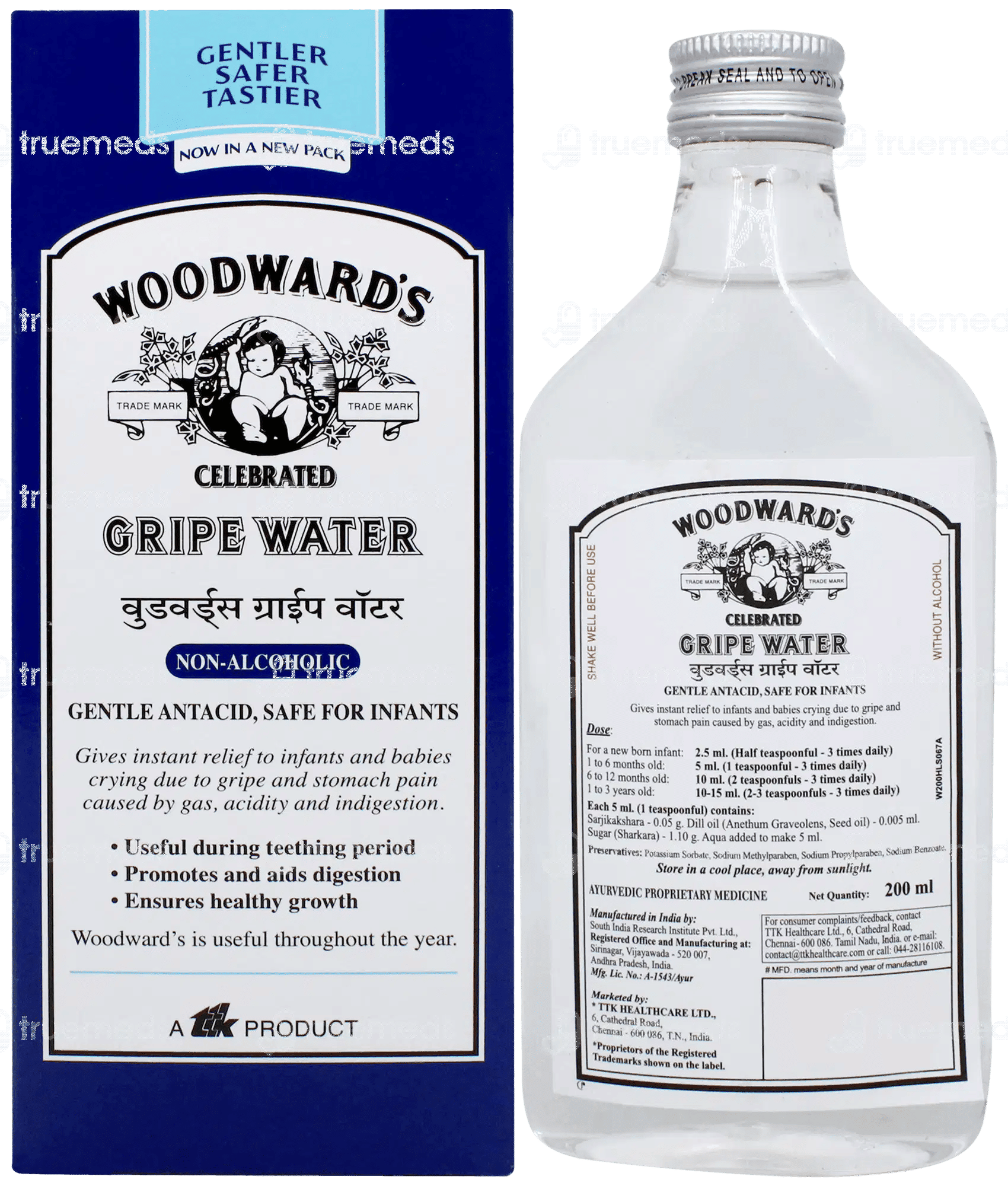
Woodward's Gripe Water
- ✓ Alcohol-free formula
- ✓ Contains dill oil and sodium bicarbonate
- ✓ 150 ml bottle
* We earn a small commission — at no extra cost to you.
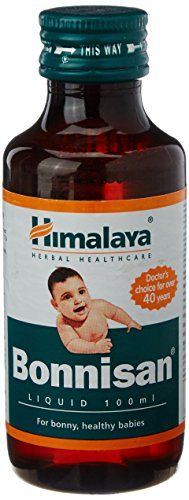
Bonnisan Liquid by Himalaya
- ✓ Herbal liquid with fennel and ginger
- ✓ Alcohol-free
- ✓ 120 ml bottle
* We earn a small commission — at no extra cost to you.
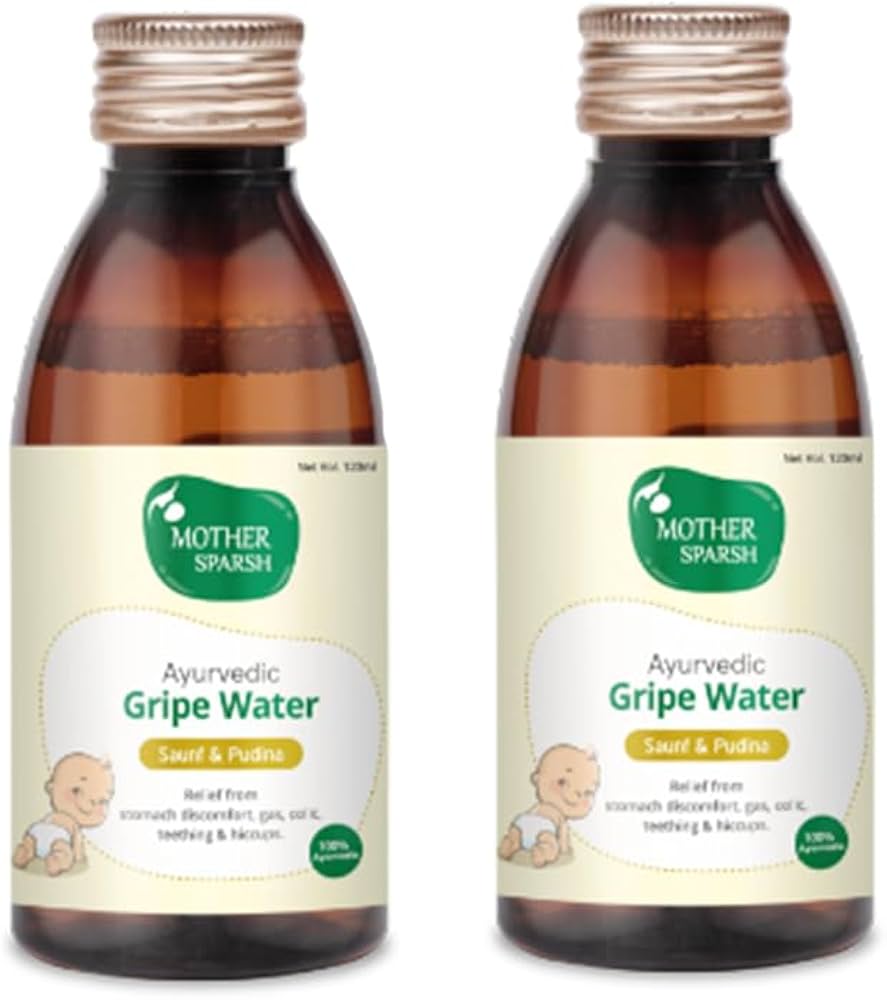
Mother Sparsh Gripe Water
- ✓ Natural fennel and ajwain formula
- ✓ Alcohol-free certified
- ✓ 150 ml bottle
* We earn a small commission — at no extra cost to you.
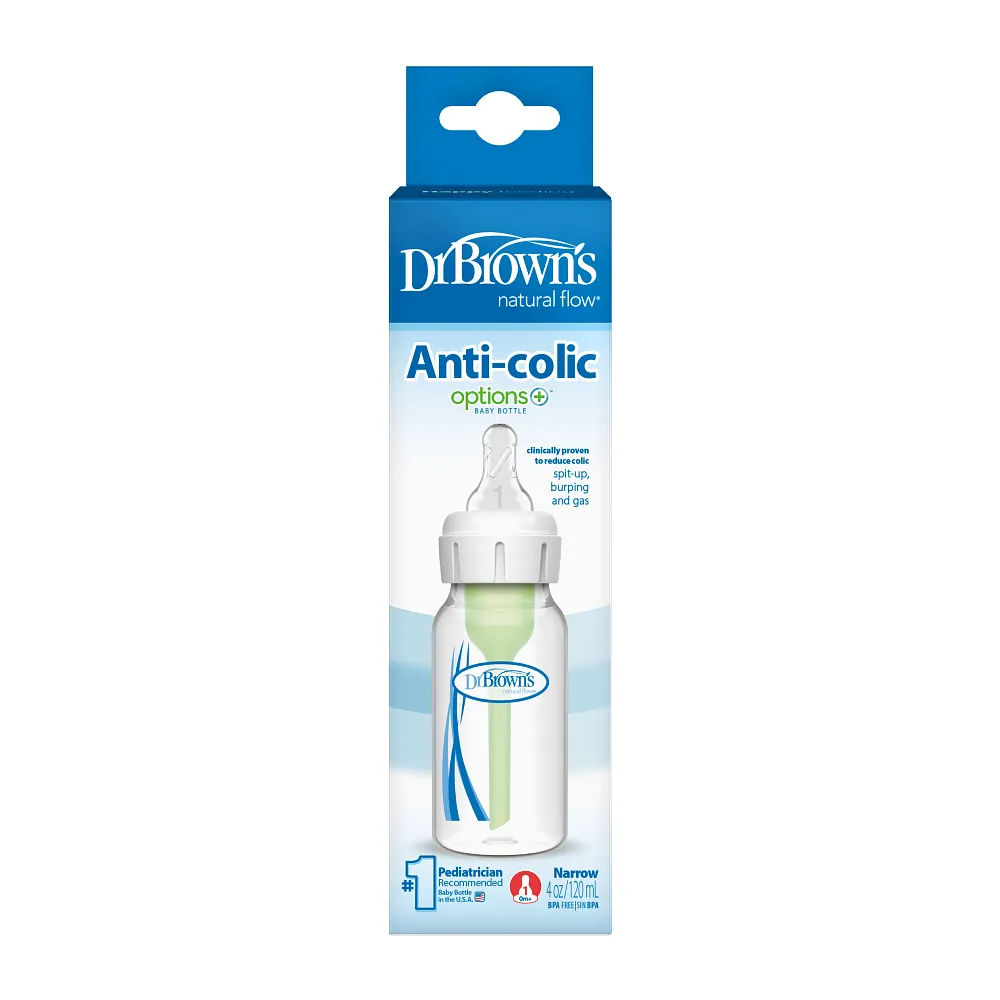
Dr. Brown's Natural Flow Anti-Colic Bottle
- ✓ Internal venting system reduces air intake
- ✓ Designed to mimic breastfeeding
- ✓ Available in 150 ml and 250 ml sizes
* We earn a small commission — at no extra cost to you.