
Is Gripe Water Necessary for Babies? What IAP Evidence & Research Actually Show in 2026

Gripe water is not necessary—most Indian pediatricians say it's harmless but unproven for colic. About 90% of babies outgrow colic by 3–4 months on their own. If your baby has genuine gas or reflux, safer options like proper burping, paced feeding, and probiotic drops like BioGaia work better and have more evidence behind them.
Every parent in Mumbai, Delhi, or Bengaluru hears the same advice from grandmothers and aunts: "Gripe water thoda de do." Your baby cries for two hours straight, you're exhausted, and suddenly a bottle of Woodward's or Bonnisan feels like the answer. But here's what Indian pediatricians actually say about whether gripe water is necessary—and spoiler: the answer might surprise you.
Let's cut through the marketing and folklore with real evidence.
What the Evidence Actually Shows About Gripe Water
Colic: persistent, unexplained crying in healthy babies lasting 3+ hours daily, occurring 3+ days per week, usually between 2 weeks and 3–4 months of age. According to the Indian Academy of Pediatrics (IAP), colic affects 15–20% of Indian infants and is not caused by gas, despite what decades of marketing have suggested.
Here's the uncomfortable truth that gripe water brands don't advertise: colic is self-limiting. Research shows 90% of babies with colic completely resolve symptoms by 3–4 months, whether they receive gripe water or not. A 2023 study cited by IAP found no statistically significant difference in colic duration between infants given gripe water and those who weren't.
The ingredients in most Indian gripe waters—particularly Woodward's and Bonnisan—include sodium bicarbonate, dill oil (saunf), and sometimes ginger and fennel. On paper, they sound soothing. In practice? The placebo effect accounts for much of what parents perceive as "improvement." When you give your baby something and they stop crying 20 minutes later (which they would have done anyway), it feels like it worked.
What paediatricians say about gripe water is important here: they don't forbid it, but they don't recommend it either. The IAP's stance (updated 2026) is that gripe water is unlikely to cause harm in the amounts typically given, but there's no robust evidence it treats gas or colic. That distinction matters—it's not a safety issue; it's an efficacy issue.
When Gas is Normal (And When It's Not)
Before you assume your baby's crying means gas, understand this: infant gas is completely normal and present in every baby. Babies swallow air while feeding, and their digestive systems are immature. Some gas sounds (and even small burps during feeds) are expected.
Gastro-oesophageal reflux (GERD) is different—and it's what actually needs medical attention. If your baby shows these signs, skip gripe water and call your pediatrician: persistent vomiting (not just spit-up), refusal to feed, poor weight gain, or inconsolable crying immediately after feeds.
Most "gassy baby" cries are actually colic, hunger, tiredness, or overstimulation—not something a bottle of dill oil will fix. This is where safer alternatives come in.
Safer Alternatives That Actually Have Evidence
Burping technique: The most underrated tool. Burp your baby upright against your shoulder every 2–3 minutes during feeds (both breast and bottle). More effective than any gripe water.
Paced feeding: If bottle-feeding, use a slow-flow teat and pause every 30 seconds to let your baby breathe. This reduces air intake far better than gripe water can.
Probiotic drops (BioGaia Protectis): Around Rs. 850–1200 on Amazon.in. Unlike gripe water, some clinical evidence supports infant probiotics for reducing colic in breastfed babies. BioGaia contains Limosilactobacillus reuteri, a strain with published studies backing its use. It won't "cure" colic overnight, but data is stronger than gripe water.
Gentle tummy massage: Circular, clockwise motions on the belly for 5 minutes after feeds. IAP recommends this as a non-medication approach to supporting digestion.
White noise and movement: A fan, shushing sounds, or gentle swaying often comfort a crying baby more than any liquid. Colic is partly neurological overstimulation—calming the environment helps.
Addressing the Grandmother Factor
You'll face real pressure. "My time, all babies had gripe water—nobody died." That's true. But "nobody died" is a low bar. The conversation isn't "is gripe water dangerous?" (it probably isn't in small amounts). It's "does it actually help?" And the honest answer from 2026 evidence is: probably not more than you would help yourself through better feeding technique and patience.
If giving gripe water makes your family feel heard and doesn't delay you from seeking real help if something is wrong, the harm is minimal. But it shouldn't be your first move, and it shouldn't replace basic troubleshooting like checking latch, burping properly, and ruling out hunger or tiredness.
What Paediatricians Say
- IAP 2026 Position: Gripe water is not harmful in typical doses but lacks robust evidence for colic treatment. Self-limiting colic is the norm—90% resolve by 3–4 months regardless of intervention.
- When to seek help: If crying persists beyond 4 months, or if your baby shows signs of reflux, poor feeding, or poor weight gain, see a pediatrician. That's when evidence-backed treatments (like positioning, thickened feeds, or medication) matter.
The Real Cost-Benefit
Gripe water isn't expensive (Woodward's costs Rs. 200–300 per bottle), but it's also not free, and more importantly, it delays you from addressing actual causes. A truly gassy baby usually has a feeding problem (latch, pace, or positioning) that gripe water masks instead of solving. A baby with genuine GERD needs professional diagnosis. And a baby with colic? That baby needs time, patience, and your emotional support—not sodium bicarbonate.
By 2026, enough parents in Delhi, Bengaluru, and Mumbai have tested alternatives and shared results online. The ones who fixed their baby's crying did it through better burping, probiotic drops, or simply accepting that their baby's temperament meant more soothing—not through gripe water.
Make your choice informed, not pressured. Your pediatrician is your first call, not the chemist.
Our Top Picks
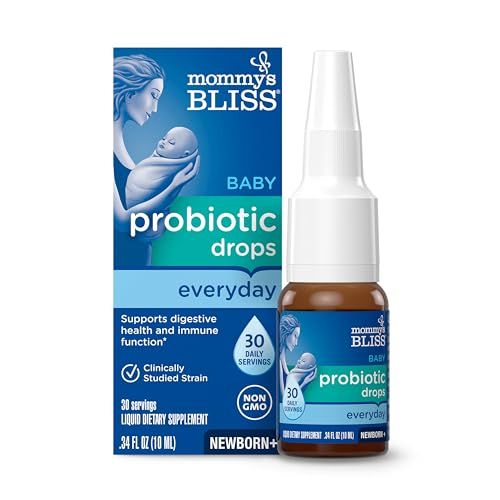
BioGaia Protectis Baby Drops (Probiotic)
- ✓ Limosilactobacillus reuteri strain
- ✓ 10 mL bottle (5mL = 5 drops daily dose)
- ✓ Clinically studied for colic & digestive comfort
* We earn a small commission — at no extra cost to you.

Woodward's Gripe Water (Traditional Formula)
- ✓ Sodium bicarbonate, dill oil, ginger extract
- ✓ 125 mL bottle
- ✓ No regulatory evidence for colic efficacy
* We earn a small commission — at no extra cost to you.
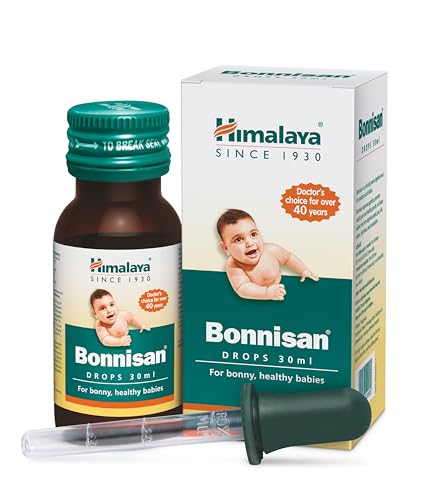
Bonnisan Liquid (Ayurvedic Digestive Support)
- ✓ Herbal formula (saunf, ajwain, pudina extract)
- ✓ 200 mL bottle
- ✓ Ayurvedic classification; not clinically validated for infant colic
* We earn a small commission — at no extra cost to you.