
Is Gripe Water Necessary for Babies in India? What Paediatricians Actually Say in 2026
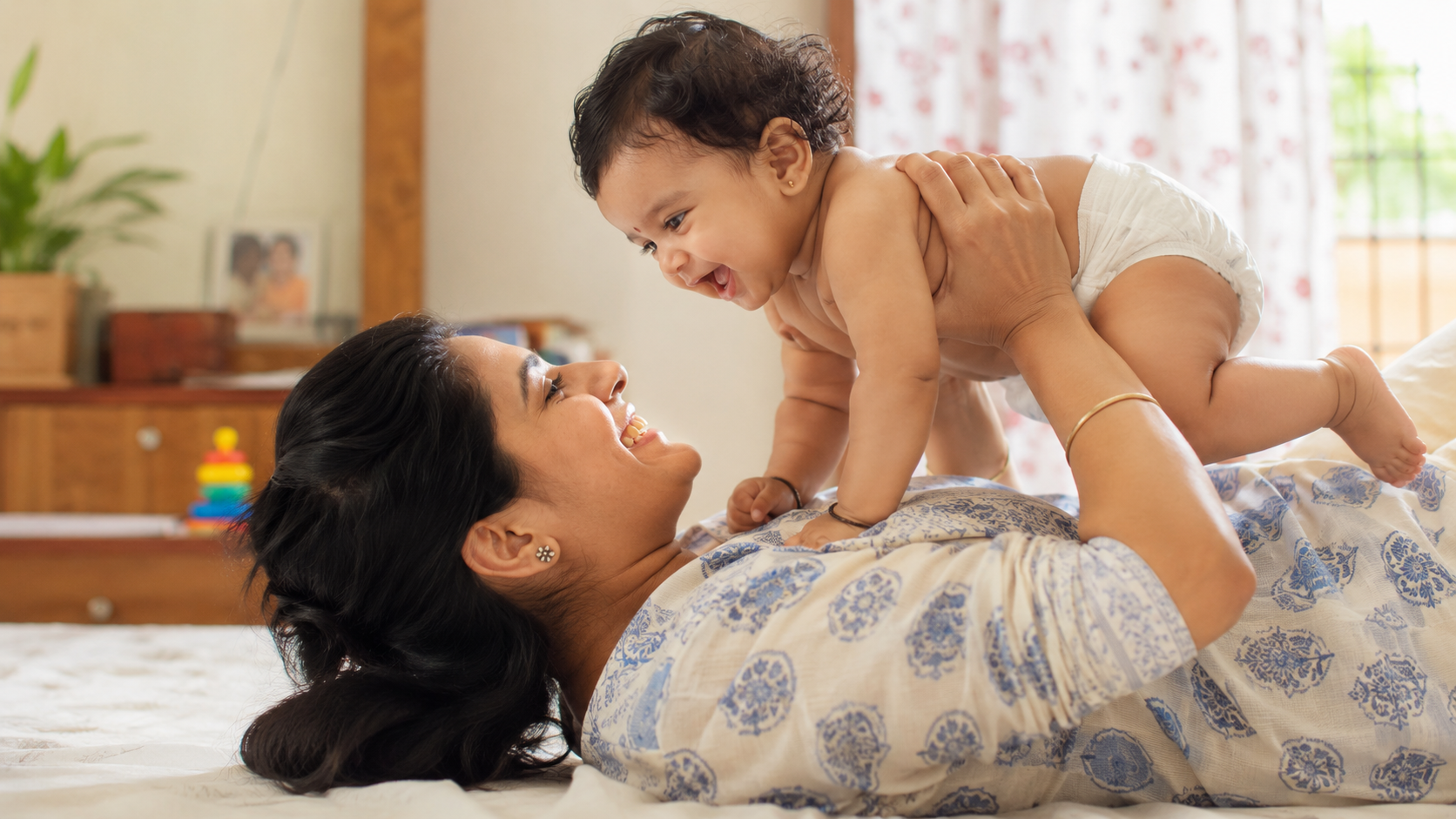
No, gripe water is not necessary for babies. The Indian Academy of Pediatrics (IAP) does not recommend it as a colic treatment because clinical evidence shows it has no proven efficacy beyond placebo effect. Most brands contain alcohol or sodium bicarbonate, which raise safety concerns—burping techniques, anti-colic bottles, and tummy time are evidence-backed alternatives.
If you're a parent in Delhi, Bangalore, or Mumbai and your baby cries inconsolably after feeds, you've probably heard well-meaning relatives suggest gripe water. It sits in pharmacy shelves across India in familiar glass bottles—Woodward's, Bonnisan, Koleston—and the packaging promises relief from colic and gas. But here's the honest truth: your baby doesn't need it, and paediatricians increasingly agree.
This guide walks you through what the evidence actually shows, why ingredient concerns matter, and what genuinely helps a colicky baby. No marketing fluff—just what research and Indian pediatric guidelines say.
What the Evidence Actually Shows
Colic: persistent crying in healthy infants aged 2 weeks to 3 months, often after feeds, lasting 3+ hours a day without a clear medical cause—a normal developmental phase affecting 15–25% of Indian newborns.
The first thing to understand: gripe water has been sold in India for over 150 years, but clinical proof of its effectiveness hasn't kept pace with tradition. A 2023 Cochrane review (the gold standard for evidence in medicine) found no high-quality trials supporting gripe water for infant colic. Studies that do exist are small, poorly controlled, and often funded by manufacturers themselves.
The IAP (Indian Academy of Pediatrics) does not include gripe water in its 2026 colic management guidelines. Instead, paediatricians recommend ruling out medical causes first—reflux, lactose intolerance, or feeding technique issues—before assuming it's colic.
Ingredient Concerns You Should Know
Most commercial gripe water brands sold on Amazon.in list these ingredients on their labels:
- Alcohol: Some formulas (like traditional Woodward's Gripe Water) contain 9% alcohol by volume. The AAP (American Academy of Pediatrics) discourages alcohol in infant products. While a few drops occasionally is unlikely to harm a healthy baby, many paediatricians suggest avoiding it entirely when alcohol-free alternatives exist.
- Sodium bicarbonate: Listed in some brands as a digestive aid. There's no clinical evidence it reduces gas or colic in infants, and excess sodium in newborns raises concerns for those with kidney issues.
- Fennel oil and other botanicals: Marketed as digestive aids, but infant digestive systems aren't mature enough to process these oils effectively. Some parents report allergic reactions.
Bonnisan Drops, a popular Himalaya product, markets itself as alcohol-free and herbal—its label lists ingredients like Saunf (fennel), Sunthi (ginger), and Ghee. While gentler than alcohol-based formulas, there's still no clinical proof of colic relief, and ginger in infants under 6 months is debated by paediatricians.
Bottom line on ingredients: even if a brand's ingredient list is safe, the product likely won't solve colic because colic itself isn't caused by the issues gripe water claims to address.
What Actually Helps a Colicky Baby
If gripe water doesn't work, what does? Research-backed strategies that paediatricians recommend:
- Burping technique: Burp your baby during feeds (every 60–90 seconds) and for 5+ minutes after. Upright burping over your shoulder or seated burping on your lap reduces swallowed air—the real culprit in gas-related crying.
- Anti-colic bottles: Dr. Brown's Natural Flow bottles (₹450–650 on Amazon.in) have internal vent systems that reduce air intake during feeding. Studies show babies using anti-colic bottles have measurably less gas. Other options: Philips Avent Anti-Colic (₹380–520) or Mee Mee Anti-Colic (₹250–380).
- Tummy time: 5–10 minutes daily (when baby is awake and supervised) helps release trapped gas naturally. This is free and evidence-backed.
- Feeding position: If breastfeeding, ensure a deep latch—a shallow latch increases air intake. If bottle-feeding, keep the bottle angled so the nipple is always full of milk, not air.
- Gentle massage: Clockwise abdominal massage for 2–3 minutes helps move gas through the intestines. No oils needed.
These strategies cost nothing beyond anti-colic bottles (a one-time purchase), work within weeks, and don't rely on unproven ingredients.
When Is Colic Normal vs. When to See a Paediatrician?
Normal colic crying: starts after 2 weeks, peaks around 6 weeks, resolves by 3–4 months; baby is otherwise healthy, feeding well, gaining weight, and has normal stools.
Red flags requiring medical evaluation: fever, blood in stools, projectile vomiting, refusing feeds, weight loss, rash, or extreme lethargy. These suggest reflux, lactose intolerance, infection, or other conditions that need treatment—not gripe water.
Many parents in Pune, Lucknow, and Jaipur report that after ruling out reflux or feeding issues with a paediatrician, colic resolved on its own within weeks using the burping and positioning techniques above.
What Paediatricians Say
- IAP 2026 colic guidelines prioritize burping, feeding technique, and tummy time over over-the-counter remedies.
- No clinical evidence supports gripe water as a colic treatment; placebo effect accounts for perceived improvements in most cases.
The honest parent-to-parent truth: Your baby's colic will pass. Gripe water feels like action, but it's often a comforting ritual for anxious parents rather than medicine for the baby. Invest instead in an anti-colic bottle if you're bottle-feeding, perfect your burping technique, and give it time. By 4 months, you'll wonder why you ever worried.
Our Top Picks
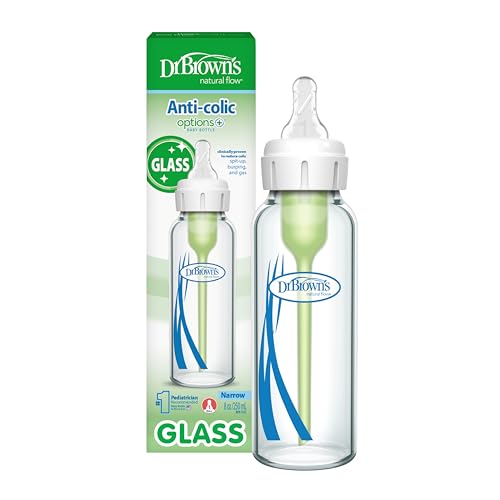
Dr. Brown's Natural Flow Anti-Colic Bottle 250ml
- ✓ Internal vent system reduces air intake
- ✓ Silicone nipple
- ✓ BPA-free polypropylene
* We earn a small commission — at no extra cost to you.
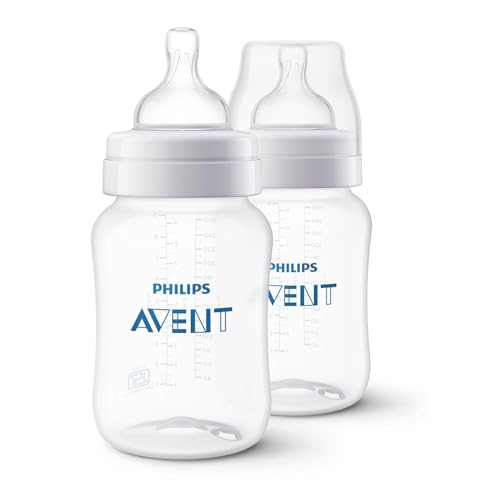
Philips Avent Anti-Colic Bottle 260ml
- ✓ Anti-colic valve reduces gas bubbles
- ✓ Easy-clean design
- ✓ Compatible with Avent sterilisers
* We earn a small commission — at no extra cost to you.
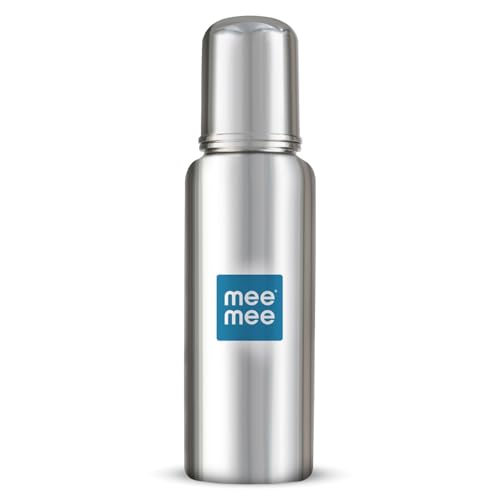
Mee Mee Anti-Colic Feeding Bottle 250ml
- ✓ Anti-colic valve system
- ✓ Soft silicone nipple
- ✓ Graduated measurement markings
* We earn a small commission — at no extra cost to you.
Woodward's Gripe Water 150ml (Traditional)
- ✓ Contains 9% alcohol
- ✓ Sodium bicarbonate formula
- ✓ 100+ year heritage brand
* We earn a small commission — at no extra cost to you.
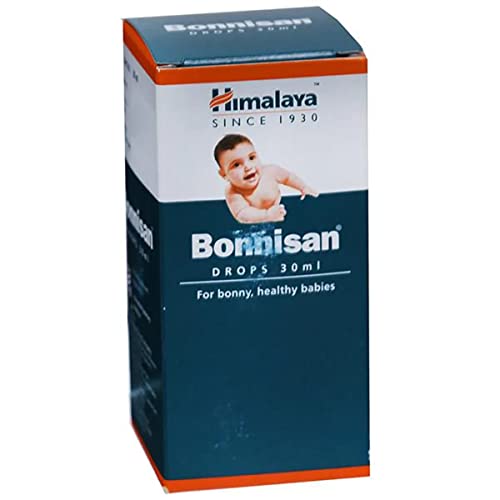
Himalaya Bonnisan Drops 30ml (Alcohol-Free)
- ✓ Alcohol-free herbal formula
- ✓ Contains fennel and ginger
- ✓ No artificial colours
* We earn a small commission — at no extra cost to you.
Koleston Gripe Water 150ml
- ✓ Alcohol and sugar-free
- ✓ Herbal blend formula
- ✓ No artificial additives
* We earn a small commission — at no extra cost to you.