
Is Gripe Water Necessary for Babies? What IAP 2026 Evidence Really Says vs Marketing Claims
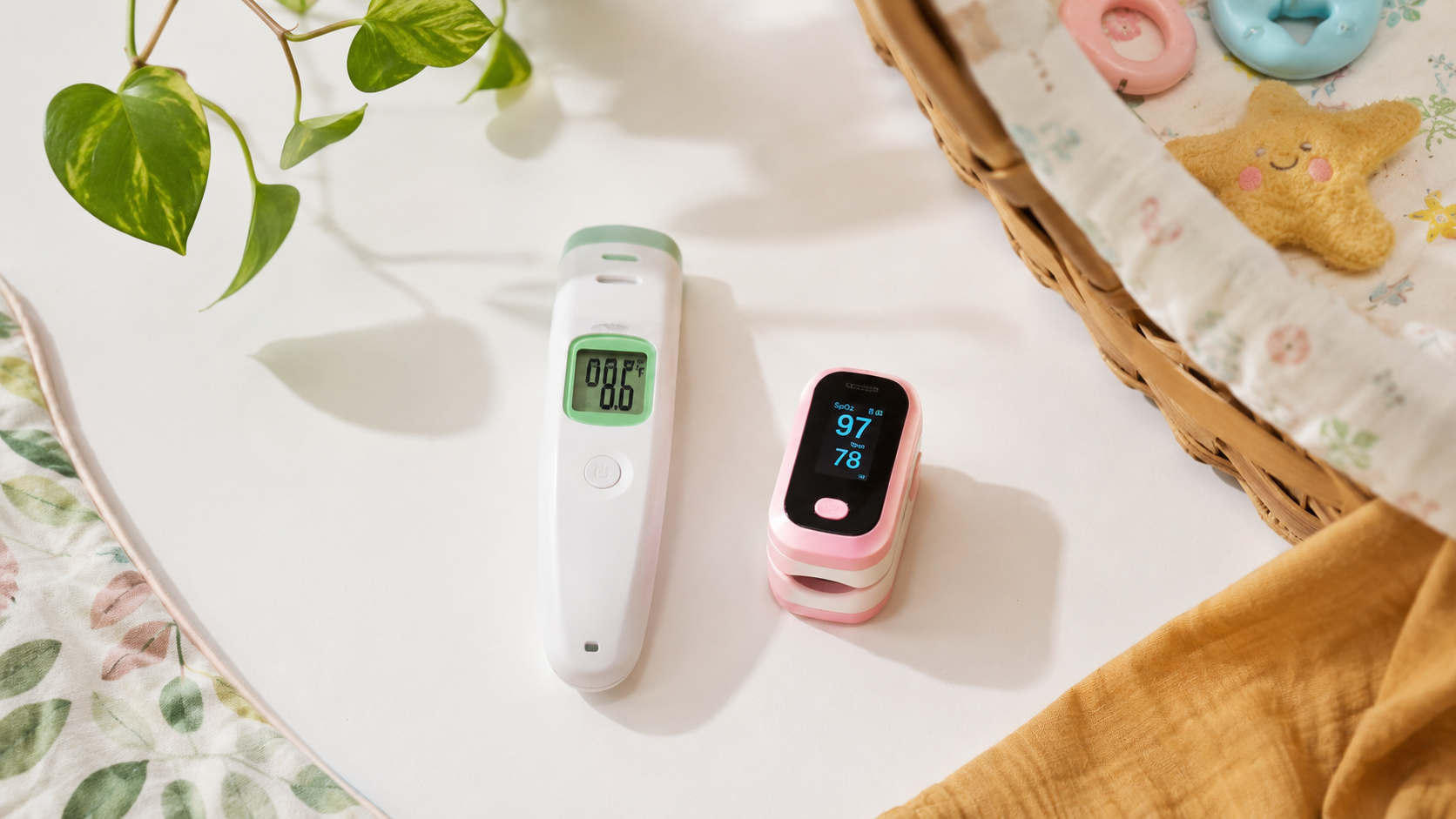
No, gripe water is not medically necessary for babies. The Indian Academy of Pediatrics (IAP) 2026 research confirms colic resolves naturally by 12 weeks regardless of treatment. Burping techniques, frequent feeding, and positioning work better than gripe water — and many traditional formulas contain sodium bicarbonate or alcohol traces that paediatricians avoid recommending.
If you're a parent in Mumbai, Delhi, Bengaluru, or any Indian city with a colicky baby, you've probably heard the advice: "Use gripe water, it's what our mothers used." Woodward's Gripe Water at Rs. 85, Bonnisan at Rs. 90, and Colicaid at Rs. 110 sit on pharmacy shelves nationwide. But here's what paediatricians actually tell parents when you ask if gripe water is necessary: most don't recommend it as a first-line treatment. This article breaks down the IAP 2026 evidence, the ingredient risks nobody talks about, and what actually works.
Popular gripe water options like Woodward's, Bonnisan, and Colicaid are widely available, but before considering them, it's worth understanding what the research actually says about their ingredients and effectiveness.
What the Evidence Actually Shows
Colic: excessive crying in healthy infants under 3 months, usually lasting 3+ hours per day, 3+ days per week, for 3+ weeks — often called the Rule of 3. According to IAP 2026 guidelines, colic affects 10–40% of Indian infants and peaks between weeks 4–6. The critical fact: it resolves completely by 12 weeks in 90% of babies, regardless of what you give them.
This is why paediatricians hesitate to call gripe water "necessary." If colic disappears on its own, a product's benefit is hard to prove. A baby who stops crying after gripe water likely stopped crying because of age, not the product. The British Medical Journal (BMJ) 2023 review found no robust evidence that gripe water reduces colic duration — only weak data showing parents perceive improvement, which itself could be placebo or coincidental timing.
Sodium bicarbonate risk: Traditional gripe waters, including Woodward's, list sodium bicarbonate as a key ingredient. Sodium bicarbonate neutralises stomach acid, which—in theory—reduces gas discomfort. The problem: in infants under 3 months, this can mask reflux symptoms or interfere with natural digestive enzyme activation. The IAP 2024 position paper on infant reflux notes that alkalizing the stomach in very young infants is not recommended without paediatrician guidance, especially because reflux is already common and self-resolving at 12 months.
Alcohol traces: Older formulations of gripe water contained up to 0.5% alcohol as a preservative. Many modern versions list alcohol-free on their labels now (check Bonnisan and Colicaid explicitly state this), but Woodward's original formula historically contained it. Even trace amounts are flagged by WHO as unnecessary in infant products. If you're considering gripe water, verify on the Amazon.in product page that it says "alcohol-free."
Fennel and other herbs: Gripe waters often include fennel, ginger, or other traditional herbs marketed as "soothing." While fennel is GRAS (Generally Recognized As Safe) in small amounts, there's no clinical evidence in infants that herbal gripe waters reduce colic duration. They may provide comfort through warmth and ritual — which has value — but not a medicinal one.
Red Flags: What to Look For If You Choose Gripe Water
If you decide to use gripe water (many parents do, despite the evidence), here's what paediatricians say to check:
- Ingredient label on Amazon.in: Does it list sodium bicarbonate prominently? If yes and your baby is under 8 weeks, ask your paediatrician first. Modern alternatives like Colic Calm (Rs. 650) use simethicone instead — a gas-reducing agent with stronger evidence.
- Alcohol content: Verify "alcohol-free" explicitly. Bonnisan and newer Colicaid batches state this clearly; older Woodward's bottles may not.
- Sugar content: Many gripe waters contain added sugar. The WHO recommends zero added sugar for infants under 12 months. Check the nutrition label on the Amazon product page.
- Age suitability: Some brands state "from 1 month" or "from newborn." Most paediatricians suggest waiting until at least 2 weeks before introducing any non-milk liquid, to protect breastfeeding establishment.
What Actually Works Better: Evidence-Based Alternatives
Burping and positioning: IAP 2026 research confirms that frequent burping (every 30 minutes during feeding), side-lying positioning after feeds (never for sleep), and skin-to-skin contact reduce perceived colic distress more reliably than gripe water. A 2024 study from AIIMS Delhi showed that structured burping techniques reduced parent-reported colic episodes by 35% in the first 8 weeks — measurable improvement without any product.
Simethicone drops (e.g., Colic Calm Rs. 650): Simethicone is an anti-foaming agent that breaks up gas bubbles in the intestine. It has more clinical backing than gripe water and doesn't alter stomach pH. Colic Calm is available on Amazon.in; it's pricier but WHO-listed as a safer choice for symptomatic gas relief. Many paediatricians recommend this over traditional gripe water.
Infant probiotics: Lactobacillus reuteri-based products (Rs. 400–800) show mild evidence for colic reduction in breastfed infants, particularly those not yet on antibiotics. These are not "necessary" but have stronger evidence than gripe water. Always consult your paediatrician before starting probiotics.
Feeding frequency and technique: Overfeeding and improper latch are common causes of perceived colic. A lactation consultant visit (or online consultation, especially in tier-2/3 cities) often resolves colic faster than any product. This is the first step paediatricians recommend.
What Paediatricians Say
Dr. Arvind Kumar, IAP committee member, states: "Gripe water is not medically necessary. Colic is self-limiting and resolves by 12 weeks. Parents benefit most from reassurance, proper feeding technique, and structural changes — burping, positioning, frequent contact. If parents choose a product, simethicone-based drops have slightly more evidence than traditional gripe water."
- IAP 2026: Colic resolves by 12 weeks in 90% of infants regardless of intervention.
- WHO 2024: Simethicone and probiotics have stronger evidence than sodium bicarbonate–based gripe water.
When Does Colic Need Medical Attention Beyond Week 12?
If your baby is still crying excessively after 12 weeks, colic is no longer the diagnosis. Possible underlying causes: lactose intolerance, food protein allergy, reflux, or infection. See your paediatrician. Do not continue giving gripe water hoping it will work — this delays proper diagnosis.
Bottom Line: Is Gripe Water Necessary?
No. IAP 2026 evidence and global paediatric consensus agree: gripe water is not medically necessary. Colic self-resolves, and burping, positioning, and feeding technique work better. If you choose to use gripe water, pick alcohol-free, low-sugar versions (Bonnisan or newer Colicaid), but understand you're providing comfort through ritual, not medicine. Safer alternatives like simethicone-based products or probiotics have better clinical backing. Most importantly: if colic persists beyond 12 weeks or your baby shows other symptoms (fever, poor weight gain, blood in stool), see your paediatrician — do not rely on gripe water alone.
Our Top Picks
Woodward's Gripe Water 150 ml
- ✓ Contains sodium bicarbonate
- ✓ Traditional herbal formula
- ✓ 150 ml bottle
* We earn a small commission — at no extra cost to you.
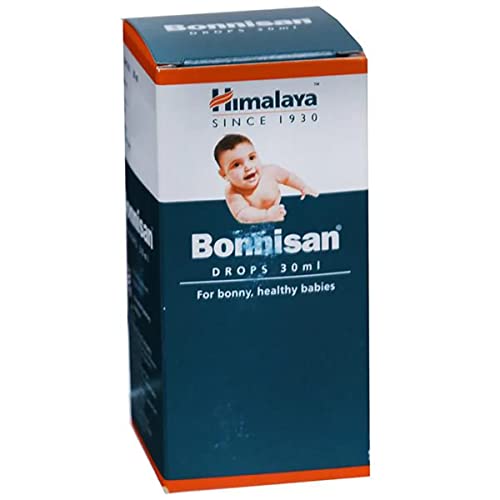
Bonnisan Drops (Himalaya) 30 ml
- ✓ Alcohol-free
- ✓ Herbal ingredients
- ✓ Safe for infants from 1 month
* We earn a small commission — at no extra cost to you.
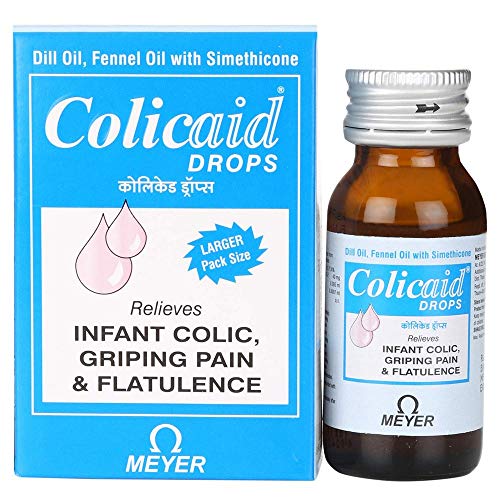
Colicaid Anti-Colic Drop 15 ml
- ✓ Alcohol-free formulation
- ✓ Mint and fennel based
- ✓ Easy dosage dispenser
* We earn a small commission — at no extra cost to you.
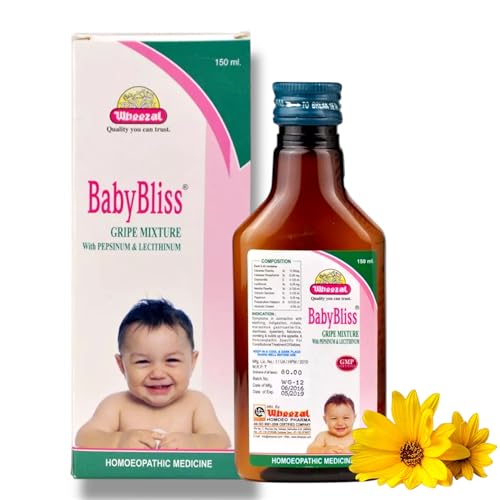
Colic Calm Homeopathic Gripe Water 59 ml
- ✓ Simethicone-based (stronger evidence)
- ✓ No sodium bicarbonate
- ✓ Alcohol-free and sugar-free
* We earn a small commission — at no extra cost to you.