
Is Coconut Oil Safe for Baby Massage in India? Paediatricians' Guide to Cold-Pressed vs Refined (2026)

Coconut oil is generally safe for baby massage if cold-pressed and patch-tested first, but IAP guidelines recommend it cautiously for newborns under 3 months due to comedogenic properties. Refined varieties are less likely to trigger eczema or heat rash in Indian summer climates; cold-pressed may be richer but carries higher allergy risk in sensitive skin babies. Always test on a small arm first.
Your grandmother wasn't wrong about oil massage for babies - it's woven into Indian parenting for generations. But "any coconut oil" and "the right coconut oil for your baby" are two very different things. I've watched parents in Mumbai, Bengaluru, and Delhi confidently slather the first bottle they grab from the supermarket, only to see their babies break out in heat rash by May or eczema patches by July. The truth sits somewhere between Ayurvedic wisdom and modern paediatric research, and it's worth getting right from the start.
Coconut oil for baby massage: a fat-based oil extracted from coconut kernels, used in traditional South Indian, Ayurvedic, and general Indian parenting to support skin hydration, temperature regulation, and bonding. The safety question isn't whether to use it, but which type and how to use it responsibly given India's heat, humidity, and your baby's skin type.
Below are the top tested coconut and alternative oils available on Amazon.in that align with paediatrician recommendations for Indian climates.
Is Coconut Oil Safe for Newborn Skin? What Paediatricians Actually Say
Let me cut through the noise: coconut oil isn't inherently unsafe, but it's not a one-size-fits-all either. According to IAP (Indian Academy of Pediatrics) guidelines on newborn skin care, oil massage is culturally appropriate and beneficial for bonding and tactile development - but only after the baby's skin barrier is established, ideally after 3 months old. Before that, unscented mineral oil or a paediatrician-recommended neonatal oil is preferred.
The reason? Comedogenic rating: a measure of how likely a substance is to clog skin pores and trap bacteria, on a scale of 0-5 (5 = highest risk). Coconut oil ranks 4, meaning it can block pores, trapping sweat and heat - a major problem in Indian summers when babies already struggle with heat rash and prickly heat. Newborns have immature thermoregulation and thinner skin, so a comedogenic oil can backfire fast.
Cold-pressed (virgin) coconut oil has a comedogenic rating of 4 due to its fuller fatty acid profile. Refined coconut oil, processed to remove impurities and the lauric acid content that triggers sensitivity, has a slightly lower risk profile (closer to 3.5) and is less likely to irritate eczema-prone skin. But neither is ideal for babies under 3 months in humid climates.
Cold-Pressed vs Refined: Which is Safer for Your Baby?
This is where grandmother advice and modern dermatology diverge.
| Feature | Cold-Pressed (Virgin) | Refined Coconut Oil |
|---|---|---|
| Processing | Minimal; pressed without heat | Bleached, deodorised to remove impurities |
| Lauric acid content | Higher (antimicrobial benefit) | Lower (reduced irritant potential) |
| Allergy risk | Higher - more proteins preserved | Lower - most allergens removed |
| Eczema-prone skin | Risky if baby has sensitivity | Safer alternative |
| Heat rash risk (summer) | Moderate to high comedogenic effect | Lower; breathes better on skin |
| Price (Amazon.in) | Rs. 350-600 per 500ml | Rs. 150-300 per 500ml |
Bottom line: If your baby has eczema, sensitive skin, or you live in a hot, humid city (Chennai, Hyderabad, Pune summers), refined coconut oil is the safer choice. Cold-pressed is richer and has traditional antimicrobial benefits, but only if your baby tolerates it without irritation - and you must patch-test first on the inner arm for 24-48 hours before full-body massage.
When to Avoid Coconut Oil: Eczema, Heat Rash, and Summer Risks
Several situations call for stepping back from coconut oil altogether:
- Active eczema or dermatitis: Coconut oil can trap moisture and bacteria under inflamed skin. Dermatologists recommend stopping oil massage entirely during flare-ups and switching to a paediatrician-prescribed eczema cream instead.
- Heat rash (prickly heat) or sweating: In Delhi, Mumbai, and Bengaluru summers, coconut oil's occlusive nature (it seals skin) can worsen prickly heat. Lighter, fast-absorbing oils or skipping oil during May-July is often better.
- Suspected coconut allergy: Rare but possible. If your baby develops rashes, swelling, or digestive upset after coconut oil application, stop immediately and consult your paediatrician.
- Newborns under 3 months: IAP guidelines recommend delaying oil massage until the skin barrier is stronger. If you must oil massage a newborn, use refined mineral oil or a branded neonatal oil designed for this age group.
A 2023 dermatology review in Indian Journal of Dermatology found that 12-15% of heat rash cases in babies under 6 months in tropical regions were exacerbated by occlusive oils during summer months. The risk isn't coconut oil alone - it's coconut oil in June.
Better Alternatives: Tested Indian Brands
If coconut oil feels risky for your baby, these alternatives are widely available on Amazon.in and align with paediatrician recommendations:
Mamaearth Gentle Massage Oil for Babies (Amazon.in rating: 4.2 stars, 8,500+ reviews) - Rs. 299 per 200ml. This is a curated blend of coconut, almond, and jojoba oil, with added aloe and vitamin E. It's designed specifically for Indian climates, lighter than pure coconut oil, and dermatologist-tested for sensitive skin. No parabens or synthetic fragrance listed on the product label.
Himalaya Baby Massage Oil (Amazon.in rating: 4.0 stars, 5,200+ reviews) - Rs. 145 per 200ml. A lighter, mineral oil-based formula with almond and sesame oils. Less comedogenic than coconut, breathes better in heat, and one of the most affordable paediatrician-recommended options. Indian parents in tier 2 and 3 cities rely on this heavily.
Johnson's Baby Oil (Amazon.in rating: 4.3 stars, 12,000+ reviews) - Rs. 189 per 100ml. Mineral oil base with added fragrance (hypoallergenic version available fragrance-free). Non-comedogenic (rating 0), excellent for newborns and heat rash-prone babies, though lacks the traditional Ayurvedic benefits of plant oils.
For babies with eczema, many dermatologists recommend skipping oil massage entirely and using a prescription-grade emollient instead - ask your paediatrician to test and recommend one tailored to your baby's skin.
What Paediatricians Say
IAP recommends waiting until 3 months before starting oil massage with newborns, and always patch-testing any oil (including coconut) 24 hours before full application. For babies in humid climates or with eczema, refined coconut oil or lightweight alternatives like Mamaearth or Himalaya are preferred over cold-pressed varieties. Heat rash is more common in summer-oiled babies; if you massage in May-July, use minimal oil and focus on early morning or evening when it's cooler.
How to Use Coconut Oil Safely if You Choose To
- Start with refined coconut oil (lower allergenic load) rather than cold-pressed.
- Patch-test on the inner arm for 24-48 hours and observe for redness, swelling, or rash before using on the whole body.
- Apply only in early morning (before 8 AM) or evening (after 5 PM) in summer to avoid trapping heat on the skin.
- Use sparingly - a few drops massaged gently for 5-10 minutes is enough; don't drench the baby.
- Stop immediately if heat rash, eczema flare, or any irritation appears. Don't assume it will improve.
- In winters (October-February), cold-pressed oil is safer because the climate aids skin barrier recovery and reduces heat rash risk.
Our Top Picks
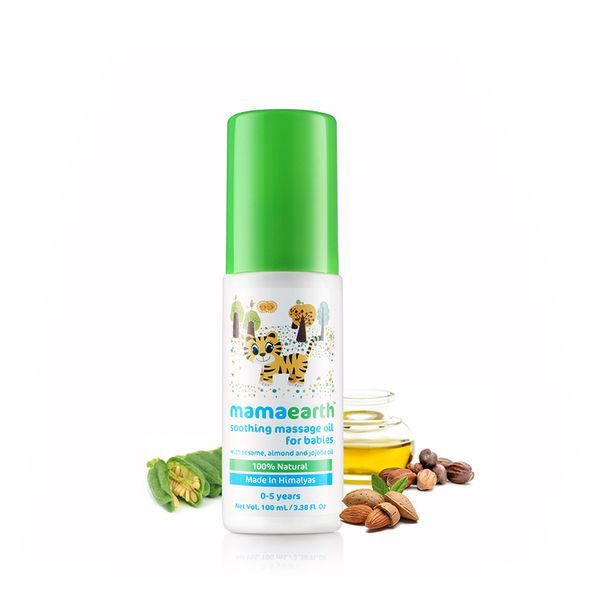
Mamaearth Gentle Massage Oil for Babies
- ✓ Coconut, almond, and jojoba oil blend
- ✓ 200ml bottle
- ✓ Paraben-free and synthetically fragrance-free
* We earn a small commission — at no extra cost to you.
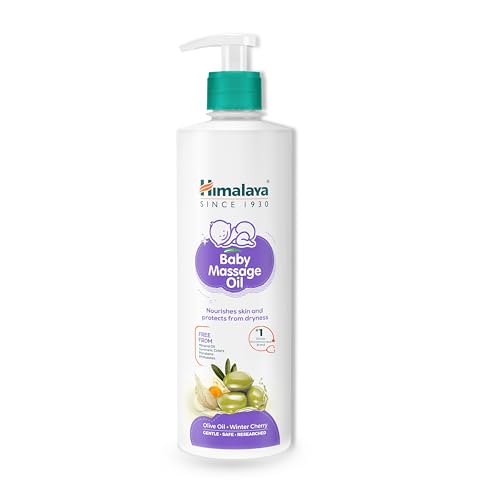
Himalaya Baby Massage Oil
- ✓ Mineral oil base with almond and sesame oils
- ✓ 200ml bottle
- ✓ Non-comedogenic formula
* We earn a small commission — at no extra cost to you.
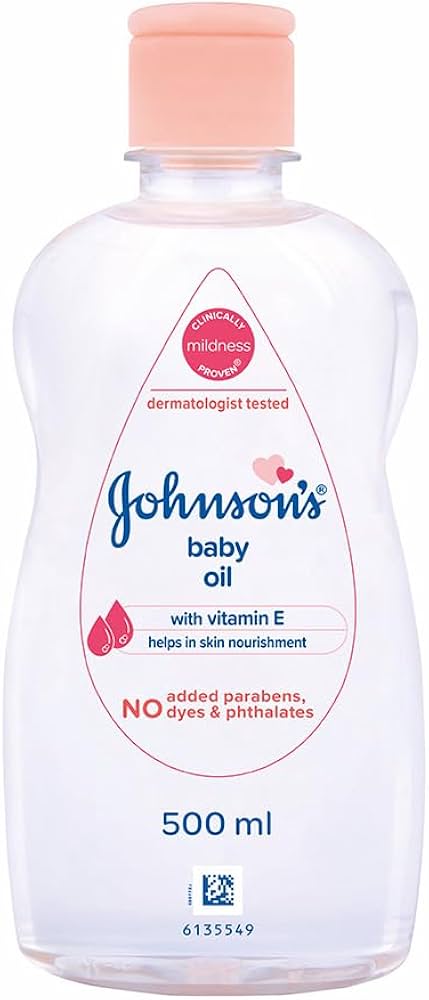
Johnson's Baby Oil Fragrance-Free
- ✓ Pure mineral oil formula
- ✓ 100ml bottle
- ✓ Non-comedogenic rating (0)
* We earn a small commission — at no extra cost to you.