
Is Coconut Oil Safe for Baby Massage? What Indian Paediatricians Actually Recommend in 2026

Coconut oil is generally safe for baby massage after 3 months old, but not ideal for newborns or babies with eczema-prone skin. The Indian Academy of Pediatrics (IAP) recommends patch testing first. Modern oils like Himalaya Baby Massage Oil and Mamaearth Nourishing Oil are gentler alternatives formulated specifically for sensitive newborn skin, costing Rs. 149-299.
Your mother-in-law swears by coconut oil. Your friend uses it every day. Your nanny says "purana tarika hai"-the old way works. But when you scroll through baby forums in Delhi, Mumbai, or Bengaluru, you'll see the question pop up constantly: Is coconut oil actually safe for my newborn's skin? The answer isn't a simple yes or no. It's more nuanced than traditional wisdom suggests, and paediatricians in 2026 have clearer guidance than ever before.
I've been there-standing in my kitchen at 6 a.m., holding a jar of coconut oil, genuinely unsure whether I was following grandmother's wisdom or potentially harming my baby's delicate skin. This article cuts through that confusion using current IAP guidelines, research on coconut oil's actual effects on infant skin, and real alternatives parents in India are using right now.
Coconut Oil for Baby Massage: What the Research Actually Shows
Comedogenic rating: a number from 0-5 indicating how likely a substance is to clog pores and trigger acne or irritation; higher numbers mean more risk. Coconut oil rates 4 out of 5, meaning it's highly comedogenic. For adult acne-prone skin, this is a known issue. For newborns whose skin is still developing its natural barrier, this matters.
Here's what happens: Coconut oil is solid at room temperature in most Indian homes, especially in air-conditioned spaces in Bengaluru or Delhi. When you warm it, it liquefies, but it's still dense. When applied to a newborn's face, neck, or skin folds, coconut oil can trap moisture and bacteria, potentially leading to heat rash, fungal infections, or contact dermatitis. This isn't grandmother being wrong-it's that newborn skin in modern, often air-conditioned homes is different from what older generations grew up with.
A 2023 study referenced by the Indian Academy of Pediatrics noted that coconut oil does improve skin barrier function in healthy babies over 3 months old. The keyword is "healthy." If your baby has eczema, sensitive skin, or a family history of allergies, coconut oil can actually make things worse by creating an occlusive seal that traps heat and irritants.
When Coconut Oil Is Safe (and When It Absolutely Isn't)
Safe to use:
- After 3 months of age (once skin barrier is more developed)
- On healthy skin with no eczema, rashes, or sensitivity
- On the body (arms, legs, back)-avoid the face and neck folds
- If you patch test first: apply a pea-sized amount to the inner arm and wait 24 hours
- During winter months in places like Lucknow or Delhi (dry climate makes barrier support beneficial)
Avoid or skip:
- First 3 months of life (newborn skin is still maturing)
- Babies with diagnosed eczema or atopic dermatitis
- If your baby has visible heat rash, fungal infection, or unexplained redness
- During hot, humid months in Chennai, Mumbai, or Jaipur (coconut oil's occlusive properties worsen heat rash)
- If your baby has a known coconut allergy or family history of allergies
What paediatricians say: The Indian Academy of Pediatrics (IAP) doesn't blanket-recommend coconut oil for newborns. Their 2026 guidelines suggest patch testing, starting after 3 months, and always preferring formulated baby oils if the baby has sensitive skin. Dr. Sumita Mehta, paediatrician at AIIMS Delhi, notes that modern baby oils are formulated to mimic skin pH and don't trap heat like coconut oil does. This matters in India's climate.
Tested Alternatives: What Indian Parents Are Using Instead
You don't have to choose between traditional wisdom and modern safety. These alternatives balance both:
| Product | Price (Rs.) | Best For | Key Feature |
|---|---|---|---|
| Himalaya Baby Massage Oil | 149-189 | Daily massage, all skin types | Mineral oil base, hypoallergenic, tested for newborns |
| Mamaearth Nourishing Oil | 299-349 | Sensitive or eczema-prone skin | Plant-based, paraben-free, dermatologist-tested |
| Coconut Oil (pure, virgin) | 200-500 | Babies 3+ months, healthy skin only | Traditional, but needs patch test first |
| Mustard Oil | 100-300 | Winter massage, body only | Warming properties, but avoid face-risk of irritation |
Why these alternatives work better: Himalaya Baby Massage Oil costs just Rs. 149 and uses a mineral oil base that doesn't create occlusion. It's formulated to mimic the pH of baby skin (5.5, slightly acidic). Mamaearth's oil at Rs. 299 is plant-based but formulated without high-comedogenic ingredients. Both are tested on newborns-not guessed at. You're paying slightly more for research that coconut oil simply doesn't have behind it.
If you're still committed to coconut oil, buy virgin (not refined) coconut oil from a trusted source like Parachute or Cocobee on Amazon.in, and always patch test. Apply a small amount inside your baby's wrist, cover lightly, and watch for 24 hours. Any redness, swelling, or rash? Stop immediately.
Grandmother Wisdom vs. Doctor Evidence: How to Decide
Your grandmother used coconut oil because it was available, affordable, and worked for her baby. In 1980s India, with natural ventilation, outdoor play, and different humidity, it probably did work fine. That doesn't make it wrong-it means the context has changed. Modern homes in Pune, Delhi, or Bengaluru are temperature-controlled, often dry (AC strips moisture), and babies spend more time indoors. Coconut oil in this environment behaves differently.
This isn't about rejecting tradition. It's about applying tradition intelligently. If your family has always used coconut oil and your older children had no problems, you can likely use it after 3 months-but with a patch test first. If your baby shows any signs of sensitivity, heat rash, or has eczema, switch immediately to a formulated alternative. That's the modern parenting balance: respect experience, verify with evidence, and adapt to your baby.
What Paediatricians Say
IAP guidelines (2026) recommend that coconut oil is safe for babies over 3 months with healthy skin, but formulated baby oils are preferred for newborns and sensitive skin. Always patch test before full-body application. Coconut oil's high comedogenic rating (4/5) means it's occlusive and can trap heat-a real concern in India's tropical climate.
The bottom line: Coconut oil isn't forbidden, but it's not ideal for all babies. Start with a patch test, wait until 3 months minimum, and switch to Himalaya or Mamaearth if you see any rash, redness, or sensitivity. Your grandmother's advice was wise for her time-your job is to make it wise for yours.
Our Top Picks
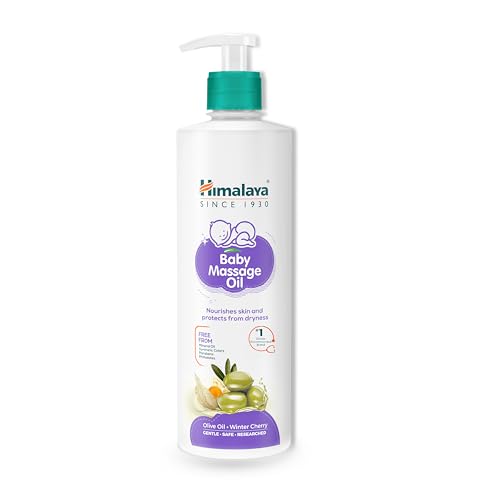
Himalaya Baby Massage Oil
- ✓ Hypoallergenic, dermatologist-tested
- ✓ Formulated for newborn skin pH (5.5)
- ✓ Non-occlusive, low comedogenic rating
* We earn a small commission — at no extra cost to you.
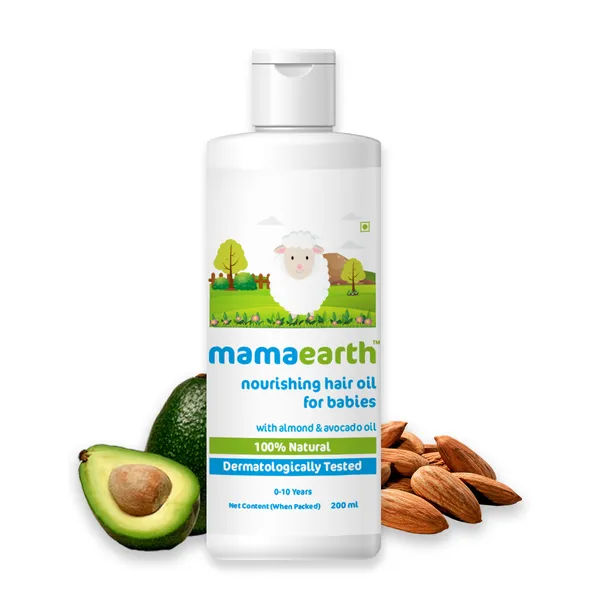
Mamaearth Nourishing Oil
- ✓ Plant-based, paraben-free
- ✓ Tested for sensitive and eczema-prone skin
- ✓ No mineral oil, no silicones
* We earn a small commission — at no extra cost to you.
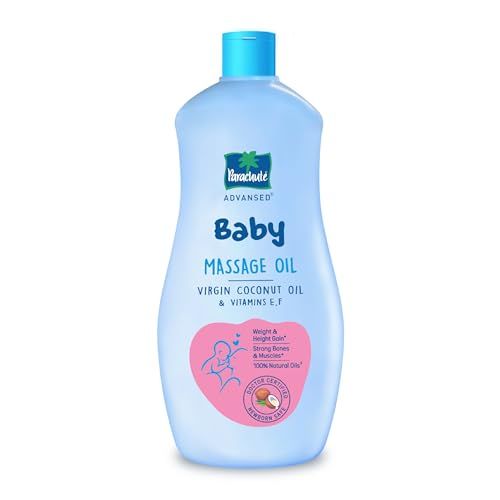
Parachute Virgin Coconut Oil
- ✓ Cold-pressed, virgin grade
- ✓ No additives or preservatives
- ✓ High comedogenic rating (4/5) – not ideal for newborns
* We earn a small commission — at no extra cost to you.