
Is CERELAC Safe for Babies in India? IAP Guidelines, Sugar Content & Safer Alternatives in 2026
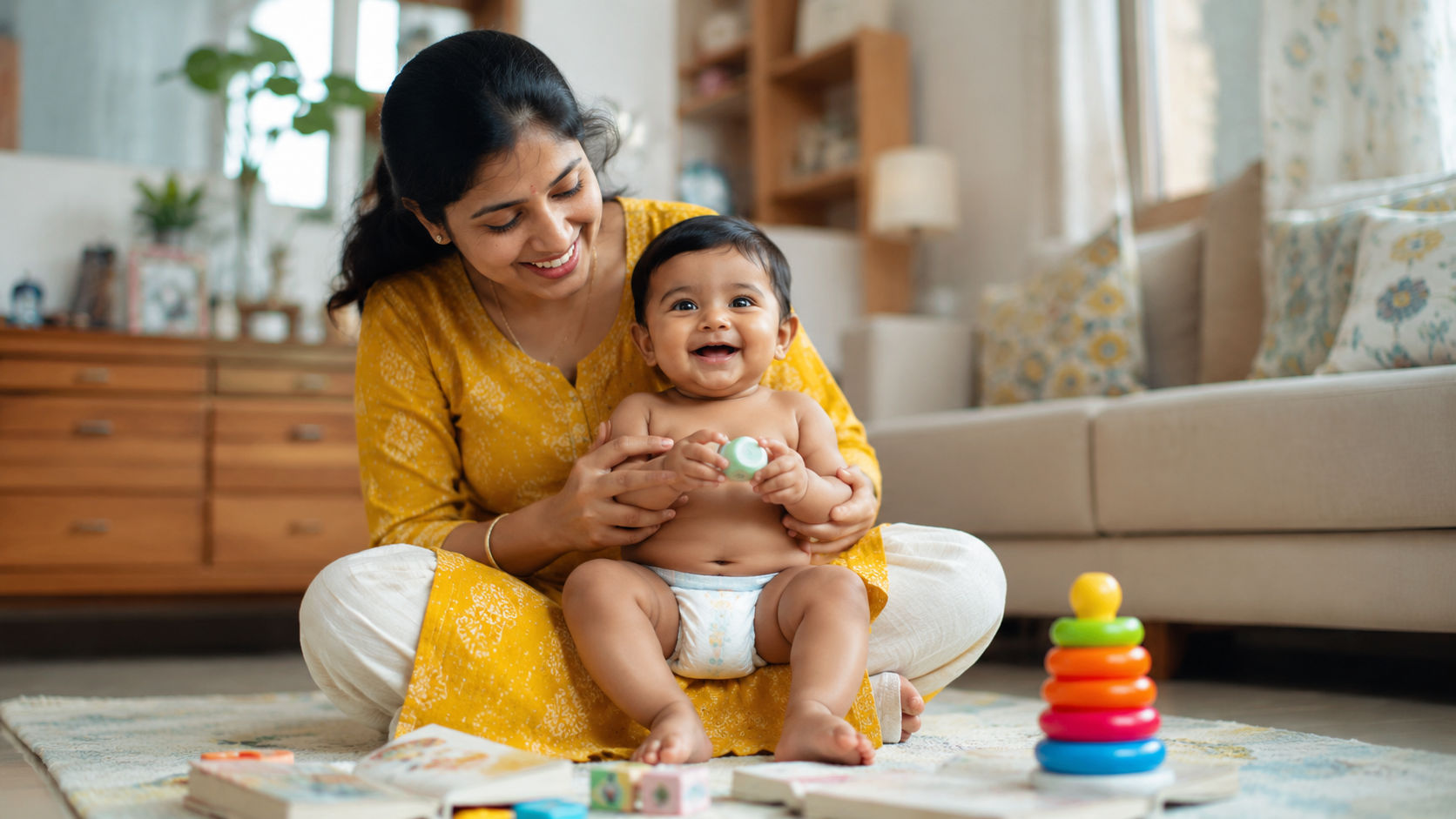
CERELAC is safe for babies 6+ months when introduced as part of mixed weaning, not as a primary first food. However, Indian Academy of Pediatrics (IAP) recommends traditional first foods like ragi and daliya first, as they are culturally suited and nutrient-dense. If you choose CERELAC, select variant containing less than 5g sugar per 100g, limit to 2-3 times per week, and always mix with breast milk or plain water.
Introduction
The CERELAC safety question pops up in every Mumbai, Delhi, and Bangalore parent group chat. "Is the sugar content too high?" "Do pediatricians actually recommend it?" "Why is the Indian version different from what's sold globally?" These aren't paranoid questions—they're the kind parents ask when they're unsure whether a Rs. 300–400 box per month is worth the worry. The truth, like most parenting truths, sits somewhere between "completely safe" and "not ideal." This article cuts through the noise with actual IAP guidelines, label data, and a realistic comparison of what's actually in CERELAC versus homemade first foods that generations of Indian families have used.
What the Evidence Actually Shows
Let's start with what CERELAC actually is: a fortified wheat or multigrain cereal manufactured by Nestlé India, designed specifically for babies transitioning from exclusive breastfeeding (around 6 months). The formula is not the same as its European counterpart—India-specific versions are formulated to meet local regulatory standards set by the Food Safety and Standards Authority of India (FSSAI).
The 2024–2025 sugar controversy centred on this: original CERELAC Wheat with Milk contained approximately 5.2g of sugar per 100g of dry cereal. When mixed with breast milk or water as directed, a typical serving (5 teaspoons per 150ml) delivers roughly 2–2.5g of sugar. For context, IAP guidelines do not set a strict daily sugar limit for babies under 12 months, but the Academy advises against added sugars in the first year. The WHO India position paper (2023 update) similarly recommends delaying sugar introduction until after 12 months where possible.
Nestlé India reformulated several CERELAC variants in 2025 to reduce sugar content. Current formulations now list 3.8–4.2g per 100g on the label for most wheat-based variants. This is a shift, though still not zero-sugar. The key reading habit: always check the nutrition label on the box before buying. Sugar levels vary by variant (Apple variant, Wheat-Fruit variant, plain Wheat). Stick to the plain Wheat or plain Multigrain if you're concerned about sugar exposure.
Now, the heavy metal testing question. In 2023, a consumer rights study tested CERELAC and other commercial baby foods for cadmium and lead residues. CERELAC samples passed within the acceptable limits set by FSSAI (cadmium <0.05 ppm, lead <0.1 ppm in infant foods). However, the study also found that homemade preparations of locally sourced grains varied significantly—some tested lower, others higher. This doesn't mean CERELAC is uniquely unsafe; it means quality control matters across all sources.
Here's what to look for on the CERELAC label itself:
- Sugar content: Choose variants with less than 4.5g per 100g
- Fortification: Iron and calcium levels should match IAP recommended dietary allowances (RDA) for 6–11 months
- Ingredient list: The label should list only grains, milk solids, vitamins, and minerals. No artificial colours (India banned many; check for natural alternatives)
- Manufacturing date: Always check the date on the bottom. Avoid if older than 6 months from production
- Storage instructions: Keep in airtight containers in cool, dry places; moisture attracts mould
Safer alternatives many Indian paediatricians recommend first: homemade ragi (finger millet) porridge, daliya (broken wheat), or oats mixed with breast milk or cow's milk. A 2-tablespoon serving of homemade ragi contains zero added sugar, 8–10g of protein, and iron levels comparable to fortified cereals. The preparation takes 10 minutes; cost is Rs. 30–50 per serving compared to Rs. 60–80 for CERELAC.
How to Use CERELAC Safely, If You Choose It
Parents in tier-1 cities often use CERELAC out of convenience during work days, then switch to homemade porridges on weekends. This mixed approach is reasonable if done with intention. Age to introduce: 6 months onward (never before). Frequency: 2–3 times per week is safer than daily. Preparation: always mix with breast milk, cow's milk, or warm water—never use plain water or formula unless directed. Portion: start with 2 teaspoons mixed into 150ml liquid, increasing to 5 teaspoons over 2 weeks as tolerance builds. Watch for rashes, loose stools, or vomiting; these are rare but warrant paediatrician contact.
The bigger picture: CERELAC is not "bad" food, but it's also not a substitute for first foods. If your family budget allows, or your work schedule demands convenience, using it 2–3 times weekly alongside homemade first foods is a practical compromise that most paediatricians accept without concern.
What Paediatricians Say
- IAP weaning guidelines (2024): Exclusive breastfeeding until 6 months, then gradual introduction of semi-solid foods starting with iron-rich, local, traditional first foods (ragi, moong dal, daliya).
- Commercial fortified cereals: Acceptable from 6+ months as part of a mixed weaning diet, not as the primary first food source.
Our Top Picks
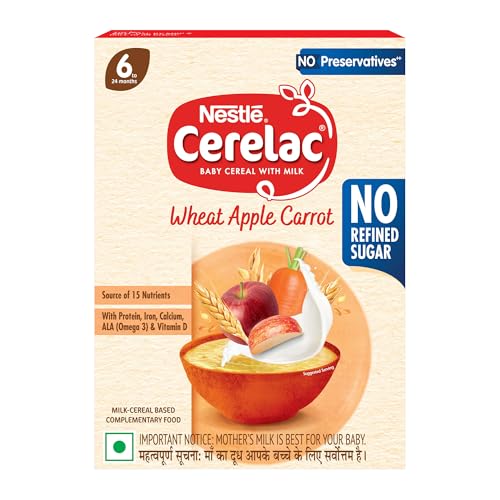
Nestlé CERELAC Wheat with Milk (6+ months) - 400g Box
- ✓ Fortified with Iron & Calcium
- ✓ No Artificial Colours
- ✓ 2025 Reformulated - Lower Sugar
* We earn a small commission — at no extra cost to you.
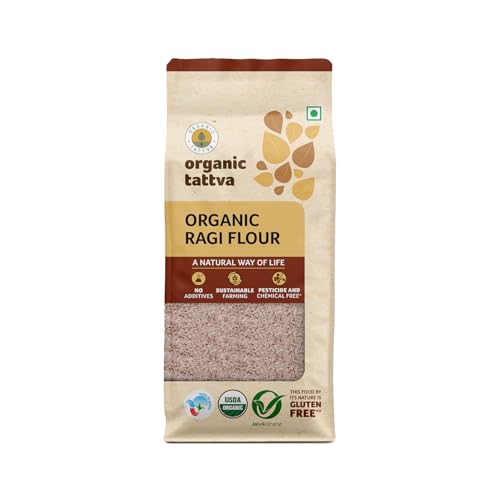
Organic Tatva Ragi Flour (Baby Porridge) - 500g
- ✓ 100% Organic Finger Millet
- ✓ Zero Added Sugar
- ✓ No Fortification Required (Naturally Iron-Rich)
* We earn a small commission — at no extra cost to you.
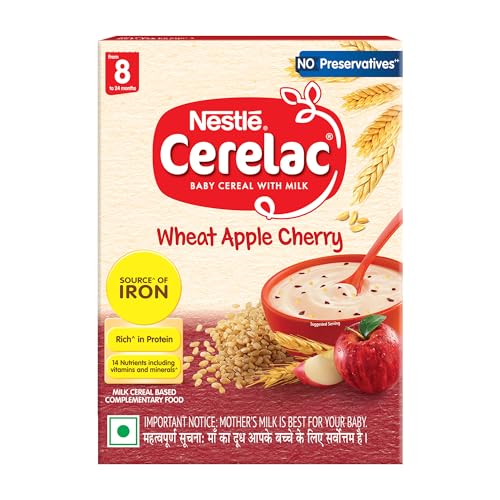
Nestlé CERELAC Multigrain with Daliya (6+ months) - 400g
- ✓ Mixed Grain Formula (Wheat, Daliya, Rice)
- ✓ High Protein Content
- ✓ No Added Sugar Variant
* We earn a small commission — at no extra cost to you.