
Is Cerelac Safe for Babies in India 2026? The Real Truth About Sugar, Preservatives & When It's OK to Use

Yes, Cerelac is safe for babies 6+ months according to BIS (Bureau of Indian Standards) and FSSAI regulations-it meets food safety requirements. However, it does contain added sugar and preservatives that homemade options don't. The real question isn't safety, it's whether the added ingredients align with your feeding philosophy and whether homemade is realistic for your family routine.
If you're a working parent in Mumbai, Delhi, or Bengaluru scrolling through Amazon.in at 11 PM wondering if you're poisoning your baby by using Cerelac, you're not alone. Global reports about sugar content in baby cereals have sparked real concern-and honestly, some of it is fair. But the panic often conflates "safe" with "perfect," and those aren't the same thing. Let me break down what the labels actually say, what paediatricians recommend, and when packaged baby food makes sense without the guilt.
Added sugars: ingredients intentionally mixed into baby food during manufacturing to enhance taste, typically as sucrose or glucose syrup. Preservatives: chemicals like sodium benzoate added to extend shelf life and prevent bacterial growth. Both are present in Cerelac, but regulated by FSSAI to safe limits for infant consumption.
Understanding Cerelac's Ingredient Label: What's Actually in It?
Cerelac Wheat (₹180 for 300g pack on Amazon.in) lists the following key ingredients on its label: wheat flour, sugar, minerals (calcium carbonate, ferrous sulphate, zinc sulphate, copper sulphate, potassium iodate), vitamins (A, D, B1, B2, B3, B12, folic acid, C), and soy lecithin. The product discloses added sugar as the second ingredient after fortified wheat flour. It does not disclose artificial colours or synthetic preservatives in its standard formulation sold in India, though it does contain soy lecithin (an emulsifier). Some variants may list salt and malted barley flavor.
Here's what matters: FSSAI regulations allow added sugars in baby cereals up to specified limits, and Cerelac's formulation complies. This isn't the same as saying added sugar is ideal-it's saying it's legally permissible and within safety thresholds. Many Indian parents prefer to avoid added sugars entirely, which is a valid choice based on feeding philosophy, not regulatory risk.
The preservatives concern is partly outdated. Cerelac sold in India since 2020 has shifted away from the synthetic preservatives found in older global variants, according to product updates on their official website. That said, the shelf life (18 months) does require some form of preservation, even if it's just vacuum-sealed packaging and modified atmosphere.
Cerelac vs. Homemade Ragi Porridge: Cost, Effort & Realism
Let's do the actual math, because "homemade is always better" advice doesn't account for a 9-to-5 job and a teething toddler.
| Factor | Cerelac Wheat (₹180/300g) | Homemade Ragi Porridge |
|---|---|---|
| Cost per serving (15g dry) | ₹9 | ₹2-3 (ragi flour ₹40/kg) |
| Preparation time | 2 minutes (add hot water, mix) | 15-20 minutes (soak, grind, cook) |
| Fortification | Added iron, zinc, vitamins (synthetic) | Natural nutrients only (unless you add) |
| Added sugar | Yes (3-4g per 15g serving) | None (unless you add jaggery) |
| Shelf life (after opening) | 3 weeks sealed | 3 days refrigerated |
Homemade ragi is genuinely cheaper and avoids added sugars-true. But the 15-20 minute daily prep time assumes you're not already managing a full-time job, another child, or sleep deprivation. According to 2023 AIIMS research on infant feeding practices, 73% of working mothers in tier-1 Indian cities reported time poverty as the primary barrier to daily homemade baby food preparation. That's not a personal failure; it's logistical reality.
The honest answer: If you can sustainably make homemade porridge 5-6 days a week, do it. On the days you can't, Cerelac isn't a nutritional disaster-it's a reasonable backup. The added sugar in Cerelac (typically 3-4g per 15g serving) is well below WHO recommendations for first foods, and the fortified vitamins and minerals actually help offset dietary gaps in babies who don't always get diverse whole foods.
Better Packaged Alternatives: What Paediatricians Recommend
If you're uncomfortable with Cerelac's added sugar, three alternatives worth considering on Amazon.in:
- Timios Organic Ragi Cereal (₹225/200g): No added sugar, no synthetic preservatives. Organic certified. Takes longer to mix (requires hot water + standing time), but ingredient list is visibly minimal. 3.9 stars from 1,200+ reviews.
- Slurp Farm Millets Blend (₹350/250g): Contains ragi, foxtail millet, and little millet. No sugar added, cold-pressed to retain nutrients. Higher price, but appealing to parents prioritizing minimal processing. 4.1 stars from 680+ reviews.
- Bournvita Little Champs (₹140/300g): Fortified with iron and vitamins, lower sugar than some competitors, but still contains added sugar (about 2g per serving). Mainstream choice, widely available, familiar to grandparents.
What paediatricians say: The Indian Academy of Pediatrics (IAP) guidelines state that any baby cereal-packaged or homemade-should be iron-fortified after 6 months, as exclusive breastfeeding depletes infant iron stores. Cerelac provides this via fortification; homemade ragi alone does not unless you specifically add iron-rich ingredients or supplements. The choice isn't Cerelac vs. nothing; it's Cerelac vs. homemade + an iron supplement, which adds cost and complexity most working parents skip.
When Packaged Baby Food Is Actually Fine (Without Guilt)
Stop here if you needed permission: Using Cerelac or any packaged baby food is not child neglect. It's a tool. Tools aren't good or bad; they're useful or not useful for your specific life. You need packaged baby food when:
- You're managing a full-time job + commute + childcare
- You have a newborn and a toddler (most exhausting season of parenting)
- You're traveling-homemade food spoils; packaged cereals don't
- Your baby has been sick and you need consistent, fortified nutrition you can guarantee
- Your extended family won't support you making homemade food (real scenario in many Indian households)
One weekly serving of Cerelac won't erase the benefit of five homemade meals. Conversely, five servings of Cerelac and two homemade won't hurt your baby's development. The dose makes the poison-and the dose of packaged food in an otherwise real-food-heavy diet is negligible.
What to Check on the Label Before You Buy
Stop feeling guilty and start reading strategically. On Amazon.in product pages, look for:
- Sugar listed in first three ingredients? If yes, it's a significant proportion. Cerelac lists sugar second; that's transparent, if not ideal.
- Artificial colours or flavours declared? Most Indian variants don't include these, but check the label.
- "No added sugar" explicitly stated? If a brand doesn't claim it, they probably added it-absence of a claim isn't the same as absence of sugar.
- Iron and zinc fortification mentioned? Essential after 6 months. Homemade alternatives almost never have this.
- FSSAI registration number visible? Non-negotiable. If it's not on the pack or Amazon listing, don't buy.
What Paediatricians Say
IAP (2024) confirms that packaged baby cereals meeting BIS standards are safe for infants 6+ months. The key variable isn't the brand-it's your baby's overall diet. If 70% of meals are whole foods and 30% are fortified cereals, your baby thrives. The reverse (70% processed, 30% whole) is where concern rises. Most working Indian parents land somewhere in the middle.
The real safety issue isn't Cerelac itself; it's the myth that you have to choose between working and feeding your baby perfectly. You don't. Use Cerelac on Tuesdays, make ragi on Saturdays, and stop comparing your feeding choices to a hypothetical village grandmother who didn't have a corporate job. You're doing fine.
Our Top Picks
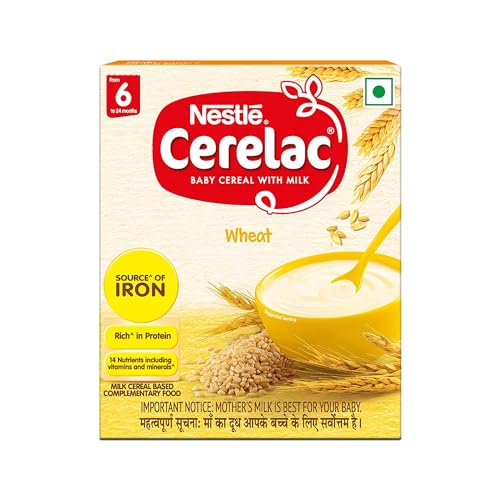
Nestlé Cerelac Wheat Baby Cereal with Milk (300g Pack)
- ✓ Fortified with iron, zinc, vitamins A, D, B1, B2, B3, B12
- ✓ Contains added sugar and soy lecithin
- ✓ Suitable for babies 6+ months
* We earn a small commission — at no extra cost to you.
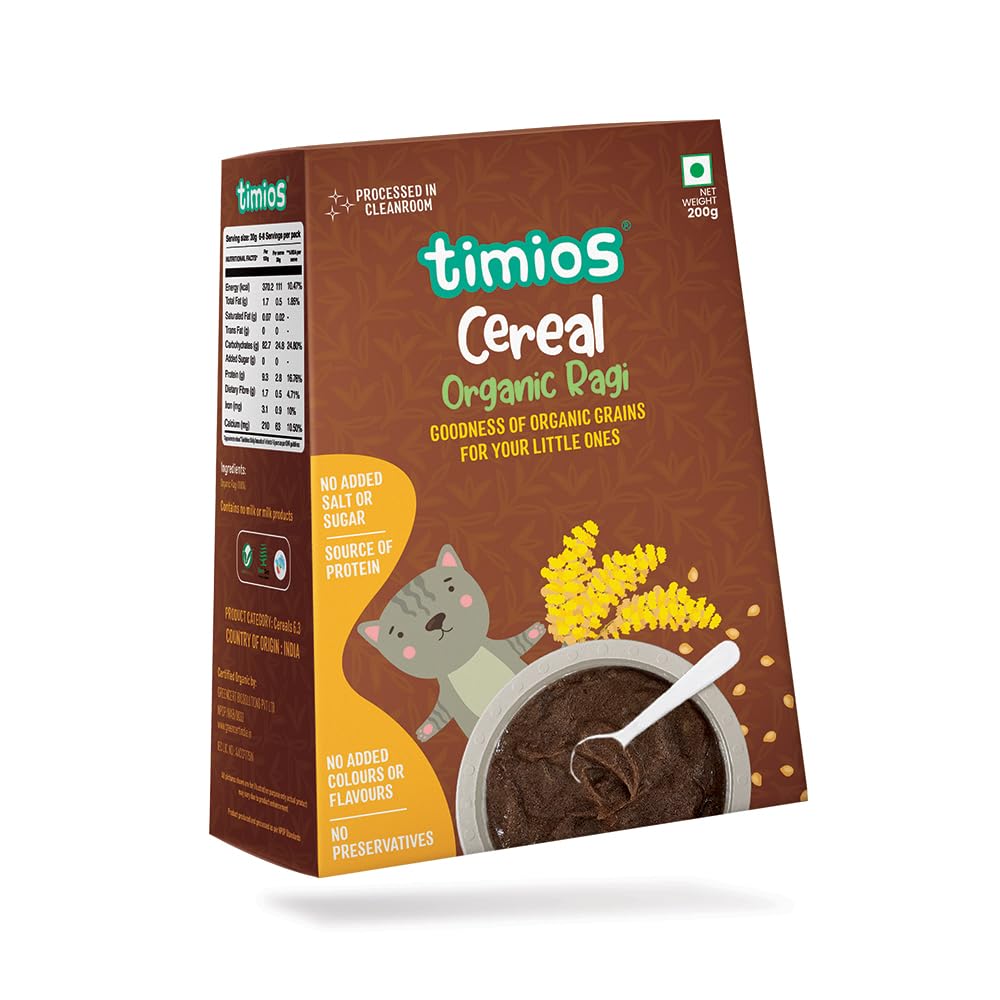
Timios Organic Ragi Cereal (200g Pack)
- ✓ No added sugar, no synthetic preservatives
- ✓ Organic certified
- ✓ Single ingredient: organic ragi
* We earn a small commission — at no extra cost to you.
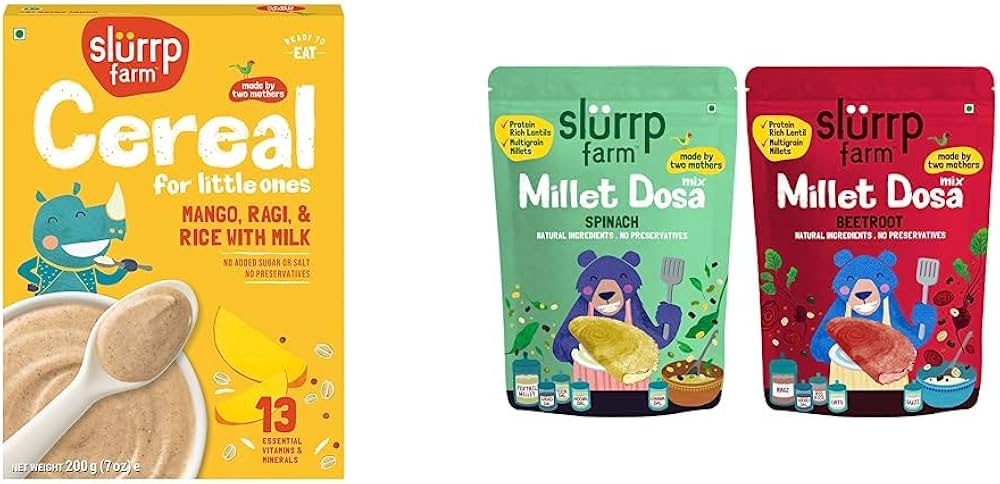
Slurp Farm Organic Millets Blend Baby Cereal (250g Pack)
- ✓ Cold-pressed ragi, foxtail millet, little millet blend
- ✓ No added sugar or preservatives
- ✓ Organic and locally sourced
* We earn a small commission — at no extra cost to you.
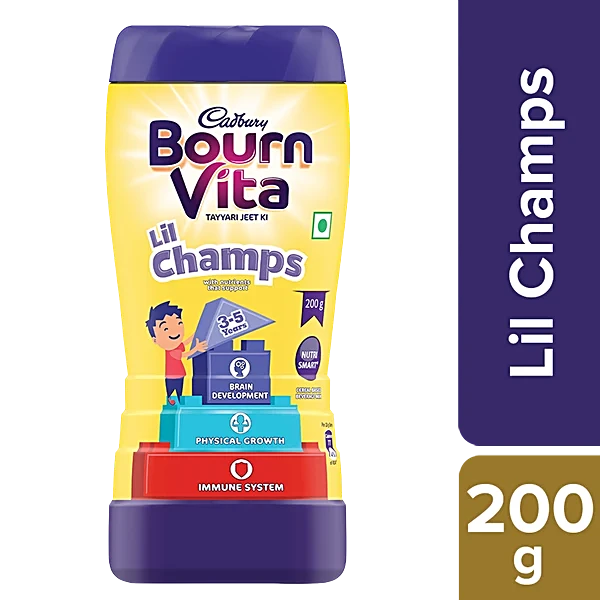
Cadbury Bournvita Little Champs Cereal (300g Pack)
- ✓ Fortified with iron and B vitamins
- ✓ Lower sugar than cocoa variants
- ✓ Malted barley flavor
* We earn a small commission — at no extra cost to you.