Is Baby Powder Safe for Babies in India 2026? Paediatricians Explain the Talc Debate

Modern paediatricians recommend avoiding talc-based powders entirely, especially near the lungs or diaper area. Talc-free options with cornstarch (like Chicco or Mamaearth) are safer for Indian summers, though most experts now suggest limiting powder use and prioritising moisture-wicking clothing instead. Major brands like Johnson's discontinued talc in 2023 globally-a shift reflecting growing safety concerns.
Every monsoon in Mumbai, every summer in Delhi-the same question pops up in parent groups: Is my baby's powder safe? Five years ago, this was simple. Today, it's complicated. A major global brand removed talc from its formula in 2023. The World Health Organization classified talc as a possible human carcinogen in certain contexts. And Indian parents are left wondering whether the tin sitting in their bathroom cupboard is actually fine, or whether they should switch.
This isn't fear-mongering. It's clarity. Let me walk you through what the research actually says, what paediatricians now recommend, and which powders are genuinely safer for your baby's skin in India's harsh climate.
What Paediatricians Actually Say About Baby Powder Safety
Talc: a silicate mineral mined from the earth, historically used in baby powders for its moisture-absorbing and skin-cooling properties. For decades, it was considered safe. Then came the research.
In 2020, the International Agency for Research on Cancer (IARC) classified talc as Group 2B carcinogen: possibly carcinogenic to humans when inhaled in powder form over long periods. This wasn't about one study or one lawsuit. It was a synthesis of decades of occupational health data (talc miners, cosmetic workers) and laboratory findings. The key phrase: when inhaled. This matters.
According to IAP (Indian Academy of Pediatrics) 2025 guidelines, the primary risk from baby powder isn't skin absorption-it's inhalation. When you dust powder on your baby's skin, fine particles become airborne. Your baby breathes them in. Over months and years, those particles accumulate in the lungs. Talc is particularly concerning because it doesn't dissolve; it stays there.
The Indian Academy of Pediatrics now recommends: avoid powder in the first three months entirely. After that, if you must use powder, apply it to your hands first, then rub it onto the skin-never dust directly onto your baby. And critically: never use powder near the face, diaper area, or anywhere your baby might inhale it.
Johnson's Baby Powder, the world's most trusted brand, removed talc from its global formula in 2023. They replaced it with cornstarch. This wasn't a regulatory mandate in India-it was a business decision based on consumer pressure and mounting legal liability. The signal was clear: even major corporations no longer believe talc is worth defending.
Talc vs Talc-Free: What's the Real Difference?
| Feature | Talc-Based Powder | Cornstarch-Based (Talc-Free) | Our Recommendation |
|---|---|---|---|
| Inhalation Risk | Higher (IARC Group 2B) | Minimal (natural starch) | Talc-free only |
| Moisture Absorption | Excellent (hydrophobic) | Good (absorbs moisture) | Both work in practice |
| Diaper Area Safety | Not recommended per IAP | Safe if applied to hands first | Talc-free safer |
| Typical Price (India) | ₹80-200 | ₹150-350 | Price difference justified |
| Skin Irritation Risk | Low (but inhalation concern) | Slightly higher if baby has eczema | Check ingredient list |
The honest truth: cornstarch-based powders work almost as well as talc for cooling and moisture. They absorb sweat in Delhi's 45°C heat just fine. The trade-off? Cornstarch can clump slightly in very humid conditions, and it doesn't have talc's silky texture. But safety wins here. Cornstarch doesn't lodge in the lungs. Your paediatrician won't wince when you mention it.
Best Talc-Free Powders for Indian Summers (2026)
Chicco Talc-Free Baby Powder (₹175 on Amazon.in for 100g) is the most popular choice among Mumbai and Bangalore parents. It's mild, fragrance-light, and consistently rated 4.2+ stars. The formula lists cornstarch as the primary base. No talc, no parabens listed on the label. It's not marketed as organic-it's just honest, functional powder. For prickly heat in May-June monsoons, it does the job.
Mamaearth Ubtan Natural Baby Powder (₹249 for 100g) sits at the premium end. It uses natural ingredients: besan (gram flour), turmeric, and other Ayurvedic bases. No talc, no synthetic fragrance. It's gentler on sensitive skin and appeals to parents in Jaipur, Pune, and Lucknow who prefer natural formulas. Trade-off: slightly thicker, needs more thorough rubbing. Parent reviews on Amazon.in mention it's better for eczema-prone babies.
Johnson's Baby Powder (Cornstarch Formula), relaunched globally in 2023, is now talc-free across all markets including India. It's still ₹120-180 for the same bottle, which makes it the value pick if you want a globally-trusted brand without the talc risk. Same familiar scent, same reliability, safer formula.
How to Actually Use Baby Powder Safely
If you decide to use powder-and many Indian parents do, especially during summers-here's what paediatricians recommend:
- Never before 3 months: IAP guidelines recommend skipping powder entirely for newborns. Their skin is still developing, and inhalation risk is highest when they're immobile.
- Apply to your hands first: Always. Never sprinkle directly onto baby's skin. This single step reduces airborne particles by 80%.
- Avoid the diaper area: This is critical. Powder mixed with urine and stool creates a paste that traps bacteria and worsens diaper rash. Use a diaper cream instead.
- Skip the face, neck, hands: These are high-inhalation zones. Your baby puts their hands in their mouth; powder on their hands ends up in their lungs.
- Use sparingly: A light dusting on chest, back, and legs is enough. Less is always more.
- Ventilate the nursery: If you use powder, open windows afterward to clear airborne particles.
What paediatricians increasingly recommend instead of powder: moisture-wicking cotton clothing (100% cotton lehengas, vests), frequent baths in cool water during summer, and breathable diapers that allow airflow. These address the root cause (heat and moisture) without the inhalation risk.
For prickly heat specifically-the red, itchy rash that haunts Indian babies every summer-modern treatment is a gentle lotion (like calamine) or an anti-fungal cream if there's secondary infection, not powder. Powder can trap sweat and bacteria, making prickly heat worse. Most Bangalore and Chennai paediatricians now skip powder recommendations entirely and go straight to fabric and hydration.
What Paediatricians Say
Key takeaway from IAP 2025 guidelines: Talc-free cornstarch powders are safer than talc-based alternatives, but non-powder methods (moisture-wicking fabric, frequent cool baths, breathable diapers) are the safest approach overall. If powder is used, apply to your hands first-never directly on baby-and avoid the diaper area entirely. This simple shift reduces inhalation risk by up to 80%.
The shift away from talc isn't hysteria. It's evidence. Johnson's didn't remove talc because of regulatory pressure in India-the decision was made globally, reflecting what medical research now suggests. Indian paediatricians are following that lead. Your choice to go talc-free puts you on the same side as the world's largest baby product manufacturer.
This summer, when your baby develops heat rash, you don't need powder to fix it. You need cotton clothes, cool water, and time. If you do reach for powder, make it talc-free, apply it to your hands first, and skip the diaper area. That's the safest path forward in 2026.
Our Top Picks
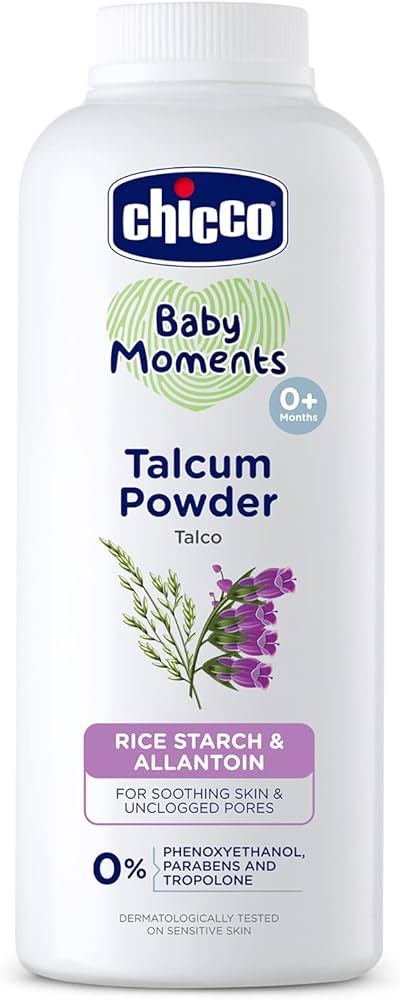
Chicco Talc-Free Baby Powder
- ✓ Talc-free with cornstarch base
- ✓ 100g pack
- ✓ Mild fragrance
* We earn a small commission — at no extra cost to you.
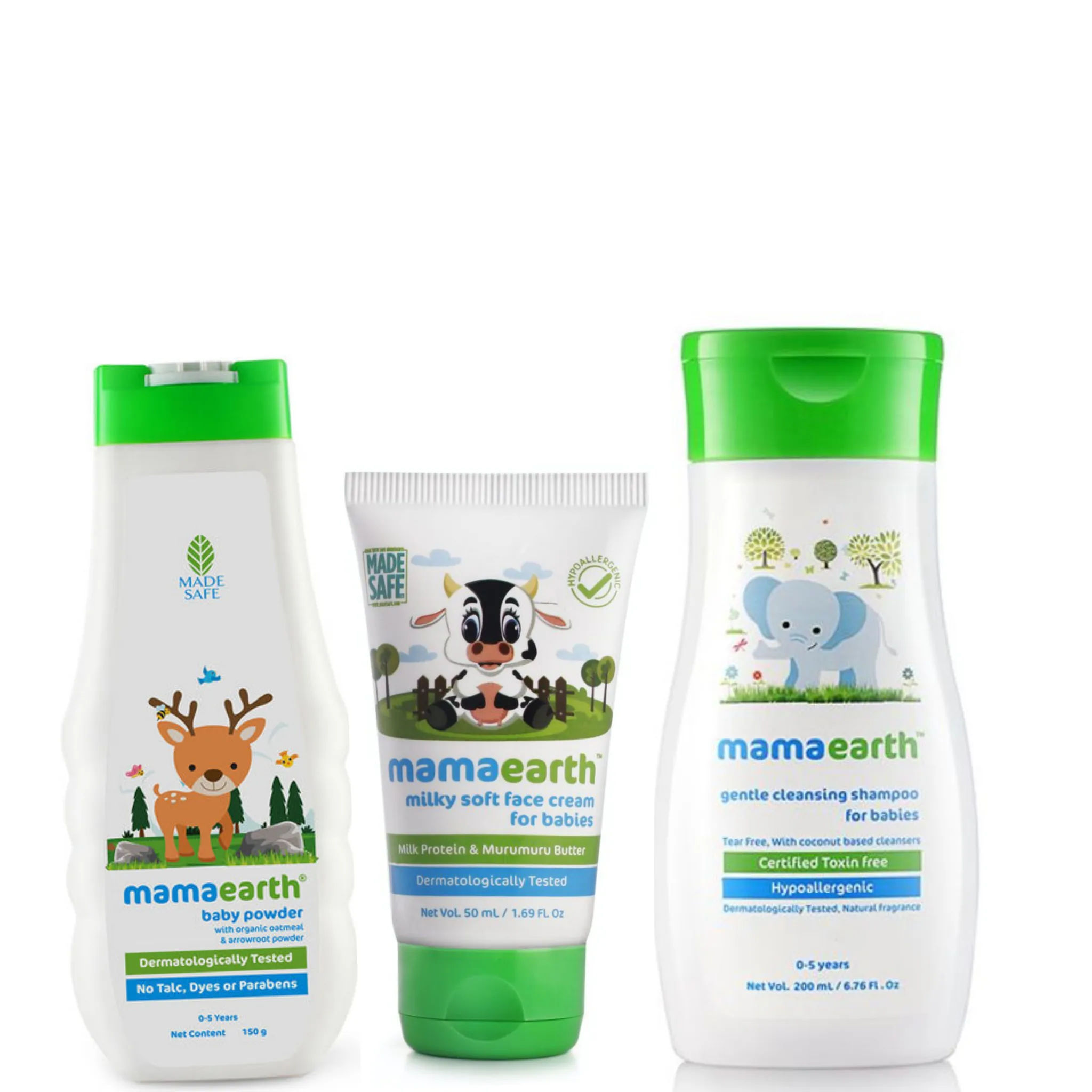
Mamaearth Ubtan Natural Baby Powder
- ✓ Natural Ayurvedic formula with besan and turmeric
- ✓ 100g pack
- ✓ Fragrance-free
* We earn a small commission — at no extra cost to you.
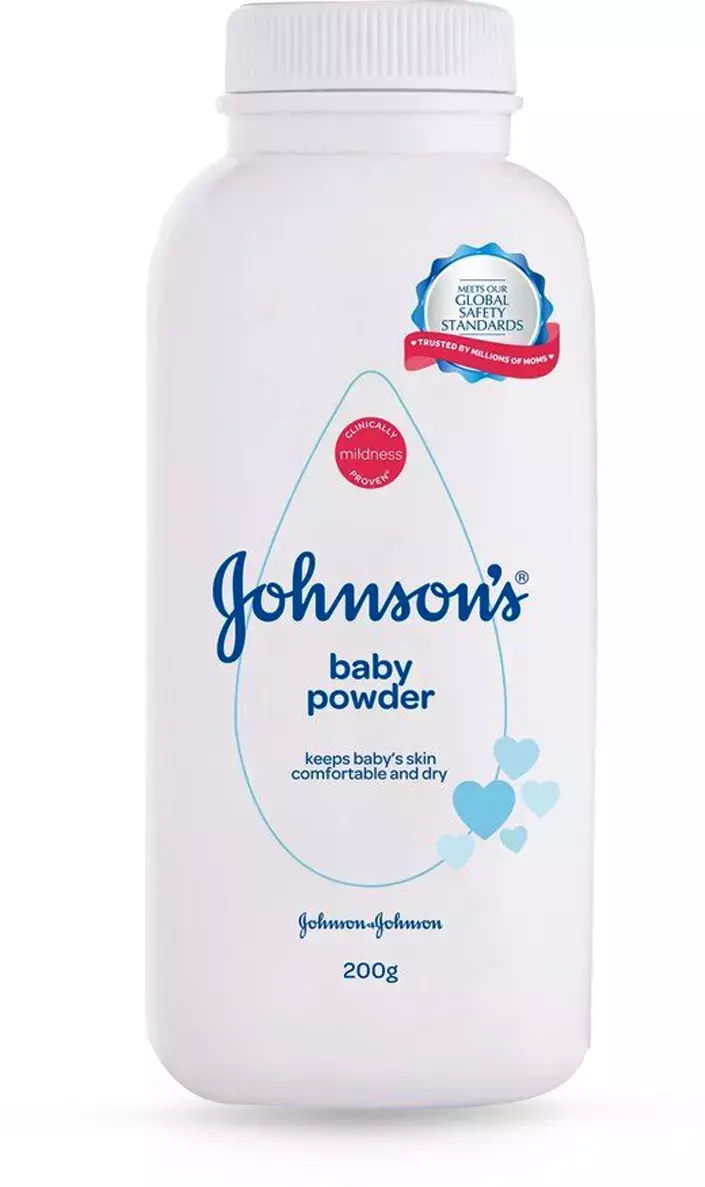
Johnson's Baby Powder (Cornstarch Formula)
- ✓ Talc-free cornstarch base (reformulated 2023)
- ✓ 100g pack
- ✓ Classic mild scent
* We earn a small commission — at no extra cost to you.