
Iron Deficiency in Babies: IAP 2026 Guide to Symptoms, Testing & Supplementation
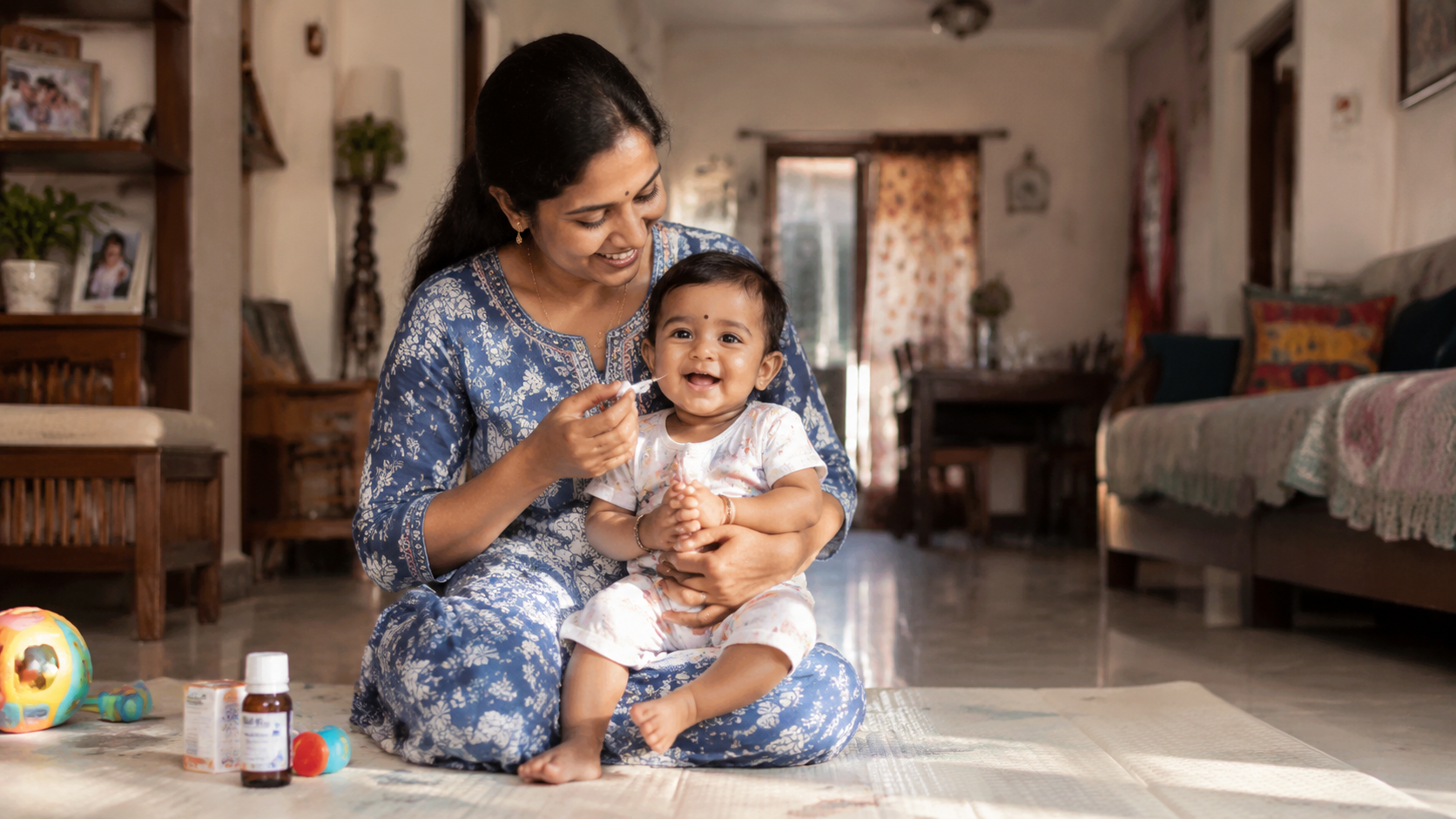
60% of Indian babies develop iron deficiency anemia by age 2, according to IAP 2026 data. Early signs include pale skin, poor feeding, and fatigue. Testing at 6, 9, and 12 months helps catch it early; iron supplementation combined with iron-rich foods (ragi, dal, leafy greens) and vitamin C sources prevents deficiency.
Iron deficiency is one of the most common nutritional deficiencies I've seen among babies in my parent circles across Delhi and Mumbai-and honestly, it's preventable. Your paediatrician has probably mentioned it, but the data is stark: IAP (Indian Academy of Pediatrics) reports that up to 60% of Indian babies under 2 years develop some level of iron deficiency anemia. The tricky part? Early stages have almost no visible symptoms. By the time parents notice something's wrong, the baby's hemoglobin has already dropped significantly.
This guide covers everything you need to know about iron deficiency in babies-what causes it, how to spot it, when to test, and the most practical supplementation and food-based solutions available in India right now (2026).
Understanding Iron Deficiency in Indian Babies
Iron deficiency anemia: a condition where the body doesn't have enough iron to produce hemoglobin, the protein in red blood cells that carries oxygen to tissues. In babies, it slows growth, delays development, and weakens immunity.
Why is it so common in India? A few reasons: exclusive breastfeeding (which is great) doesn't provide enough iron after 6 months; many babies start solid foods late; and common weaning foods like white rice and roti lack iron. Add in malabsorption issues (common in Indian climates), and you have a perfect storm.
According to a recent AIIMS study, iron deficiency prevalence peaks between 9-18 months-exactly when babies transition to semi-solid foods. This is your critical window to act.
Symptoms & When to Get Your Baby Tested
Mild iron deficiency often has zero symptoms. Moderate to severe cases show signs like:
- Pale skin, especially on the inside of the lower eyelid and palms
- Delayed motor milestones (sitting up, walking)
- Poor appetite or picky eating
- Fatigue and reduced play activity
- Recurrent infections and slower wound healing
- Breathlessness during feeding or play
Normal hemoglobin ranges by age (IAP 2026 guidelines):
| Age | Normal Hemoglobin (g/dL) |
|---|---|
| 6 months | 9.5-13.5 |
| 12 months | 9.5-13.5 |
| 2 years | 10.5-13.5 |
Most paediatricians recommend routine screening at 6, 9, 12, and 18 months. If your baby shows symptoms or has risk factors (low birth weight, delayed cord clamping not done, or early weaning), test sooner. A simple finger-prick hemoglobin test costs around Rs. 200-400 at any diagnostic centre in Bengaluru, Pune, Lucknow, or smaller cities.
Iron Supplements: Drops, Timing & Side Effects
If testing confirms low iron, your paediatrician will recommend supplementation. The most common options in India are iron drops, which are affordable and easy to dose for babies.
Top iron supplements available on Amazon.in (2026):
- Orofer XT Syrup (Rs. 189): contains ferrous fumarate, 15 mg elemental iron per 5 mL dose. Well-tolerated, less constipating than some alternatives. Take with orange juice or vitamin C for better absorption.
- FeRise Iron Supplement (Rs. 149): plant-based iron (ferrous bisglycinate), gentler on the stomach, fewer side effects. Recommended if your baby has constipation or digestive sensitivity.
Important absorption tips: Iron is absorbed best on an empty stomach or with vitamin C (fresh orange juice, ragi with tomato). Avoid giving iron with milk, tea, or calcium supplements-they block absorption by up to 50%. Space them at least 2 hours apart.
Common side effects and what to expect:
- Black/dark stools (normal, not blood)
- Mild constipation or loose stools
- Stomach upset or nausea
- Metallic taste (older babies may refuse)
If constipation is severe, increase water intake, add ragi or dal-based foods, and consult your paediatrician about switching to bisglycinate forms. Most babies adjust within 2 weeks.
Iron-Rich Foods: Building a Vegetarian Baby Diet
Supplements work faster, but food is your long-term ally. Here are the best Indian plant-based iron sources for babies (6+ months):
| Food | Iron per 100g | Best Age to Introduce | Serving Tip |
|---|---|---|---|
| Ragi (finger millet) | 3.9 mg | 6 months | Porridge, flour paste, mixed with dal water |
| Spinach purée | 2.7 mg | 8 months | Mixed with dal, never with milk at same meal |
| Moong dal | 2.4 mg | 6 months | Khichdi, dal water, soft moong |
| Masoor dal | 3.2 mg | 8 months | Soft cooked, mixed in porridge |
| Pumpkin (cooked) | 0.8 mg | 6 months | Mash, add to dal khichdi |
Boost absorption with vitamin C: Pair iron-rich foods with vitamin C sources. A classic example: ragi porridge with a few drops of fresh orange juice, or dal khichdi with a small amount of pumpkin (which has vitamin C). This combination increases iron absorption by up to 3x.
Popular iron-boosted baby food products available on Amazon.in include Slurrp Farm Organic Ragi Whole Grain (Rs. 199) and Timios Iron Bites (Rs. 245, fortified with added iron). Both are convenient for busy parents in Mumbai, Chennai, Jaipur, or Lucknow.
What Paediatricians Say
Expert Perspective on Iron Deficiency Prevention
Paediatricians across India emphasize that iron deficiency is preventable with early intervention. IAP guidelines recommend iron supplementation for all babies from 6 months if breast-fed (or earlier if formula-fed with low-iron formula). Key takeaway: start screening at 6 months, don't wait for symptoms. Combine supplementation with iron-rich, vitamin C-paired foods for fastest results.
Quick Supplementation & Food Checklist
- Get baseline hemoglobin test at 6 months (costs Rs. 200-400)
- If low, start iron drops: Orofer XT or FeRise as prescribed by paediatrician
- Give iron on empty stomach or with orange juice; never with milk
- Introduce ragi, dal, and spinach purées by 8 months
- Pair iron foods with vitamin C every meal (tomato, pumpkin, citrus)
- Re-test hemoglobin at 12 months to confirm improvement
Our Top Picks
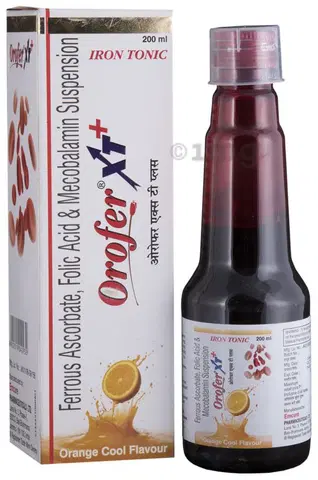
Orofer XT Iron Supplement Syrup
- ✓ Ferrous fumarate 15 mg elemental iron per 5 mL
- ✓ Age 6 months+
- ✓ 250 mL bottle, approximately 50 doses
* We earn a small commission — at no extra cost to you.
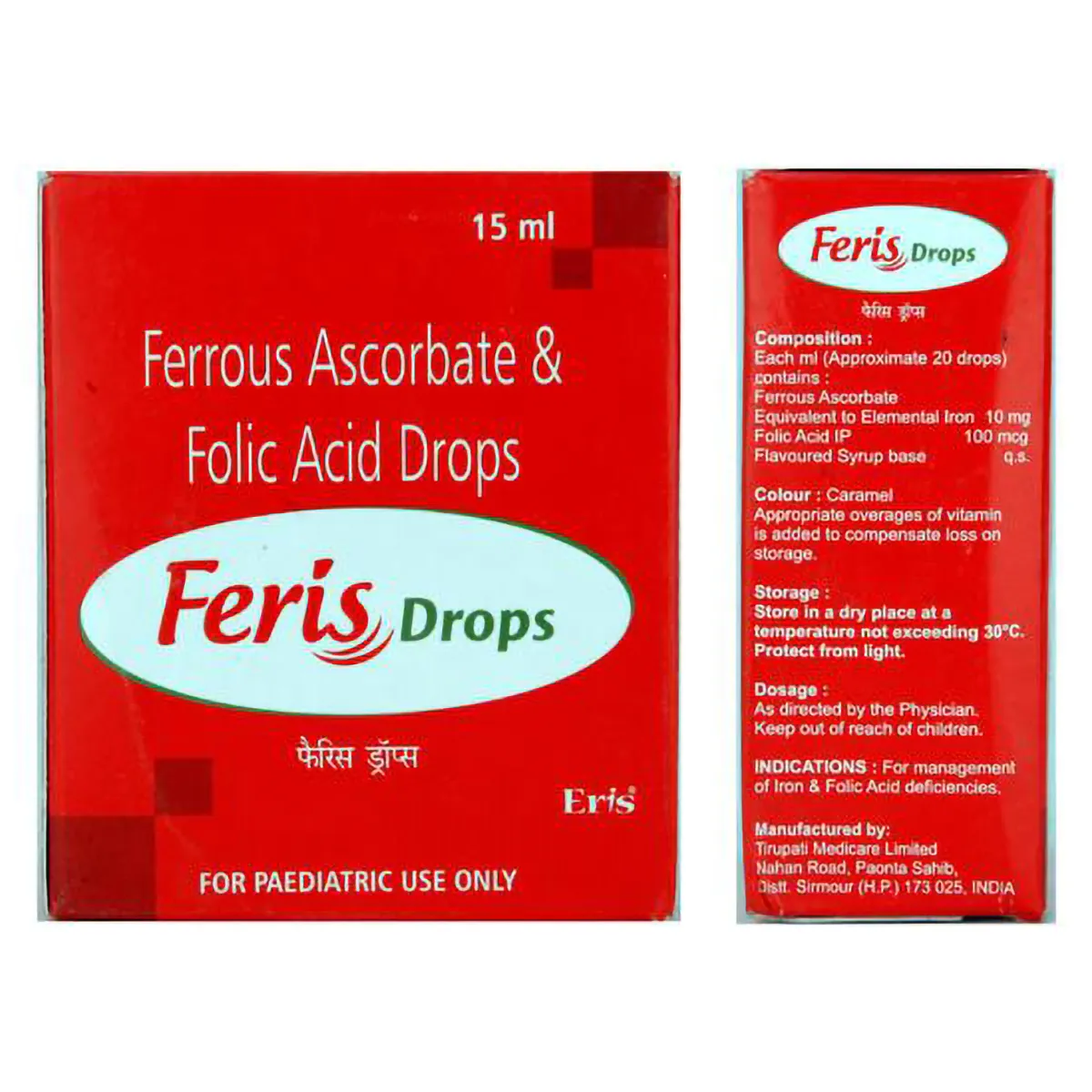
FeRise Plant-Based Iron Drops
- ✓ Ferrous bisglycinate, gentle on stomach
- ✓ Age 6 months+
- ✓ 30 mL bottle, 50+ drops
* We earn a small commission — at no extra cost to you.
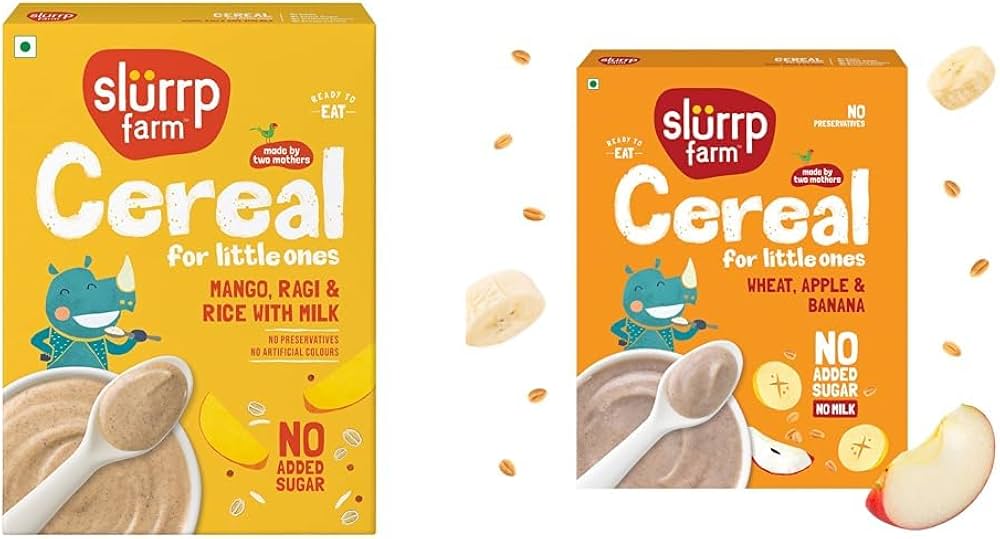
Slurrp Farm Organic Ragi Whole Grain Flour
- ✓ 3.9 mg iron per 100g, no added sugar
- ✓ BIS certified, organic
- ✓ 500g pack, suitable from 6 months
* We earn a small commission — at no extra cost to you.
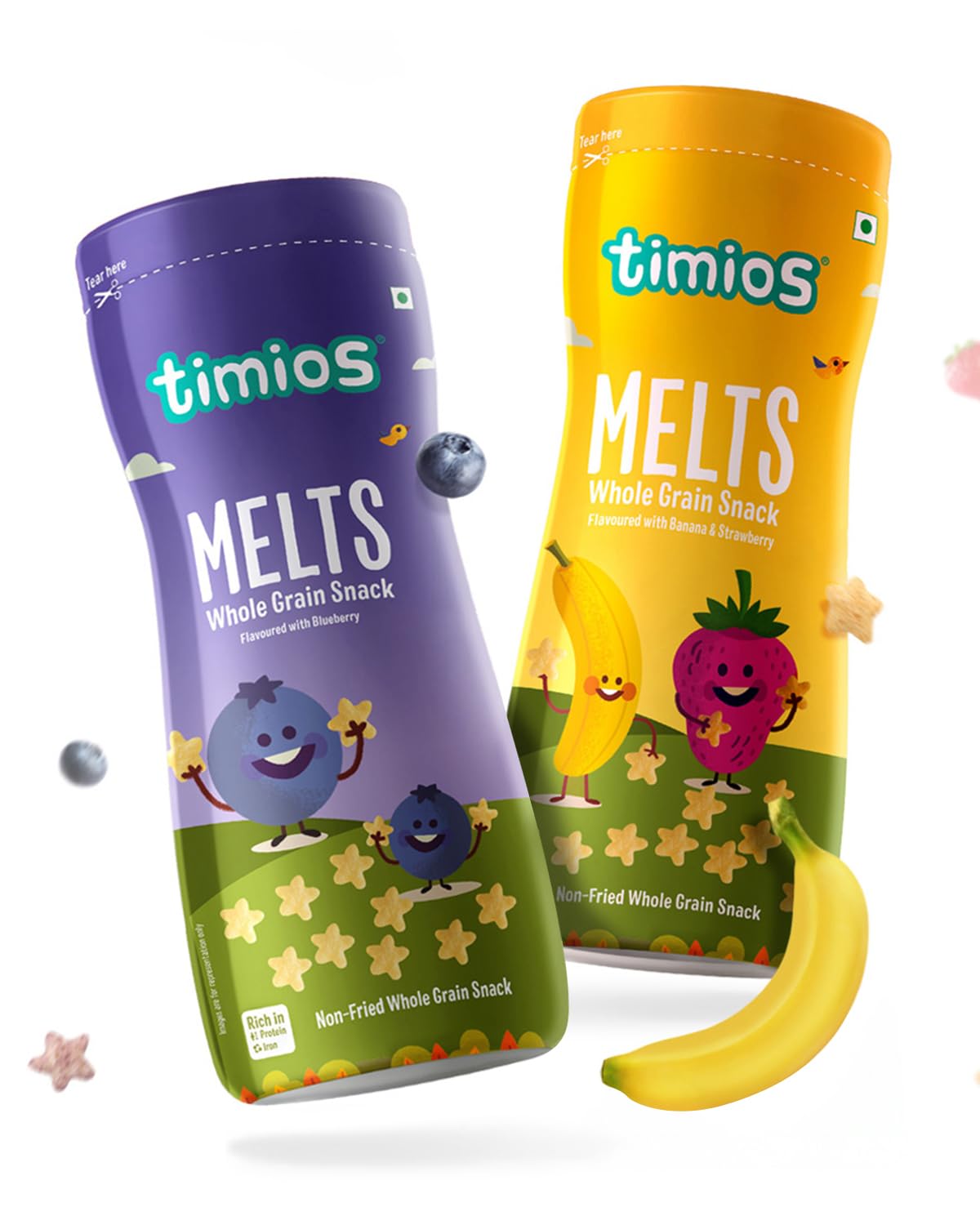
Timios Iron Bites Baby Food
- ✓ Iron-fortified, made with ragi and dal
- ✓ No added sugar, no preservatives
- ✓ 120g pack, age 8 months+
* We earn a small commission — at no extra cost to you.