
Iron Deficiency in Babies 6–24 Months: IAP Screening Guide & Indian Food Sources

Iron deficiency in Indian babies aged 6–24 months shows as pale skin, fatigue, and poor feeding — not just weakness. IAP 2026 recommends screening at 9–12 months with hemoglobin above 11 g/dL as normal for this age. Natural sources like ragi (₹80/kg), moong dal (₹140/kg), and spinach puree boost iron; pair with vitamin C-rich fruit for better absorption, and avoid giving calcium-rich foods in the same meal as iron-rich foods.
Why Iron Deficiency Looks Different in Babies Than Adults
Iron deficiency in babies doesn't announce itself loudly. Unlike adults who often feel dizzy or breathless, iron deficiency in babies (also called anaemia when hemoglobin drops low) sneaks up quietly—and that's why many Indian parents miss it until a routine check-up flags it.
The reason? Babies under 24 months have smaller blood volumes and higher iron demands relative to their body size. When iron stores deplete, their bodies prioritise the brain and heart over energy for active play. So you see a listless baby, one who doesn't reach for toys or cries more frequently than usual, but the connection to iron doesn't feel obvious. Pale inner eyelids and pale nail beds are the early visual cues—much more reliable than a baby's fatigue, which can mean a dozen other things.
According to IAP (Indian Academy of Pediatrics) 2026 guidelines, screening at 9–12 months is recommended for all babies, regardless of feeding method, because the iron stores babies are born with deplete by 6 months if not replenished through food or breast milk (which naturally contains less iron than formula or solid foods). A hemoglobin level below 11 g/dL at 12–24 months signals iron deficiency in this age group; a level of 10 g/dL or lower indicates anaemia and warrants immediate intervention.
Indian Vegetarian Iron Sources: Cost, Absorption, and Real Quantities
The best iron intervention starts with food—and India's vegetarian staples are iron powerhouses when prepared correctly.
Ragi (finger millet): ₹80–120 per kg across tier-1 cities. Ragi contains 9.3 mg of iron per 100g (raw), but the bioavailability—the amount your baby's body actually absorbs—is limited by phytic acid, a natural compound in grains that binds iron. Soaking ragi for 2–4 hours or fermenting it overnight reduces phytic acid by up to 50%, boosting absorption. A serving of ragi porridge (30g ragi mixed with 150ml warm milk or water) provides roughly 2.8 mg of iron, of which your baby absorbs 15–20% without soaking, rising to 30–40% if soaked first. For a 12–18 month old, this counts as a meaningful iron hit in a single meal.
Moong dal (mung lentil): ₹140–180 per kg. Moong dal contains 6.3 mg iron per 100g and is gentler on tiny digestion than heavier dals. Pressure-cook 20g moong dal (about 3 tablespoons) until very soft, mash thoroughly, and serve as a paste mixed into rice or roti. The combination of moong dal + rice is nutritionally smart because the rice's acidity slightly improves iron absorption compared to moong dal alone. Serve 3–4 times weekly for cumulative benefit.
Spinach puree: Fresh spinach contains 2.7 mg iron per 100g, and mild spinach oxalates (compounds that can block absorption) are reduced by cooking. Blanch a small handful of spinach (about 40g) for 1–2 minutes, purée with a little water, and mix into khichdi or ragi porridge. One serve (2–3 tablespoons puree) delivers roughly 0.8–1 mg absorbable iron. Spinach is best used as a regular mixer rather than a standalone iron source because of its oxalate content, but combined with vitamin C (see below), absorption improves substantially.
The absorption rule: Pair every iron-rich meal with a vitamin C source—mango puree (₹40–60 per kg, seasonal), pear puree, or a few drops of citrus juice. Vitamin C can triple iron absorption. Separately, do not give calcium-rich foods (dahi/curd, paneer, milk) in the same meal as iron-rich foods. Iron and calcium compete for absorption in the gut, so if you serve moong dal with a side of paneer, your baby absorbs less iron from both. Wait 2 hours between iron-rich meals and calcium-rich meals for optimal absorption.
IAP 2026 Screening Timeline and What Hemoglobin Numbers Actually Mean
Paediatricians follow IAP's age-specific hemoglobin cutoffs because a level that's normal for a 6-month-old is dangerously low for a 2-year-old.
For babies aged 6–11 months, hemoglobin should be 11 g/dL or higher. At 12–59 months (12 months to just under 5 years), normal hemoglobin is 11.5 g/dL or higher. A result between 10 and 11 g/dL at 12–24 months signals mild iron deficiency anaemia; below 10 g/dL is moderate anaemia requiring urgent supplementation.
Screening happens via a simple finger-prick or heel-prick hemoglobin test, usually during the 12-month vaccination visit. If your paediatrician doesn't offer it, ask—it's a preventive standard, not optional. Early detection prevents developmental delays (low iron impairs cognitive development in the first 24 months) and future learning issues that surface at school age. The catch: once iron deficiency is confirmed, food alone often isn't enough to restore stores quickly. That's where supplements enter the picture.
Supplements: When and Which Ones Work
If screening shows hemoglobin below 11 g/dL at 12–24 months, your paediatrician will prescribe an iron supplement—never self-supplement. Over-supplementation is toxic and causes constipation, dark stools, and nausea in babies.
Orofer XT (a widely available oral iron drop in India) contains 20 mg of elemental iron per 5ml. A typical dose for a 12–18 month old is 2.5–5ml daily, given as directed by your doctor, preferably on an empty stomach 2 hours before or after calcium-rich foods and vitamin C-rich foods (the vitamin C should come from food in that case, not a separate supplement, unless directed otherwise). The liquid formulation is standard for babies because tablets cannot be swallowed whole. Expect dark stools—that's normal and harmless. Improvement (better appetite, more alertness, a return to normal play) typically shows within 2–3 weeks; hemoglobin normalization takes 6–8 weeks. Repeat testing at 6–8 weeks confirms the supplement is working; if hemoglobin hasn't budged, your paediatrician may investigate absorption blockers (coeliac disease, chronic diarrhoea) or adjust the dose.
Common Myths: Does Ghee Block Iron? Should You Worry About Calcium?
Ghee (clarified butter) contains fat, and fat does not directly block iron absorption—this is a misunderstanding. What matters is calcium. Ghee used in cooking is fine; the concern is calcium-rich foods eaten at the same meal as iron-rich foods. One tablespoon of ghee in khichdi won't impair iron absorption from the moong dal in that same khichdi, because ghee has negligible calcium. However, if you serve that same moong dal khichdi with a bowl of dahi or milk on the side, calcium does compete with iron. Timing is the fix: serve the iron-rich meal first, wait 2 hours, then offer dairy.
Another myth: that exclusively breastfed babies can't become iron-deficient. Breast milk is excellent for a 0–6 month old but contains only 0.3 mg of iron per litre—insufficient for a 9–month-old baby whose stores have depleted. Once your baby is on solids (6+ months), iron-rich solids become essential, not optional. Breastfeeding can continue, but it should not replace iron-rich food introduction.
Red Flags: When to See a Doctor Urgently
Persistent pale skin inside the eyelids and nail beds, shortness of breath during normal play, rapid heartbeat (check by placing your hand on the baby's chest—over 120 beats per minute at rest), severe lethargy (baby barely moves or responds), or loss of appetite warrant immediate medical attention. These suggest moderate to severe anaemia, not mild iron deficiency. Don't wait for a routine visit; call your paediatrician or visit a clinic.
Our Top Picks

Orofer XT Oral Iron Drops for Infants 20mg/5ml
- ✓ 20mg elemental iron per 5ml
- ✓ Liquid formulation for easy dosing
- ✓ Typically prescribed for babies 6 months and above
* We earn a small commission — at no extra cost to you.
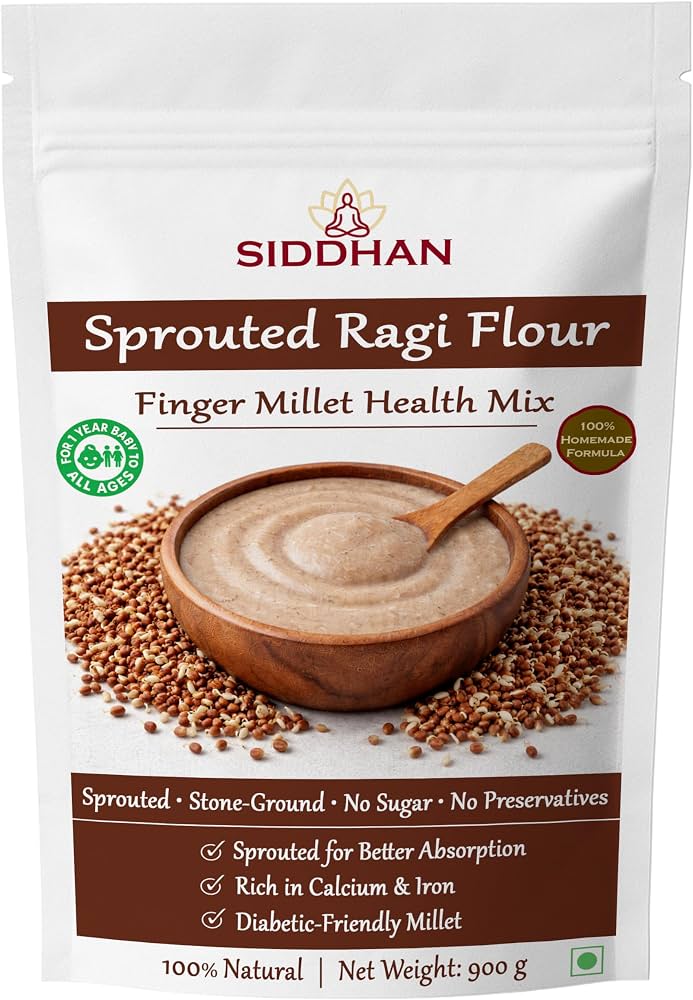
Organic Ragi Flour (Finger Millet) 1kg
- ✓ 9.3mg iron per 100g
- ✓ No added sugar or preservatives
- ✓ Can be soaked overnight to reduce phytic acid
* We earn a small commission — at no extra cost to you.
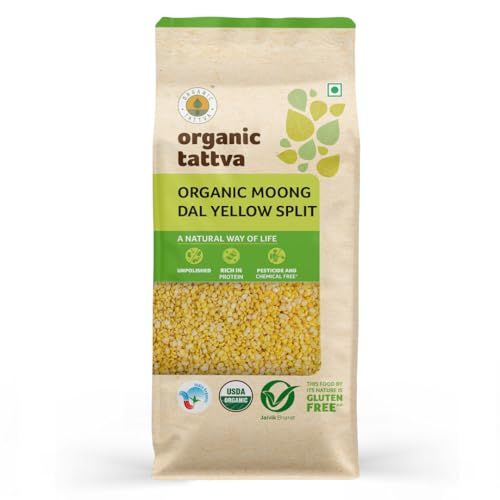
Yellow Moong Dal (Split Mung Lentil) 1kg
- ✓ 6.3mg iron per 100g
- ✓ Easy to digest for babies 6 months+
- ✓ Pressure-cook until soft for puree consistency
* We earn a small commission — at no extra cost to you.

Organic Fresh Spinach Bundle 500g (Weekly Delivery)
- ✓ 2.7mg iron per 100g when cooked
- ✓ Farm-fresh, no pesticide residue
- ✓ Blanch 1–2 minutes before serving to reduce oxalates
* We earn a small commission — at no extra cost to you.