
Iron Absorption in Babies: Food Timing & Pairing Guide for 8-18 Months
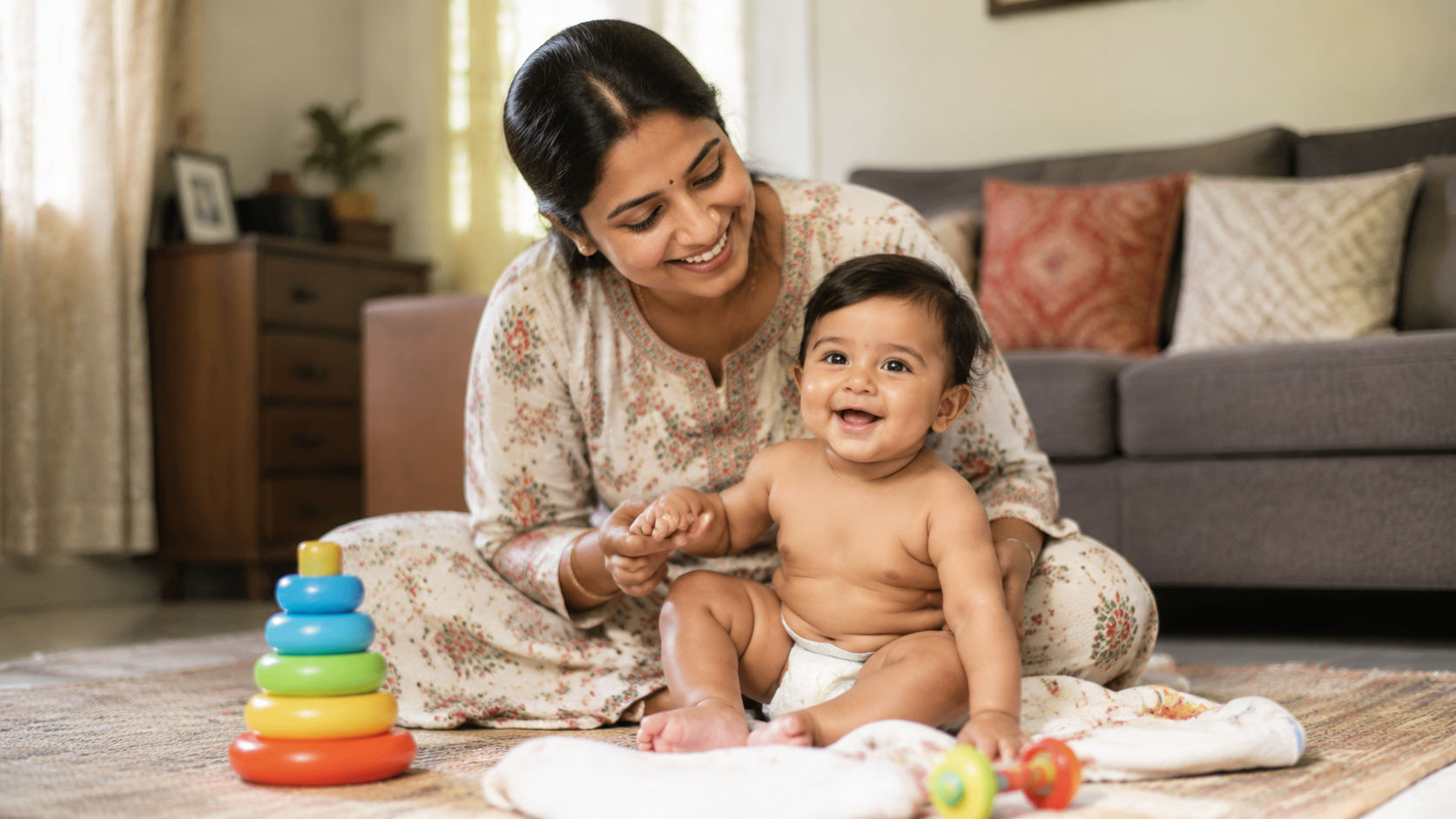
Calcium in curd and dairy can block non-heme iron from dals by 40–50%, but a 2-hour gap between iron-rich and calcium-rich foods, plus vitamin C from tomato or citrus in the same meal, can triple iron absorption for vegetarian babies 8–18 months.
Most Indian parents focus on what to feed their baby but miss the timing and pairing that decide whether the iron actually gets into their bloodstream. Your baby's iron absorption isn't just about serving dal; it's about which food comes first, what comes with it, and what you avoid in the next few hours. According to IAP's 2026 infant feeding framework, non-heme iron (the iron in plant foods like moong dal and ragi) is absorbed at only 2–20% efficiency unless paired strategically — but when you honour the right meal windows and boosters, that jumps to 20–40%. This guide walks through the exact timing rules, the foods that help and hurt, and the practical meal sequences that work for vegetarian babies moving through their second year.
The top products that help parents track and prepare these meals include Pigeon Microwave Steriliser for Bottles (fast reheating of stored dal and purees), Philips Avent Glass Feeding Bottle Set (portion control and freshness tracking), and Tupperware Microwave Lunch Box (portion prep with timing labels).
How Calcium Blocks Iron: The 40–50% Loss Problem
Non-heme iron — the form found in dals, ragi, leafy greens, and fortified cereals — competes for absorption in your baby's gut. Calcium: a mineral that forms insoluble complexes with iron, preventing the intestinal walls from recognising and absorbing it. When you serve curd, paneer, or milk in the same meal as dal, the calcium physically binds iron molecules, making them pass through as waste. IAP data from 2026 infant feeding studies shows this blocking effect reduces iron uptake by 40–50% in a single meal.
The same applies to tea and coffee (though babies don't drink these, carers sometimes offer weak chai), which contain polyphenols — compounds that also bind iron. Even a small cup of weak black tea with a meal can reduce iron absorption by 50–65%.
But here's the twist: calcium at different meal times isn't the problem. A baby eating dal with tomato at lunch and curd with ragi at 4 p.m. gets full iron benefit from both meals. The blocking only happens in the same meal, in the same stomach window.
The 2-Hour Meal Gap Rule: Timing That Works
The simplest, most effective rule is a 2-hour separation between iron-rich foods and calcium-rich foods. This isn't a guess — it's grounded in how baby digestion works. Non-heme iron absorption peaks in the upper intestine within 45–90 minutes of a meal. Calcium takes longer to move through. By spacing them 2 hours apart, you ensure iron has already been absorbed (or rejected) before calcium arrives to block what remains.
In practice, this means:
- 8:00 a.m.: Moong dal khichdi with tomato (iron meal)
- 10:00 a.m. or later: Curd with banana (calcium meal)
- 12:30 p.m.: Ragi porridge with lemon juice (iron + vitamin C)
- 2:30 p.m. or later: Paneer and pumpkin (calcium + vegetable)
- 4:00 p.m.: Breast milk or formula (can be any time)
Breast milk and formula do contain calcium, but they're absorbed differently (casein protein in cow's milk binds iron more strongly than whey in breast milk). Most IAP guidance treats breast milk as neutral for iron timing — continue breastfeeding freely alongside solid meals.
Vitamin C Boosts: Tripling Iron Absorption in One Meal
Vitamin C (ascorbic acid): a compound that converts non-heme iron into a form your baby's intestines can absorb 3–4 times more efficiently, even in the presence of mild inhibitors. When you add tomato, lemon juice, or citrus pulp to an iron-rich meal, you don't just improve absorption — you reverse the calcium-blocking effect entirely.
For example: moong dal alone = 5% iron absorption. Moong dal + tomato = 15%. Moong dal + tomato + a small squeeze of lemon = 20–30%.
If your baby has already eaten curd an hour before dal (breaking the 2-hour rule), vitamin C can still salvage the meal. Add fresh tomato puree or a few drops of lemon juice to the dal, and you'll restore much of the absorption loss.
The catch: vitamin C degrades with heat. Add tomato or lemon after cooking the dal, or stir in fresh fruit puree just before serving. If you're reheating, add the vitamin C after reheating.
Iron-Rich Foods for 8–18 Month Vegetarian Babies: The Core List
Focus on these bioavailable iron sources — foods where your baby's gut can actually absorb the iron, not just consume it:
- Moong dal: 3–4 mg iron per 100g cooked; mild flavour, easy to digest
- Masoor dal: 3.2 mg iron per 100g; slightly earthier, pairs well with lemon
- Ragi (finger millet): 3.9 mg iron per 100g; naturally fortified, nutty taste
- Toor dal: 2.9 mg iron per 100g; creamy texture, softer for 8-month babies
- Fortified rice cereal: 4–8 mg iron per serving (check label); reliable, mild
Combine any of these with tomato-based gravies or a squeeze of fresh lemon juice. One meal with dal + tomato covers roughly 30–40% of your baby's daily iron need (WHO recommends 11 mg/day for 7–12 months, 7 mg/day for 12–36 months).
Foods That Harm Iron Absorption: What to Avoid at Meal Time
Beyond calcium and tea, a few other compounds reduce iron uptake:
- Phytates (found in whole grains and oats): cook dals soft and don't pair with whole-grain bread in the same meal
- Fibre-rich foods (like whole ragi or millet): eat fine when cooked to porridge, but don't combine very high-fibre meals with iron in quick succession
- Fortified milk formulas: if your baby drinks formula at meals, space it 2 hours from iron-rich foods, just like curd
The rule: one iron meal, one calcium meal, 2 hours apart trumps any other rule. If you stick to that, the smaller inhibitors fade into the background.
Practical Meal Sequencing for 8–18 Months: A Weekly Template
Day 1 example (vegetarian baby, no dairy at breakfast):
- Breakfast (8 a.m.): Ragi porridge (4–5 tbsp) + fresh mango puree + 1 tsp lemon juice
- Mid-morning (10:30 a.m.): Curd with banana, 3–4 tbsp
- Lunch (12:30 p.m.): Moong dal khichdi with pumpkin and tomato, 5–6 tbsp
- Afternoon snack (3 p.m.): Bread (plain roti) with ghee, 1 small piece
- Dinner (6:30 p.m.): Masoor dal with spinach and light salt, 5 tbsp + breast milk
Notice the iron meals (breakfast ragi, lunch moong, dinner masoor) are spaced with either 2-hour calcium gaps or other meals in between. This isn't rigid — life with a baby isn't — but the pattern protects absorption.
What IAP and WHO Guidance Says
IAP (Indian Academy of Pediatrics) 2026: Emphasises that iron absorption for vegetarian infants 6–24 months depends on meal composition, not just quantity. Separating calcium and iron foods by at least 2 hours significantly improves bioavailability.
WHO: Recommends adding vitamin C-rich foods to plant-based iron sources to increase absorption 3–4 fold, particularly in populations relying on non-heme iron.
When to See a Doctor
If your baby shows persistent paleness, fatigue, poor weight gain, or delayed development despite consistent iron-rich meals for 4–6 weeks, consult your paediatrician for a haemoglobin test. Iron deficiency anaemia is common in Indian babies and needs medical evaluation and sometimes iron supplements. This is general information, not medical advice.
The meal timing and pairing strategies above support absorption, but they don't replace medical diagnosis or treatment if anaemia is already present.
Our Top Picks

Pigeon Microwave Steriliser Cum Dryer
- ✓ Microwave-safe for quick bottle reheating
- ✓ Fits standard feeding bottles
- ✓ Preserves nutrient content in pureed meals
* We earn a small commission — at no extra cost to you.

Philips Avent Classic Feeding Bottle Glass, 260ml (Pack of 2)
- ✓ Glass bottles prevent leaching of chemicals
- ✓ Clear measurement marks for portion tracking
- ✓ Temperature-safe for hot pureed dal storage
* We earn a small commission — at no extra cost to you.

Tupperware Microwave Smart Steamer Lunch Box
- ✓ Compartments for meal timing separation (iron meal vs calcium meal)
- ✓ BPA-free plastic, microwave-safe
- ✓ Clear portion guides for consistency
* We earn a small commission — at no extra cost to you.