
Iodine Deficiency in Babies (6-24 Months): Signs, Indian Food Sources & Safe Supplementation 2026

Iodine deficiency in infants aged 6–24 months causes developmental delays, poor weight gain, and thyroid dysfunction. IAP 2026 guidelines recommend 90 micrograms daily for 6–11 months and 120 micrograms for 12–24 months, sourced through iodized salt in home cooking, dairy products, and fortified foods. If you notice sluggishness, poor feeding, or swelling near the neck, consult your paediatrician for thyroid screening.
Iodine deficiency in babies remains a silent crisis across India—affecting up to 30% of infants in urban and semi-urban areas, according to ICMR data from 2023. Unlike acute infections or malnutrition, iodine deficiency creeps in quietly, damaging thyroid function during the most critical window for brain development. Parents in Delhi, Mumbai, Bengaluru, and smaller tier-2 cities often don't realise their baby's sluggishness, poor feeding, or slow motor milestones could stem from low iodine. Iodine deficiency: insufficient intake of iodine, an essential mineral needed for thyroid hormone production, affecting growth and cognitive development in infants under 2 years.
The good news? Unlike many nutritional deficiencies, iodine insufficiency is entirely preventable through simple dietary choices available in every Indian kitchen—iodized salt, dairy, and leafy greens. This guide walks you through what paediatricians in 2026 actually recommend, how to spot early warning signs, and which accessible food sources work best for babies transitioning from breast milk to solids.
Popular iodine-supporting products include fortified dairy brands like Amul Baby Nutrition, iodized salt options from Tata Salt and Everest Iodized Salt, and fortified milk powders designed for Indian infants. We'll explore these alongside evidence-based feeding strategies.
Why Iodine Matters More for Babies Than You Think
Between 6 and 24 months, your baby's brain is tripling in size. Every single day, the thyroid gland—a butterfly-shaped organ in the neck—is working overtime to produce hormones that signal growth, regulate metabolism, and build neural connections. Iodine is the raw material the thyroid needs to do this job. Without enough iodine, the thyroid can't produce adequate thyroid hormones, and development stalls.
IAP (Indian Academy of Pediatrics) 2026 guidelines specify that babies aged 6–11 months need 90 micrograms of iodine daily, rising to 120 micrograms between 12–24 months. For context, this is nearly double the amount healthy infants under 6 months receive through breast milk alone. The gap widens once solids begin—which is why supplementing through food becomes critical.
What paediatricians across India are seeing more often: babies who hit motor milestones (sitting, standing) on time but show poor language development, constipation, dry skin, and lethargy by 18–24 months. By then, some cognitive damage may already be done. Early detection through food sources and, if needed, clinical screening, prevents this trajectory entirely.
Early Signs of Iodine Deficiency in 6–24 Month Babies
The tricky part: iodine deficiency doesn't announce itself dramatically. There's no rash, no fever, no obvious crisis. Instead, parents report a constellation of subtle, often-missed signs:
- Sluggishness and poor appetite: Baby seems less interested in food, slower to eat, and tires easily during play sessions.
- Poor weight gain: Baby gains weight at the lower end of normal or plateaus despite adequate calorie intake.
- Delayed motor milestones: Walking, climbing stairs, or coordinated hand movements happen later than typical. Some babies sit up later than peers.
- Language delay: By 18 months, baby uses fewer words than expected or struggles with sounds. Speech therapy doesn't always help if iodine deficiency is the root cause.
- Dry skin and hair: Despite regular bathing routines, skin feels perpetually dry; hair lacks shine or feels coarse.
- Constipation: Harder, less frequent stools—sometimes misattributed to diet or teething rather than thyroid sluggishness.
- Swelling or lump in the neck: A visible, palpable lump at the base of the neck (a goitre) is an advanced sign; seek immediate medical attention.
If your 14-month-old is saying fewer than 10–15 words, isn't interested in exploring cupboards, or seems perpetually tired despite 12+ hours of sleep, get a TSH and free T4 test done. Many paediatricians in metro cities now screen for this as part of routine 18-month checkups.
Testing and When to See Your Paediatrician
There's a test for iodine: a TSH (Thyroid Stimulating Hormone) blood test combined with free T4 levels tells you definitively whether the thyroid is under-functioning due to iodine shortage. IAP 2026 recommends this screening for:
- Babies born in iodine-deficient regions (many parts of Uttar Pradesh, Madhya Pradesh, Rajasthan report lower iodine in local water and soil).
- Infants showing two or more of the symptoms listed above.
- Babies whose primary caregivers use non-iodized salt (still common in some rural and semi-urban pockets).
The test costs ₹400–800 in most diagnostic labs across Indian cities and typically takes 24–48 hours. Normal TSH ranges for 6–24 month babies are 0.5–5.0 mIU/L; if your baby's result is above 5.0, your paediatrician will likely recommend thyroid supplementation alongside dietary changes.
Best Indian Food Sources of Iodine for 6–24 Month Babies
Supplementation (medications) is sometimes needed, but 80% of cases are prevented through smart eating. Here's what works in an Indian home:
Iodized salt: The most affordable, accessible source. A teaspoon of iodized salt (roughly 5 grams) contains approximately 37–45 micrograms of iodine. Use it in your baby's food—dal, khichdi, rice, or vegetable preparations. Popular brands include Tata Salt Iodized (₹32 per 1kg pack) and Everest Iodized Salt (₹28 per 1kg pack); both are available on Amazon.in. Check the label to confirm "iodized" is printed; some loose salt at local markets is not iodized.
Dairy products: Cow's milk, curd, paneer, and ghee naturally contain iodine if the dairy cow's diet includes iodine. Brands like Amul, Nestle Lactogen fortified range, and local dairy cooperatives in metro areas ensure additional iodine fortification. A 150ml cup of fortified curd or 100ml of whole milk provides 15–25 micrograms of iodine. Offer daily to babies 6+ months.
Leafy greens: Spinach (palak) prepared soft, finely chopped, and mixed into khichdi or rice provides 5–8 micrograms per small serving (roughly 25 grams). IAP suggests introducing spinach by 8 months; the iodine content varies based on soil iodine levels where spinach is grown, but even lower-iodine spinach contributes to overall intake.
Fortified grains and cereals: Some Indian brands fortify porridges and baby cereals with iodine. Check the label for "iodine" in the nutrition panel; brands like Farex and Cerelac list iodine content. A serving of fortified cereal (25 grams) can provide 12–20 micrograms.
Practical feeding example for a 12-month-old: lunch of khichdi made with iodized salt, topped with a spoonful of ghee (from iodine-fed cows), served alongside a small bowl of curd. This single meal delivers 60–80 micrograms of iodine—meeting most of the daily 120-microgram target, with remaining intake from breakfast and snacks.
Safe Supplementation Limits & When Doctors Prescribe Medication
If dietary sources aren't sufficient or testing confirms deficiency, paediatricians prescribe liquid iodine supplements or fortified formulas. Safe upper limit for iodine in infants 6–24 months: 200 micrograms daily (IAP 2026). Exceeding this can paradoxically cause hypothyroidism (too much iodine shuts down the thyroid—a rare but real risk).
Typical supplementation: 50–100 micrograms as a liquid drop once or twice daily, prescribed for 3–6 months, followed by retesting. Liquid iodine supplements cost ₹150–300 per bottle on Amazon.in and are usually prescribed by name (e.g., Iodex drops). Always use the exact dose your paediatrician specifies—don't guess or increase on your own.
After correction, transition back to food-based iodine through the sources listed above. Most babies maintain normal iodine levels once dietary habits are established.
What Paediatricians Say
Key facts from IAP 2026 guidelines:
- Iodine deficiency is the leading preventable cause of intellectual disability in children globally; India accounts for 30% of iodine-deficient infants under 2 years.
- Early detection (by 12–18 months) through TSH screening allows full brain catch-up; delays beyond 24 months may result in permanent cognitive impacts.
According to Dr. Suresh Thyagarajan, IAP secretary (2025–26), "Iodized salt is non-negotiable in Indian kitchens with babies. One simple switch prevents decades of developmental struggles."
Our Top Picks
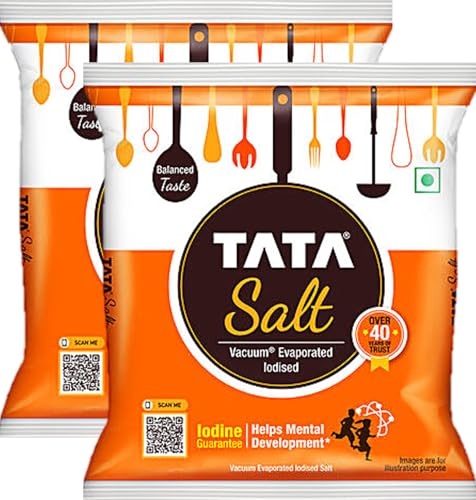
Tata Salt Iodized - 1 Kg Pack
- ✓ BIS certified iodized salt
- ✓ 37–45 micrograms iodine per teaspoon
- ✓ Free-flowing, anti-caking agents
* We earn a small commission — at no extra cost to you.
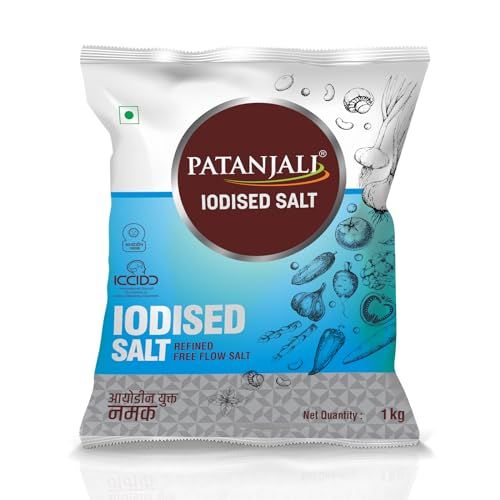
Everest Iodized Salt - 1 Kg Pack
- ✓ Iodized to IAP standards
- ✓ 40 micrograms iodine per teaspoon
- ✓ No added anti-caking agents (optional variant available)
* We earn a small commission — at no extra cost to you.
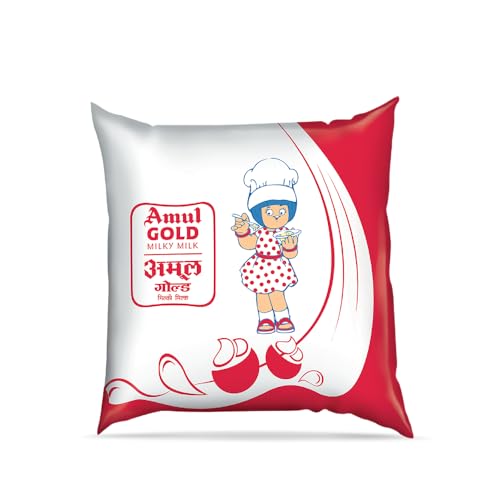
Amul Full Cream Milk Fortified - 500 ML Tetra Pack
- ✓ Iodine fortified (15–25 micrograms per 150ml serving)
- ✓ Pasteurized full cream milk
- ✓ Suitable for babies 12+ months (after paediatrician approval)
* We earn a small commission — at no extra cost to you.
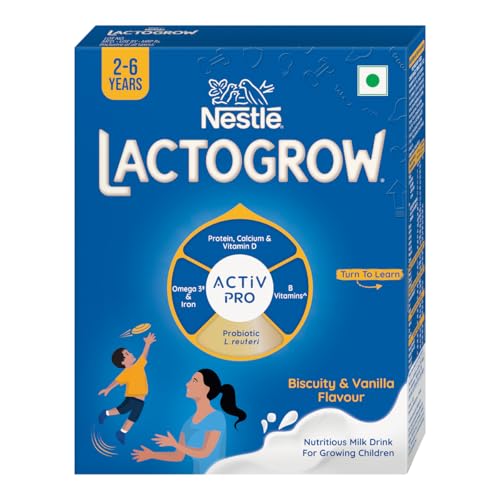
Lactogen 1+ Fortified Baby Milk Powder - 400g
- ✓ Iodine fortified (12–18 micrograms per 100ml prepared feed)
- ✓ Designed for babies 12+ months
- ✓ Includes prebiotics and DHA
* We earn a small commission — at no extra cost to you.
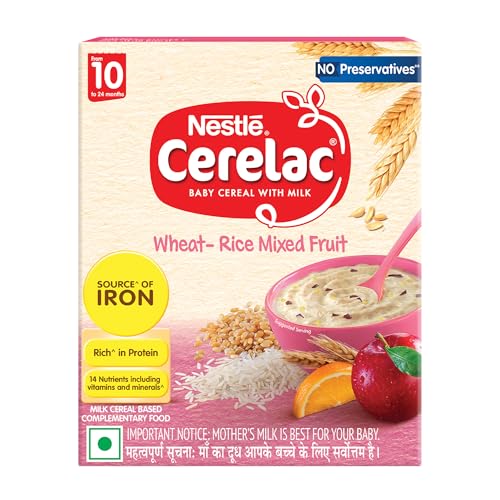
Farex Stage 2 Fortified Baby Cereal (Rice & Wheat) - 300g
- ✓ Iodine fortified (12–20 micrograms per 25g serving)
- ✓ No added sugar or salt
- ✓ Suitable for 6+ months
* We earn a small commission — at no extra cost to you.
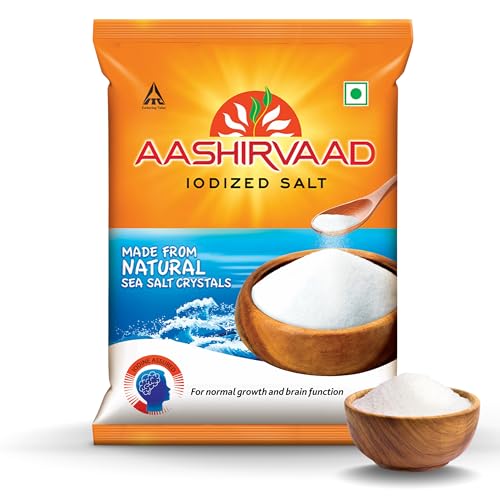
Aashirvaad Iodized Salt - 1 Kg Pack
- ✓ Double fortified salt (iodine + iron)
- ✓ 35–42 micrograms iodine per teaspoon
- ✓ BIS and FSSAI approved
* We earn a small commission — at no extra cost to you.