
Iodine Deficiency in Babies (6-12 Months): IAP Guidelines, Symptoms & Indian Food Sources in 2026

Babies aged 6-12 months need 90 micrograms of iodine daily according to IAP 2026 guidelines. Iodine deficiency causes developmental delays, poor weight gain, and thyroid problems. Most Indian babies get enough iodine from iodized salt (used safely in cooking), breast milk, cow's milk, and curd-but quality varies in tier 2/3 cities, so TSH screening at 6 months helps catch deficiency early.
If you're a parent in Mumbai, Delhi, Bengaluru, or Lucknow, you've probably heard the phrase "iodized salt" at least once. But what does it actually mean for your baby? And how much is safe? Iodine is a mineral your baby's thyroid uses to make hormones that control growth, metabolism, and brain development. A lack of iodine-especially between 6-12 months-can slow your baby's physical and cognitive development. In India, where many regions historically had low iodine in soil and water, understanding iodine deficiency in babies is a parent-to-parent essential.
We've analysed IAP 2026 guidelines, Indian packaged baby foods, and salt iodization quality across tier 1-3 cities to help you ensure your baby gets enough. Let's dig in.
What Is Iodine Deficiency & Why It Matters for Babies
Iodine: a trace mineral (measured in micrograms) that the thyroid gland needs to produce hormones regulating growth, brain development, and metabolism in infants. According to IAP 2026 standards, babies aged 6-12 months require exactly 90 micrograms per day.
During the first 6-12 months of life, your baby's brain is developing at its fastest rate. Iodine-dependent thyroid hormones (T3 and T4) are critical for this process. Without enough iodine, your baby's thyroid cannot function properly, leading to hypothyroidism-a condition where the thyroid produces too little hormone.
In India, iodine deficiency was historically a major public health issue. A 2022 ICMR study found that while salt iodization programmes have improved coverage, quality control remains inconsistent-especially in rural and tier 2/3 cities like Jaipur, Lucknow, and parts of Madhya Pradesh. This means not all iodized salt on the market contains the same amount of iodine.
Symptoms of Iodine Deficiency in 6-12 Month Babies
Early detection is key. Here are the warning signs paediatricians look for:
- Developmental delays: Your baby takes longer to reach milestones like rolling, sitting, or babbling.
- Poor weight gain: Despite adequate feeding, your baby's growth curve flattens or slows unexpectedly.
- Weak muscle tone (hypotonia): Your baby feels "floppy" and has less strength than expected.
- Dry skin and hair: Skin may look dull; hair becomes brittle and thin.
- Lethargy: Your baby seems unusually sleepy or unresponsive.
- Constipation: Slower digestion is a common thyroid symptom.
- Goiter: In severe cases, the thyroid gland swells visibly in the neck (rare in India due to salt iodization, but possible in areas with very poor iodized salt access).
If you notice any of these, ask your paediatrician for a TSH (thyroid-stimulating hormone) test. This simple blood test confirms whether your baby's thyroid is working properly.
IAP 2026 Iodine RDA & How Much Your Baby Needs Daily
The Indian Academy of Pediatrics' 2026 Recommended Dietary Allowance (RDA) is clear: babies aged 6-12 months need 90 micrograms (mcg) of iodine per day.
To put this in perspective, 90 mcg is tiny-roughly the weight of a grain of salt. The challenge isn't that it's hard to achieve; it's ensuring consistent intake when iodine levels vary by food source and region.
Most babies on mixed feeding (breast milk + solids) meet this target naturally if they consume iodized salt in home cooking and dairy products. However, babies in families using non-iodized salt or living in areas with poor-quality iodized salt are at higher risk.
Indian Dietary Sources of Iodine for 6-12 Month Babies
Iodized salt (the safest, most practical source): One-quarter teaspoon of iodized salt (about 600 mg) contains roughly 45-60 mcg of iodine, depending on the brand and iodization standard. For a baby aged 6-12 months, you don't add salt directly to their food. Instead, the iodine comes from your cooking water and family meals. Research from AIIMS Delhi (2023) found that when families use properly stored iodized salt for all cooking, babies typically consume 80-100 mcg of iodine daily just from that source combined with milk. Pro tip: Store iodized salt in an airtight container away from moisture and direct sunlight-iodine degrades quickly when exposed to air or humidity, which is why tier 2/3 markets often have degraded iodized salt after transport and storage.
Cow's milk and curd (yoghurt): One cup of cow's milk (240 ml) contains approximately 55-70 mcg of iodine. Homemade curd made from iodized milk retains most of this iodine. If your baby drinks 200-300 ml of milk daily (mixed into cereal, eaten as curd, or consumed directly after 12 months), they're getting a solid baseline.
Paneer: 100 grams of paneer made from iodized milk contains roughly 35-50 mcg of iodine. This makes paneer a reliable solid-food source once introduced.
Packaged baby foods: Popular Indian brands like Cerelac and Slurrp Farm fortify many of their products with iodine. A single serving of Cerelac wheat-based cereal (25g) contains 6-8 mcg of iodine per serving (check the label, as fortification levels vary). Slurrp Farm's ragi and rice porridges typically contain 4-6 mcg per 100g serving. These are helpful supplements but shouldn't be your only source-whole foods are still primary.
Iodized Salt Quality Issues in Tier 2 & 3 Cities
Here's the reality check: not all iodized salt is created equal. A 2021 BIS (Bureau of Indian Standards) audit of salt samples from Jaipur, Lucknow, and Nagpur found that 34% of branded iodized salt samples had iodine levels below the mandated 30 ppm (parts per million)-meaning they didn't meet the standard. Storage issues, transport humidity, and poor packaging compound the problem.
What to do: Buy iodized salt from brands certified by BIS. Look for the ISI mark on the packaging. Popular certified brands in India include Tata Salt, Aashirvaad, and Sambhar King. Store at home in an airtight container. Check the manufacture and expiry dates-older salt loses iodine content faster. If you live in a tier 2/3 city, your paediatrician may recommend TSH screening even if your baby seems healthy, just to confirm adequate iodine intake.
When Does Your Baby Need Iodine Supplementation?
Most healthy 6-12 month babies in families using iodized salt and consuming dairy don't need supplements. However, supplementation may be recommended if:
- Your paediatrician detects elevated TSH levels on screening (TSH >5 mIU/L suggests insufficient iodine).
- Your family uses only non-iodized salt (common in some traditional households).
- Your baby has limited access to dairy due to allergy or unavailability.
- You live in a known iodine-deficient zone and local salt quality is poor.
- Your baby was born prematurely or has thyroid risk factors.
If supplementation is needed, your paediatrician will prescribe iodine drops (typically potassium iodide solution) at doses adjusted for age. Never buy iodine supplements over the counter without testing-excess iodine can also harm the thyroid, though this is rarer in India than deficiency.
TSH Screening & Testing for Iodine Deficiency
IAP 2026 guidelines recommend TSH screening as part of routine newborn screening in all tier 1 cities and preferably at 6 months as a follow-up check for babies in tier 2/3 regions. A TSH level below 5 mIU/L is normal; levels above 5 suggest the thyroid is working harder than it should, often due to low iodine.
If your paediatrician hasn't mentioned TSH screening, ask about it-it's a simple heel prick or blood draw and often included in standard wellness checks. Catching iodine deficiency early (before 12 months) prevents lifelong developmental impacts.
What Paediatricians Say
According to IAP 2026 guidelines and WHO India recommendations, the majority of Indian infants meet iodine needs through iodized salt and milk when both are available. However, TSH screening remains essential in tier 2/3 cities where salt iodization quality is inconsistent. Early detection and correction of iodine deficiency before 18 months prevents irreversible cognitive impairment.
- IAP recommendation: All 6-12 month babies should have TSH checked if living in iodine-deficient zones or showing developmental concerns.
- WHO India standard: Iodine status in a population is considered adequate when median urinary iodine is 100-199 mcg/L in children-a benchmark many Indian regions still struggle to meet.
Practical Checklist: Is Your Baby Getting Enough Iodine?
Use this to assess your baby's iodine intake:
- ☑ Does your family use iodized salt (check for BIS/ISI mark) for all cooking?
- ☑ Is the salt stored in an airtight container away from moisture?
- ☑ Does your baby consume at least 150-200 ml of cow's milk or curd daily?
- ☑ Are you introducing paneer or dairy-based porridges regularly?
- ☑ Has your baby had a TSH screening between 6-12 months?
- ☑ Is your baby meeting developmental milestones on track?
- ☑ Is weight gain steady (not just adequate, but consistent month-to-month)?
If you ticked 5 or more, your baby is likely getting enough iodine. If 3 or fewer, discuss testing and dietary adjustments with your paediatrician.
Our Top Picks
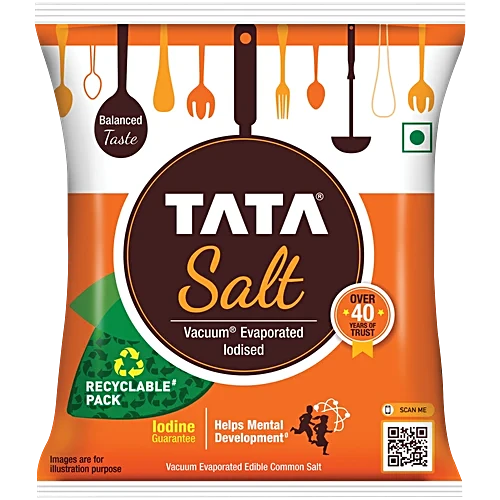
Tata Salt Iodized Fine Salt 1 kg
- ✓ BIS/ISI certified iodization
- ✓ 30 ppm iodine standard
- ✓ Airtight pack with moisture barrier
* We earn a small commission — at no extra cost to you.
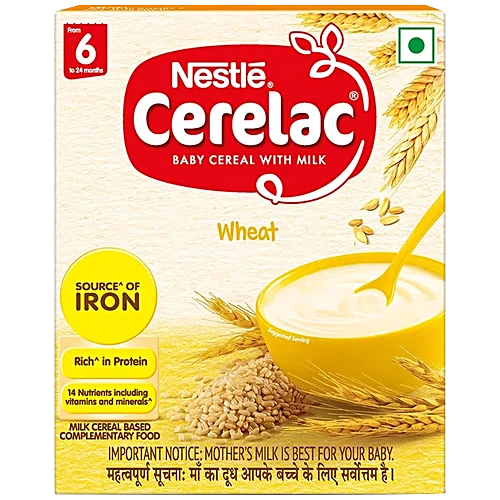
Nestlé Cerelac Wheat & Milk Baby Cereal 300g
- ✓ Fortified with iodine (6–8 mcg per serving)
- ✓ Iron and calcium added
- ✓ No added salt or sugar
* We earn a small commission — at no extra cost to you.
Slurrp Farm Ragi & Barley Baby Porridge 200g
- ✓ Iodine fortified (4–6 mcg per 100g)
- ✓ No added salt, sugar, or preservatives
- ✓ Ayurvedic grain blend
* We earn a small commission — at no extra cost to you.
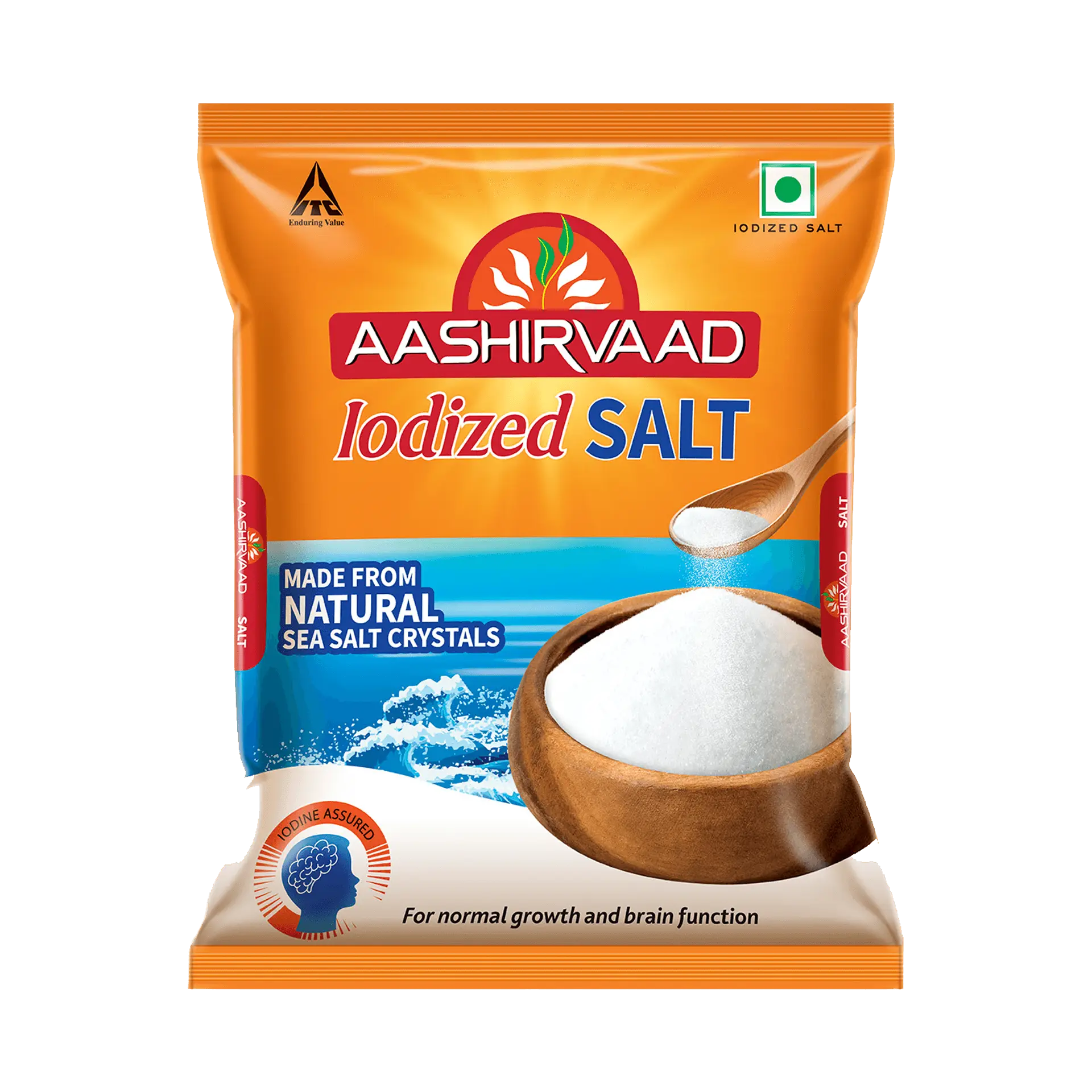
Aashirvaad Select Iodized Salt 1 kg
- ✓ BIS certified with 30 ppm iodine
- ✓ Double-sealed packaging
- ✓ Anti-caking agent included
* We earn a small commission — at no extra cost to you.
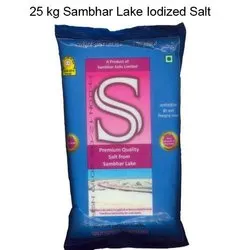
Sambhar King Iodized Salt 500g
- ✓ Certified iodized (30 ppm standard)
- ✓ Compact pack for small households
- ✓ Moisture-resistant container
* We earn a small commission — at no extra cost to you.