
Gripe Water Before or After Feed? What Paediatricians Actually Say in 2026
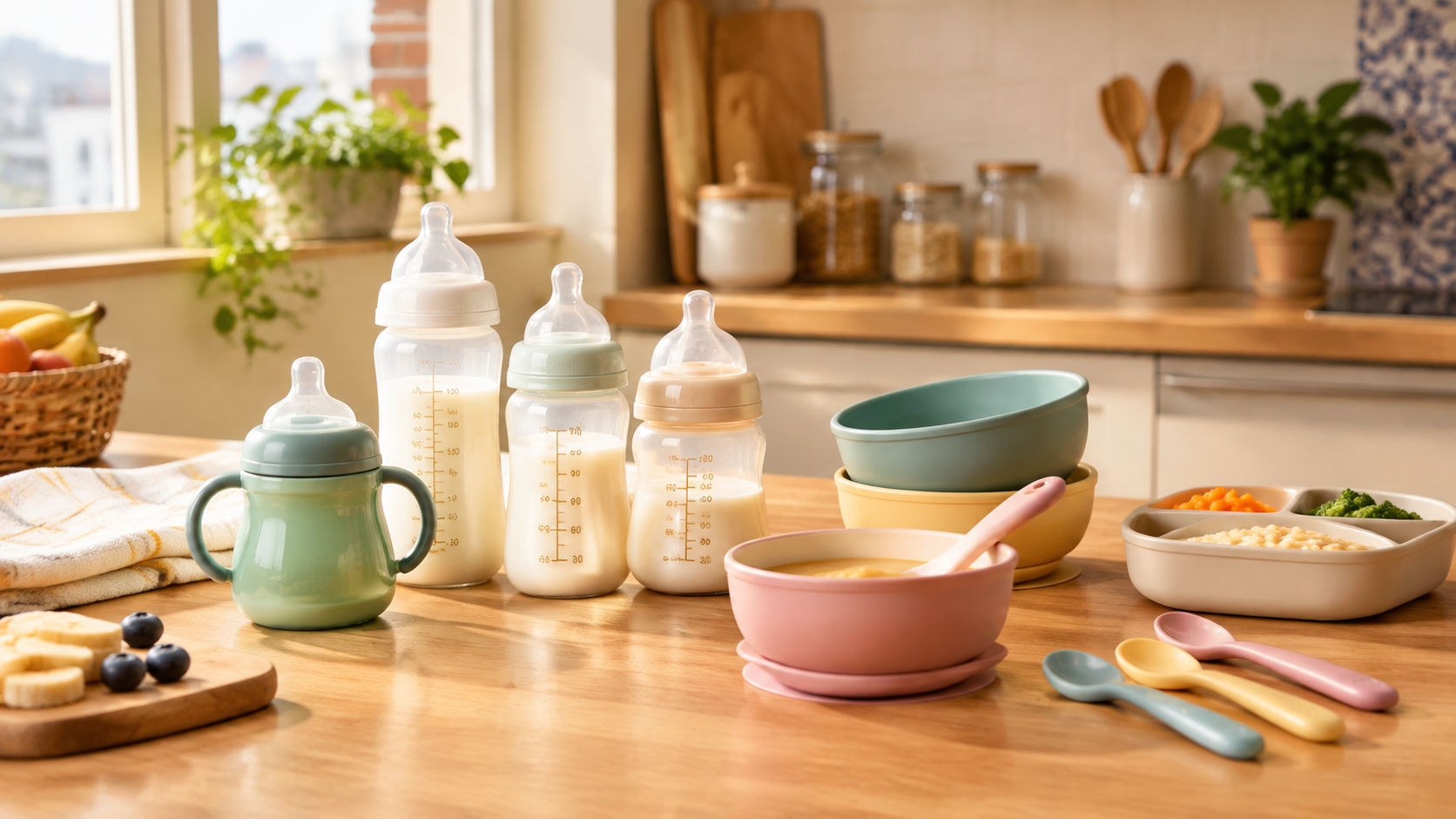
The Indian Academy of Pediatrics (IAP) does not recommend gripe water for infants under 6 months because there is no clinical evidence it reduces colic or reflux. If parents choose to use it, giving it after feeds may reduce regurgitation, while before feeds may help with gas prevention — but neither approach has strong medical backing. Burping technique, bicycle leg movements, and body position work better.
When your 3-month-old is screaming at 2 AM, someone will suggest gripe water. Your mother-in-law swears by it, your neighbour has a brand recommendation, and online forums are full of desperate parents reporting relief within minutes. But here's what actually happens in paediatric clinics across India: when you ask your doctor, the answer is often a qualified "it's not harmful, but we don't have proof it works."
This article cuts through the gripe water debate with what paediatricians actually know, what brands don't tell you about alcohol content, and the evidence-backed techniques that really do reduce infant discomfort. We're looking at timing, ingredients, and why your baby's crying might not be what you think it is.
What the Evidence Actually Shows
Clinical evidence: The most important fact first. IAP (Indian Academy of Pediatrics) guidelines state that gripe water is not recommended as a first-line treatment for colic or reflux in infants under 6 months. A 2022 systematic review published in paediatric literature found no high-quality randomized controlled trials proving gripe water reduces crying time, gas, or reflux episodes. The placebo effect — parent relief that translates into calmer handling — may be what's actually helping your baby settle.
What paediatricians actually say: Most Indian paediatricians do not discourage parents from using gripe water if they've already purchased it, because the listed ingredients (fennel, ginger, dill) are generally recognized as safe in small amounts. The caution is about false reassurance: if your baby has true reflux, silent reflux, or a food intolerance (typically to cows' milk protein in formula), gripe water masks the underlying issue and delays diagnosis.
The alcohol question: This is the detail most parents miss. Woodward's Gripe Water, the most widely available brand in India, lists alcohol as an ingredient on Amazon.in (specific percentage varies by batch). Many alcohol-free alternatives exist — brands like Bonnisan Drops, Jolly Jeera, and Mother's Blessing market themselves as alcohol-free. If alcohol content concerns you, check the product label or contact the brand directly before purchase. There's no regulatory requirement in India to disclose alcohol percentage, so you may need to call customer care.
Checklist: what to look for on the gripe water label before buying:
- Alcohol content stated (if it says "contains alcohol" without a percentage, many brands won't clarify further)
- Batch number and manufacturing date clearly printed
- No added sugar (some brands add it; unnecessary for infants under 6 months)
- Storage instructions and expiry date visible
- Brand has a listed address and customer care number on Amazon.in
When gripe water might delay diagnosis: Persistent crying in a 2-month-old can signal reflux, allergy, or silent reflux — not just gas. If your baby is arching their back, refusing feeds, or showing poor weight gain, gripe water is not the answer. One common scenario: parents give gripe water for weeks thinking it's colic, when the real issue is cows' milk protein allergy in formula. Time spent on gripe water is time not spent investigating and switching formula.
Timing: Before or After Feed?
The timing debate exists because parents observe different outcomes and fill in the blanks. Here's the reality:
After feed (most common recommendation): Giving gripe water after a feed is intended to reduce regurgitation by settling the stomach. The theory: the baby's stomach is already settled with milk, and gripe water won't cause the baby to spit up as much as if given on an empty stomach. Some parents report this works; there is no clinical trial validating it. If you're using gripe water anyway, this approach is lower-risk for aspiration.
Before feed (gas prevention logic): Some parents give it 30 minutes before a feed thinking it relaxes the gut and allows easier passage of gas. This has no evidence base. There's also a practical problem: most babies want to feed on demand, so scheduling gripe water 30 minutes before is unrealistic for exclusively breastfed infants.
The honest answer: Neither timing has been proven superior. If your baby seems to settle after gripe water, consistency matters more than exact timing. Don't create elaborate routines — if it's 10 minutes after a feed one time and 20 minutes the next, that's fine.
What Actually Reduces Gas and Crying (Evidence-Backed)
These techniques are recommended by IAP and have observational support:
Burping technique: Hold your baby upright against your chest or over your shoulder for a full minute after each feed, not just a few pats. Many Indian parents burp too quickly. The goal is to release trapped air before it travels to the lower bowel and causes discomfort. Some babies burp immediately; others take 2–3 minutes. Patience here beats any gripe water.
Bicycle leg movements: Lay your baby on their back and gently move their legs in a pedalling motion for 2–3 minutes after feed. This relieves gas naturally and provides contact time that also soothes the baby. This is recommended by paediatricians across India and involves no products.
Body position and feeding pace: If bottle-feeding, hold the bottle at a 45-degree angle so the nipple stays filled (prevents air intake). Breastfeeding mothers: ensure the baby is latched with the chin touching the breast and the nose clear — this reduces air swallowing. Feeding slowly (not rushing) allows the baby's natural satiety cues to emerge, reducing overfeeding.
Tummy pressure (safe method): Gentle pressure on the baby's stomach while the baby is on their back — not pushing, just a warm hand resting for 2–3 minutes — can help release gas. Some parents use a warm (not hot) compress on the baby's stomach for a few minutes as well.
When to worry: If your baby is crying for more than 3 hours a day on most days, has poor weight gain, refuses feeds, or shows signs of reflux (arching, discomfort during feeds), see your paediatrician. This is not colic; this is a medical issue. Gripe water will only delay diagnosis.
What Paediatricians Say
IAP Position (2026): Gripe water is not a recommended treatment for infant colic. However, it is not harmful in small quantities if parents insist on using it. The real solution is burping technique, feeding posture, and ruling out reflux or allergy. If symptoms persist beyond 3–4 months or worsen, investigate formula tolerance and reflux — do not continue gripe water as a long-term remedy.
Key takeaways:
- Check the product label for alcohol content before buying; many alcohol-free alternatives exist on Amazon.in
- If you use gripe water, timing after feed is slightly safer than before feed, but neither is proven effective
FAQ
Our Top Picks
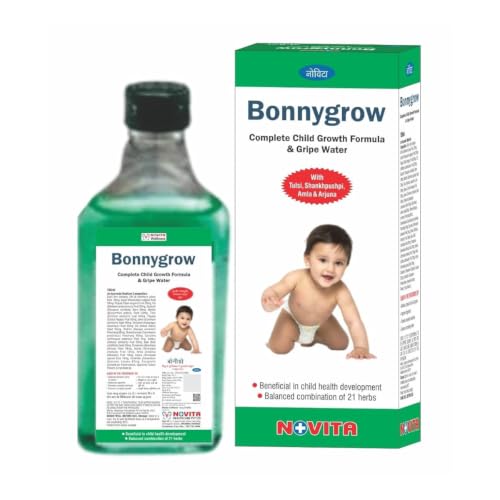
Woodward's Gripe Water
- ✓ Contains alcohol as listed ingredient
- ✓ Available on Amazon.in
- ✓ 30 ml bottle
* We earn a small commission — at no extra cost to you.
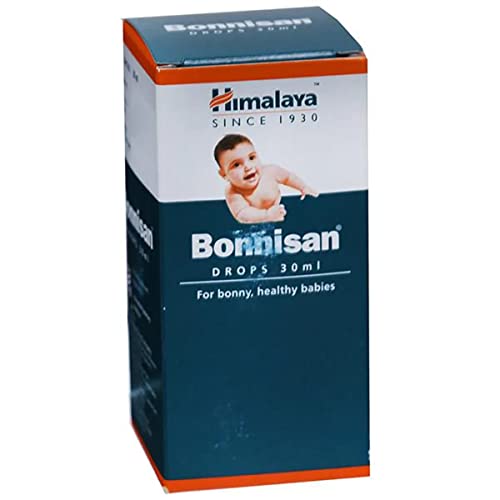
Bonnisan Drops (Alcohol-Free)
- ✓ Alcohol-free formulation
- ✓ Herbal extract base
- ✓ 15 ml bottle
* We earn a small commission — at no extra cost to you.
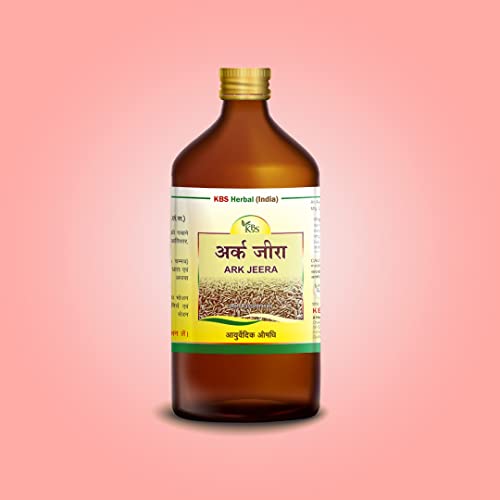
Jolly Jeera Gripe Water
- ✓ Alcohol-free alternative
- ✓ Jeera and fennel base
- ✓ 30 ml bottle
* We earn a small commission — at no extra cost to you.