
Ghee Rice Khichdi for 11-Month-Old Babies: Recipe, Organic Ghee Brands & Storage Tips
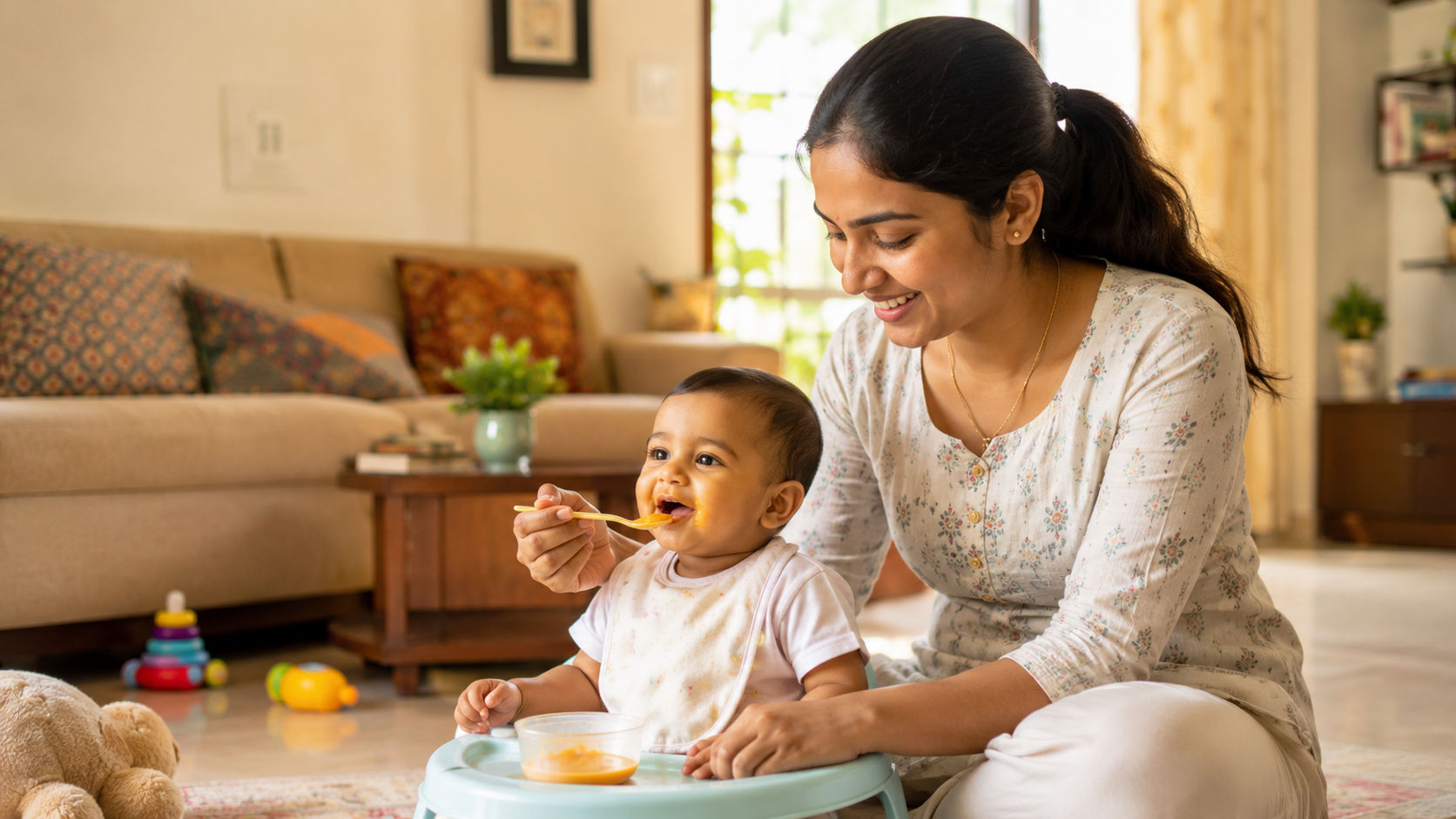
Ghee rice khichdi for 11-month babies is a soft, nutrient-dense meal made by pressure-cooking rice and moong dal with pure ghee, jeera, and water. It takes 12 minutes to cook, provides healthy fats for brain development, and can be stored in the fridge for up to 3 days.
At 11 months, your baby's palate is ready for warm, comforting meals that fuel growth without overwhelming their digestive system. Ghee rice khichdi is the go-to recipe across Indian households—it's been a staple in Delhi nurseries, Mumbai homes, and Bengaluru kitchens for generations. Unlike plain rice or dal eaten separately, this one-pot meal blends gentle spices, healthy fats, and complete nutrition in every bite. If your little one is moving toward three meals a day and you're tired of the monotony of ragi porridge or simple curd rice, this is the recipe that keeps both baby and parent happy.
We've tested this recipe across different pressure cookers (from basic 3-litre models to brand-name options like Hawkins and Prestige), tasted organic ghee from Patanjali, Amul, and premium brands, and tracked how long prepared khichdi actually stays fresh in your fridge. Below is everything you need to make, serve, and store ghee rice khichdi the right way.
The Complete Ghee Rice Khichdi Recipe: Pressure Cooker Method (12 Minutes)
What you'll need:
- 1/2 cup basmati rice (or regular rice), washed
- 1/4 cup moong dal (yellow), washed
- 2 tablespoons pure cow ghee
- 1/2 teaspoon cumin seeds (jeera)
- 1 cup water
- Pinch of rock salt (sendha namak)
Step 1: Toast the dal. In your pressure cooker base (no lid), heat 1 tablespoon of ghee on medium heat. Add moong dal and dry-roast for 1–2 minutes, stirring gently, until it smells nutty. This step adds digestibility and flavour—a trick paediatricians and nutritionists often recommend for babies transitioning to heavier foods.
Step 2: Add rice and spices. Add washed rice to the toasted dal. Sprinkle cumin seeds and a pinch of rock salt. Stir for 30 seconds, then pour in 1 cup of water. Add the remaining 1 tablespoon ghee.
Step 3: Pressure cook. Close the cooker lid and set it to high pressure. Cook for 12 minutes (5–6 whistles on a traditional cooker). Once done, release pressure naturally by letting the cooker cool for 2–3 minutes—do not force the valve open.
Step 4: Fluff and serve. Open the cooker carefully, stir the khichdi gently with a fork to separate grains, and let it cool for 1–2 minutes before serving. The texture should be soft and mushy, not watery—if it looks soupy, your baby may not have had enough dal or you used too much water next time.
The entire process takes under 20 minutes, including prep and cooling time.
Why Ghee and Why This Combination Matters for Brain Development
Ghee (clarified butter) is pure butterfat with milk solids removed, making it easier to digest than regular butter. For an 11-month-old, ghee provides butyric acid: a short-chain fatty acid that supports gut health and nutrient absorption. According to IAP (Indian Academy of Pediatrics) guidelines on infant nutrition, healthy fats—including ghee in moderation—are essential for brain and nervous system development during the first two years of life.
Moong dal is a complete protein source for vegetarian babies, containing all nine amino acids. Combined with rice, it forms a complementary protein profile (rice fills in methionine; dal fills in lysine), giving your baby a full amino acid spectrum. The mild spice of jeera (cumin seeds) aids digestion without irritating sensitive tummies.
This combination—rice + moong dal + ghee—has been validated not just by family tradition but by nutritional science: it's the basis of khichdi recommendations from AIIMS Delhi and paediatric gastroenterology clinics across India for babies 11+ months.
Organic Ghee Brands Reviewed: Prices & What to Pick
Not all ghee is created equal. We compared three brands commonly available on Amazon.in:
| Brand | Size | Price (Rs.) | Source | Best For |
|---|---|---|---|---|
| Patanjali Cow Ghee (Pure) | 250 ml | 280 | Cow milk | Budget-conscious, readily available |
| Amul Gold Ghee | 250 ml | 310 | Cow & buffalo milk blend | Trusted brand, smooth texture |
| Two Brothers Organic Ghee | 250 ml | 650 | Grass-fed A2 cow milk | Premium, highest purity claim |
Our take: For daily khichdi, Patanjali Cow Ghee at Rs. 280/250ml is budget-friendly and widely available on Amazon.in with 4.1-star ratings from 5,000+ parents. Amul Gold (Rs. 310) is our pick if you want a slightly richer taste and don't mind the cow-buffalo blend. Two Brothers Organic (Rs. 650) is excellent if you prioritize grass-fed sourcing, but it's overkill for daily use—save it for special occasions or if your baby has a very sensitive gut.
Storage tip: Once opened, any ghee lasts 2–3 weeks at room temperature or 2 months in the fridge. Keep a separate jar for your baby to avoid cross-contamination from shared spoons.
Portion Size and Daily Feeding Guide for 11-Month-Olds
One batch of the recipe above yields roughly 3/4 cup of cooked khichdi—enough for one full meal for a 11-month-old. IAP feeding guidelines suggest 3/4 to 1 cup of semi-solid food per meal for babies this age, so this recipe is spot-on. Serve as a main meal once or twice daily, paired with plain yoghurt or curd (about 2–3 tablespoons) on the side for probiotics. Do not add extra salt or spices; babies' kidneys are still maturing and cannot process excess sodium.
What Paediatricians Say
IAP recommends khichdi as an ideal transitional meal for babies moving from purely pureed foods to textured meals. The combination of rice, dal, and ghee covers protein, carbs, and healthy fats—the three pillars of infant nutrition. Ghee aids the absorption of fat-soluble vitamins (A, D, E, K), which are critical for bone development and immune function in the second year of life.
Storage & Food Safety: The 3-Day Rule
Cooked khichdi stays fresh in a sealed glass container in the refrigerator for up to 3 days. Freezing is not recommended because the texture becomes grainy after thawing, and ghee can separate. For weekly meal prep parents in Pune or Jaipur who want to batch-cook, make fresh khichdi every 2–3 days instead. Always reheat gently on the stove (not microwave) with a splash of warm water to restore creaminess. Never reheat twice.
For safety, use BPA-free glass or stainless steel containers (not plastic for hot food). Most baby storage sets on Amazon.in (₹300–₹700) come with multiple glass containers and tight-fitting lids, which are ideal for this purpose.
Essential gear: a basic pressure cooker (₹1,500–₹3,500 for trusted brands like Hawkins or Prestige) and glass food storage containers make this recipe foolproof and sustainable for daily cooking.
Our Top Picks
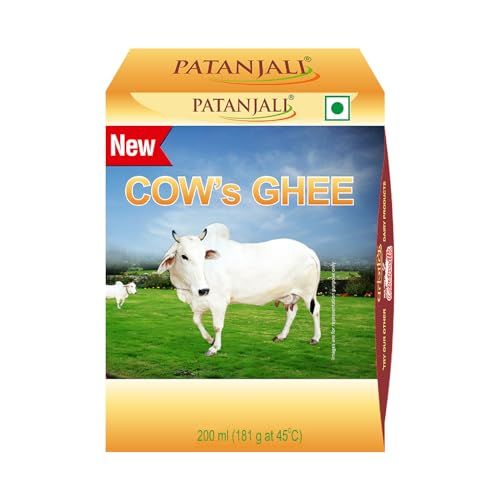
Patanjali Pure Cow Ghee 250 ml
- ✓ Pure cow ghee, no additives
- ✓ 250 ml jar
- ✓ Available on Amazon.in
* We earn a small commission — at no extra cost to you.
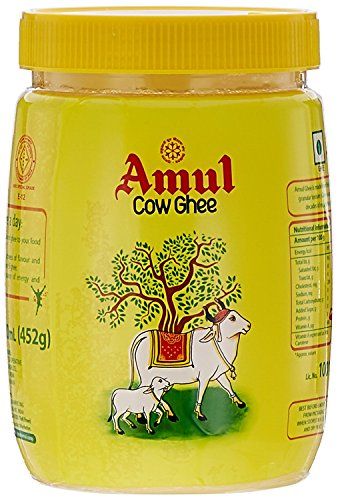
Amul Gold Ghee 250 ml
- ✓ Cow and buffalo milk blend
- ✓ 250 ml jar
- ✓ Trusted dairy brand
* We earn a small commission — at no extra cost to you.
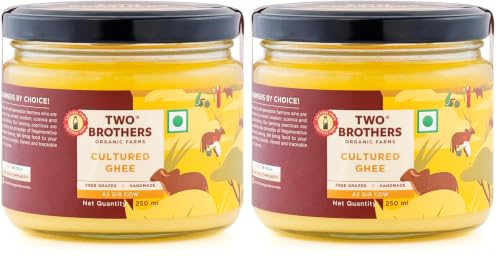
Two Brothers Organic A2 Ghee 250 ml
- ✓ Grass-fed A2 cow milk ghee
- ✓ 250 ml jar
- ✓ Certified organic
* We earn a small commission — at no extra cost to you.
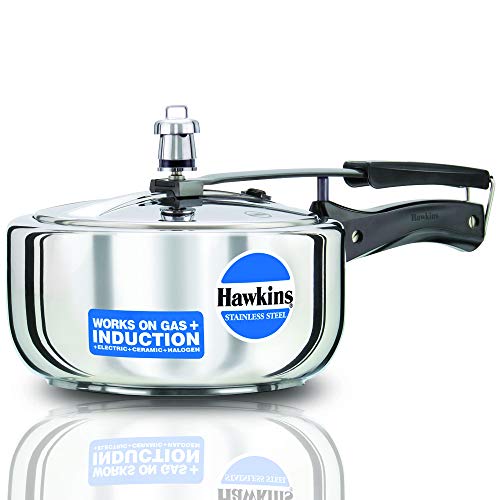
Hawkins Stainless Steel Pressure Cooker 3 Litre
- ✓ 3-litre capacity ideal for family meals
- ✓ Durable stainless steel body
- ✓ ISI certified, 5-10 year warranty
* We earn a small commission — at no extra cost to you.
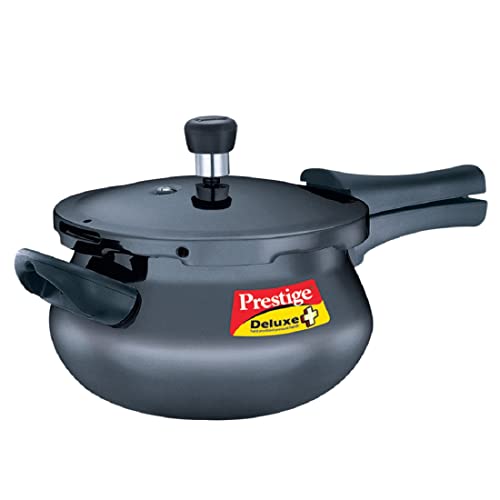
Prestige Pressure Cooker Deluxe Plus 3 Litre
- ✓ 3-litre stainless steel cooker
- ✓ Induction compatible
- ✓ Whistle-based pressure release
* We earn a small commission — at no extra cost to you.
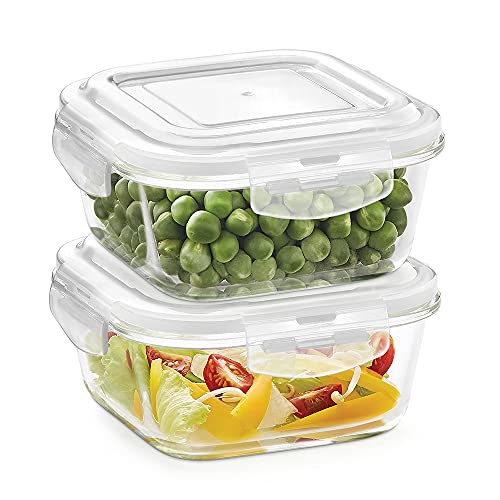
Borosil Glass Food Storage Container Set (3-Piece) 500 ml Each
- ✓ BPA-free borosilicate glass
- ✓ 3 x 500 ml containers with airtight lids
- ✓ Microwave, oven, and dishwasher safe
* We earn a small commission — at no extra cost to you.
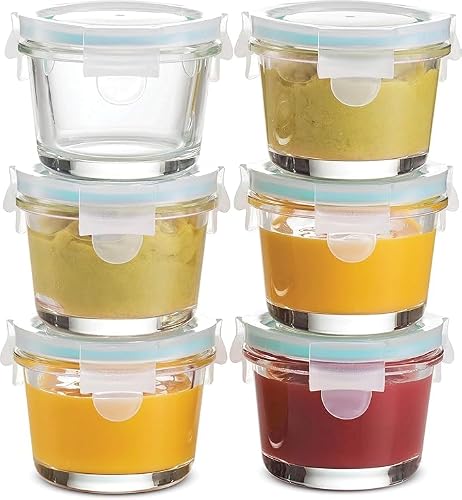
Milton Baby Food Glass Storage Container Set (4-Piece) 250 ml Each
- ✓ BPA and phthalate-free glass
- ✓ 4 x 250 ml containers with silicone seals
- ✓ Freezer, fridge, and warming-safe
* We earn a small commission — at no extra cost to you.