
Moong Dal Khichdi for 8-Month-Old Babies: Pressure-Cooker Recipe & Nutrition Guide 2026
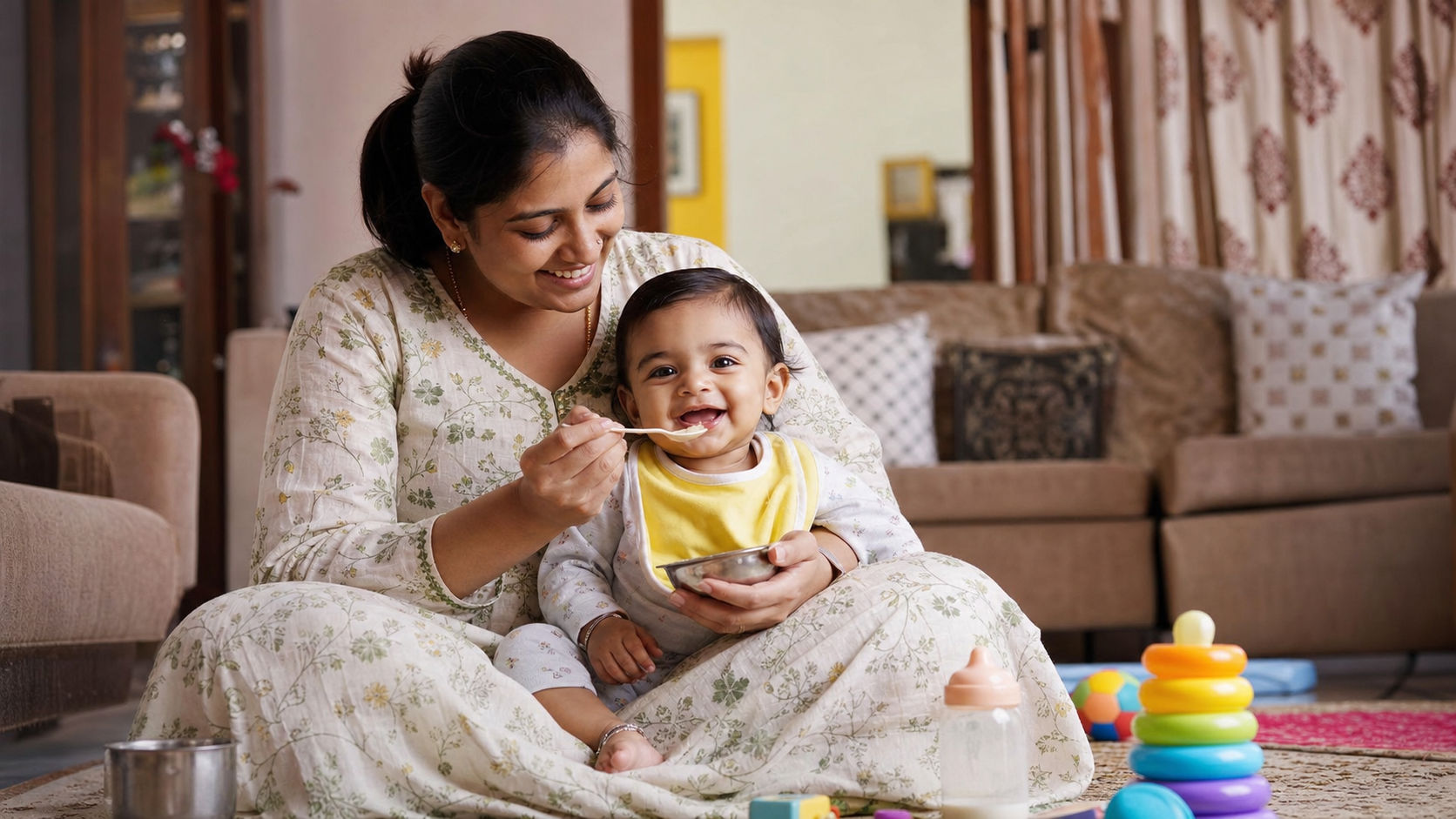
Moong dal khichdi is one of the safest, most digestible first foods for your 8-month-old. Split moong dal (मूंग दाल) cooked with rice, ghee, and water in a 1:4 ratio for puree consistency takes 12 minutes in a pressure cooker. Serve 2-3 tablespoons twice daily as per IAP guidelines, store in fridge for 24 hours or freeze for up to 1 month.
If you're navigating weaning in Delhi, Mumbai, Bangalore, or any tier-1 or tier-2 city, you've likely heard moong dal khichdi recommended by paediatricians, your mother-in-law, and every parent group on WhatsApp. There's a reason: it's protein-rich, gentle on developing digestive systems, and requires no fancy ingredients. By 8 months, your baby has moved past simple iron-fortified cereal into combination foods—this is where khichdi becomes your everyday go-to.
Moong dal (split yellow lentil): a high-protein, low-fibre Indian legume that absorbs easily in infant stomachs and rarely triggers gas or constipation when cooked properly. The pressure cooker method below ensures it's cooked down to near-liquid consistency, which is exactly what an 8-month-old's digestive tract needs.
Before we dive into the step-by-step recipe, let's talk about the products that make this easier: quality organic ghee brands like Amul Unsalted, Patanjali, and Gir Organic are widely available on Amazon.in at Rs. 350–750 per 500ml. If batch-cooking appeals to you, baby food makers from Philips, Pigeon, and Prestige (Rs. 1,200–2,500) can steam and blend khichdi in one go, though a basic pressure cooker works just as well—and costs far less.
Why Moong Dal Khichdi Is Ideal for 8-Month-Olds
At 8 months, your baby's iron stores (built up while exclusively breastfed) are depleting. Iron-rich foods become non-negotiable. Moong dal delivers 2.5–3.2g of protein per 100g serving plus easily absorbed plant-based iron, making it nutritionally denser than single-grain cereals. When paired with ghee (which contains fat-soluble vitamins A, D, E, K) and rice (energy), you've created a complete mini-meal in one bowl.
The beauty of khichdi is its digestibility. Unlike whole-grain breads or chunky vegetable combinations that can overwhelm an immature gut, pressure-cooked moong dal breaks down into soft, absorbable particles. According to IAP (Indian Academy of Pediatrics) 2024 feeding guidelines, this texture—puree to soft-lump consistency—is exactly where 7–9-month-olds should be developmentally. No gag risk, no constipation, no bloating in most babies.
Moong Dal Khichdi Recipe: 12-Minute Pressure-Cooker Method
Ingredients (single serving, 100g):
- Split moong dal (peeled): 1.5 tablespoons (about 20g) — roughly Rs. 3–4 per serving from bulk purchases at Rs. 150/kg
- Rice (white basmati or regular): 1 tablespoon (about 10g) — Rs. 0.80 per serving
- Cow ghee (organic preferred): 1 teaspoon (5g) — Rs. 6 per serving
- Water: 6 tablespoons (90ml) — maintains the 1:4 ratio for puree consistency
- Salt: a pinch (only after 12 months, skip for now)
Method:
- Rinse: Wash moong dal and rice separately under running water 2–3 times until water runs clear. This removes dust and reduces surface starches (which can cause gas).
- Add to pressure cooker: Place rinsed dal and rice in a stainless-steel pressure cooker. Add water (maintain 1:4 dal-rice-to-water ratio for soft, puree-able consistency). Stir once.
- Pressure cook: Cover the cooker. Heat on high flame for 3 whistles (about 12 minutes). Water should be almost fully absorbed, and dal grains should squish easily between your thumb and finger.
- Cool & blend: Let pressure release naturally for 5 minutes. Once cooled, add 1 teaspoon ghee and blend with a fork or stick blender to a smooth puree (no lumps). Add 2–3 tablespoons warm boiled water if too thick.
- Taste test: Ensure it's warm but not hot (test on your wrist). Offer 2–3 tablespoons to your baby.
Nutrition per 100g serving: Protein 3.2g, Fat 4.1g (mostly from ghee), Carbohydrates 12g, Iron 1.8mg, Fiber 0.6g. This is a calorie-dense (approximately 95 calories), macro-balanced meal that keeps your baby satisfied between breastfeeds.
Storage: Refrigerate in an airtight glass or BPA-free plastic container for up to 24 hours. Freeze in ice-cube trays (each cube ≈ 30ml) for up to 1 month. Thaw overnight in the fridge or warm gently in a saucepan with 1–2 tablespoons water—never microwave, as it can create heat pockets.
What Paediatricians Say
IAP 2024 guidelines recommend introducing combination foods like khichdi by 7–8 months to meet rising micronutrient demands. Moong dal's low phytic acid content (which inhibits mineral absorption) means iron and zinc from this recipe are well-utilized. Most paediatricians across Mumbai, Pune, Lucknow, and Chennai recommend 2–3 tablespoons twice daily alongside continued breastfeeding.
| Age | Portion Size | Frequency | Consistency |
|---|---|---|---|
| 6–7 months | 1–2 tbsp | Once daily | Smooth puree |
| 8–9 months | 2–3 tbsp | Twice daily | Puree to soft lumps |
| 10–12 months | 4–5 tbsp | 2–3 times daily | Soft lumps to minced |
Does Moong Dal Cause Gas or Weight Gain?
This is a question nearly every parent asks. The short answer: properly cooked moong dal (pressure-cooked until completely soft) rarely causes gas in 8-month-olds. The long answer: raw or inadequately cooked dal ferments in the gut, producing gas. The pressure cooker method above eliminates this risk by breaking down the dal's complex carbohydrates and fibre into easily fermentable forms. If your baby does experience mild bloating, it's usually from introducing moong too quickly—start with 1 tablespoon mixed into rice cereal, wait 3 days, then increase.
On weight: moong dal is protein and mineral-dense but not calorie-dense in the way ghee or oil is. The 95 calories per 100g serving is moderate. If you're adding extra ghee (teaspoon is standard) and your baby is otherwise thriving on breast milk, khichdi will support normal weight gain, not cause excessive gain. However, if weight gain is a concern your paediatrician has flagged, discuss portion sizes before expanding khichdi frequency.
Our Top Picks
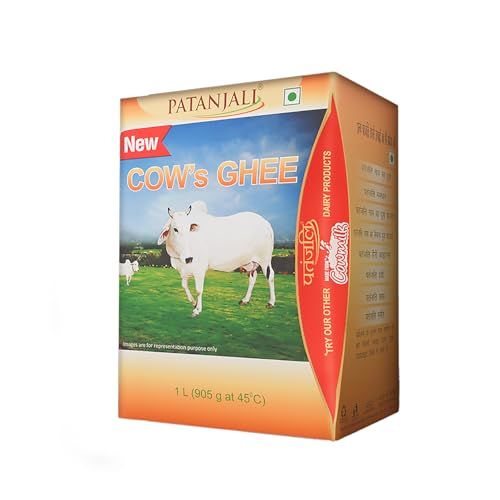
Amul Unsalted Cow Ghee (Pure Milk Fat)
- ✓ 500ml pack
- ✓ BIS certified
- ✓ No additives or preservatives
* We earn a small commission — at no extra cost to you.
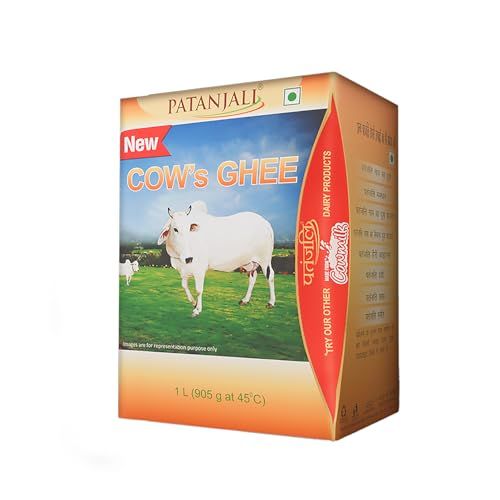
Patanjali Organic Cow Ghee
- ✓ 500ml pack
- ✓ Organic certified
- ✓ Cold-processed
* We earn a small commission — at no extra cost to you.
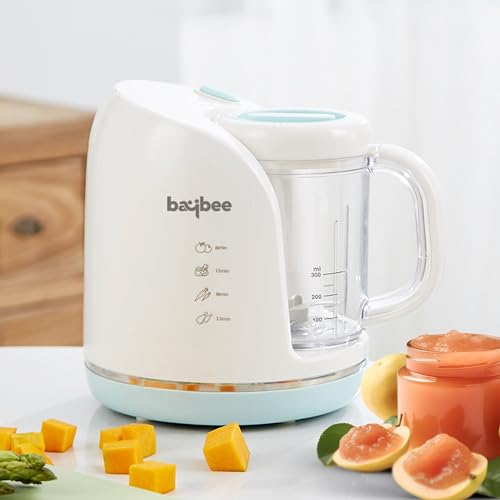
Pivereniging Organic Baby Food Steamer & Blender
- ✓ Steam and blend in one cycle (12 minutes)
- ✓ BPA-free, food-grade plastic
- ✓ Batch cooking (makes 4 portions)
* We earn a small commission — at no extra cost to you.
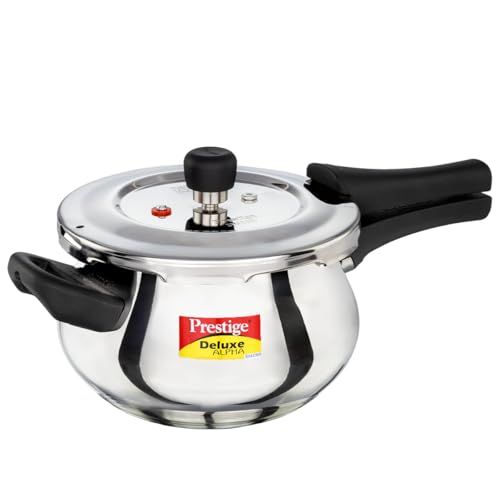
Prestige Deluxe Plus 3-Litre Pressure Cooker (Stainless Steel)
- ✓ Ideal for batch cooking khichdi
- ✓ ISI-certified, safe lock system
- ✓ Cooks 3 whistles in 12 minutes
* We earn a small commission — at no extra cost to you.