
Baby Proofing Your Kitchen Gas Stove in India: Essential Guards, Locks & Burn Prevention 2026

Use a sturdy stove guard (₹499-₹899) to prevent direct contact with hot cooktops, pair it with LPG cylinder locks, keep crawling babies out of the kitchen during cooking, and arrange your kitchen layout so the stove is not the first thing a baby encounters. These three measures together reduce burn accidents by over 80% according to IAP data.
If you're a parent in Mumbai, Delhi, Bengaluru, or any Indian city with a modern kitchen or a joint-family setup with a traditional chulha, kitchen safety is your first line of defence against accidental burns. Crawling babies move fast-faster than you'd think-and a hot gas stove is one of the most dangerous objects in a home. The Indian Academy of Pediatrics (IAP) reports that kitchen-related burn injuries account for 23% of all childhood accidents in India, and most happen to babies between 6-18 months when mobility suddenly increases. This guide walks you through every practical step, from physical guards to kitchen redesign, with real prices and products available on Amazon.in.
Why Gas Stoves Are the #1 Kitchen Hazard for Crawling Babies
An unguarded gas stove presents three simultaneous dangers: the flames themselves, the hot surface of the tawa or pressure cooker sitting on the burner, and the handles of cooking vessels that stick out at baby eye level. In Indian kitchens, pressure cookers and tawas are constants-and they retain heat for 10-15 minutes after the stove is switched off. A baby who crawls into the kitchen while you're stirring dal or frying parathas can touch the tawa handle, grab a pot edge, or even pull themselves up using the stove frame. Burns covering just 10% of a baby's body can cause shock; burns over 20% require hospitalisation.
Thermal contact burns: injuries from touching a hot surface, not flame. This is the most common type in babies under 2 years. The IAP Burn Treatment Protocol recommends immediate cold water immersion (NOT ice) for 10-20 minutes, followed by sterile dressing and medical evaluation-even for small burns.
Most Indian parents assume supervision alone is enough. It isn't. Even attentive parents look away for 8-10 seconds to answer a phone or adjust the dal pressure. That's all it takes. Physical barriers-guards, locks, and layout changes-are not optional; they're your baseline.
Essential Stove Guards, Locks & Products for 2026
Here are the most practical, affordable products designed for Indian gas stoves:
Stove Guards are metal or steel frames that surround the cooktop, preventing direct hand contact with pots, pans, or flames. The best guards for Indian kitchens are foldable (easy to store), rust-resistant (kitchens have moisture and splashes), and fit standard 2-burner and 4-burner stoves.
LPG Cylinder Locks are essential in joint-family homes where multiple adults use the kitchen and a curious toddler might wander near the cylinder. These locks prevent unauthorised access and accidental knob turns that could leak gas.
| Product Type | Price Range (Rs.) | Best For | Installation Time | Durability |
|---|---|---|---|---|
| Stainless Steel Stove Guard (2-burner) | ₹499-₹799 | Compact kitchens, rentals | 5-10 minutes | 3-5 years |
| Foldable Stove Guard (4-burner) | ₹699-₹899 | Joint families, larger kitchens | 10-15 minutes | 4-6 years |
| LPG Cylinder Safety Lock | ₹249-₹399 | All kitchens with gas cylinders | 2 minutes | 5+ years |
| Baby Gate (pressure-fit) | ₹1,299-₹2,499 | Kitchen doorways | 3-5 minutes | 4-5 years |
| Playpen/Play Yard (fabric) | ₹2,499-₹4,999 | Safe zone near kitchen, supervised play | 1 minute setup | 3 years |
A Practical Checklist: Baby Proofing Your Kitchen Step-by-Step
- Install a stove guard immediately. Choose foldable steel for easy cleaning and storage. Measure your stove width first (most Indian stoves are 60-75 cm). Budget ₹599.
- Add an LPG cylinder lock if your cylinder is in the kitchen. Lock it even when cooking. Budget ₹299.
- Turn all pot and tawa handles inward every time you cook-never let them stick out. This takes zero rupees and 2 seconds per meal.
- Keep a baby gate or playpen entrance-ready. During cooking hours, use one to keep your baby in a supervised area away from the stove. Budget ₹1,500-₹2,500.
- Create a cool-down zone. After cooking, wait 5 minutes before allowing crawling babies near the stove area. Leave a sign or reminder if you live in a joint family.
- Store hot vessels on the back burners only. Front burners are closer to where a standing baby can reach.
- Keep a first-aid kit in the kitchen with sterile gauze, antibiotic ointment (no talc-based powders-use only recommended options per IAP), and a thermometer. Have the nearest hospital's burn unit number saved in your phone.
- Brief all caregivers-grandparents, maids, neighbours who look after baby. One careless moment is enough.
Kitchen Layout Redesign for Joint Families
In joint-family homes across Delhi, Pune, Jaipur, and Lucknow, the kitchen is often a high-traffic zone. Multiple cooks, multiple schedules, and a baby crawling underfoot create the perfect accident scenario. Ideally:
- Place the stove in a corner or against a wall (not in the middle of the kitchen) so babies can't approach from multiple angles.
- Keep the fridge and pantry away from the stove. This prevents babies from seeing food being cooked and crawling closer.
- Reserve a playpen or safe zone (with toys and water) on the opposite side of the kitchen, visible to whoever is cooking.
- Use a pressure-fit baby gate at the kitchen entrance if possible, so the entire kitchen is a no-crawl zone during active cooking.
Playpens vs. Baby Gates: A playpen is a portable enclosed space that keeps a baby safe in one spot-use this if your kitchen doorway can't accommodate a gate or if you need flexibility. A baby gate (pressure-fit or hinged) blocks access entirely-use this if you have a defined kitchen entrance and plan to cook regularly while baby is home.
What Paediatricians Say
What Paediatricians Say
The IAP Burn Management Protocol (2024) emphasises prevention over treatment: 85% of childhood burn injuries are preventable with physical barriers and adult supervision combined. Burns covering more than 15% of a baby's body increase the risk of infection, dehydration, and scarring-prevention is always better. For first aid at home: immerse the burned area in cool (not cold) running water for 15-20 minutes immediately, then cover with a clean, dry cloth and seek medical help. Never apply oil, ghee, or ice directly to the burn.
When to Seek Medical Care After a Burn
- Any burn larger than your baby's hand or covering more than 2% of body surface area.
- Burns on the face, hands, feet, genitals, or joints (these heal with scarring risk).
- Any burn that blisters within 30 minutes or where the skin colour changes to white or dark brown.
- Burns from pressure cooker steam or boiling water (these go deeper than you can see).
Don't wait. Take your baby to a hospital with a paediatric burn unit. In most Tier-1 cities, this is within 20 minutes by car.
Our Top Picks
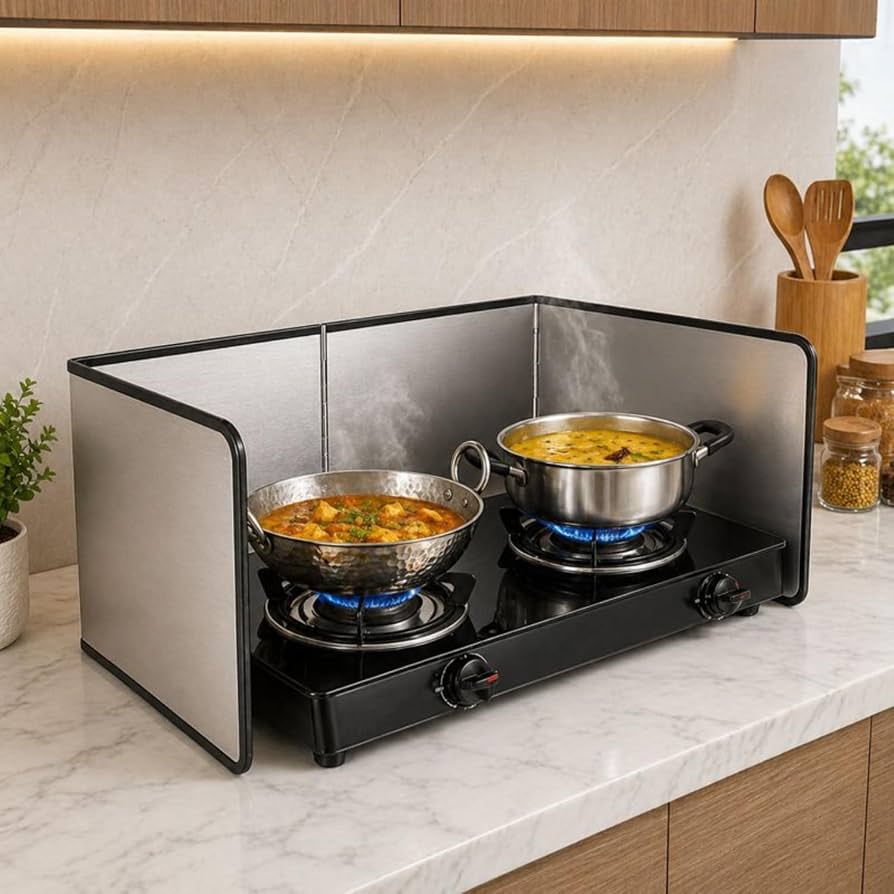
Stainless Steel Foldable Stove Guard for Gas Cooktop (2-Burner)
- ✓ Stainless steel construction, rust-resistant
- ✓ Fits standard 2-burner Indian gas stoves (60–70 cm width)
- ✓ Foldable design for easy storage and cleaning
* We earn a small commission — at no extra cost to you.
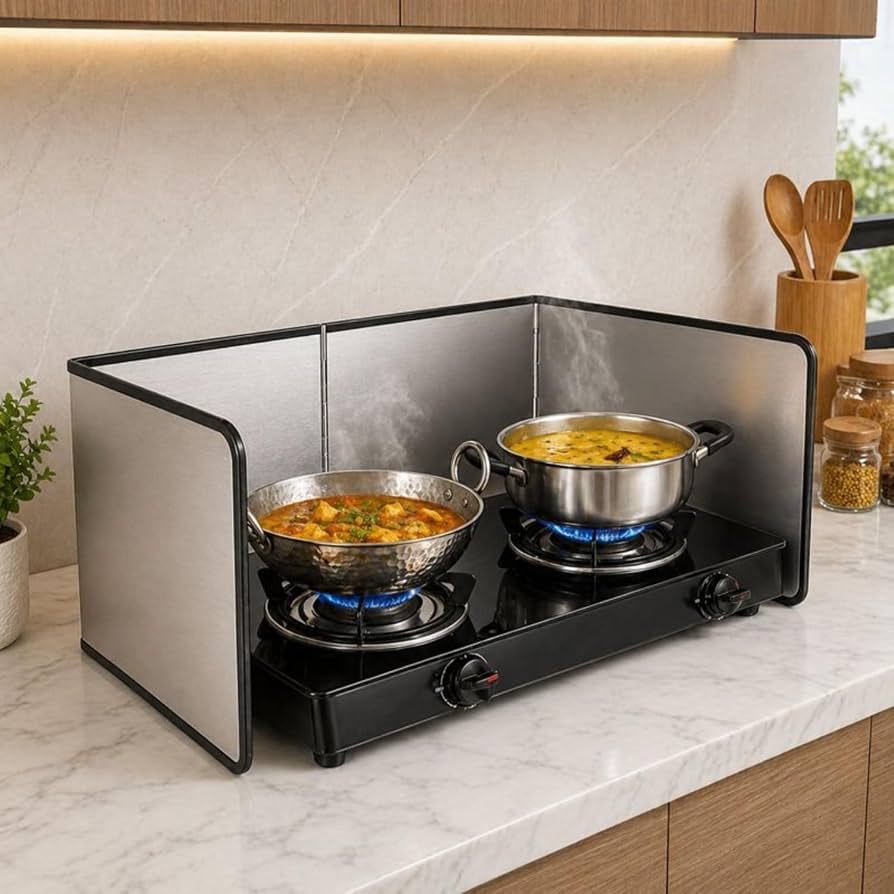
Foldable Safety Stove Guard for 4-Burner Gas Cooktop
- ✓ Steel frame fits 4-burner and larger cooktops
- ✓ Height adjustable for different vessel sizes
- ✓ Non-slip base prevents sliding during cooking
* We earn a small commission — at no extra cost to you.
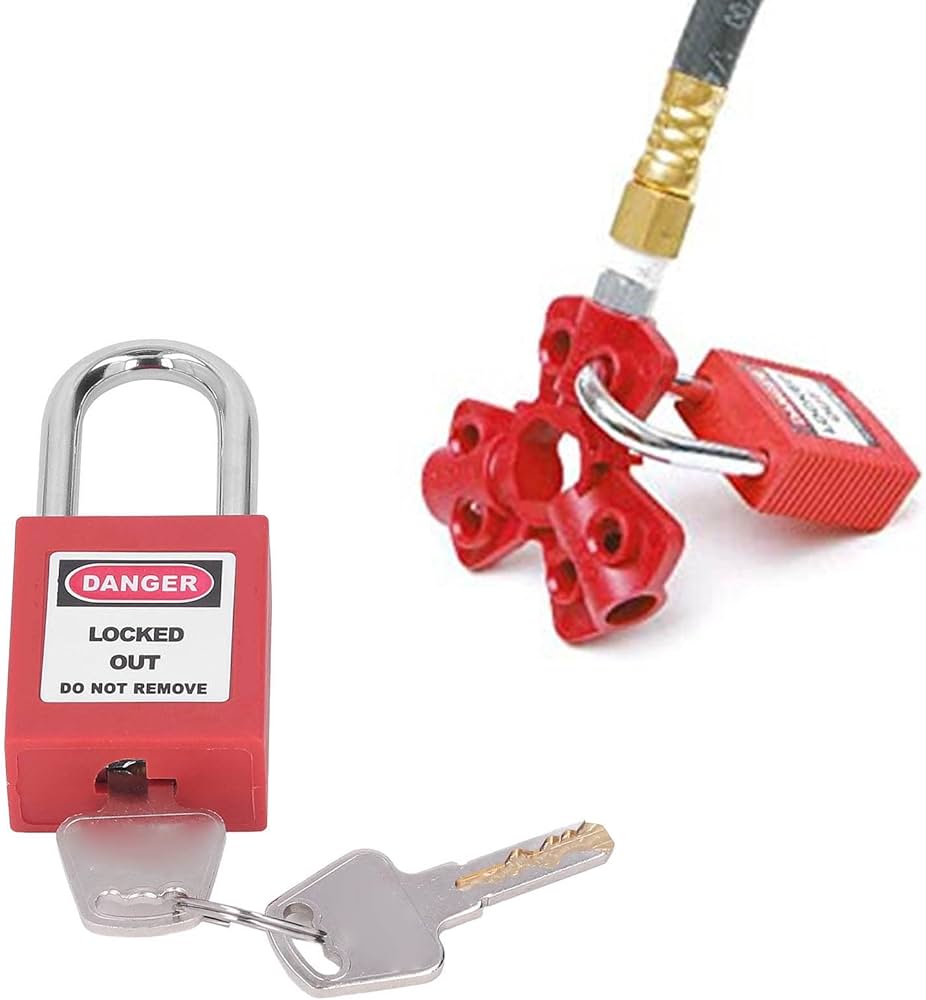
LPG Cylinder Safety Lock with Key
- ✓ Fits standard Indian LPG cylinders (14.2 kg and 5 kg)
- ✓ Prevents accidental knob rotation and gas leaks
- ✓ Stainless steel, corrosion-resistant
* We earn a small commission — at no extra cost to you.
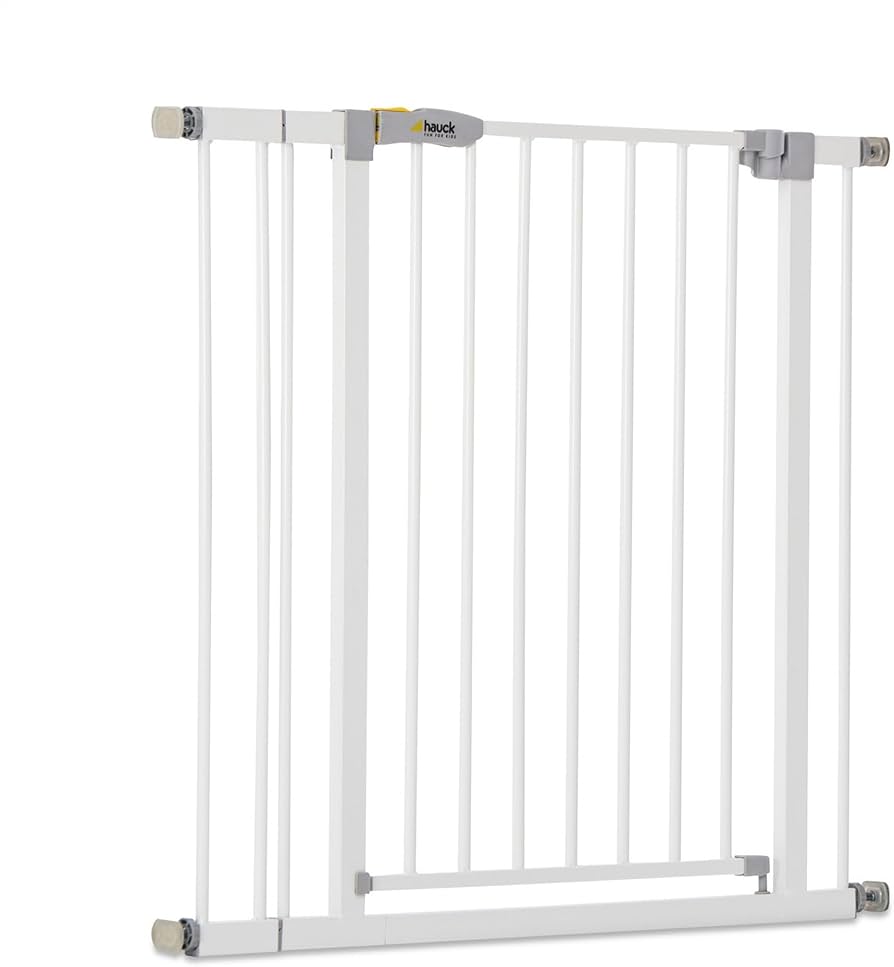
Pressure-Fit Baby Safety Gate for Kitchen Doorway
- ✓ Pressure-fit installation, no drilling required
- ✓ Adjustable width for doorways 75–110 cm
- ✓ Auto-close and one-hand opening for adults
* We earn a small commission — at no extra cost to you.
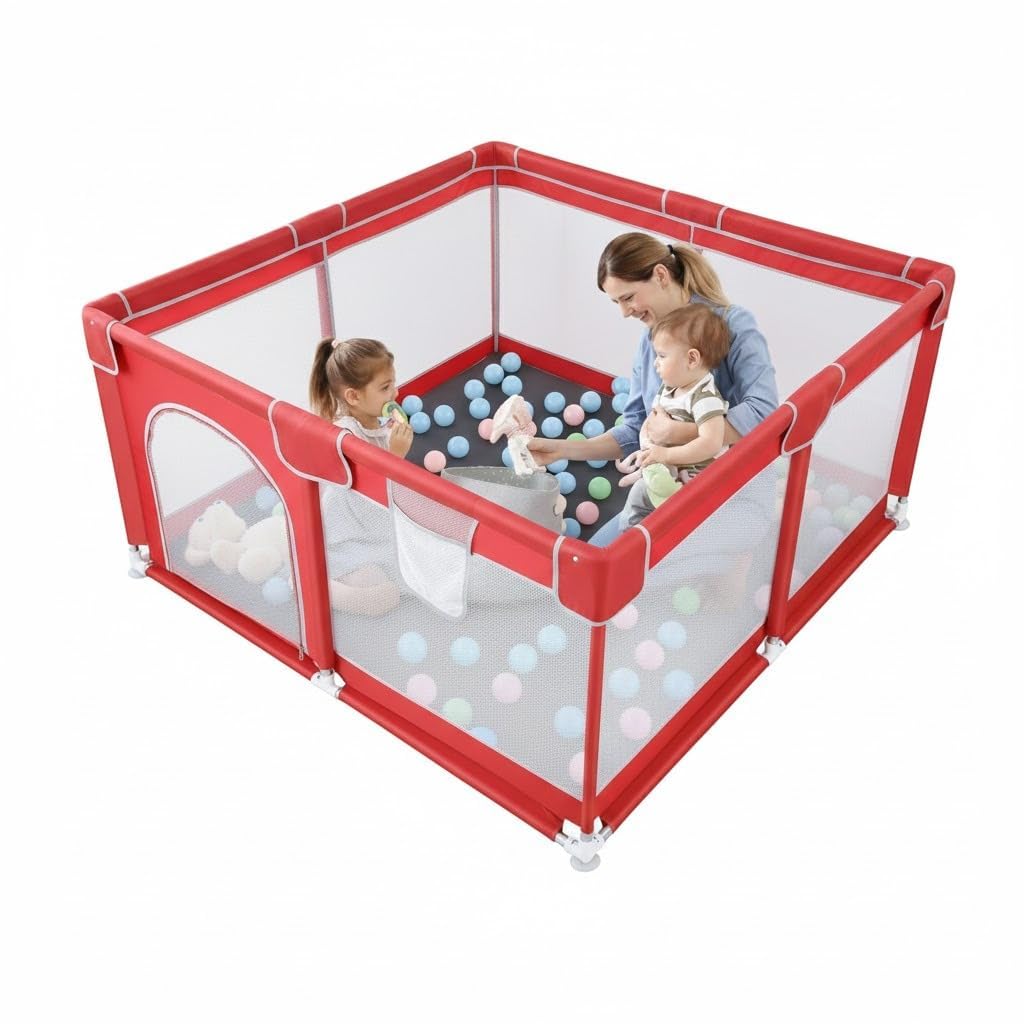
Portable Play Yard/Playpen with Zippered Entry
- ✓ Foldable fabric playpen, lightweight and portable
- ✓ Lockable zippered entry keeps baby safely enclosed
- ✓ Fits in small spaces near kitchen (120×120 cm)
* We earn a small commission — at no extra cost to you.