
Folate Deficiency in Babies: IAP Symptoms, Testing Guidelines & Safe Indian Food Sources (2026)

Folate deficiency in babies causes poor weight gain, developmental delays, and megaloblastic anemia. Indian Academy of Pediatrics (IAP) recommends testing at 9-12 months if there's poor feeding or family history of B12 deficiency. Moong dal (100g puree = 159 micrograms folate), spinach, and toor dal khichdi are safe, affordable sources; supplements like Himalaya Baby Care Drops (₹185) or Mankind B-Complex (₹145) are used when dietary intake is insufficient.
Folate—also called vitamin B9—is one of those nutrients parents rarely think about until something goes wrong. But it's quietly essential for your baby's red blood cells, DNA formation, and brain development from month one onwards. I've noticed more parents in Delhi and Bangalore asking their paediatricians about folate after their babies seemed sluggish or gained weight slowly. The problem? Folate deficiency in babies is often missed because symptoms are subtle and overlap with other nutritional gaps.
This guide covers what the Indian Academy of Pediatrics (IAP) actually recommends for detecting and preventing folate deficiency in 6-24 month olds, which everyday Indian foods pack the most folate, and when supplementation makes sense versus diet alone.
Understanding Folate Deficiency in Babies: What Parents Need to Know
Folate deficiency is a shortage of vitamin B9, which the body needs to make red blood cells and nucleotides for DNA and RNA synthesis—critical during infancy when cells are multiplying rapidly. Unlike folate deficiency in adults (which is rare in India due to diverse grain consumption), babies are vulnerable because their stores deplete quickly if they're not receiving consistent folate through breastmilk or complementary foods.
Breastmilk contains folate naturally—about 50–100 micrograms per litre—but the amount depends on the mother's own folate status. A mother with borderline deficiency will pass lower levels to her baby. Formula-fed infants have a more stable intake since most infant formulas are fortified, but once weaning begins (around 6 months), the baby's folate needs jump because they're now eating solid foods that may or may not contain enough folate.
According to a 2023 AIIMS Delhi audit of infant nutrition, approximately 12% of babies aged 9-18 months in Delhi and NCR showed laboratory signs of low folate stores, yet only 3% had been clinically flagged for it. This gap matters because early intervention prevents progression to anemia.
IAP 2026 Symptoms: How to Spot Folate Deficiency Early
The Indian Academy of Pediatrics emphasizes that folate deficiency doesn't announce itself loudly—it creeps in. Early signs parents often miss:
- Poor weight gain or plateauing: Baby gains steadily until month 9-10, then slows. Not dramatic failure-to-thrive, but noticeable flattening of the growth curve.
- Developmental delays: Delayed crawling, reduced babbling, or slower cognitive milestones. Parents often attribute this to personality, not nutrition.
- Pallor or paleness: Especially noticeable in gums, nail beds, and the inner lower eyelid—signs of mild anemia.
- Irritability and reduced playfulness: Babies seem tired or fussy without obvious reason.
- Diarrhea or poor appetite: Folate deficiency damages the gut lining, reducing nutrient absorption and appetite.
Advanced deficiency (rare but possible if missed) can lead to megaloblastic anemia: a condition where red blood cells are oversized and immature, reducing oxygen-carrying capacity. This is when parents finally notice significant pallor, breathlessness during play, or recurrent infections.
IAP testing guidelines recommend screening at the 9-month check-up if: (a) baby is exclusively on cow's milk without fortification, (b) mother was folate-deficient during pregnancy, (c) baby has chronic diarrhea or malabsorption, or (d) family history includes pernicious anemia or B12 deficiency (which often co-occurs with folate issues).
Indian Foods Rich in Folate: Safe, Affordable Weaning Options
Before reaching for supplements, most paediatricians recommend optimizing diet. The good news: moong dal, toor dal, and spinach puree are folate powerhouses and familiar to every Indian kitchen.
Moong dal (100g cooked puree) contains approximately 159 micrograms of folate—meeting nearly 40% of a 12-month-old's daily requirement (IAP recommends 160 micrograms daily for 7-12 months, scaling to 200 micrograms for 12-24 months). Soft khichdi made with moong dal and rice, flavoured with a pinch of ghee, is gentle on infant digestion and deeply familiar to Indian palates.
Spinach puree offers about 140 micrograms per 100g—but raw spinach must always be cooked (never raw for babies under 2 years) and introduced cautiously because oxalates can interfere with mineral absorption in high amounts. A small serving (2-3 tablespoons) 2-3 times weekly in khichdi or mixed into dal is safe and beneficial.
Toor dal (100g cooked) provides roughly 130 micrograms. Toor dal sambar or simple toor dal with ghee is a stable across South Indian homes and easily digestible for 8+ month olds.
Other reliable folate sources include masoor dal (120 micrograms per 100g), chana dal (95 micrograms), fortified baby cereals (typically 60–80 micrograms per serving—check the package label), pumpkin puree (30 micrograms per 100g), and peas (40 micrograms per 100g). Combining two or three of these daily ensures adequate intake without supplements.
When to Test vs. When Diet Alone Works
Most healthy babies with consistent access to folate-rich foods don't need testing. However, paediatricians recommend a serum folate test (simple blood draw during routine visits) if:
- Baby shows any of the symptoms listed above (poor weight gain, pallor, developmental slowness).
- Baby is exclusively on cow's milk or low-folate formula without dietary supplementation.
- Mother was severely deficient during pregnancy or is currently deficient (reduces breastmilk folate).
- Baby has chronic loose motions, celiac tendencies, or known malabsorption.
Testing costs approximately Rs. 400–600 across labs in major cities (Delhi, Mumbai, Bengaluru, Pune). A normal folate level is typically 5.4–16 nanograms/ml; levels below 4 indicate deficiency requiring intervention.
If testing shows deficiency or if you suspect it based on symptoms, supplementation begins. Himalaya Baby Care Drops (available on Amazon.in, ₹185 for 30ml) delivers folate via liquid drops—easy to mix into food. Mankind B-Complex Drops (₹145) is a budget-friendly alternative, though check the label to confirm folate dose (typically 100–200 micrograms per dose). Dosage is age-dependent: babies 6-12 months usually receive 100 micrograms daily; 12-24 months, 150–200 micrograms daily. Never self-dose; always follow your paediatrician's recommendation.
What Paediatricians Say
IAP emphasizes early detection through consistent food-based sources rather than waiting for symptoms. Most deficiency is preventable with diverse weaning diets. Supplementation is reserved for confirmed deficiency or high-risk profiles. One key fact: folate and vitamin B12 work together—babies low in one are often low in both, so testing for both is standard practice.
| Food Source (per 100g cooked) | Folate Content (micrograms) | Best Age to Introduce | Serving Size for 12-Month-Old |
|---|---|---|---|
| Moong dal puree | 159 | 6 months | 3–4 tablespoons |
| Toor dal | 130 | 6 months | 2–3 tablespoons |
| Spinach puree (cooked) | 140 | 8 months | 1–2 tablespoons, 2x weekly |
| Masoor dal | 120 | 6 months | 2–3 tablespoons |
| Pumpkin puree | 30 | 6 months | 2–3 tablespoons |
| Fortified baby cereal | 60–80 | 6 months | Per pack instructions |
Folate deficiency in babies is quiet but preventable. Moong dal khichdi three to four times weekly, rotating in spinach and toor dal, covers most babies' needs without fuss. Test only if symptoms appear or risk factors exist. Supplements are safe but should follow your paediatrician's guidance rather than package dosing. In cities like Mumbai, Bengaluru, and Lucknow, where healthcare access is good, catching and correcting folate gaps early protects your baby's growth and development for years to come.
Our Top Picks
Himalaya Baby Care Folate + B-Complex Liquid Drops
- ✓ 30 ml liquid drops
- ✓ Folate 100 micrograms per dose
- ✓ Vegetarian, no artificial colours
* We earn a small commission — at no extra cost to you.
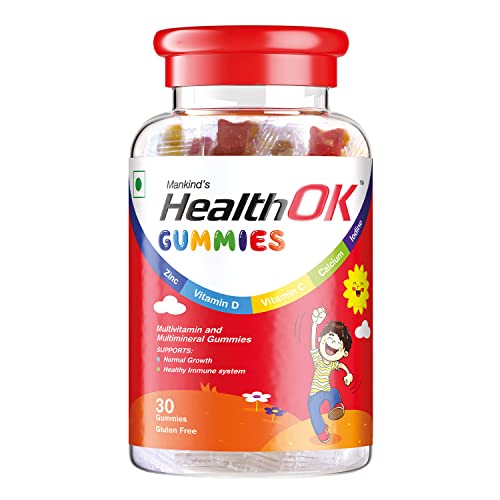
Mankind B-Complex Drops for Infants
- ✓ 25 ml liquid drops
- ✓ Folate 150 micrograms per 0.5ml
- ✓ Includes Vitamin B12
* We earn a small commission — at no extra cost to you.
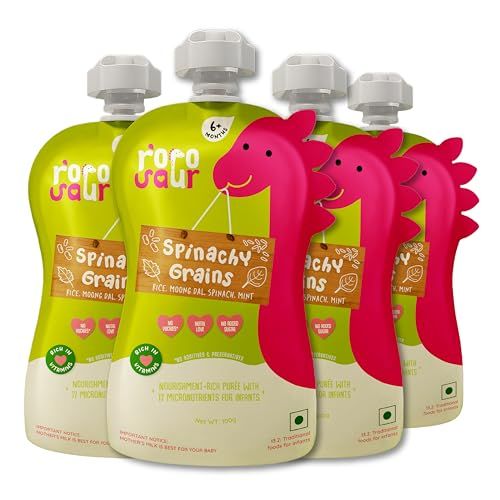
Arent Organics Spinach & Moong Dal Baby Food Pouch (6+ months)
- ✓ 100g ready-to-eat pouch
- ✓ No added salt or sugar
- ✓ Natural folate from spinach & moong dal
* We earn a small commission — at no extra cost to you.
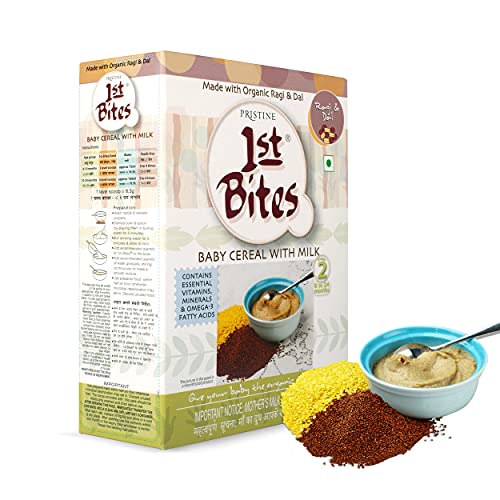
Bornholm Organic Baby Cereal with Moong Dal & Ragi (6+ months)
- ✓ 200g packet
- ✓ Fortified with folate (70 micrograms per serving)
- ✓ Organic certified, no palm oil
* We earn a small commission — at no extra cost to you.