
Fluoride for Babies in India: IAP 2026 Guidelines, Safe Toothpaste & Water Testing
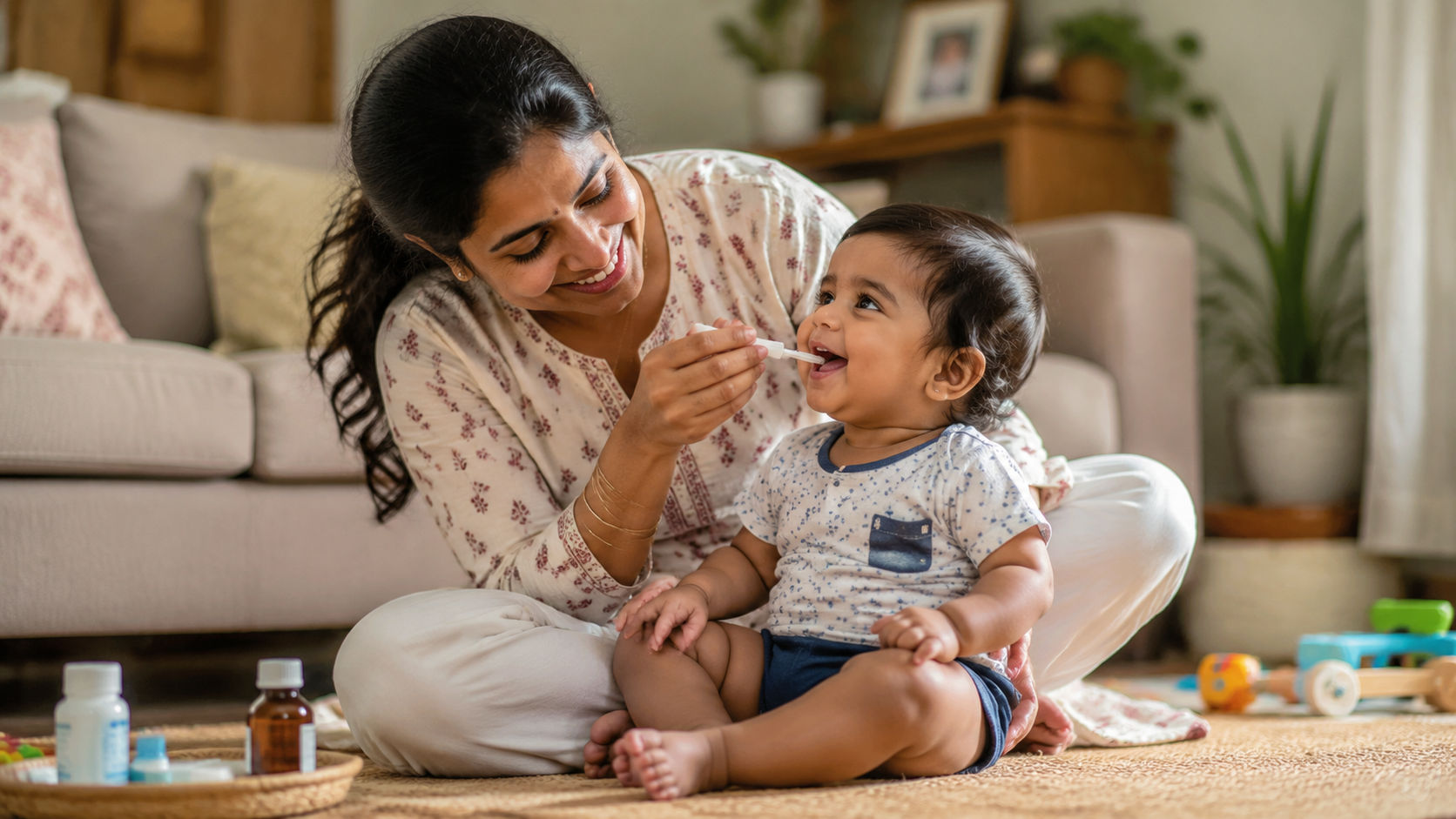
Fluoride for babies depends on your local water supply—if your water is already fluoridated or has over 0.7 ppm fluoride, skip fluoride drops entirely. For 6-24 month babies in low-fluoride areas, IAP 2026 recommends fluoride supplementation only on a paediatrician's advice. Start brushing at 6 months with a grain-sized amount of fluoride toothpaste (under 0.1mg fluoride)—never swallow it.
Fluoride conversations with Indian parents often get confusing because advice varies wildly. One aunty swears by fluoride drops, another warns they cause dental fluorosis, and your dentist says something different from your paediatrician. The truth? Fluoride for babies: a mineral added to water or toothpaste to strengthen developing teeth and prevent decay. It's necessary—but only in the right amount for your baby's specific situation, and India's regional water fluoride levels vary dramatically from city to city.
This 2026 guide breaks down exactly what the Indian Academy of Pediatrics (IAP) now recommends, how to check if your tap water already has enough fluoride, which baby toothpaste brands are genuinely safe, and the actual fluorosis risk (spoiler: it's lower than you think if you're careful). If you live in Mumbai, Delhi, Bengaluru, Pune, or smaller cities like Lucknow and Jaipur, your water fluoride profile is completely different—we'll cover that too.
Do Babies Actually Need Fluoride? What IAP 2026 Actually Says
IAP's 2026 guidelines make one thing crystal clear: fluoride prevents early childhood caries (baby cavities), but the dose matters everything. Babies don't need fluoride before 6 months—their primary teeth aren't erupting yet. At 6 months, when the first teeth appear, fluoride becomes relevant.
Here's where most parents get it wrong: they assume all babies need fluoride supplements. IAP says no. Your baby only needs fluoride supplementation if your drinking water has less than 0.7 ppm (parts per million) fluoride. If your municipal water is already fluoridated or naturally fluoride-rich, you're done—no drops needed. Many Indian cities, including parts of Delhi, Pune, and Chennai, have naturally high water fluoride. Others, like Bengaluru and Mumbai's some areas, have low levels.
For babies aged 6-24 months in low-fluoride areas, IAP recommends drops only under paediatrician supervision. The dose for this age group is typically 0.25 mg fluoride daily—a tiny amount that requires a prescription-strength drop, not over-the-counter products. Don't guess: get your municipal water tested first.
Know Your Water: Regional Fluoride Levels Across India
This is the section that actually saves you money and prevents problems. Your baby's fluoride needs depend entirely on what's already in your tap water.
High-fluoride areas (naturally 1.5+ ppm): parts of Rajasthan, Gujarat, and Andhra Pradesh. If you're in Jaipur or smaller cities in these states, your water likely already has too much fluoride—supplementing is risky. Moderate-fluoride areas (0.7–1.5 ppm): Delhi, parts of Pune, Chennai, Lucknow. Here, your baby may not need drops—check with a paediatrician. Low-fluoride areas (under 0.7 ppm): Bengaluru, Mumbai, Hyderabad, and many tier-2 cities. Only in these areas does IAP recommend considering fluoride supplementation.
You can test your water for free or at minimal cost. Contact your municipal water board—most cities offer free testing, or visit a nearby government hospital lab (usually under Rs. 200). Alternatively, many private pathology labs charge Rs. 300–500 for a detailed water fluoride report. It takes 3–5 days and gives you an exact ppm reading.
Safe Fluoride Toothpaste for 6–24 Month Babies
Once you've established your water's fluoride level, if supplementation is needed, the safest route is fluoride toothpaste under careful supervision—not drops. Why? Because toothpaste is topical (sits on teeth briefly) and most babies spit it out; drops are ingested and absorbed systemically.
Mamaearth Fluoride-Free Kids Toothpaste (Rs. 149 on Amazon.in, 4.1 stars from 2,100+ reviews) is the go-to for parents nervous about any fluoride—it uses calcium and xylitol instead. If you want fluoride but in a trusted brand, Himalaya Kids Toothpaste (Rs. 85, 4.3 stars) contains fluoride but doesn't specify exact ppm on the label—good for a check-in with your paediatrician first.
For babies under 2, the golden rule is: use only a grain-sized dab (roughly 0.1–0.3 mg fluoride maximum). Supervise brushing to ensure baby spits, never swallows. Many parents overlook this detail—swallowing toothpaste repeatedly is where fluorosis risk climbs. If your baby drinks fluoridated water AND uses fluoride toothpaste AND swallows, you're stacking risk unnecessarily.
When to Start Brushing & Fluorosis Risks (The Real Numbers)
Start brushing as soon as the first tooth erupts, typically at 6 months (though some babies start at 4, others at 12—normal either way). Use a soft-bristled, age-appropriate brush.
Dental fluorosis—the cosmetic condition where teeth develop faint white spots or streaks—happens only with excess fluoride during the enamel-formation window (roughly 6 months to 4 years). The good news: very mild fluorosis is cosmetic only and does not affect tooth function. The bad news: it's preventable entirely if you're careful. According to a 2023 epidemiological study cited by IAP, fluorosis rates in Indian children have climbed slightly in high-fluoride regions but remain under 15% even in those areas. In low-fluoride regions, fluorosis is rare.
The risk exists only if you combine three things: high water fluoride + fluoride toothpaste + swallowing. Avoid that combination, and fluorosis won't happen. Most Indian cities have low enough water fluoride that this isn't a concern.
What Paediatricians Say
IAP recommends: Check municipal water fluoride before giving supplements. Most Indian babies in Tier-1 cities don't actually need fluoride drops—water testing removes guesswork. If drops are prescribed, use only under medical supervision and never exceed 0.25 mg daily for 6–24 month babies.
Key fact: Over 60% of Indian parents give fluoride supplements without checking water levels first, leading to unnecessary risk.
Paediatrician vs. Dentist: Who Should Guide You?
A common confusion: should you ask your paediatrician or dentist about fluoride for a 1-year-old? Both matter, but for different things. Your paediatrician handles systemic health (drops, supplementation, safety in the context of overall nutrition) and will advise based on IAP guidelines. Your dentist handles local oral health (toothpaste choice, brushing technique, cavity prevention) and understands which toothpastes work best for your baby's teeth development. Ideally, share your paediatrician's fluoride recommendation with your dentist so both are aligned.
Our Top Picks
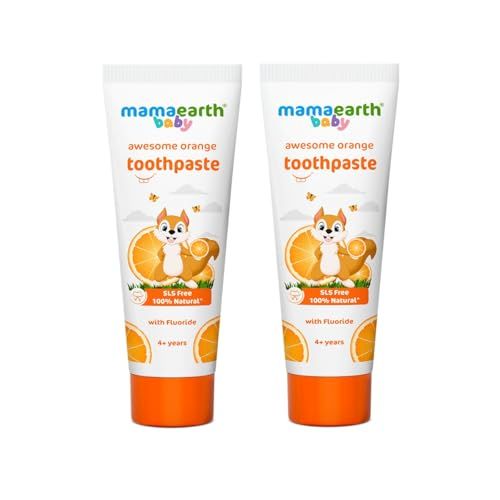
Mamaearth Fluoride-Free Kids Toothpaste
- ✓ Fluoride-free formula with calcium and xylitol
- ✓ Age-appropriate: 6 months to 3 years
- ✓ SLS and paraben-free
* We earn a small commission — at no extra cost to you.
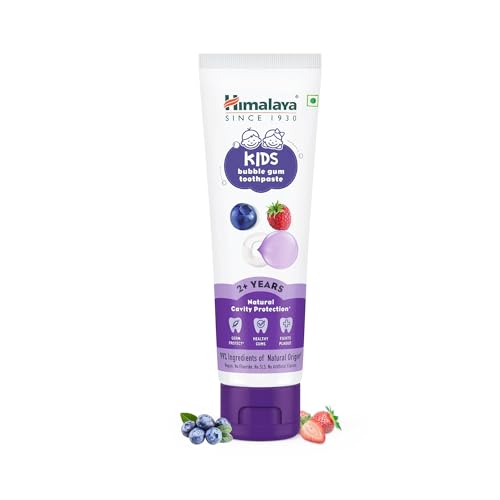
Himalaya Kids Toothpaste
- ✓ Contains fluoride for cavity protection
- ✓ Designed for children 2+ years (consult paediatrician for 6-24 months)
- ✓ Herbal formula with neem and miswak
* We earn a small commission — at no extra cost to you.
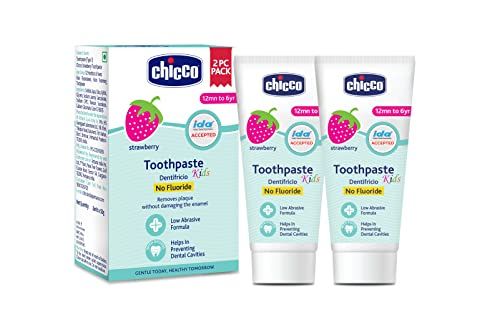
Chicco Toothpaste Strawberry Flavour
- ✓ Fluoride-free toothpaste for safe brushing
- ✓ Age: 6 months to 3 years
- ✓ Mild mint and strawberry blend
* We earn a small commission — at no extra cost to you.