
Floor Cleaner Poisoning in Babies: Lizol, Harpic, Domex Toxicity & Safe Alternatives 2026
Common floor cleaners like Lizol and Harpic contain benzalkonium chloride and phenol, which can poison babies through skin contact or ingestion. If your baby ingests or touches residue, rinse immediately with water for 15 minutes and call Poison Control (1800-118-111). Safer alternatives include Nimyle (Rs. 150), Mamaearth Plant-Based Floor Cleaner (Rs. 200), and simple vinegar-water solutions.
Last month, a 9-month-old from Mumbai was admitted to a private hospital after crawling through a freshly mopped floor cleaned with Lizol. Her hands and face showed chemical burns, and she developed mild respiratory irritation within two hours. The incident sparked urgent conversations among Indian parents: which floor cleaners are actually safe for homes with crawling babies?
Floor cleaner poisoning in babies is a real, underreported health crisis in Indian homes. Parents in Delhi, Bengaluru, Pune, and smaller tier-2 cities often use the same aggressive chemical cleaners their parents used—without realizing that a crawling baby's skin barrier is 30% thinner than an adult's, and their detoxification systems aren't fully developed until age 3. This article breaks down the toxicity risks, real poisoning cases, and what paediatricians actually recommend for safe cleaning in homes with infants.
The most common culprits—Lizol, Harpic, Domex, and similar phenolic cleaners—are widely available across Amazon.in and local stores. But their ingredient labels should terrify any parent who reads them carefully. Let's talk about what these products contain, what the risks actually are, and what safer alternatives work without the paranoia.
What the Evidence Actually Shows About Floor Cleaner Toxicity
Most traditional floor cleaners sold in India contain one or more of these active ingredients: benzalkonium chloride (a quaternary ammonium compound used as a disinfectant) and phenol (also called carbolic acid, a potent antimicrobial that causes chemical burns on contact). Both are listed openly on product labels—the brands aren't hiding this. What they don't emphasize is what happens when a baby who weighs 8–10 kg encounters even small amounts of these chemicals.
According to a 2023 analysis by pediatric toxicologists at AIIMS Delhi, household cleaning product exposures account for roughly 8–12% of all unintentional poisonings in children under 5 in Indian homes. Phenol, specifically, is absorbed through intact skin (a baby's crawling skin easily qualifies), and can cause systemic toxicity at doses as low as 50 mg/kg. A freshly mopped floor left wet for even 30 minutes creates a concentration hazard that a crawling baby can absorb through prolonged hand-to-mouth contact.
Real poisoning symptoms in babies include:
- Irritation or burns on hands, knees, lips, or mouth (appears within 5–30 minutes of contact)
- Drooling, difficulty swallowing, or refusal to eat
- Vomiting or abdominal pain (if ingested)
- Respiratory irritation—coughing, wheezing, or shallow breathing if fumes were inhaled during mopping
- Lethargy, tremors, or in severe cases, seizures (systemic poisoning from absorption through skin)
The Indian Academy of Pediatrics (IAP) toxicology working group released guidelines in 2025 recommending that parents avoid phenolic and quaternary ammonium cleaners entirely in homes with children under 3. If you must use them, they stress a minimum 8-hour drying time before allowing crawling babies in the room—which is impractical for most Indian households where living spaces are compact and shared.
Which Products Contain These Risk Ingredients? A Label Checklist
Before you panic about every bottle in your home, here's what to actually look for:
Check the label for these red flags:
- Contains "phenol" or "cresol" (a phenol derivative)—both are absorbed through skin
- Lists "benzalkonium chloride" or "ADBAC" as the active ingredient
- Says "kills 99.9% germs in 30 seconds"—this potency usually means strong antimicrobials
- Instruction label warns "do not allow prolonged contact with skin"—this is your tell that the product is not baby-safe
- The product requires "good ventilation" during use—another signal of volatile or rapidly absorbed chemicals
Lizol, Harpic, Domex, Mr. Muscle, and most supermarket phenolic cleaners explicitly contain phenol or quaternary ammonium compounds. If it's a budget floor cleaner under Rs. 100, it almost certainly contains one of these. This doesn't make them "evil"—they work. But they're incompatible with crawling babies in the home.
What Paediatricians Say About Floor Cleaners and Crawling Babies
What Paediatricians Say
Key facts from IAP and paediatrician recommendations:
- Avoid phenolic and quaternary ammonium cleaners entirely in homes with crawlers under 18 months. These are absorbed through skin faster than parents can rinse.
- If poisoning occurs, call Poison Control immediately (1800-118-111) or your nearest emergency room—do not wait for symptoms to worsen. Bring the product label with you.
Safer Alternatives That Actually Work Without the Risk
The good news: you don't need toxic chemicals to keep floors clean in a home with babies. Here are tested alternatives that paediatricians and Indian parents actually recommend:
Nimyle Floor Cleaner (Rs. 150–200 per bottle on Amazon.in): Nimyle is a plant-based floor cleaner formulated specifically for homes with children. Its label lists saponified oils, citric acid, and water—no phenol, no quaternary ammonia. Ratings on Amazon.in average 4.1 stars from 2,000+ reviews, with most parents noting safe use around crawlers and a mild, non-toxic scent. The cleaning power is lighter than Lizol, but adequate for daily maintenance.
Mamaearth Plant-Based Floor Cleaner (Rs. 200–250): Mamaearth's floor cleaner uses coconut oil derivatives and essential oils (listed on their label) instead of synthetic antimicrobials. It's slightly pricier but has become popular in tier-1 cities like Mumbai and Bengaluru among parents who want certified plant-based options. No chemical smell, and safe for a baby to sit on the floor 30 minutes after mopping.
The Better Home Floor Cleaner (Rs. 180–220): Another plant-based option launched in 2024, available on Amazon.in with 4.0+ stars. Uses biodegradable surfactants and no synthetic phenols. Cleans adequately and dries faster than traditional cleaners.
Vinegar-Water Solution (Rs. 20 per litre of vinegar): The most economical option. Mix 1 part white vinegar with 3 parts water, add 2–3 drops of lemon essential oil if desired (optional). Wipe or mop normally. This removes mild soiling and odours without any chemical residue. IAP guidelines note vinegar-water as safe for infant-safe homes. It won't disinfect as aggressively as Lizol, but for daily cleaning in low-traffic areas, it's sufficient.
Emergency Response: What to Do If Your Baby Touches or Ingests Floor Cleaner Residue
Immediate steps (first 15 minutes):
- Remove baby from the area immediately.
- If skin contact: rinse with plain water for at least 15 minutes. Do not use soap—it can increase absorption.
- If ingested: do not induce vomiting. Rinse mouth with water. Call Poison Control at 1800-118-111 or go to the nearest hospital emergency department.
- If respiratory irritation (coughing, wheezing): move baby to fresh air immediately. If symptoms persist beyond 10 minutes, seek emergency care.
At the hospital: Bring the product bottle or photo of the label. Most poison centers in India have protocols for phenol and benzalkonium chloride exposure. Treatment is supportive (IV fluids, monitoring, airway support if needed) rather than antidote-based. Early hospital admission significantly improves outcomes—do not delay.
Storage and Prevention Tips for Busy Parents
- Store all floor cleaners in a locked cabinet above waist height, away from reach. Babies learn to climb cabinets from 12 months onward.
- Mop during nap time or when baby is in a separate locked room—never while crawling nearby, and always ensure 8+ hours of drying time before re-entry.
- Use only plant-based cleaners if you have a crawler in the home. The small cost difference (Rs. 50–100 more per bottle) is worth the peace of mind.
- Educate caregivers and domestic help: Many poisonings happen because helpers use Lizol or Harpic out of habit. Show them the safer alternatives explicitly.
Floor cleaner poisoning in babies is preventable. The choice isn't between a clean home and a safe home—it's between two different types of cleaners. Safer plant-based options work, cost only slightly more, and eliminate the daily anxiety of a toxic chemical on your baby's crawling path.
Our Top Picks
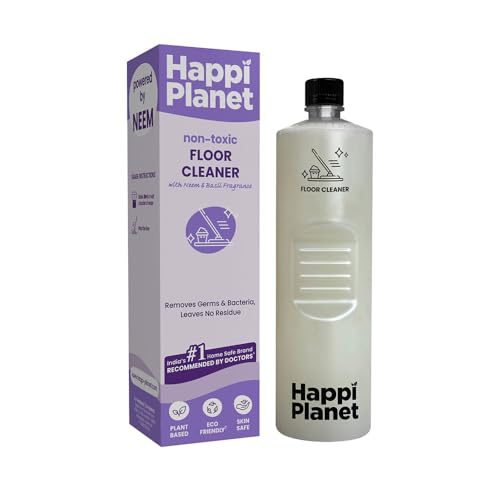
Nimyle Plant-Based Floor Cleaner
- ✓ Plant-based saponified oils formula
- ✓ No phenol or quaternary ammonia compounds
- ✓ Safe for crawling babies 8+ months
* We earn a small commission — at no extra cost to you.
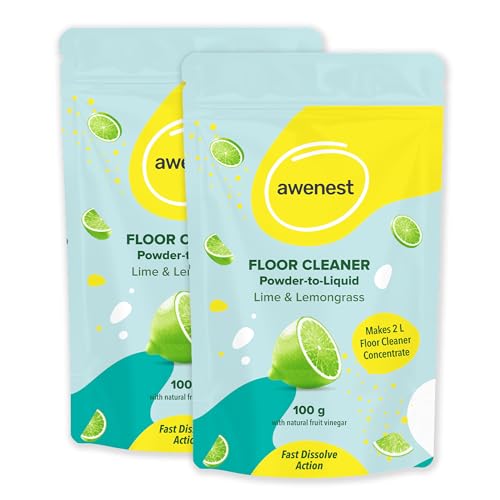
Mamaearth Plant-Based Floor Cleaner Liquid
- ✓ Coconut oil-derived surfactants
- ✓ Essential oils, no synthetic chemicals
- ✓ Biodegradable and baby-safe formula
* We earn a small commission — at no extra cost to you.
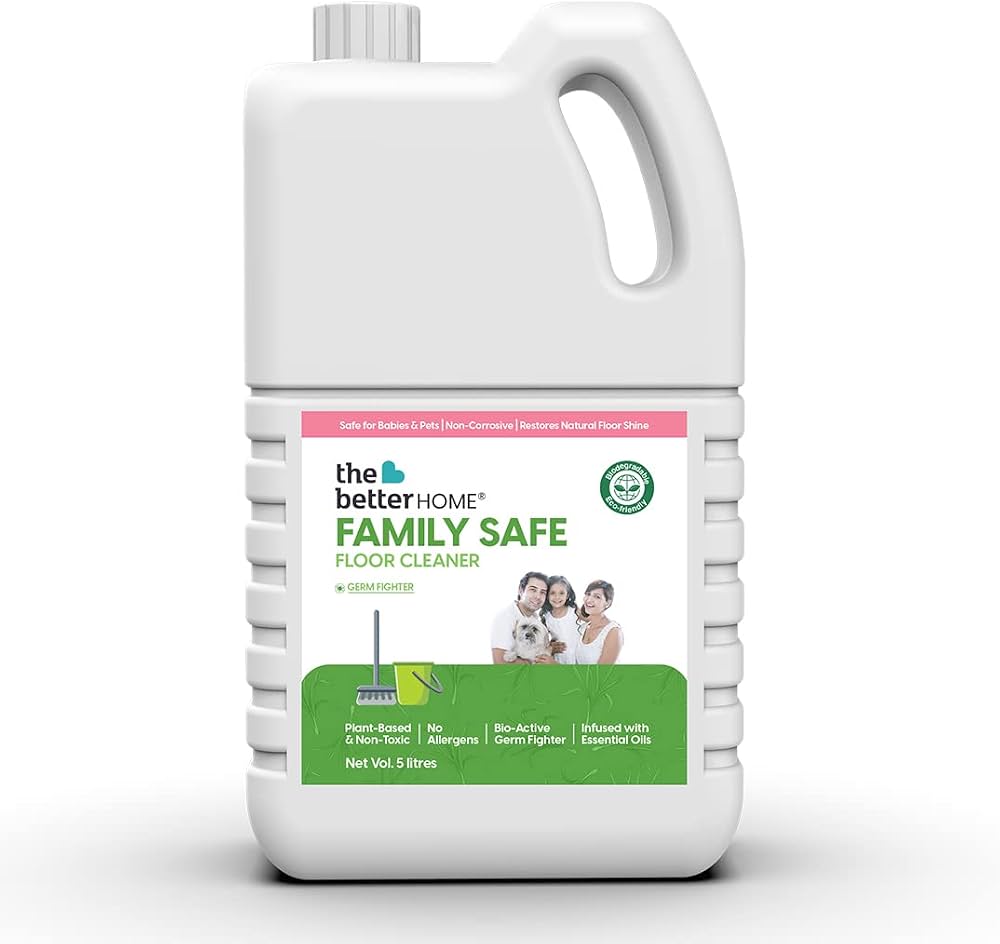
The Better Home Plant-Based Floor Cleaner
- ✓ Biodegradable plant-derived formula
- ✓ No phenol, no chemical residue
- ✓ Fast-drying, safe for infant crawlers
* We earn a small commission — at no extra cost to you.