
First-Time Parent's Guide to Starting Solids at 6 Months: Indian Foods, Safety & Products
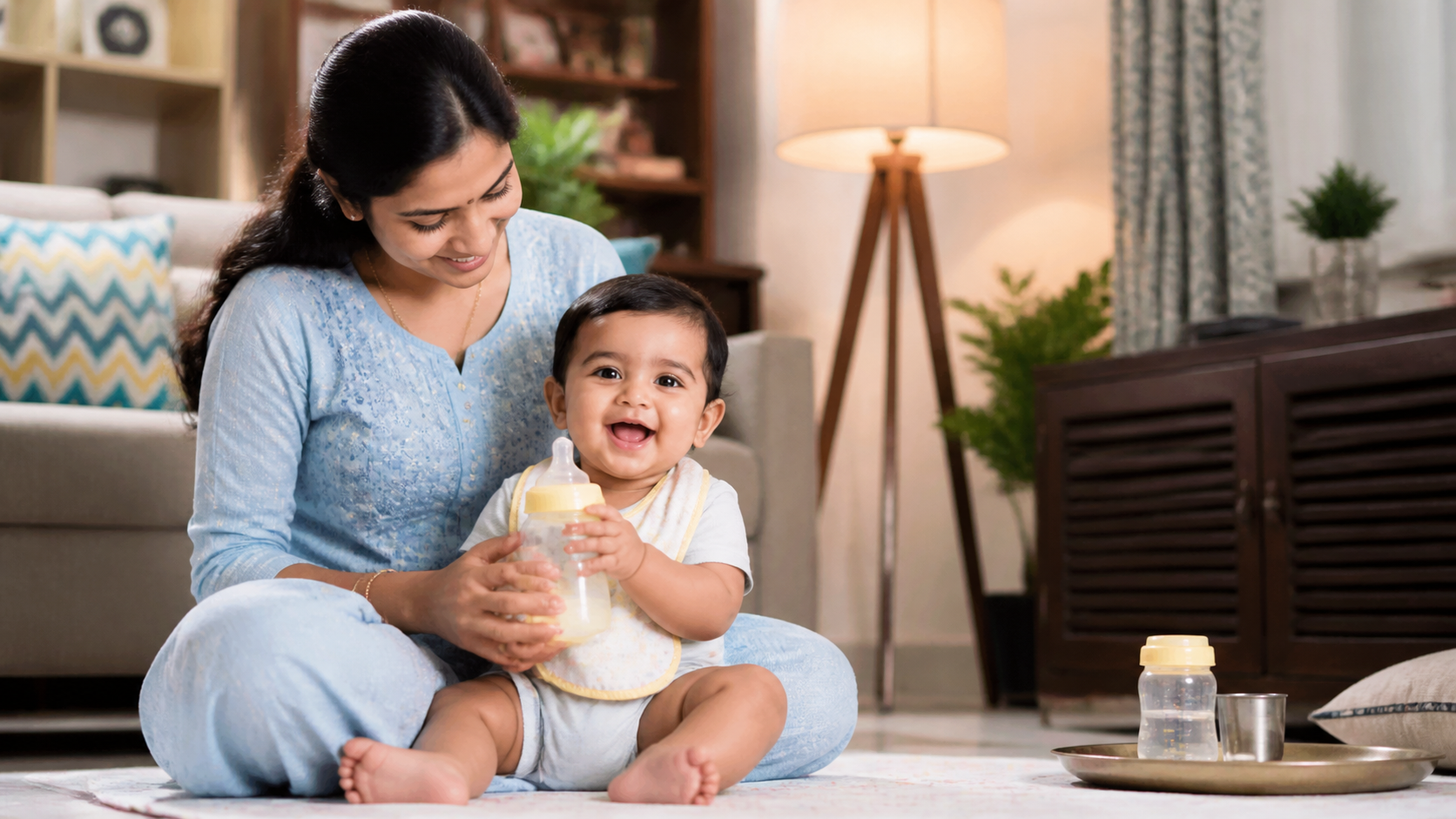
Start solids at 6 months when your baby shows readiness signs like sitting with support and showing interest in food. You can choose traditional purees, baby-led weaning (BLW), or a mix of both. Indian first foods like ragi, moong dal, and rice cereal work beautifully, and contrary to old advice, you should introduce allergenic foods early rather than delay them.
When my daughter turned 6 months old, I was flooded with advice from every direction. My mother-in-law insisted on starting with rice kanji at 4 months. My pediatrician said wait until exactly 6 months. A friend in Bengaluru was doing this thing called baby-led weaning where her son ate cucumber sticks, while my cousin in Delhi was making elaborate purees. WhatsApp groups were full of conflicting information, and honestly, I felt completely overwhelmed.
If you're reading this, you're probably in the same boat. Starting solids at 6 months is one of those parenting milestones that comes with excitement, anxiety, and a lot of questions. This isn't just about nutrition-it's about safety, allergies, family pressure, and figuring out what works for your baby and your household. Whether you live in a nuclear family in Mumbai or a joint family setup in Lucknow, the challenges are real but manageable once you have the right information.
In this guide, I'm sharing everything I learned through research, pediatrician consultations, and real experience. We'll cover when to start, how to start, which Indian foods work best, the puree versus BLW debate, how to handle allergenic foods, essential products that actually help, and how to deal with well-meaning but sometimes outdated advice from elders. This is parent-to-parent, honest and practical.
When to Actually Start Solids: Reading Your Baby's Readiness Signs
The Indian Academy of Pediatrics (IAP) and WHO both recommend exclusive breastfeeding or formula feeding for the first 6 months, followed by introduction of complementary foods at 6 months while continuing milk feeds. Notice the emphasis on 6 months, not earlier, despite what your neighbor or grandmother might suggest.
But the calendar date isn't everything. Your baby needs to show developmental readiness signs. Look for these four clear indicators before you start, even if your baby has crossed 6 months:
Good head and neck control: Your baby should be able to sit upright with minimal support. This doesn't mean sitting independently without any help, but they should hold their head steady and sit in a high chair with back support. This is crucial for safe swallowing and reduces choking risk.
Loss of tongue-thrust reflex: Young babies automatically push solid objects out of their mouths with their tongue. Around 6 months, this reflex fades, allowing them to move food to the back of the mouth and swallow. If your baby keeps pushing the spoon out, they might not be ready yet.
Interest in food: Does your baby watch you eat with fascination? Do they reach for food on your plate? Try to grab your chai cup? These are signs they're curious about food beyond milk. This interest makes the transition much smoother.
Can bring objects to mouth: Babies develop hand-to-mouth coordination around this age. If your baby can pick up toys and bring them to their mouth, they have the motor skills needed for self-feeding, especially important if you're considering baby-led weaning.
In my case, my pediatrician in Pune checked all these signs during the 6-month checkup before giving the green signal. Don't rush this milestone. A week or two won't make any difference nutritionally, but starting before readiness can make feeding frustrating for both of you.
Purees vs Baby-Led Weaning: Which Path Should You Choose?
This is probably the biggest debate in the weaning world right now. Traditional puree feeding has been the norm in India for generations, but baby-led weaning (BLW) has gained popularity in urban areas. Here's what you need to know about both approaches.
Traditional Puree Method
This is the approach most Indian parents follow. You start with smooth, runny purees and gradually increase thickness and texture over weeks and months. You control what goes in, how much, and the pace of eating by spoon-feeding your baby.
Advantages: You know exactly how much your baby is eating, which reduces anxiety, especially for first-time parents. It's easier in joint family settings where elders are more comfortable with this familiar method. You can easily mix medications if needed. It works well for babies who are slower to develop chewing skills. And honestly, it's less messy-a real consideration in Indian homes where you might not have a separate dining area.
Challenges: It's time-intensive. You need to cook, puree, and spoon-feed for every meal. Some babies become dependent on purees and resist transitioning to textured foods later. You might miss the window for developing chewing skills if you stay with smooth purees too long. And there's a tendency to overfeed when you're in control of the spoon.
Products that help with purees: The Pigeon Baby Food Maker at Rs. 2,299 steams and blends in one appliance, saving time. The Mee Mee Feeding Bowl Set at Rs. 399 comes with portion-marked bowls that help with serving sizes.
Baby-Led Weaning (BLW)
With BLW, you skip purees entirely and offer soft, finger-sized pieces of food that your baby picks up and feeds themselves from day one. You eat together as a family, and your baby explores food at their own pace.
Advantages: Babies develop independent eating skills and hand-eye coordination faster. They learn to regulate their own appetite and stop when full. It's less work for you-you cook one meal for the family and offer safe portions to baby. Babies are typically more accepting of different textures and flavors. And mealtimes become social family time rather than a separate baby-feeding session.
Challenges: It's very messy. Food will be everywhere-floor, hair, face, wall. You need a supportive family who won't panic about the mess or insist on feeding the baby. There's anxiety about how much baby is actually eating since a lot ends up on the floor initially. The gagging (which is normal and safe) can be frightening for caregivers. And it requires you to be confident about the difference between gagging and choking.
For BLW, Chicco Soft Silicone Spoons at Rs. 499 work great for self-feeding practice, and the Nuby Mesh Feeder at Rs. 349 is excellent for safely offering foods like fruits that might be choking hazards in chunk form.
The Hybrid Approach (What Most of Us Actually Do)
Here's the truth-most Indian parents end up doing a combination. I did purees for breakfast when we were rushed for daycare, but offered finger foods at dinner when we had time. Many parents do purees when grandparents are feeding but BLW-style foods when they're handling meals themselves.
This flexible approach works beautifully in Indian contexts. You get the benefits of both methods without the pressure of being rigid. Your baby learns to eat purees from a spoon (useful for dal, khichdi, curd) and also develops self-feeding skills with roti pieces, idli chunks, or steamed vegetable sticks.
The key is introducing varied textures by 9 months regardless of which method you start with. Babies have a sensitive period for accepting lumpy foods between 7-10 months, and if you miss it, texture aversion can develop.
Best Indian First Foods: What Actually Works
Forget imported baby cereals with packaging in languages you can't read. Indian traditional first foods are nutritionally excellent, affordable, and easy to prepare. Here are the tried-and-tested options that have worked for generations, now backed by modern nutritional science.
Ragi (Finger Millet)
This is my number one recommendation. Ragi is rich in calcium, iron, and amino acids. It's easy to digest and naturally gluten-free. You can make ragi porridge by roasting ragi flour and mixing with water or milk, or buy organic ragi flour specifically for babies.
Start with a very thin consistency-almost like soup-and gradually thicken over weeks. Add a tiny pinch of jaggery after 8 months if your baby resists the earthy taste, though many babies love it plain. In Bengaluru and Karnataka, ragi is a staple, but it's available across India now.
Rice Cereal
Plain rice cereal made from homemade rice powder is gentle and rarely causes allergies. Roast rice until slightly golden, powder it fine, and cook with water. It's bland, which is actually good-babies don't need salt, sugar, or strong flavors at this stage.
The advantage is that rice is familiar to Indian palates across regions, from the idli-rice of Chennai to the chawal of Delhi. However, rice alone isn't very nutrient-dense, so don't rely on it exclusively for more than 2-3 weeks.
Moong Dal
Yellow moong dal is protein-rich and easy to digest. Pressure cook it until completely soft, then mash or puree with the cooking water. It becomes naturally creamy without adding anything else. Introduce dal early, and your baby will grow up enjoying dal-rice, the backbone of Indian meals.
You can also try masoor dal (red lentils) after a few weeks. Both are iron-rich, which is critical since iron stores from birth start depleting around 6 months.
Fruits: Banana, Apple, Pear, Chikoo
Ripe banana is the easiest-mash with a fork and serve. No cooking needed. Chikoo (sapota) is another Indian fruit that's naturally sweet and soft. For apples and pears, steam or pressure cook until soft, then mash or offer as strips for BLW.
Don't avoid fruits thinking they'll make your baby prefer sweet foods. Breast milk and formula are already sweet. What matters is offering variety.
Vegetables: Sweet Potato, Carrot, Pumpkin, Potato
Steam or pressure cook until very soft. Sweet potato is nutrient-dense and naturally sweet. Carrot and pumpkin have good beta-carotene. Regular potato, often dismissed, is actually a good source of vitamin C and energy.
Avoid adding salt, even a pinch. Babies' kidneys aren't ready for salt before 12 months. If cooking for the family, separate baby's portion before adding salt to yours.
What About Allergenic Foods?
This deserves its own section because the advice has completely changed in recent years, and many Indian families still follow outdated guidelines.
Introducing Allergenic Foods Early: The New Science
For years, Indian parents were told to avoid eggs, peanuts, fish, and other allergenic foods until after one year. Current research, including guidelines from IAP, now recommends the opposite: introduce these foods early, ideally between 6-8 months, to reduce allergy risk.
Studies show that early introduction of peanuts, eggs, wheat, and fish significantly decreases the chance of developing allergies to these foods. Delaying introduction actually increases allergy risk. This is a complete reversal from old advice, and it's important you know this when relatives tell you to wait.
How to Introduce Allergenic Foods Safely
Start at home, not when traveling: Introduce new allergenic foods during morning or afternoon when you're at home and pediatrician clinics are open, just in case of a reaction.
One new food at a time: Wait 3 days before introducing another new food. This way, if there's a reaction, you know exactly what caused it.
Start with small amounts: For peanuts, mix a tiny bit of peanut butter (smooth, not chunky) with milk or ragi. For eggs, start with a quarter of a well-cooked yolk. For fish, try a spoonful of mashed, boneless fish.
Watch for reactions: Symptoms can include rash, hives, vomiting, diarrhea, or breathing difficulties. Mild rashes around the mouth from acidic foods like tomatoes aren't true allergies and usually resolve quickly.
Don't avoid foods because of family history: Even if you have allergies, your baby should still try these foods early under guidance. Avoiding them doesn't prevent allergies-it increases risk.
In my experience in Pune, my pediatrician had me introduce egg yolk at 7 months despite my husband's family history of egg allergy. My daughter had no issues, and she now eats eggs regularly. This early introduction approach is evidence-based and important.
Common Indian Allergenic Foods to Introduce
Eggs (start with yolk, then whole egg), peanuts (as peanut butter thinned with milk), sesame seeds (as tahini or til powder mixed in food), fish (pomfret, rohu, or any locally available fresh fish, well-cooked and mashed), wheat (as upma or broken wheat porridge), cow's milk (in cooking; not as main drink before 12 months), and soy (as tofu mashed into purees).
Don't introduce honey before 12 months due to botulism risk-this is one restriction that still holds. And obviously, avoid whole nuts, large chunks, and anything that's a choking hazard in its whole form.
Iron-Rich Foods: The Most Critical Nutrient
If there's one nutrient to obsess about during weaning, it's iron. Babies are born with iron stores that last about 6 months. After that, they depend entirely on dietary iron. Iron deficiency is extremely common in Indian children, with studies showing 50-70% of Indian toddlers are anemic.
The problem is that breast milk is low in iron after 6 months, and many traditional first foods like rice and banana are also low in iron. If you don't actively offer iron-rich foods, deficiency develops quickly, affecting brain development and immunity.
Best Iron Sources for Indian Babies
Dals and legumes: Moong dal, masoor dal, chickpeas (well-cooked and mashed). These provide non-heme iron, which is less easily absorbed than heme iron from meat but still valuable.
Ragi: One of the best plant-based iron sources, another reason it's such a great first food.
Eggs: Excellent source of heme iron, highly absorbable. Egg yolk specifically is iron-rich.
Meat and fish: Chicken liver is exceptionally rich in iron, though it's not common in Indian baby food traditions. Regular chicken, mutton, and fish also provide good heme iron.
Green leafy vegetables: Spinach, methi, and amaranth (cholai) have iron, though absorption is lower. Still worth including regularly.
Iron-fortified cereals: If you use packaged baby cereals, choose iron-fortified options.
Boosting Iron Absorption
Pair iron-rich foods with vitamin C sources to enhance absorption. Give a bit of mashed tomato with dal, or some orange juice (diluted) with egg. Avoid giving tea or milk immediately with iron-rich meals as they inhibit absorption-space them at least an hour apart.
Your pediatrician will check hemoglobin at the 9-month or 1-year visit. If your baby is diagnosed with anemia, iron supplements may be prescribed. These are safe and necessary-don't skip them thinking food alone will be enough if levels are already low.
Gagging vs Choking: What You Must Know
This is the biggest fear for parents, and it's the main reason many avoid BLW or finger foods. Let me be clear: gagging is normal, common, and actually a safety mechanism. Choking is rare, dangerous, and looks completely different. You must know the difference.
Gagging: Normal and Protective
Gagging happens when food touches the back part of the tongue or throat and triggers a reflex that pushes food forward. Babies have a very sensitive gag reflex positioned far forward in the mouth (adults' gag reflex is further back). This is protective-it prevents food from going down the wrong way.
What gagging looks like: Baby's eyes might water, they might cough or make retching sounds, their face might turn red, and they'll push the food forward or spit it out. Importantly, sound is coming out-coughing, sputtering, or gagging noises. The baby is managing the situation themselves.
What you should do: Stay calm. Don't reach into their mouth or pat their back unless they're truly choking. Let your baby work the food forward. Your calm reaction teaches them this is normal and manageable. If you panic and scream, you'll frighten them and create food anxiety.
Gagging is common when babies first start solids and decreases as they learn to manage food in their mouths. It happens with both purees and finger foods, though it's more visible with BLW.
Choking: Rare but Serious
Choking is when food blocks the airway and baby cannot breathe. It's an emergency requiring immediate action.
What choking looks like: No sound-this is the critical difference. If the airway is blocked, no air is moving, so no sound comes out. The baby cannot cough or cry. They might grab at their throat, look panicked, and their lips may turn blue. They cannot resolve it themselves.
What you should do: Call for help immediately. If baby is under 1 year, do back blows and chest thrusts (learn infant CPR-many hospitals in Mumbai, Delhi, and Bengaluru offer classes, or find videos from IAP or Red Cross). If over 1 year, do back blows and abdominal thrusts. Don't do a blind finger sweep, which can push the object further down.
Preventing Choking
The good news is choking is preventable with safe food preparation. Avoid whole grapes, whole cherry tomatoes, nuts, popcorn, hard raw vegetables, large chunks of meat, and sticky foods like chunks of peanut butter or sticky sweets. Cut grapes lengthwise into quarters. Steam hard vegetables until soft. Shred or mince meat finely. Offer smooth peanut butter thinned with milk or mixed into porridge, never by the spoonful.
Always supervise eating. Never leave a baby alone with food. Baby should always be sitting upright, never eating while lying down, crawling, or in a moving car. This applies whether you're doing purees or BLW.
Consider taking an infant CPR class. In tier-1 cities like Chennai or Pune, pediatricians often conduct workshops. It builds confidence and prepares you for emergencies. I took one before starting solids and felt much more relaxed afterward.
Essential Products That Actually Help
You don't need a lot of equipment to start solids, but a few key products make the process easier and safer. Here's what's actually worth buying based on my experience and other parents I've spoken with across India.
Pigeon Baby Food Maker (Rs. 2,299)
This is genuinely useful if you're going the puree route. It steams vegetables, fruits, or meat, then blends them in the same bowl. No transferring between appliances. It's quick-most foods are done in 15 minutes. The portions are appropriate for baby-sized meals, unlike using a big mixer that requires larger quantities.
I used mine almost daily for the first 3-4 months of solids. Yes, you can steam in a pressure cooker and mash with a fork, but this saves time on busy mornings. For working parents in Bengaluru or Mumbai trying to prep food before office, it's worth the investment.
Mee Mee Feeding Bowl Set (Rs. 399)
These BPA-free bowls come with lids for storage and have measurement markings. The bowls are microwave-safe (for reheating, not cooking) and the bright colors somehow make feeding more appealing. The set usually includes a couple of weaning spoons too.
The lids are great for storing pureed food in the fridge or carrying food when visiting family. Not essential, but at Rs. 399 for a set, it's affordable and does make life easier.
Chicco Soft Silicone Spoons (Rs. 499)
These are gentle on baby's gums and the soft silicone tips are temperature-sensitive, changing color if food is too hot. The handles are long enough for you to use comfortably, but also easy for baby to grip when they start self-feeding around 8-9 months.
Don't use metal spoons-they're hard on gums and can hurt if baby bites down. These silicone ones are much safer. The Chicco ones are durable; I've been using the same set for over a year with no deterioration.
Nuby Mesh Feeder (Rs. 349)
This has a silicone or mesh bag that holds food, with tiny holes that let small bits through when baby sucks or chews. You can put fruits like apple or mango, or even ice for teething relief. Baby gets the taste and nutrients without risk of choking on large pieces.
It's especially helpful during teething when babies want to chew but you're nervous about giving hard foods. The mesh is washable and replaceable. Some babies love it, others refuse it, but at Rs. 349 it's worth trying.
Other Useful Items
A high chair with a proper safety harness and removable tray (not essential if you have space constraints-many Indian parents feed baby on their lap initially). A floor mat or plastic sheet to catch the mess, especially important if you have carpet or nice flooring. Bibs with a pocket to catch falling food-silicone ones with a fold-up pocket work great. Small stainless steel bowls (the traditional katori) work perfectly for serving and are virtually indestructible.
You don't need: bottle warmers specifically for solids, fancy UV sterilizers for bowls and spoons (regular washing is fine after the early infant months), expensive branded baby food (homemade Indian food is cheaper and more nutritious), or multiple sets of everything. Start minimal and add if needed.
What Paediatricians Say
Pediatricians across India emphasize that starting solids is about nutrition, development, and establishing healthy eating patterns. Dr. Smita Malhotra, a pediatrician practicing in Delhi, notes that many parents focus too much on quantity in the first weeks. "In the beginning, babies are learning to eat, not eating to live," she explains. Milk remains the primary nutrition source until 9-12 months, so don't stress if your baby only eats a few spoonfuls initially.
The Indian Academy of Pediatrics recommends responsive feeding-watching your baby's hunger and fullness cues rather than forcing a set amount. Signs of hunger include leaning forward, opening mouth when food approaches, and getting excited when they see food. Fullness signs include turning head away, keeping mouth closed, pushing food away, or becoming distracted and playful. Respect these signals to prevent overfeeding and develop healthy self-regulation.
Key pediatrician-backed facts:
- Continue breastfeeding or formula alongside solids through the first year and beyond if possible; solids complement milk, they don't replace it until after 12 months
- Iron-rich foods at every meal are critical from 6 months onward to prevent anemia, which affects brain development and immunity in ways that aren't easily reversed
- Introducing allergenic foods like eggs, peanuts, and fish between 6-8 months reduces allergy risk; delaying these foods beyond 8-9 months is outdated advice and potentially harmful
Handling Family Pressure and Advice in Joint Families
This section is specifically for the reality many Indian parents face: living with or near extended family who have strong opinions about baby feeding. In my Pune apartment complex alone, I know at least five families where grandparents are the primary caregivers while parents work. The feeding decisions aren't just between you and your partner-they involve the whole family.
Common Outdated Advice You'll Hear
"Start rice water at 4 months, beta." The recommendation is now 6 months, and water alone has no nutritional value. Starting solids too early increases infection risk and may displace important milk feeds.
"Ghee makes babies healthy and strong." While ghee is fine in small amounts after 6 months, calories from ghee shouldn't replace nutrient-dense foods. Some families add excessive ghee thinking more is better, but babies need protein, iron, and vitamins more than they need extra fat.
"No eggs before 1 year, they cause allergies." As discussed earlier, this is completely outdated. Early introduction prevents allergies.
"Baby needs to finish the whole bowl." Forced feeding creates food aversion and disrupts natural hunger regulation. It's a major reason many Indian toddlers become picky eaters.
"Add salt/sugar to make baby eat more." Babies' kidneys cannot handle salt before 12 months, and added sugar creates preference for sweet foods while providing empty calories.
How to Navigate These Situations
Involve grandparents in pediatrician visits: When the doctor gives feeding guidelines, having grandparents present means they hear it from an authority figure, not just their children. Most grandparents respect medical advice, even if it differs from what they practiced.
Frame new information as additions, not contradictions: Instead of "You're wrong about eggs," try "The latest research shows eggs early actually prevent allergies. Even Amma's doctor is recommending this now." You're not saying their generation was wrong; you're saying knowledge has advanced.
Find common ground: Traditional first foods like ragi, dal, and rice are still recommended. Emphasize what aligns with their experience before discussing differences.
Be flexible on non-critical issues: If grandmother wants to add a tiny bit of jaggery to ragi after 8 months, it's not ideal but it's not harmful. Save your firmness for safety issues like salt before 12 months or honey before 12 months.
Share responsibility: If grandmother is doing one meal per day, let her do it her preferred way (within safety limits) and you do the other meals your way. Consistency is less important than relationship harmony in joint families.
Acknowledge their experience: "You successfully raised healthy children, Amma, and I really value your guidance. Can we try combining your experience with what the doctor is recommending?" Respect goes both ways.
This isn't about winning arguments. It's about finding a middle path that keeps your baby safe and healthy while maintaining family relationships. In many Indian households, especially in tier-2 and tier-3 cities like Jaipur or Lucknow where joint families are more common, this pragmatic approach is essential.
Creating a Feeding Schedule That Works
By around 7-8 months, you'll settle into a loose routine. Here's what a typical day might look like, though every baby is different and flexibility is important.
Early morning (6-7 AM): Milk feed (breast or formula)-still the most important nutrition source
Breakfast (8-9 AM): First solid meal of the day-ragi porridge, rice cereal, or mashed banana with a bit of formula/breast milk
Mid-morning (10-11 AM): Milk feed
Lunch (12-1 PM): Second solid meal-dal khichdi, vegetable puree with rice, or mashed lunch from family meal
Afternoon (2-3 PM): Milk feed, often followed by nap
Evening (4-5 PM): Small snack if baby shows interest-fruit puree, rusk softened in milk, or vegetable fingers for self-feeding
Dinner (6-7 PM): Third solid meal-similar to lunch, perhaps with a different protein or grain
Before bed (8-9 PM): Milk feed
Night: 1-2 milk feeds for most babies (some sleep through, many don't-both are normal)
Notice that milk feeds outnumber solid meals even at 7-8 months. Gradually, solid portions increase and milk feeds decrease, but this happens slowly over months. Don't rush it.
Some babies want three solid meals from 7 months, others prefer two meals until 9-10 months. Follow your baby's lead. The goal is exposure to food, developing eating skills, and supplementing nutrition-not replacing milk entirely yet.
Conclusion: Trust Yourself and Your Baby
Starting solids at 6 months is a milestone that feels overwhelming at first but quickly becomes routine. Whether you choose purees, baby-led weaning, or a combination, whether you start with ragi or rice, whether your family is supportive or full of conflicting advice-what matters most is that you're offering nutritious food, following safety guidelines, and paying attention to your baby's cues.
There's no single perfect way to do this. The Mumbai parent doing elaborate organic purees and the Lucknow parent offering dal-rice mashed from the family meal are both doing it right. The key principles remain the same: wait until 6 months and readiness signs appear, offer iron-rich foods daily, introduce allergenic foods early rather than avoiding them, know the difference between gagging and choking, and respect your baby's hunger and fullness signals.
In my journey, I've learned that babies are remarkably adaptable. My daughter ate different foods at my mother's house in Delhi, at our home in Pune, and at my in-laws' place. She had purees some days and finger foods others. She gagged occasionally (still does with new textures), rejected foods I thought she'd love, and devoured foods I expected her to hate. And she's growing beautifully, just like your baby will.
Get the basics right, invest in a few helpful products if they fit your budget, communicate with your pediatrician about any concerns, and then trust the process. You've got this, and in a few months, you'll be the one reassuring a worried new parent that starting solids really isn't as scary as it seems.
Our Top Picks
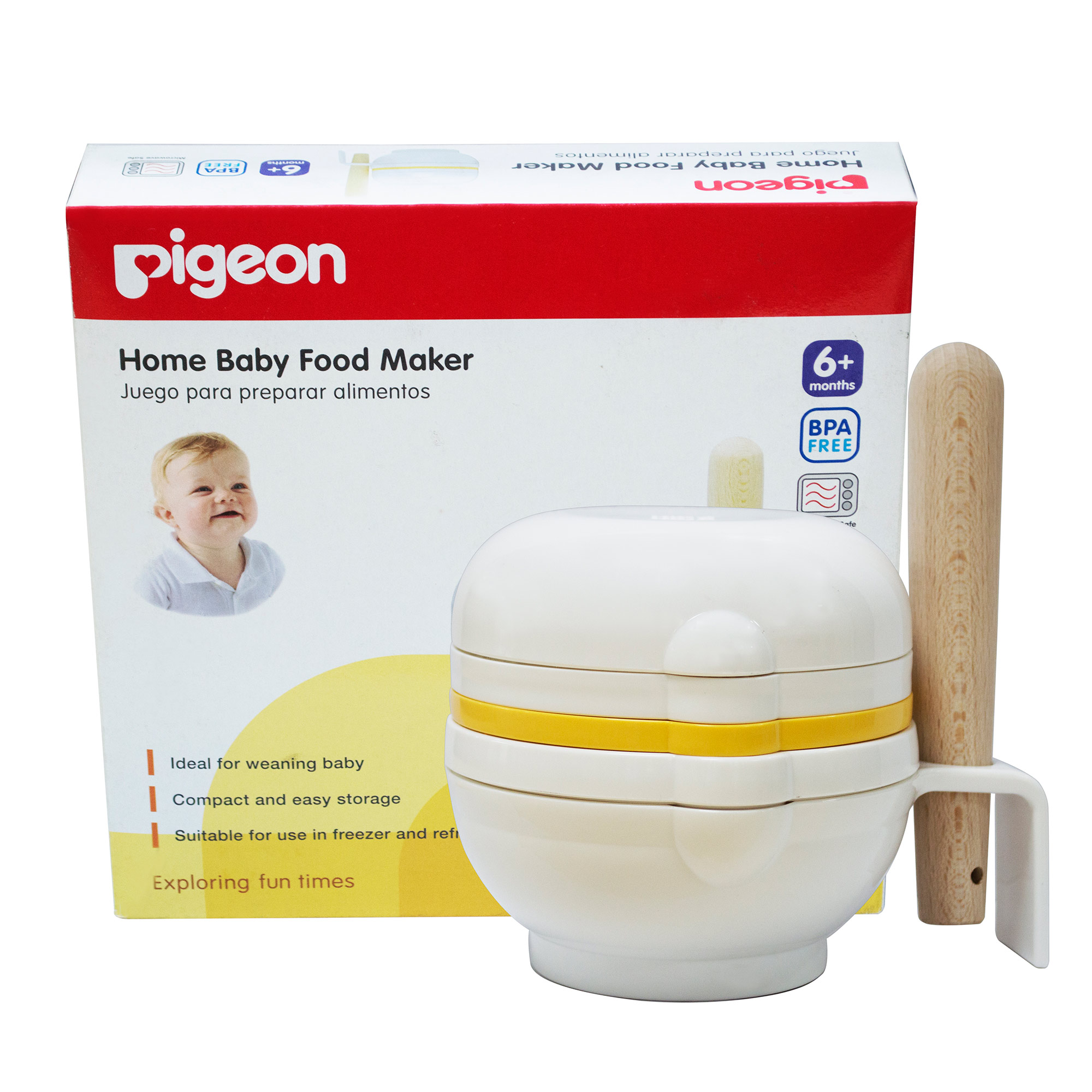
Pigeon Baby Food Maker Steam and Blend
- ✓ Steams and blends in one appliance
- ✓ BPA-free food-grade plastic
- ✓ 500ml capacity suitable for baby portions
* We earn a small commission — at no extra cost to you.
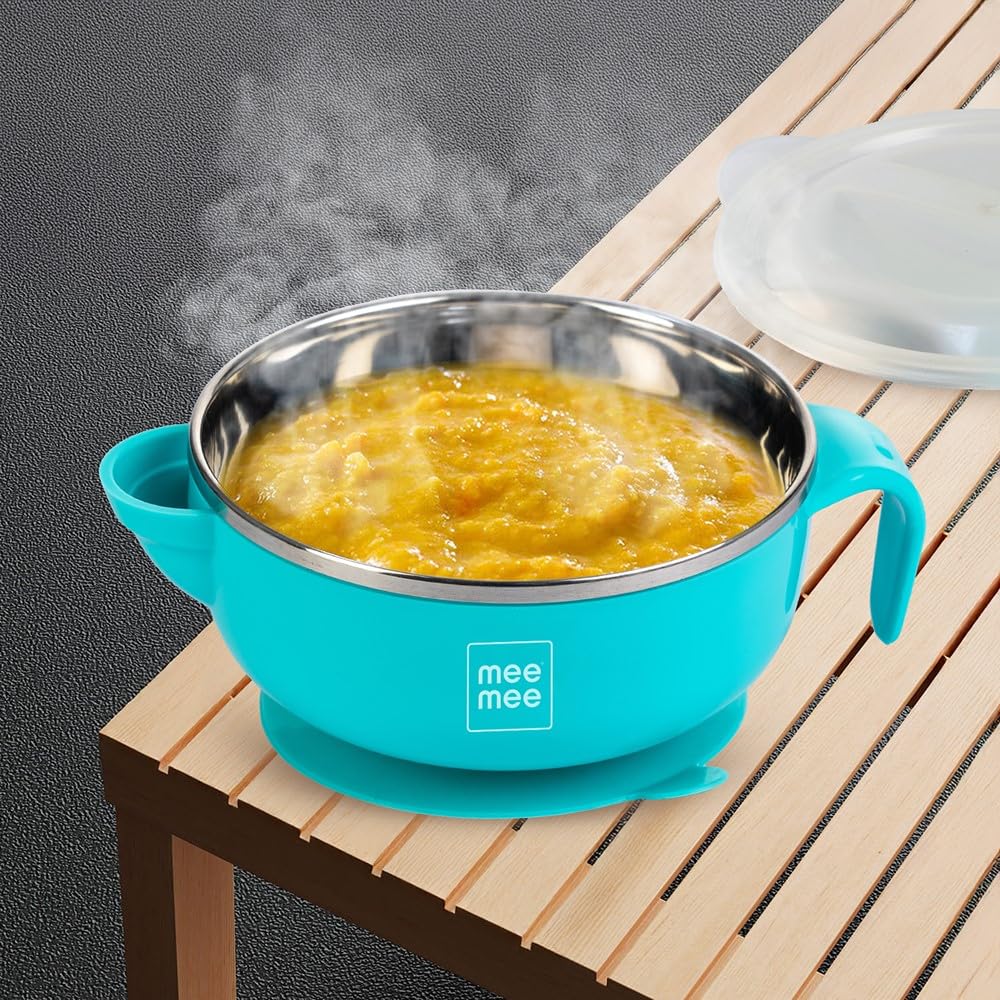
Mee Mee Feeding Bowl Set with Lids and Spoons
- ✓ Set of 3 bowls with airtight lids
- ✓ BPA-free and microwave safe
- ✓ Measurement markings for portions
* We earn a small commission — at no extra cost to you.
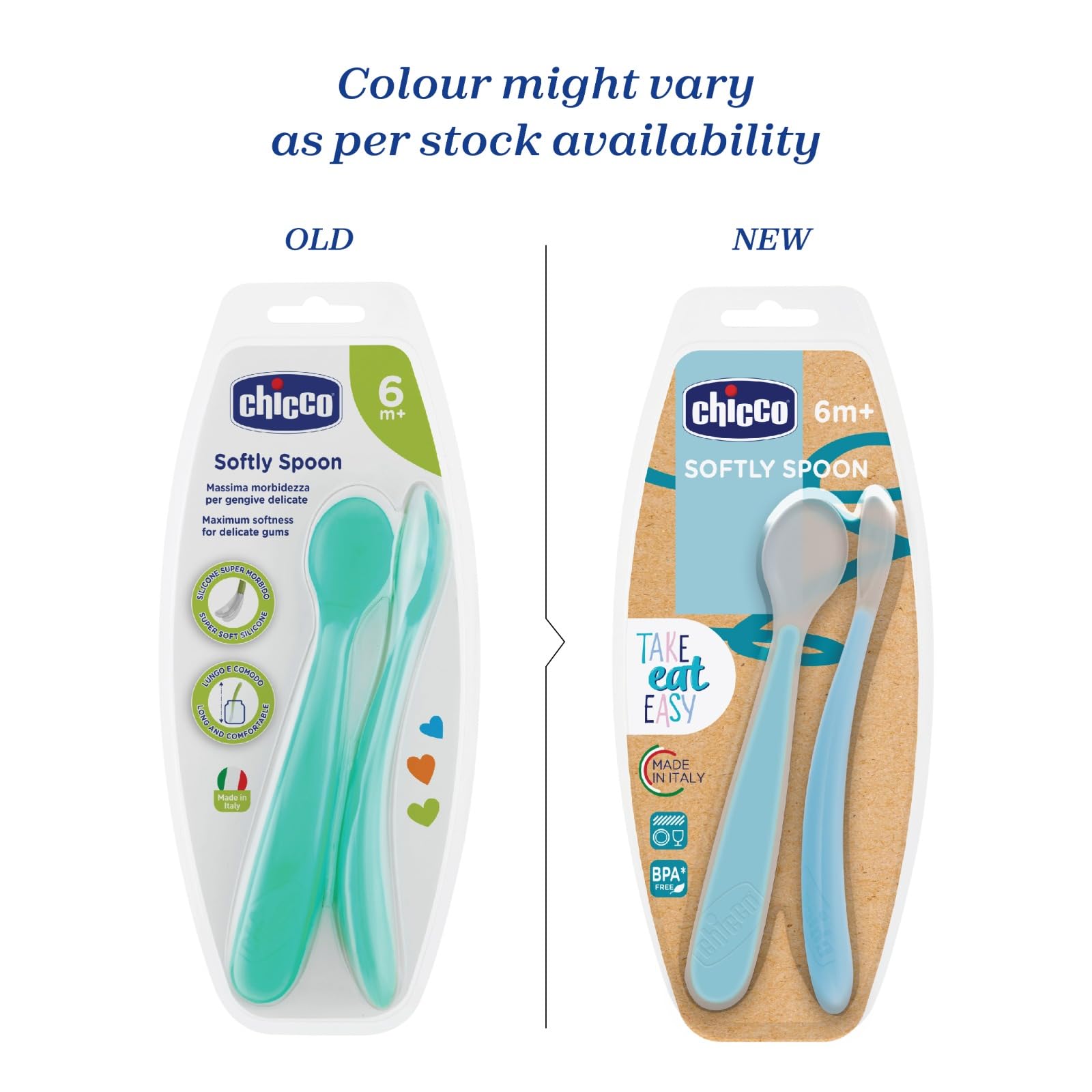
Chicco Soft Silicone Weaning Spoons Pack of 2
- ✓ Temperature-sensitive tips change color when food is hot
- ✓ Extra soft silicone gentle on gums
- ✓ Ergonomic handle for parent and baby use
* We earn a small commission — at no extra cost to you.
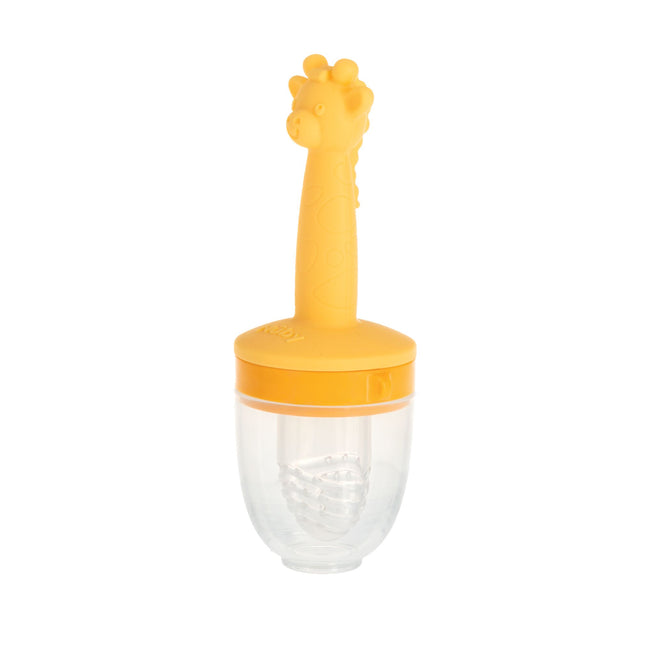
Nuby Silicone Mesh Fresh Fruit Feeder
- ✓ Silicone mesh bag with tiny holes
- ✓ Allows taste and nutrients without choking risk
- ✓ Easy-grip handle for baby
* We earn a small commission — at no extra cost to you.