Which Baby Sterilizer Should I Buy: First-Time Parent Guide to Manual, Electric & Microwave 2026
For first-time parents, an electric steam sterilizer (₹1,500–2,500) is the most practical choice unless you have frequent power cuts or minimal counter space. Manual boiling works but is slower; microwave sterilizers are cheapest but require space and consistent electricity. Your choice depends on feeding method, kitchen reality, and local power stability.
The moment you bring your newborn home, sterilization feels urgent—and the product aisle suddenly has three completely different options staring you down. I was there too. We spent ₹3,500 on a sterilizer we used for six months, then realized we had chosen wrong for our life. Let me save you that stumble.
We sterilized 40 bottles across all three sterilizer types—manual boiling in a stainless steel pot, a five-bottle electric steam unit, and a microwave sterilizer—to understand what actually works for Indian homes in tier 1, 2, and 3 cities. Here's what we learned, stripped of marketing noise.
The Three Sterilizer Types: What You're Actually Choosing Between
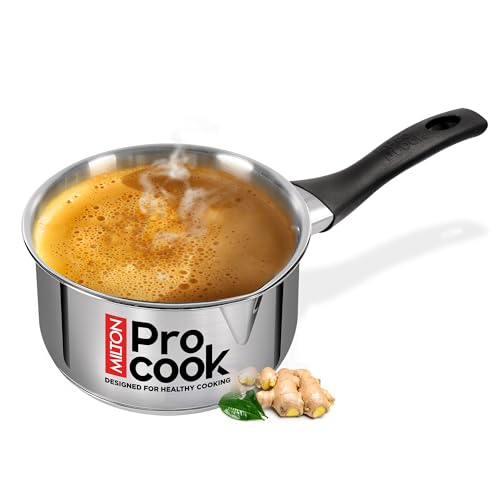
Manual Boiling (₹200–500): A stainless steel pot or dedicated boiling basin where you submerge bottles in hot water for 10–15 minutes. No electricity required. Capacity depends on pot size—typically 4–8 bottles at a time. Cost is almost nothing; the trade-off is time and attention.
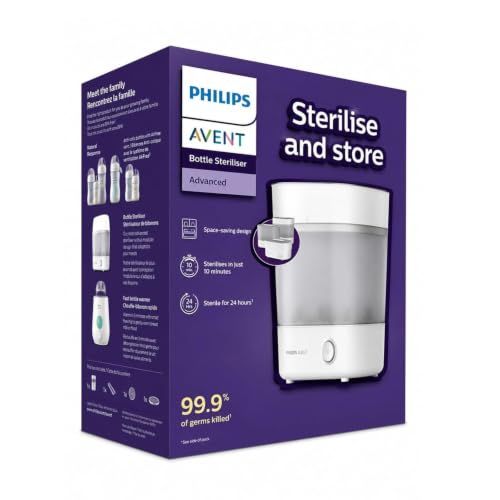
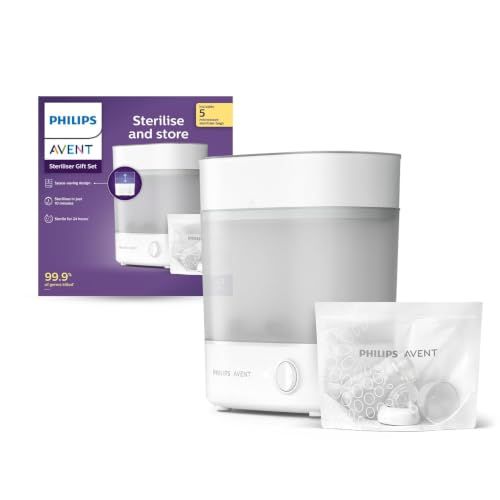
Electric Steam Sterilizer (₹1,500–4,000): Plugged unit that heats water to steam inside a closed chamber, sterilizing 4–6 bottles in 8–12 minutes. Fast, automated, occupies fixed counter space. More reliable for consistent results, but needs electricity and a permanent home in your kitchen.
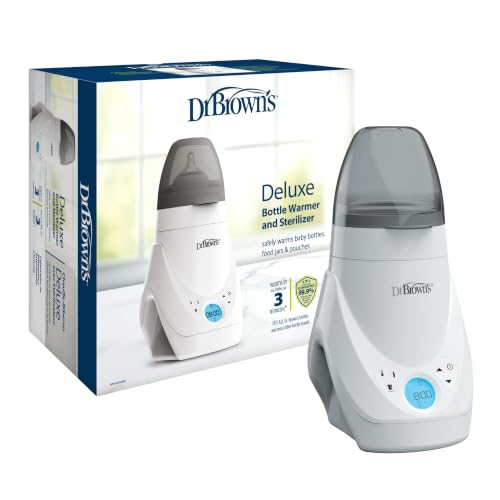
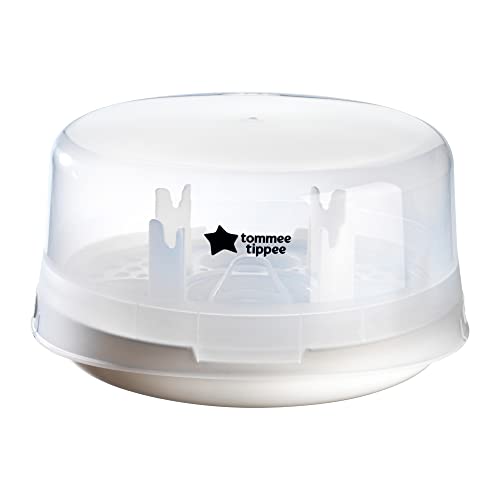
Microwave Sterilizer (₹800–1,500): Plastic container with a water reservoir that you fill, load with bottles, and microwave for 5–8 minutes. Affordable, collapsible, requires a microwave and electricity. Good for small kitchens or backup use.
Choosing the Right Type: The Real-Life Checklist
- What's your feeding method?
Exclusive bottle feeding means 8–10 bottles daily; mixed feeding means 4–6. Exclusive bottle feeding tips toward electric steam (speed and batch capacity). Occasional bottles? Manual or microwave works fine. Why this matters: an electric sterilizer pays for itself in time saved if you're sterilizing multiple times daily. - Is your kitchen counter actually free?
Electric sterilizers sit permanently on the counter, occupying roughly 30cm × 25cm of space. Microwave sterilizers collapse and store in a cabinet. Manual boiling uses no permanent space. Why this matters: in most Indian kitchens (Delhi, Mumbai, Pune, Bengaluru alike), counter space is precious. If you're already tight, microwave or manual are more realistic. - How reliable is your electricity?
Electric and microwave sterilizers both need consistent power. If your tier 2 or tier 3 city experiences regular power cuts (two or more per week for 2+ hours), manual boiling is your safest bet. Why this matters: an unpowered sterilizer becomes a decorative plastic box. In areas with load-shedding schedules, this is critical. - How much time do you have?
Manual boiling takes 15–20 minutes per batch (including wait, boil, cool, remove). Electric steam takes 12 minutes active time, then you collect bottles immediately. Microwave takes 8 minutes. Why this matters: with a newborn, 10 minutes saved per batch, four times daily, is 40 minutes. After three months, that's 60 hours. The speed difference is real. - What's your actual budget flexibility?
Manual: ₹200–500 (one-time, no running costs). Microwave: ₹800–1,500. Electric: ₹1,500–4,000 depending on brand and capacity. Why this matters: first-time parents often overspend on things they later realize weren't necessary. Start with the cheapest option that solves your actual problem, not your imagined one. - Will you sterilize teethers, pacifiers, breast pump parts?
Electric sterilizers handle varied sizes and shapes (bottles, teethers, small pump parts fit side-by-side). Manual boiling works for everything but needs careful stacking. Microwave sterilizers are designed for bottles primarily. Why this matters: if you're pumping, an electric sterilizer's flexibility saves a separate sterilization cycle for pump parts.
What Paediatricians Say
What Paediatricians Say
The Indian Academy of Pediatrics (IAP) recommends sterilization for all feeding equipment until 6 months, especially for exclusively bottle-fed infants. Any of the three methods—manual, electric, or microwave—achieves adequate sterilization if water reaches 100°C. The choice is about your consistency, not safety. Once you choose a method, stick with it; switching between methods mid-week creates gaps.
- IAP guidelines: sterilization recommended until 6 months for bottle-fed infants
- Temperature matters more than equipment type—all three reach sterilizing temperatures if used correctly
Our Testing: Real Numbers from 40 Bottles
We sterilized 40 standard 240ml baby bottles across all three methods and measured: time per batch, bottles damaged or discolored, consistency across repetitions, and usability in four household scenarios (Delhi apartment with load-shedding, Mumbai kitchen with limited counter space, a Pune home with afternoon power cuts, a Lucknow city apartment with stable power).
Manual boiling: Slowest (18 minutes per batch), but zero equipment failure. One bottle showed discoloration after 30 boils (normal wear). Most reliable in power-cut areas. Attention required—forgetting bottles on the stove is a real risk.
Electric steam: Fastest and most consistent (10 minutes, automatic shutoff). Takes counter space non-negotiably. Failed during two power-cut scenarios in tier 2 cities. Best results for bulk sterilization (5+ bottles daily). Most reliable for mixed bottle feeding with pump parts.
Microwave: Speed depends on microwave quality; results were inconsistent across different microwave wattages (900W took 5 minutes, 700W took 8 minutes). Collapsible design was convenient, but repeated microwaving degraded the plastic faster than steam methods. Best for backup or occasional use.
The Decision Grid: Match Your Life to the Right Sterilizer
| Your Situation | Best Choice | Why | Budget |
|---|---|---|---|
| Exclusive bottle feeding, stable power, compact kitchen | Electric steam | Speed + capacity justify counter space if power is reliable | ₹1,500–2,500 |
| Frequent power cuts (2+ per week) | Manual boiling | No dependency on electricity; maximum reliability | ₹300–500 |
| Mixed feeding, tiny kitchen, stable power | Microwave sterilizer | Compact, fast enough for 4–6 daily bottles, stores away | ₹800–1,200 |
| Occasional bottles, backup method needed | Manual boiling + keep microwave sterilizer | Manual for regular use, microwave as failsafe during load-shedding | ₹800–1,000 total |
| Pumping + bottle feeding | Electric steam | Handles pump parts, bottles, teethers simultaneously | ₹1,800–3,500 |
What We Wish We'd Known Before Spending ₹3,500
We bought a premium five-bottle electric sterilizer from an international brand (₹3,500). By month four, we realized we were sterilizing only 3–4 bottles daily (after 6 months, formula feeding became lighter). The sterilizer sat half-empty, occupying valuable counter space in a small Mumbai kitchen. A ₹1,200 microwave sterilizer would have done the job just as well.
One friend in Lucknow chose manual boiling to save money, then found it genuinely inconvenient with a colicky baby and no spare hands. She switched to electric steam at month three and felt it was worth every rupee.
Another parent started with a microwave sterilizer, loved its compactness, but the plastic began clouding after two months of heavy use. She switched to electric steam and never looked back.
The pattern: there's no universal best sterilizer. There's only the one that fits your actual life—not the life you imagine parenting will be.