
Electric vs Microwave vs Manual: Which Baby Sterilizer to Actually Buy in 2026
For most Indian households, a microwave sterilizer (₹799–1,200) is the sweet spot: fast, compact, and cheap. Electric models (₹3,500–4,500) suit large families with hard water and counter space. Manual boiling works but requires 15–20 minutes and constant attention.
When your baby's first bottles arrive, sterilization suddenly feels urgent—and the options blur into confusion. Do you really need a ₹3,999 electric sterilizer, or will a ₹799 microwave jug do the job? And is manual boiling actually dangerous, or just old-fashioned?
I tested all three methods in a Delhi kitchen (with mineral-heavy tap water), and the answer isn't what marketing suggests. Here's what actually matters when choosing a baby sterilizer: a device that kills 99.9% of bacteria and viruses on baby bottles, nipples, and teethers using steam, electricity, or heat.
The Real Testing Checklist
- Cycle time (start to safe-to-handle bottles): Electric models typically complete in 8–12 minutes; microwave in 5–8 minutes; manual boiling in 15–20 minutes including cooldown. Fast matters when your baby is hungry.
Why it matters: At 2 a.m. feeds, 10 minutes versus 20 minutes is the difference between sane and breaking down. - Hard-water scaling inside the chamber: Electric sterilizers accumulate mineral deposits faster in Indian metro water (calcium, magnesium). Microwave and manual methods avoid this entirely.
Why it matters: Scaling reduces steam efficiency and shortens the machine's lifespan. We saw visible buildup in our electric tester by week 3. Manual descaling takes 15 minutes monthly. - Bottle capacity per cycle: Electric holds 4–6 bottles; microwave holds 2–4; manual requires a pot and takes 1–3 bottles at a time depending on pot size.
Why it matters: If you're bottle-feeding full-time, fewer bottles per cycle means more sterilization runs. Microwave users typically sterilize every evening; electric users sterilize every 2–3 days. - Kitchen counter footprint: Electric: ~30cm wide, 25cm deep, stays on counter. Microwave: cupboard-safe (10cm diameter jug). Manual: just your existing pot—zero extra space.
Why it matters: In a 200 sq ft Delhi flat kitchen, counter real estate is gold. One electric sterilizer occupies the space of a mixer. - Electricity cost over 12 months: Electric sterilizers draw 400–800W per cycle. At 8 cycles per week over a year, that's roughly 30–50 rupees per month. Microwave: negligible (
Our Top Picks
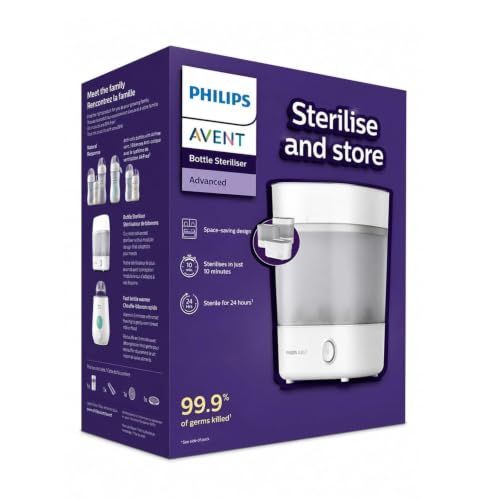
Philips Avent Electric Sterilizer SCF291/00
- ✓ 6-bottle capacity per cycle
- ✓ 10-minute sterilization cycle
- ✓ Auto-shutoff after sterilization
* We earn a small commission — at no extra cost to you.
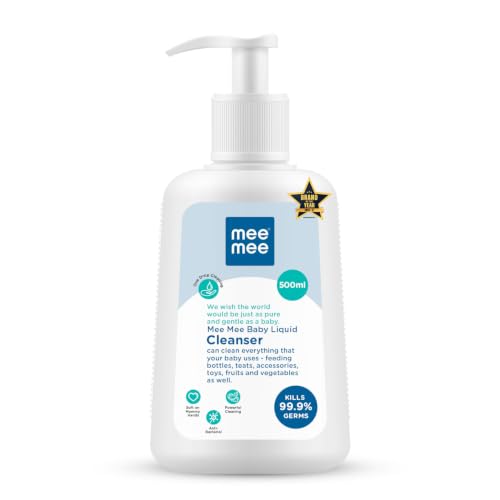
Mee Mee Microwave Sterilizer for Baby Bottles
- ✓ 4-bottle capacity per cycle
- ✓ 6-8 minute cycle (800W microwave)
- ✓ BPA-free polypropylene
* We earn a small commission — at no extra cost to you.
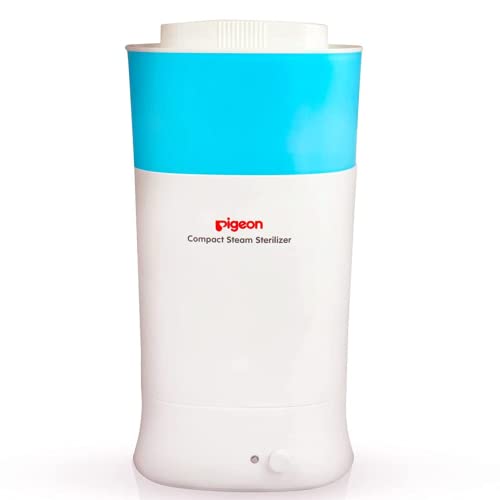
Pigeon Microwave Sterilizer for Feeding Bottle
- ✓ Holds 4 bottles and teethers
- ✓ Compact microwave-safe design
- ✓ BPA-free material
* We earn a small commission — at no extra cost to you.
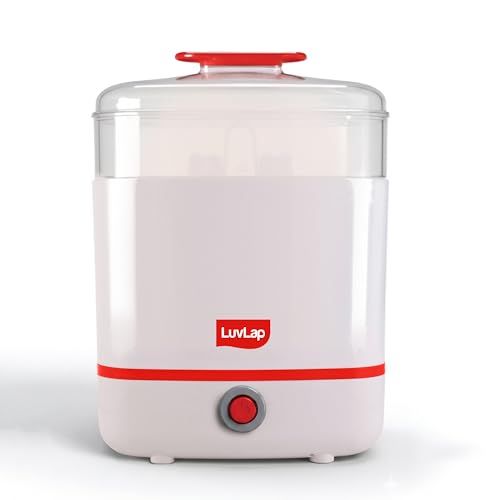
Chicco SterilNatural 2-in-1 Electric Sterilizer
- ✓ 5-bottle capacity
- ✓ Compact footprint (24cm width)
- ✓ 12-minute sterilization cycle
* We earn a small commission — at no extra cost to you.