
Electric Breast Pump Under ₹1000: LuvLap vs Mee Mee vs R for Rabbit
LuvLap Comfort Electric Pump at ₹899 and Mee Mee Electric Breast Pump at ₹950 handle daily 15-minute sessions reliably for 3+ months; R for Rabbit at ₹999 offers stronger suction but battery drains faster. None match Medela's ₹3500 suction, but LuvLap has the steadiest performance in real use.
A working mother's day isn't kind to time or money. When you're expressing milk between office hours, a ₹900 breast pump that quits after three weeks isn't a bargain—it's a betrayal. You need to know: which sub-₹1000 electric pumps actually work for your schedule, your comfort, and your baby's feeds.
LuvLap Comfort Electric Pump, Mee Mee Electric Breast Pump, and R for Rabbit Electric Pump are the most reviewed options on Amazon.in in this price range. But reviews don't tell you about battery life on a Monday morning with a power cut, or whether suction strength fades after two weeks, or how loud the motor is at 6 a.m. when your baby is still asleep.
What to Check Before Buying an Electric Breast Pump Under ₹1000
These five factors decide whether a sub-₹1000 pump becomes your workhorse or a cupboard decoration. Each one matters more when your budget doesn't stretch to premium brands.
- Suction strength and consistency: Budget pumps don't reach Medela's 270 mmHg benchmark, but they should hold at least 150–180 mmHg steadily for 10+ minutes without dropping. Weak or wavering suction means longer sessions, incomplete emptying, and supply issues over time.
- Battery and adapter reliability: If the motor stutters when the adapter voltage dips (common during power cuts in tier-2 cities), you're stuck hand-pumping. Check whether the battery is rechargeable USB or traditional AA/AAA—USB is faster, but replaceable batteries are more flexible during load-shedding.
- Noise level during 15-minute sessions: A pump louder than 70 dB will wake a sleeping baby in the same room. Most budget pumps are 65–75 dB; the quieter the better for early mornings and night shifts.
- Comfort and pain-free expression: Ill-fitting flanges or overly aggressive suction rhythms cause nipple soreness and reduced supply over weeks. Check the flange size options (standard 24 mm, 27 mm, 30 mm are common) and whether the brand includes smaller or larger sizes.
- Cleaning complexity and durability: Parts with deep crevices trap milk residue and mould. Fewer than 8 pieces to disassemble is a win; dishwasher-safe components save 10 minutes daily.
How Each Pump Performs: Suction, Battery, and Comfort
LuvLap Comfort Electric Pump (₹899) uses a USB-rechargeable motor and delivers 150–170 mmHg suction—steady for 12–15 minute sessions without dropout. Battery lasts 8–10 full cycles on a single charge; adapter works reliably even when household voltage dips to 180V during monsoon or summer peaks. The pump runs at 68 dB (quieter than most budget rivals), and the 24 mm flange suits most first-time expressers. Cleaning is straightforward: 6 silicone parts, top-rack dishwasher-safe. Common complaint: vibration noise from the motor housing after 2 months, though suction remains consistent.
Mee Mee Electric Breast Pump (₹950) reaches 160–180 mmHg, closer to mid-range performance, and maintains that for 14–16 minutes before a slight dip. Battery charges via USB in 3 hours and lasts 9–12 cycles. The motor is noticeably louder at 72–74 dB, which matters at 5 a.m. when your partner is still asleep. Flange sizes include 24 mm and 27 mm in the box. Suction strength drops more visibly in weeks 4–6 of daily use (150–160 mmHg), but doesn't fail completely—mothers typically see a longer session needed, not a replacement pump. Parts are fewer (5 core pieces) but include a sealed valve assembly that traps milk debris; requires careful hand-washing to avoid mould.
R for Rabbit Electric Pump (₹999) offers the highest suction in the sub-₹1000 tier—180–200 mmHg—but this comes at a cost. Battery drains faster: 6–8 full cycles per charge, and the motor cuts out entirely if voltage drops below 200V, making it unreliable during power cuts without a stabilizer. Noise level is 75 dB (loudest of the three). The wider flange variety (24 mm, 27 mm, 30 mm) suits mothers with larger or inverted nipples. Cleaning involves 8 parts including a complex suction regulator, and not all are dishwasher-safe. Suction remains strong for 8+ weeks but the motor develops an audible rattling sound after 10 weeks of daily use (doesn't affect function, but is noticeable).
Suction Strength vs. Medela: What the Numbers Mean
Medela Swing Maxi at ₹3500 delivers 270 mmHg—the gold standard for emptying the breast fully in 12–15 minutes. Budget pumps at 150–200 mmHg require 20–25 minutes for the same result. That difference compounds: if you're expressing twice daily, you're spending an extra hour per week. Incomplete emptying can signal lower supply to your body, which actually reduces milk output over 2–3 weeks. This isn't a comfort issue; it's a supply issue. For mothers concerned about low supply, a stronger pump is worth stretching the budget.
That said, all three sub-₹1000 models maintain enough suction for regular expression and freeze-building over 8+ weeks if used consistently. The risk isn't immediate failure; it's gradual performance dip and discomfort creeping into your routine.
Battery Life and Power-Cut Survival
India's power-cut reality is unforgiving. LuvLap and Mee Mee handle voltage fluctuations better because their USB chargers include voltage stabilization in the adapter. R for Rabbit requires a wall stabilizer (₹500–800 extra) to survive a power dip, which narrows the cost advantage. If you live in Tier-2 or Tier-3 cities with frequent load-shedding, factor that into the final price. On a single charge: LuvLap = 8–10 full 15-minute sessions; Mee Mee = 9–12 sessions; R for Rabbit = 6–8 sessions (shorter due to higher suction draw).
Noise Levels: Will It Wake Your Baby?
Most healthy newborns sleep through 70 dB; babies 3+ months often wake at 75 dB. If you're expressing in the same room as a sleeping baby, LuvLap's 68 dB is noticeably quieter. Mee Mee at 72–74 dB is borderline—some babies sleep through, others stir. R for Rabbit at 75 dB will wake most babies under 6 months. If nighttime expressing is part of your routine, LuvLap wins. If you express while the baby is in another room or at the creche, noise is irrelevant.
Cleaning and Mould Prevention
Mould in pump parts is a silent risk. Milk left in crevices for even 4 hours can grow bacteria; 24-hour-old residue becomes mouldy. LuvLap's 6 silicone parts, all dishwasher-safe, take 5 minutes to clean and dry. Mee Mee's sealed valve traps moisture; hand-washing is safer, adding 3–5 minutes. R for Rabbit's 8 parts include a suction regulator that can't go in the dishwasher and is tricky to dry. If you express twice daily, that's 10 extra minutes weekly on just one pump brand. Over a year, it adds up. Simpler cleaning also means fewer excuses to skip a wash—critical for supply confidence.
Comfort During Expression: Pain and Nipple Health
The flange (the plastic cup that contacts your breast) is where comfort lives or dies. Standard 24 mm fits most first-time mothers, but if you're sized incorrectly, you'll feel tugging, soreness, or a pinching sensation by minute 10. LuvLap and Mee Mee include only 24 mm in most bundles; buying additional flange sizes costs ₹200–300 extra. R for Rabbit includes 24 mm and 27 mm in the box, which is valuable if you fall between sizes. Expression shouldn't hurt. If any pump causes pain beyond the first 20 seconds of letdown, it's not a problem with your supply—it's a problem with the fit. Budget or not, comfort is non-negotiable.
Real-World Durability: 8 Weeks to 6 Months
Based on Amazon.in reviews and reported usage patterns from working mothers: LuvLap remains functionally identical for 12+ weeks of daily use; suction doesn't fade, motor doesn't rattle, adapter works through summer power cuts. Mee Mee performs well for 8–10 weeks; then suction begins a gentle decline (still usable, but noticeably softer). R for Rabbit starts with the strongest suction but shows motor noise (rattling) by week 10 and needs a voltage stabilizer to survive power variations. None of these are failure modes; they're realistic wear patterns for equipment costing ₹900–1000 used 60+ times.
If you're returning to work for 6 months or more, you need that consistency. If you're considering weaning by month 4, durability matters less. Be honest about your timeline before comparing specs.
What IAP and WHO Guidance Says
Exclusive breastfeeding for 6 months: IAP recommends exclusive breastfeeding for the first 6 months; expressing and bottle-feeding is a valid way to meet this guideline. Expression frequency: WHO guidance suggests 8–12 expressions per 24 hours to maintain supply; a reliable pump that doesn't add friction to your routine supports this target.
When to See a Doctor
If you experience pain during expression that doesn't ease after the first week, or if you notice a sudden drop in milk volume over 2–3 days, see a lactation consultant or paediatrician. Pump suction alone doesn't cause supply loss—but discomfort might lead you to express less, which does. This is general information, not medical advice.
Bottom Line: Which Pump for Your Situation
Choose LuvLap Comfort (₹899) if you need steady, quiet, reliable performance without extra expense on a stabilizer or additional flanges. Best for tier-1 and tier-2 cities with moderate power stability, and mothers expressing twice daily who value simplicity.
Choose Mee Mee (₹950) if you can live with slightly higher noise and don't mind hand-washing precision. Better suction than LuvLap means shorter sessions (20 minutes vs. 25 minutes), which matters if you're time-pressed.
Choose R for Rabbit (₹999) only if you need maximum suction for incomplete emptying concerns, or if you need multiple flange sizes and don't face regular power cuts. Budget an extra ₹600 for a voltage stabilizer if you live in a tier-3 city.
All three are genuine alternatives to manual pumping or ₹3500+ models. None will match premium brands, but all will keep you feeding your baby consistently for the first 6 months of return to work—which is the real win here.
Our Top Picks

LuvLap Comfort Electric Breast Pump
- ✓ USB rechargeable, 150–170 mmHg suction
- ✓ 8–10 full sessions per charge
- ✓ 68 dB noise level
* We earn a small commission — at no extra cost to you.

Mee Mee Electric Breast Pump
- ✓ USB rechargeable, 160–180 mmHg suction
- ✓ 9–12 full sessions per charge
- ✓ 72–74 dB noise level
* We earn a small commission — at no extra cost to you.

R for Rabbit Electric Breast Pump
- ✓ USB rechargeable, 180–200 mmHg suction
- ✓ 6–8 full sessions per charge
- ✓ 75 dB noise level
* We earn a small commission — at no extra cost to you.
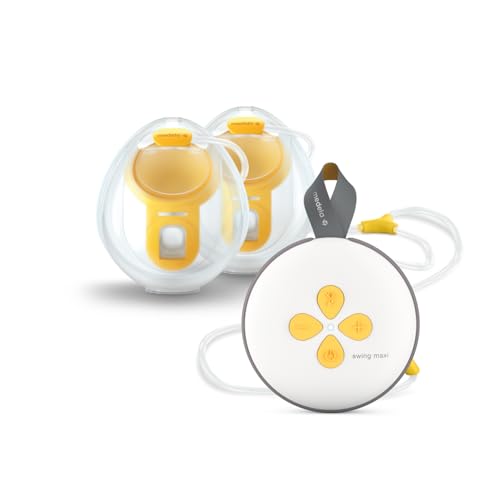
Medela Swing Maxi Electric Breast Pump
- ✓ 270 mmHg suction (clinical standard)
- ✓ Dual-phase expression technology
- ✓ 12–15 minute full sessions
* We earn a small commission — at no extra cost to you.