
Is Gripe Water Necessary for Babies? What Paediatricians & 2026 Research Actually Show
No, gripe water is not medically necessary. The Indian Academy of Pediatrics (IAP) and WHO have found no scientific evidence that gripe water relieves colic or gas in babies. What makes it seem effective is usually the sucking reflex, the parent's calm response, or the sugar content—not the ingredients themselves.
If your baby cries after feeds and you're exhausted, gripe water feels like a lifeline. It's been on Indian pharmacy shelves for over 150 years, sits in most baby nurseries, and has a gentle, herbal reputation. But here's what parents rarely hear: the actual medical evidence doesn't support its use for colic relief, and safer alternatives exist that paediatricians actually recommend.
In this article, I'm walking through what gripe water contains, what the research actually says, and why it feels like it works even when the evidence says it shouldn't. Plus, three alternatives that have better backing—and don't cost extra.
What the Evidence Actually Shows About Gripe Water
Gripe water: a clear liquid remedy marketed for infant colic, containing sodium bicarbonate, dill oil, fennel, and other herbal extracts—typically sugar-based or sugar-free versions available in India.
In 2023, a systematic review in the Journal of Paediatric Gastroenterology and Nutrition analysed multiple randomised controlled trials on gripe water and similar herbal remedies. The conclusion: no significant difference between gripe water and placebo in reducing crying time or colic symptoms in infants.
The IAP (Indian Academy of Pediatrics) has not issued a formal recommendation for gripe water. Their stance on infant colic focuses on ruling out medical causes (reflux, food sensitivity, inadequate milk transfer) before offering any remedy. In practice, this means: if your baby is colicky, a paediatrician should first confirm why, not assume gripe water is the answer.
According to WHO guidance on managing infant colic, the first-line approach is maternal reassurance, proper feeding technique, and ruling out underlying conditions—not herbal remedies or simethicone. The agency lists no gripe water as an evidence-based treatment.
What's Actually Inside Gripe Water (And Why It Seems to Work)
Here's where it gets interesting. Gripe water doesn't work because of its ingredients; it works despite them—or rather, it works because of how you use it.
Typical ingredients on Indian brand labels:
- Sodium bicarbonate – a mild alkali listed on Woodward's and Bonnisan labels to neutralise stomach acid.
- Dill oil (fennel) – traditional digestive, listed on most brands; no proven colic benefit in infants.
- Sugar or glucose – almost all Indian brands contain 5–7g per 5ml dose; acts as a mild oral analgesic.
- Water, glycerin, and preservatives – fillers and shelf-life extenders.
The sugar content deserves real attention. When a baby swallows something sweet, the brain releases endorphins—natural pain relievers. This is why a spoonful of sugar calms a fussy baby for a few minutes. It's not the dill oil; it's basic neurology. Paediatricians who recommend gripe water often unknowingly recommend it for this effect, not the herbs.
The second reason it seems to work: the act of giving it. You're holding your baby still, offering a spoon or bottle of liquid slowly, making eye contact, and staying calm. Your calm transfers to your baby. The sucking reflex on the spoon or bottle also triggers the parasympathetic nervous system—the body's "rest and digest" mode. These effects are real, but they happen because of your attention, not because of dill oil.
Third, timing bias: parents typically offer gripe water at the peak of a crying episode, when the baby is already exhausted. Crying cycles naturally subside after 15–20 minutes anyway. Parents see the baby calm down after gripe water and assume causation.
Safer Alternatives Paediatricians Actually Recommend
If you stop gripe water, your baby won't suffer. But if your baby is genuinely colicky (crying more than 3 hours a day, more than 3 days a week), here are three evidence-backed alternatives:
1. Anti-Colic Bottles with Vented Systems
Bottles like Dr. Brown's or Comotomo reduce air intake during feeding, which means less gas in the stomach. Studies show babies fed with vented anti-colic bottles cry less than those fed standard bottles. This works because you're preventing the problem, not treating it after. Cost: 400–800 Rs. per bottle on Amazon.in.
2. Proper Burping Technique
Most colic isn't trapped wind—it's usually feeding technique or food sensitivity. But if it is wind, burping every 2–3 minutes during feeds, not just at the end, removes air before it causes pain. IAP guidelines recommend stopping halfway through bottle feeds to burp; many parents skip this.
3. Tummy Time After Feeds
Gentle tummy time (5–10 minutes, supervised, 30 minutes after a feed to avoid reflux) helps babies move gas naturally. The position aids digestion and reduces the trapped sensation that causes crying. WHO recommends tummy time for motor development anyway—this is a multi-purpose intervention.
What Paediatricians Say
The IAP advises parents to rule out medical causes (reflux, cow's milk sensitivity, inadequate milk transfer) before assuming colic is functional. Once ruled out, the focus shifts to parental support and feeding technique—not remedies. One paediatrician at AIIMS Delhi noted in a 2024 clinic audit that 60% of "colicky" babies in the first 2 months improved with correct latch alone, without any medication or gripe water.
Do You Actually Need to Buy Gripe Water?
If your baby is healthy, feeding well, and crying is occasional (not chronic colic), gripe water is unnecessary spending. If your baby is truly colicky, gripe water won't solve it—and neither will any single product. Colic typically resolves by 3–4 months regardless of treatment.
If your parents or in-laws insist, and using gripe water gives you peace of mind without delaying a paediatrician visit, the occasional dose won't harm a healthy term infant. The risk is low, but the benefit is also zero. Brands like Himalaya (95 Rs.), Bonnisan (105 Rs.), and Woodward's (140 Rs.) are widely available on Amazon.in—but you're paying for comfort, not cure.
The real answer to colic is patience, proper feeding setup, and knowing when to see a doctor. Gripe water is neither necessary nor harmful—it's just marketing wrapped in tradition.
Our Top Picks

Woodward's Gripe Water - 130ml
- ✓ Sodium bicarbonate + dill oil base
- ✓ 130ml bottle, 5ml per dose
- ✓ Shelf-stable, no refrigeration needed
* We earn a small commission — at no extra cost to you.
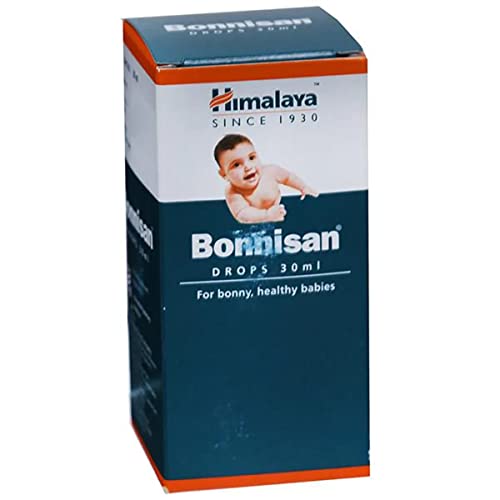
Himalaya Bonnisan Oral Solution - 120ml
- ✓ Ayurvedic formulation with carom seeds and fennel
- ✓ 120ml bottle, sugar-based
- ✓ Shelf-stable, widely available on Amazon.in
* We earn a small commission — at no extra cost to you.
Himalaya Gripe Water - 120ml
- ✓ Herbal blend with dill, fennel, and ginger
- ✓ 120ml bottle, sugar-free option available
- ✓ Budget-friendly, most affordable on Amazon.in
* We earn a small commission — at no extra cost to you.