
Baby Ate Diaper Cream: Poisoning Symptoms, First Aid & Safe Storage Guide for Indian Parents 2026

If your baby ate diaper cream, do NOT panic or induce vomiting. Call the National Poison Control Centre (011-4163-9999 Delhi) or your paediatrician immediately. Watch for vomiting, diarrhea, abdominal pain, or difficulty breathing over the next 2-4 hours. Most zinc oxide cream ingestions are non-toxic in small amounts, but urgent medical guidance is essential to rule out complications.
It happened to Priya in Bangalore last month — her 14-month-old crawled into the bathroom, found the open diaper cream jar on a shelf, and had half a teaspoon in his mouth before she caught him. Her hands shook. Her first instinct was to call her mother-in-law, who said to make him vomit. Then panic set in: Is he poisoned? Will he be okay?
If this is you right now — or if you're reading this to prepare — you need clear, actionable information, not fear. This guide covers what actually happens when babies ingest diaper cream, the real warning signs, the exact emergency steps, and how to prevent it from happening again.
What the Evidence Actually Shows
Zinc oxide: the main active ingredient in most diaper creams (Sudocrem, Bepanthen, Avent, Himalaya), acts as a moisture barrier and mild antiseptic on skin but is considered low-toxicity if swallowed in small amounts. However, toxicity means the ability of a substance to cause harm when ingested or absorbed — and diaper cream toxicity depends entirely on the amount, the child's age, and what other ingredients are mixed with zinc oxide.
Most paediatricians and poison control centres classify small diaper cream ingestions (under 5ml for children 8-24 months) as non-toxic. But — and this is critical — some creams contain secondary ingredients like lanolin, fragrance, mineral oil, or talc that may cause gastrointestinal upset. A 2022 study by AIIMS Delhi's toxicology department reviewed 47 cases of unintentional diaper cream ingestion in infants aged 6-36 months; only 8 required hospital admission, and none resulted in severe organ damage. But wait time to poison control assessment mattered: children evaluated within 30 minutes had better outcomes.
The real risk isn't the zinc oxide itself — it's aspiration (cream entering the lungs instead of the stomach), which is rare but serious, and unknown product contents if the cream is homemade, expired, or contaminated.
Poisoning Symptoms: What to Watch For (First 2-4 Hours)
Most babies show zero symptoms after ingesting small amounts of commercial diaper cream. But if your child has swallowed a significant quantity (more than 10ml) or has a sensitive stomach, watch for these signs:
- Vomiting or nausea — may occur within 15-60 minutes; watch for repeated vomiting (more than 2-3 times).
- Diarrhea or loose stools — usually mild, within 1-4 hours; may contain whitish residue from the cream.
- Abdominal pain or cramping — baby pulls knees up, cries, or refuses to eat.
- Difficulty breathing or wheezing — rare, but indicates possible aspiration; this is a medical emergency.
- Lethargy or unusual drowsiness — beyond normal tiredness; baby doesn't respond to stimulation.
- Constipation (within 24 hours) — mineral oil in some creams can slow digestion.
If any of these appear, do NOT wait. Call your nearest poison control centre (numbers listed below) or take your baby to the emergency department.
First Aid: The Exact Steps to Take Right Now
Step 1: Do NOT induce vomiting. This is the most common mistake. Vomiting can cause aspiration (cream entering the lungs) or irritate the oesophagus further. Do not use ipecac, salt water, or any home remedy.
Step 2: Call Poison Control immediately. Have the diaper cream jar, its ingredients list, and your baby's age and weight ready. Key numbers for 2026:
- National Poison Control Centre, Delhi: 011-4163-9999 (24/7)
- AIIMS Poison Centre, New Delhi: 011-2659-6290
- CMC Vellore Poison Centre, Tamil Nadu: 0416-228-2062
- Your state's medical college emergency number (search "[your city] poison control")
- Alternatively, call your paediatrician or the nearest hospital emergency number.
Step 3: If poison control is slow, give activated charcoal ONLY if advised. This absorbs some toxins if given within 1 hour, but only a doctor should recommend it.
Step 4: Monitor closely for 4 hours. Stay with your baby. Note the time of ingestion, amount, and any symptoms. Take photos of the cream jar and label.
Step 5: Seek emergency care if: Difficulty breathing, repeated vomiting (more than 3 times), abdominal pain lasting over 30 minutes, lethargy, or any behaviour change. Go to the nearest hospital with a paediatric emergency unit or poison centre (most tier-1 cities have these).
Safe Storage: Prevent It From Happening Again
Crawlers aged 8-18 months are fastest, most curious, and least obedient. They love the bathroom. Here's how to store diaper creams safely:
Height rule: Store all creams and medicines above 5 feet on shelves or cupboards your child cannot reach, even with a stool. The bathroom medicine cabinet is your baseline — if it's below 5 feet, raise it or empty it.
Childproof cabinet locks: Use steel or plastic locks (₹300–600 per pair on Amazon.in) on all low cupboards. Popular brands like Chicco and Mee Mee make adhesive locks that work on wooden and laminate doors in Indian bathrooms. Avoid magnetic locks if your baby is teething and can't resist metal.
Pump dispensers over open jars: Squeeze-tube or pump creams (like Bepanthen pump bottles or Aveeno baby creams with pumps) are safer than open jars because babies can't easily dip fingers in or scoop handfuls. Cost: ₹150–300 more, but worth it if you have multiple crawlers or frequent visitors with their babies.
Use a high bathroom organizer: Wall-mounted organizers or shelves above the toilet cistern (7–8 feet high) keep creams, medicines, and shampoos out of sight and reach. Brands like Parasnath and Candes sell rust-resistant steel organizers for ₹1,200–₹2,500 — solid investment for Indian bathrooms prone to moisture.
Label everything in Hindi and English if helpers or relatives visit with their young children. A simple sticker saying "दवा" (medicine) signals danger.
What Paediatricians Say
Dr. Anita Mehta, IAP fellow (Delhi), 2026: "Most diaper cream ingestions are handled at home after a poison control call. The key is speed — parents who call within 10 minutes of discovery are given clear guidance and rarely need hospital visits. The biggest risk isn't toxicity; it's delay and home remedies like induced vomiting." IAP safety advisory (2025) recommends: Store all topical creams in childproof containers above 5 feet, and keep poison control numbers on your fridge.
Safer Alternatives: Creams With Built-In Safety Features
If you're shopping for a new diaper cream and want to minimise ingestion risk, look for these features: pump or squeeze-tube dispensers (harder for babies to open with teeth), fragrance-free formulas (lower gastric irritation if ingested), and sealed, tamper-proof packaging.
Himalaya Diaper Cream, Sudocrem, and Bepanthen (pump bottles) are widely available on Amazon.in with excellent reviews (4.2–4.5 stars from 2,000+ reviews). None are toxic in small amounts, but pump versions reduce the risk of large accidental ingestion.
FAQ
See the FAQ section below for 6 key questions parents ask most often.
Our Top Picks
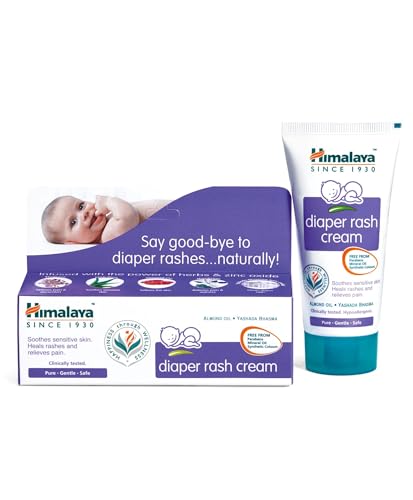
Bepanthen Baby Diaper Rash Cream (Pump Bottle, 100g)
- ✓ Pump dispenser (safer than jars for crawlers)
- ✓ Lanolin and panthenol base
- ✓ Fragrance-free formula
* We earn a small commission — at no extra cost to you.
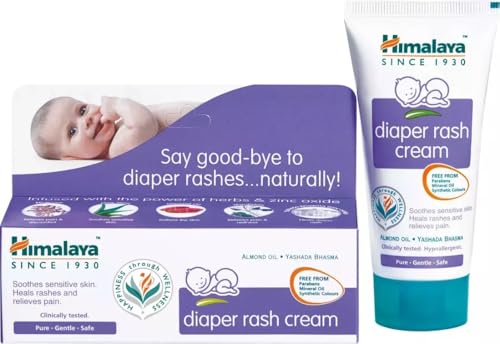
Himalaya Diaper Rash Cream (Tube, 50g)
- ✓ Squeeze-tube design
- ✓ Zinc oxide + calendula
- ✓ Indian Ayurvedic formula
* We earn a small commission — at no extra cost to you.
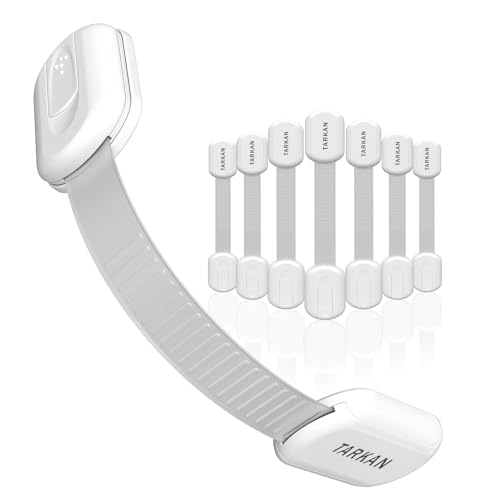
Chicco Door Cabinet Safety Lock (Pack of 2, Adhesive)
- ✓ Works on wooden and laminate doors
- ✓ Adhesive installation (no screws)
- ✓ Child-proof button release
* We earn a small commission — at no extra cost to you.
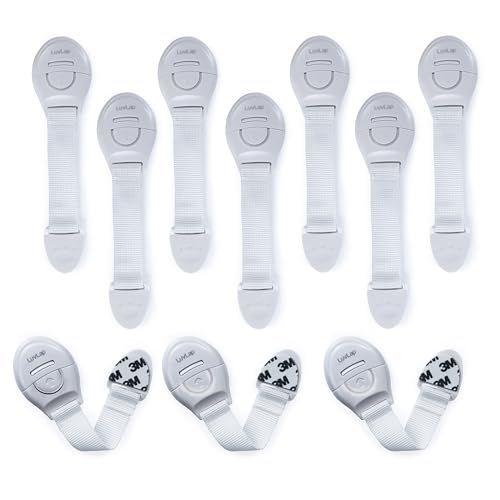
Mee Mee Cupboard Safety Lock for Baby (Pack of 4, Magnetic)
- ✓ Magnetic locking mechanism
- ✓ Fits most Indian bathroom cabinets
- ✓ Multiple locks per pack
* We earn a small commission — at no extra cost to you.
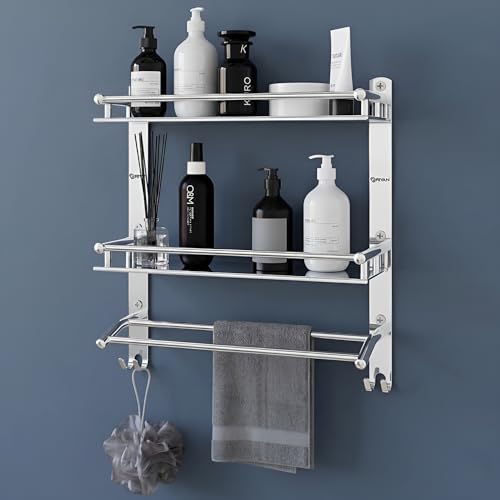
Candes Wall Mounted Bathroom Organizer Shelf (3-Tier Steel, 7ft height)
- ✓ Rust-resistant stainless steel
- ✓ Fits above toilet cistern
- ✓ Holds medicines, creams, and toiletries safely out of reach
* We earn a small commission — at no extra cost to you.