
Palak Khichdi for 10-Month-Old Baby: Iron-Rich Recipe with Pressure Cooker & Steamer Methods
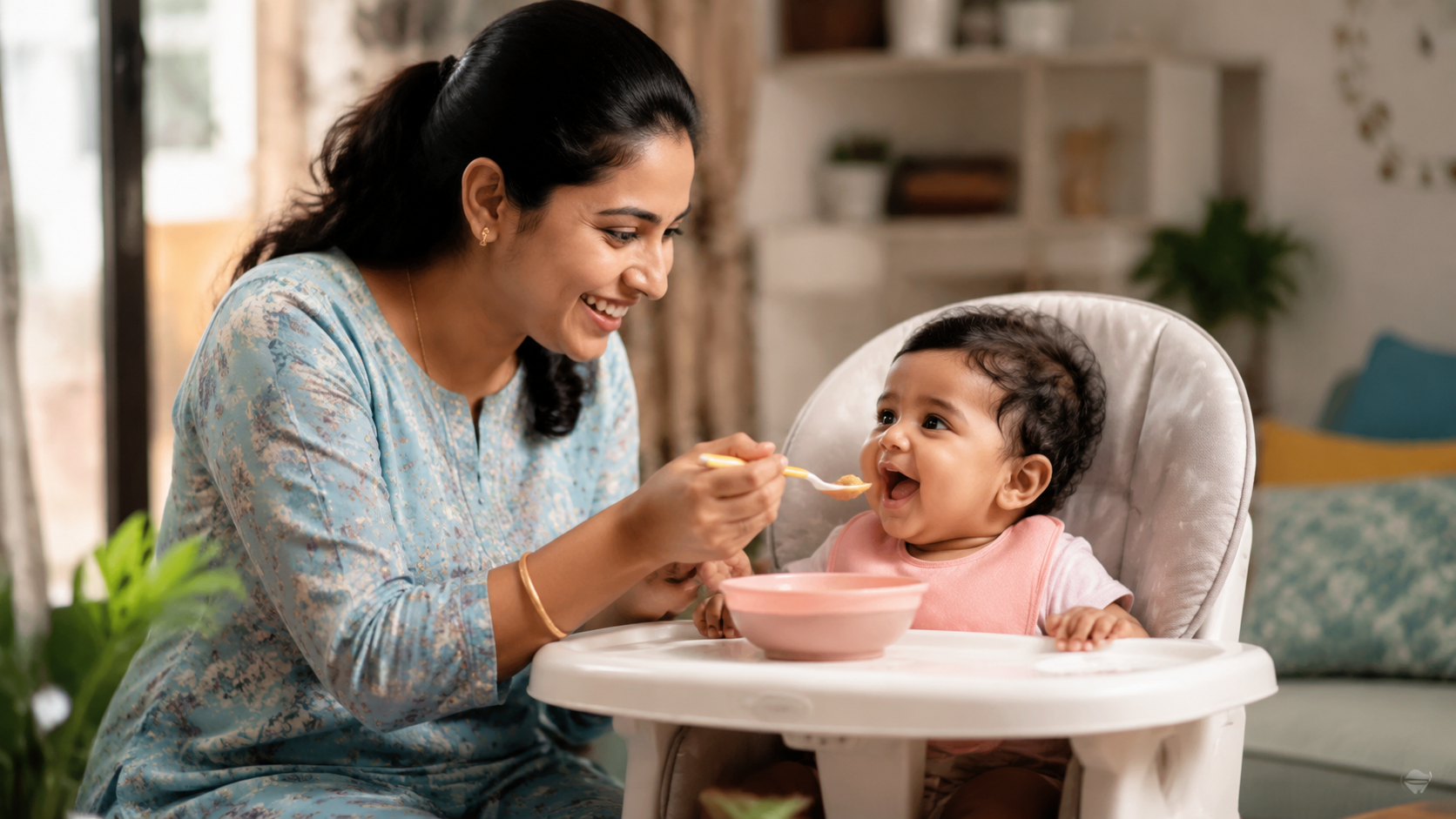
Palak khichdi for a 10-month-old is a soft, iron-rich dish made by cooking rice, moong dal, and spinach together for 15 minutes in a pressure cooker. Serve 3–4 tablespoons with a vitamin C source (like mashed mango or citrus) to boost iron absorption, which is critical at this age when babies need to build iron stores.
By month 10, your baby's iron stores from birth are depleting fast—this is exactly when palak khichdi (a traditional Indian spinach and rice dish) becomes a go-to lunch. Spinach is one of the richest plant-based iron sources available, and when paired with dal and vitamin C, it transforms into a complete meal that many Indian parents rely on instead of store-bought baby food. But here's the thing: not all palak khichdi recipes are created equal, and getting the texture, portion size, and nutrient pairing right matters more than most recipes admit.
This guide covers two cooking methods—pressure cooker (fastest, 15 minutes) and steamer (gentler, 20 minutes)—plus the science of iron absorption that paediatricians actually care about, and equipment that makes this foolproof.
Why Palak Khichdi for a 10-Month-Old?
At 10 months, your baby is moving past purees and into semi-solid meals: foods soft enough to mash with a spoon but textured enough to encourage self-feeding. Palak khichdi hits this sweet spot perfectly. Spinach delivers iron (about 2.7 mg per 100g cooked), moong dal adds protein and folate, and rice provides easily digestible carbs. Most importantly, the iron in plant-based foods (called non-heme iron) is poorly absorbed on its own—but pair it with vitamin C, and absorption jumps from 2% to nearly 20%, according to IAP (Indian Academy of Pediatrics) nutrition guidelines.
Many parents in Delhi, Bangalore, and Mumbai have shifted from canned baby food to homemade palak khichdi because it costs under Rs. 30 per serving, uses ingredients from their own kitchen, and tastes like the comfort food they grew up eating.
Pressure Cooker Method (15 Minutes)
Ingredients:
- 1/2 cup rice (white or brown—white cooks faster at this age)
- 1/4 cup moong dal, soaked for 30 minutes
- 1 cup fresh spinach, roughly chopped
- 2 cups water (adjust based on desired consistency)
- 1/4 teaspoon ghee
- Pinch of turmeric (optional, for colour and anti-inflammatory properties)
Step-by-step:
- Rinse the rice and dal: Wash rice 2–3 times until water runs clear. Drain the soaked moong dal. This removes phytic acid, which can block mineral absorption.
- Add to pressure cooker: Pour rinsed rice, dal, spinach, water, ghee, and turmeric into the cooker. Stir gently to combine.
- Cook on high pressure: Close the lid, set to high pressure, and cook for 3 whistles. The dish should come together in about 15 minutes total (including heating and cooling time).
- Cool and mash: Once pressure releases naturally, open and stir well. Mash lightly with the back of a spoon—it should be soft enough for your baby to gum, but not a smooth puree.
- Check consistency: If too thick, add 2–3 tablespoons of warm water or breast milk to loosen.
Pressure cookers like the Prestige Svachh (₹1,899 on Amazon.in) are standard in most Indian kitchens and designed for frequent batch cooking. The sealed environment cooks faster and locks in water-soluble vitamins better than open-pot methods.
Steamer Method (20 Minutes, No Pressure)
If you prefer to avoid pressure cookers or want gentler cooking for maximum nutrient retention:
- Prepare ingredients: Soak moong dal and rice as above. Chop spinach finely.
- Layer in steamer bowl: In a stainless steel or glass bowl that fits your steamer, layer rice at the bottom, then dal, then spinach. Add 2 cups water and ghee.
- Steam for 20 minutes: Place the bowl in a steamer with about 1 cup water in the base. Cover and steam for 20 minutes on medium heat.
- Stir and cool: After steaming, stir the mixture thoroughly and let cool to room temperature before serving.
The steamer method preserves more heat-sensitive B vitamins, though both methods retain the iron and folate your baby needs.
Boosting Iron Absorption: The Vitamin C Trick
Here's where most homemade baby food fails: iron in plant-based foods sits in your baby's stomach doing almost nothing without vitamin C present. Iron absorption is the body's ability to take dietary iron and use it for blood and brain development—critical between 9 and 18 months when babies deplete birth iron stores.
Serve palak khichdi alongside (or mixed into) one of these vitamin C sources:
- Mashed mango: 1–2 tablespoons—boosts iron absorption to 20% instead of 3%
- Mashed papaya: 2 tablespoons, naturally soft and no choking risk
- Citrus puree: Orange or sweet lime, 1 tablespoon (strain pulp for safety)
- Freshly squeezed guava juice: 2–3 tablespoons, highest vitamin C per serving
Avoid pairing with tea, coffee, or cow's milk in the same meal—tannins and calcium can reduce iron absorption by up to 50%.
Portion Sizes & Feeding Guidelines
According to IAP feeding guidelines, a 10-month-old needs 3–4 tablespoons of a khichdi-type meal per sitting. Don't overfill the bowl—babies this age are still learning portion control, and a heaping bowl can feel overwhelming. Offer the recommended portion, let your baby eat until they show satiety cues (turning head away, closing lips), and never force-feed.
Serve at body temperature (test on your inner wrist), and always supervise. Palak khichdi is soft enough to be safe, but never leave a baby unattended while eating.
Equipment That Makes This Foolproof
A few tools take the guesswork out of preparing palak khichdi consistently:
- Prestige Svachh Pressure Cooker (₹1,899): 3-litre capacity, safe sealing, and induction-compatible. Most reliable for batch cooking 5–6 servings at once.
- Organic moong dal (₹120–180 per kg): Brands like 24 Mantra, Jivika, and Desi Kheti sell certified organic dal on Amazon.in. Organic dal reduces pesticide exposure, which is especially relevant for tender vegetables like spinach.
- Stainless steel baby bowls (₹250–350): Smaller bowls (200–250 ml) prevent overfeeding and are easier to clean. BPA-free plastic alternatives run ₹150–250.
- Silicone feeding spoons (₹99–199): Soft on gums, heat-resistant, and dishwasher-safe—worth the investment if you're spoon-feeding.
What Paediatricians Say
IAP's 2024 feeding guidelines emphasise that by month 10, babies should be eating 3–4 meals daily with iron-rich foods at lunch and dinner. Plant-based iron sources (dal, spinach, fortified cereals) require vitamin C co-ingestion to be absorbed effectively—a gap most home recipes overlook. Paediatricians recommend offering the same home-cooked meals parents eat (adapted for texture), which builds taste familiarity and reduces picky eating later.
- Iron stores: Birth iron depletes by 6–9 months; new intake must start immediately.
- Absorption hack: Vitamin C in the same meal increases plant-iron absorption by 10–20 times.
Storage & Make-Ahead Tips
Palak khichdi keeps in the fridge for 3 days in an airtight container (cooled completely first). For batch cooking, make 5–6 servings on Sunday and freeze in ice-cube trays—each cube is roughly 1–2 tablespoons, so you can thaw exactly what you need. Thaw in the fridge overnight or warm gently in a small pan on the stove (never microwave, which creates hot spots).
The khichdi will thicken slightly when cold; add 1–2 tablespoons of warm water or breast milk when reheating to restore the original consistency.
Our Top Picks
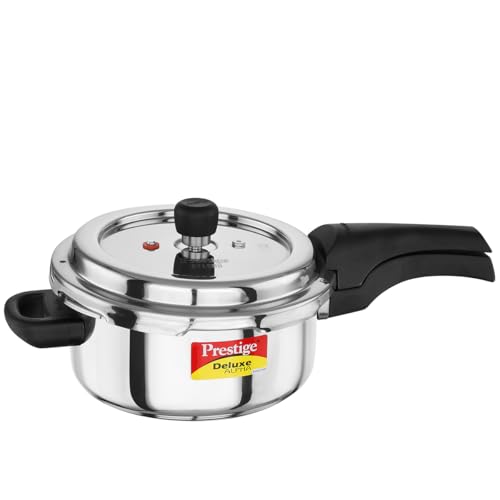
Prestige Svachh Stainless Steel Pressure Cooker, 3 Litre
- ✓ 3-litre capacity, perfect for batch cooking baby meals
- ✓ Stainless steel, induction and gas compatible
- ✓ Unique safety valve design for reliable sealing
* We earn a small commission — at no extra cost to you.
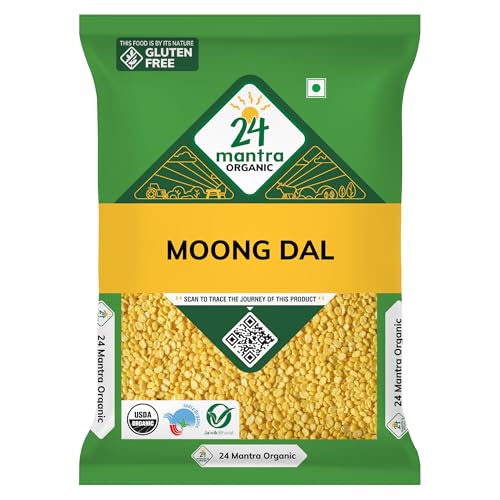
24 Mantra Organic Moong Dal, 500g
- ✓ Certified organic, pesticide-free
- ✓ Rich in protein and folate for infant nutrition
- ✓ Non-GMO, batch-tested for purity
* We earn a small commission — at no extra cost to you.
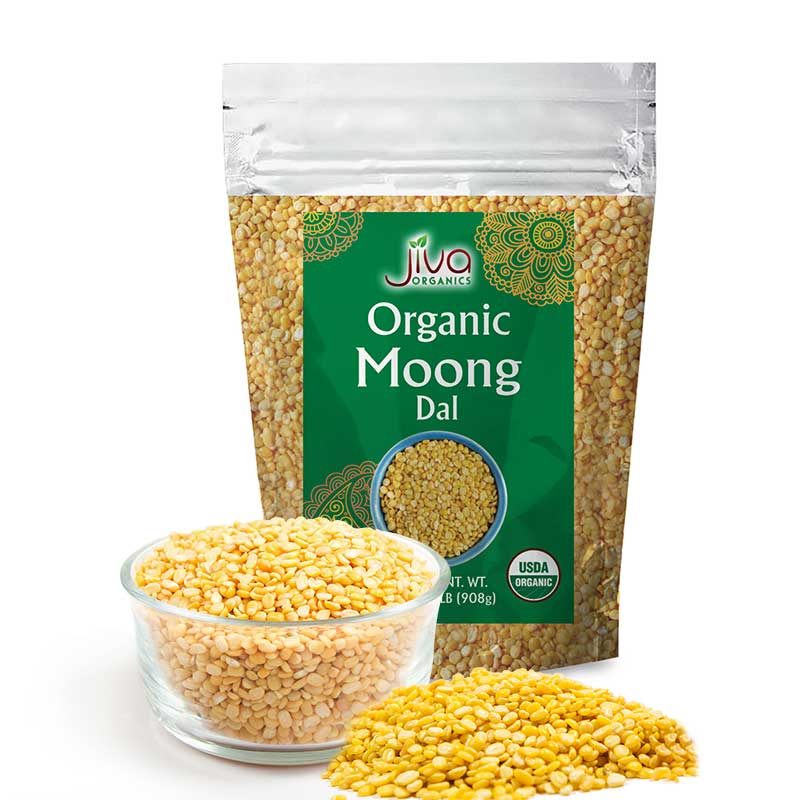
Jivika Organic Moong Dal (Green Gram), 1kg
- ✓ 1kg pack, organic certified
- ✓ Light green colour, quick-cooking variety
- ✓ Sourced directly from organic farms, no additives
* We earn a small commission — at no extra cost to you.
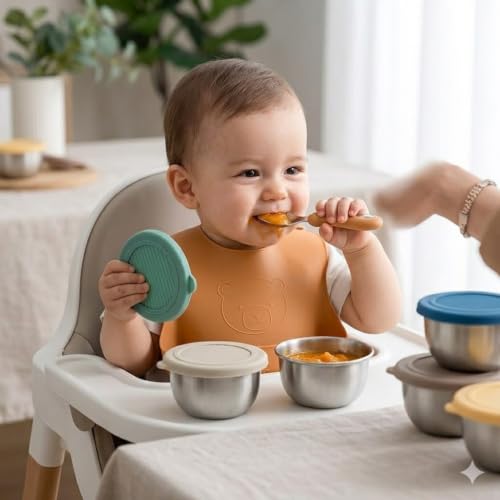
Stainless Steel Baby Feeding Bowl with Lid, 200ml
- ✓ 200ml capacity, appropriately sized for 10-month-olds
- ✓ Stainless steel with secure screw-on lid
- ✓ Dishwasher-safe, BPA-free
* We earn a small commission — at no extra cost to you.
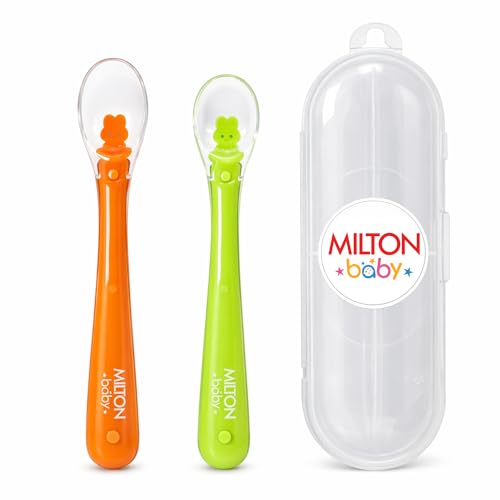
Milton Soft Silicone Baby Feeding Spoon Set (Pack of 3)
- ✓ Soft silicone, gentle on baby gums
- ✓ Heat-resistant up to 240°C
- ✓ Set of 3, easy to clean and store
* We earn a small commission — at no extra cost to you.