
Are Crib Bumpers Safe? Why India Still Sells Them (And What to Use Instead)
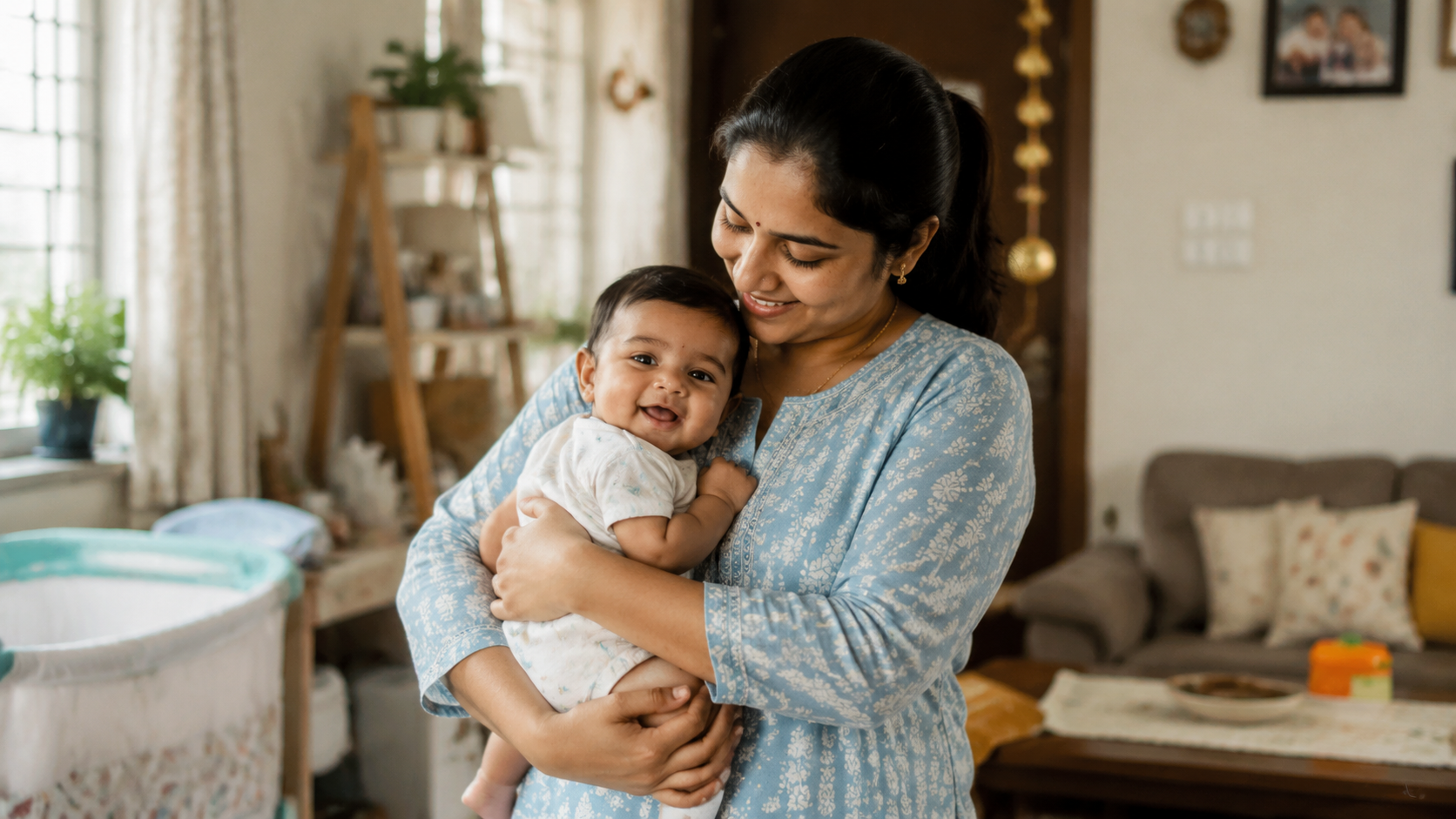
No, crib bumpers are not safe. They significantly increase the risk of Sudden Infant Death Syndrome (SIDS) and suffocation - so much so that the American Academy of Pediatrics (AAP) recommends against them, and they're banned or heavily restricted in the US, UK, and Australia. Despite this global evidence, Indian retailers still stock them because India lacks binding regulatory restrictions. Safe alternatives include breathable mesh liners, sleep sacks, and bare cribs with fitted sheets only.
If you're shopping for baby cribs in Bengaluru, Mumbai, or Pune, you've probably seen padded bumpers advertised as "protective" and "cosy." I understand the appeal - the fear of your baby's head hitting the crib bars is real, especially when grandparents voice it. But the truth, backed by decades of research, is that bumpers cause more harm than protection. Let me walk you through why, what the global evidence shows, and what paediatricians in India actually recommend instead.
The confusion exists because traditional bumper pads feel safe - soft fabric, cushioned edges, the sense of a protected space. But that's exactly the problem. SIDS (Sudden Infant Death Syndrome): unexplained death of a seemingly healthy infant under 12 months, typically during sleep - can happen when a baby's airway is obstructed even briefly, or when they rebreathe exhaled carbon dioxide trapped in a soft, enclosed space. Bumpers create both risks.
Why Crib Bumpers Increase SIDS and Suffocation Risk
The evidence is clear. A 2019 study published in the journal Pediatrics found that crib bumpers were associated with an increased risk of SIDS, asphyxia, and strangulation - particularly in infants under 12 months. The risk jumped even higher when bumpers were combined with soft toys or blankets (all things Indian parents traditionally add for "warmth" or "comfort").
Here's what happens: babies under 12 months cannot roll away from obstacles. If a bumper pads them in, and they accidentally press their face against it while sleeping, they can inhale fibres or rebreathe stale air. Even bumpers with small holes or breathable fabric (marketed as "safer") still pose a risk because they create an enclosed microenvironment around the baby's head.
Additionally, padded bumpers can come loose over time - especially in Indian homes with high humidity and frequent bedding changes. A loose bumper becomes a strangulation hazard, and threads can come undone and get tangled around the baby's neck or limbs.
The risk is age-specific: bumpers are most dangerous for babies under 12 months, when the risk of SIDS peaks (typically between 1-4 months). After 12 months, the SIDS risk drops significantly, but by then a toddler is already mobile and doesn't need a bumper.
The Global Ban: US, UK, Australia - But Not India
In 2022, the American Academy of Pediatrics explicitly recommended against crib bumpers for any age. The US Consumer Product Safety Commission (CPSC) has restricted marketing claims for bumper pads, and several US retailers (including Walmart) have stopped stocking them entirely. The UK's NHS actively advises parents against bumpers. Australia's SIDS prevention guidelines recommend bare cribs.
Yet if you browse Amazon.in or walk into a baby store in Delhi's Khan Market or Bengaluru's Indiranagar, you'll find dozens of bumper options - padded, mesh, organic cotton, bamboo - all marketed confidently as "safe" and "essential."
Why? India's regulatory body, the Bureau of Indian Standards (BIS), does not have a specific ban on crib bumpers. Product manufacturers must meet general safety standards (fire resistance, non-toxic materials), but there's no blanket recommendation against bumpers themselves. This regulatory gap means brands can legally sell them in India, even though the global paediatric consensus is clear: they shouldn't be used.
The Indian Academy of Pediatrics (IAP) aligns with global guidelines on SIDS prevention but doesn't have a widely publicized, front-and-centre campaign against bumpers - partly because the message hasn't reached all paediatricians uniformly, and partly because cultural expectations (grandparents insisting on bumpers for "protection") are strong.
Safe Alternatives to Crib Bumpers
1. Breathable Mesh Crib Liners
If you absolutely must soften the crib edges, breathable mesh liners are the closest "safe" option. Products like the Breathable Baby Mesh Liner (around Rs 1,899 on Amazon.in) use thin, permeable mesh that allows air circulation but prevents limbs from slipping through the bars. However - and this is important - even mesh liners are not recommended by IAP or AAP. They're a compromise for parents who cannot convince their families to accept a bare crib, not a "safe" product in the true sense.
2. Sleep Sacks / Wearable Blankets
This is the gold standard. A sleep sack is a zippered or buttonned fabric sack that the baby wears like a sleeping bag, eliminating the need for loose blankets, pillows, or bumpers. Babies stay warm without any loose bedding. Products like the Moms & Mamas Sleep Sack (Rs 800-1,200) or imported brands like Ergobaby Omni 360 Sleep Sack are widely available on Amazon.in. The benefit: your baby stays cosy, there's zero risk of suffocation, and the crib stays bare and safe.
3. Fitted Sheets Only - The Bare Crib
This is what paediatricians genuinely recommend: a firm mattress with a fitted sheet, and nothing else. No bumpers, no pillows, no toys, no blankets. I know this feels cold to many Indian parents - literally and emotionally - but it's the safest sleep environment. If your baby is in a sleep sack (or wearing warm pyjamas in winter), a fitted sheet is sufficient.
4. Crib Rails with Gap Reducers
Some cribs have bars spaced 6-8 cm apart. Baby's head cannot fit through this gap, so the "hitting the bars" concern is largely theoretical. If you're still worried, soft, non-padded gap reducers (thin fabric strips that snap onto the rails without creating an enclosed space) are available, but even these are unnecessary if the crib meets safety standards.
5. Co-Sleeping with Safety Precautions
Many Indian families co-sleep. If you choose this route, IAP guidelines recommend: a separate sleep surface (bassinet or bedside sleeper attached to your bed), no pillows or blankets in the shared space, and firm mattresses only. This is not a "bumper alternative," but it's worth mentioning because it's a common choice in India.
| Option | Safety Rating | Cost (Rs) | Best For | Downsides |
|---|---|---|---|---|
| Padded Bumpers | ❌ Not Recommended | 800-2,500 | None - avoid entirely | Increases SIDS & suffocation risk |
| Mesh Liners | ⚠️ Compromise Only | 1,500-2,500 | Families insisting on bumper-like look | Not recommended by AAP/IAP; small suffocation risk |
| Sleep Sacks | ✅ Recommended | 800-3,000 | All infants under 12 months | Warm weather sleeping needs adjustment |
| Bare Crib (Fitted Sheet Only) | ✅ Safest | 200-500 | All infants under 12 months | Requires convincing family members |
| Gap Reducers (Non-Padded) | ✅ Safe | 400-1,000 | Reassurance for anxious parents | Cosmetic; not medically necessary |
How to Talk to Your Family About a Bare Crib
I know the grandparent conversation. "Bina bumper ke baby ko chill lag jayega" (Baby will get cold without bumpers), or "Bars se head hit hoga" (Head will hit the bars). Here's what works:
- Lead with the paediatrician: "Our doctor (or IAP guidelines) specifically recommend against bumpers because of SIDS risk." Authority helps.
- Explain sleep sacks: "Sleep sacks keep baby warm AND safe - it's what hospitals use."
- Use data: Share that bumpers are banned or restricted in Western countries, and global paediatricians don't recommend them. Most grandparents respect international medical consensus.
- Offer a compromise: Breathable mesh liners are not ideal, but they look like bumpers and may satisfy family concerns - better than padded bumpers.
What Paediatricians Say
The Indian Academy of Pediatrics and global bodies (AAP, WHO) are aligned: bare cribs with fitted sheets and sleep sacks are the safest sleep environment for infants under 12 months. Bumpers, regardless of material, should be avoided. Mesh liners are a compromise when family pressure is high, but they're not recommended - they're merely safer than padded bumpers, not actually safe.
Our Top Picks
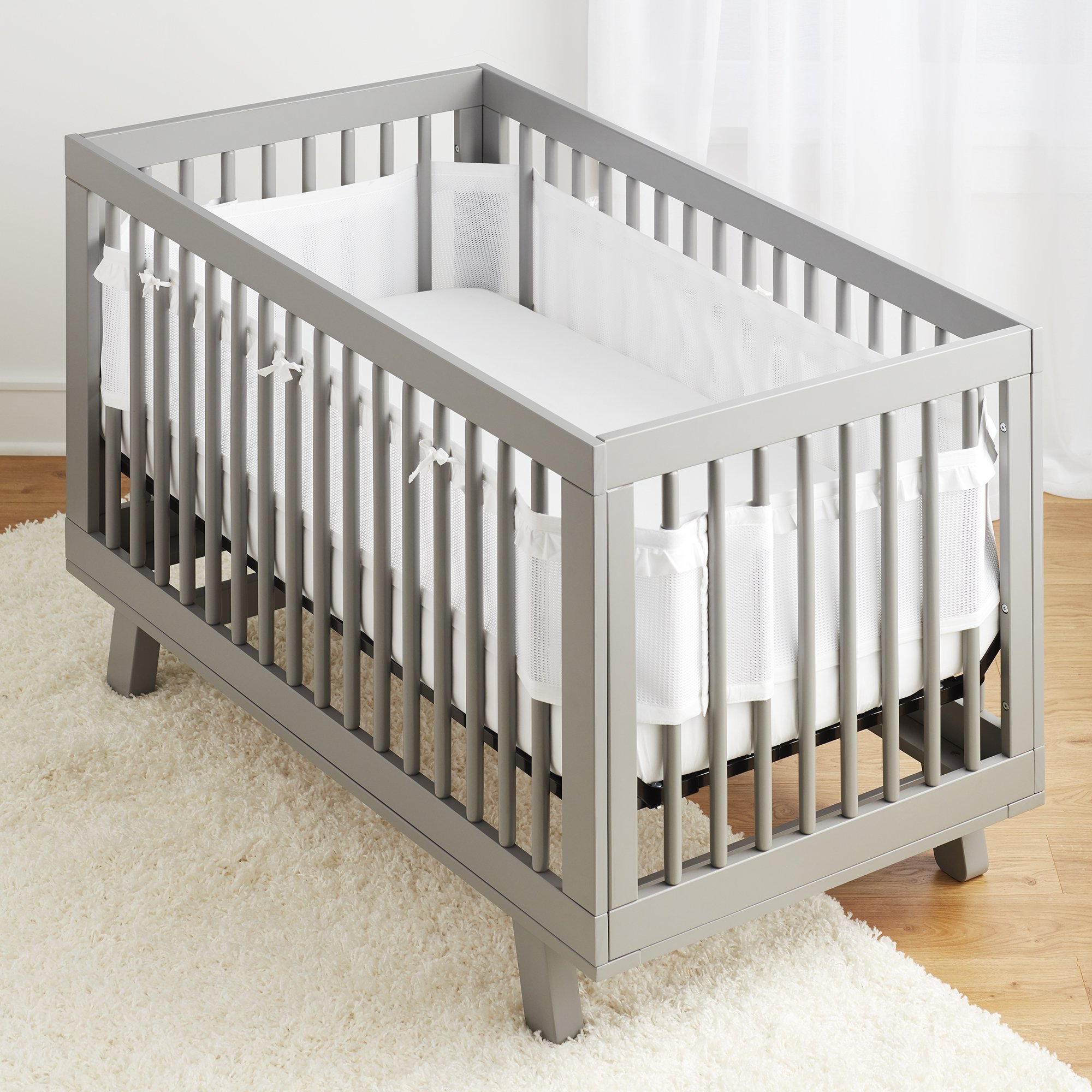
Breathable Baby Mesh Crib Liner
- ✓ Breathable mesh material — allows airflow
- ✓ Fits standard cribs — universal size
- ✓ Machine washable — easy maintenance
* We earn a small commission — at no extra cost to you.
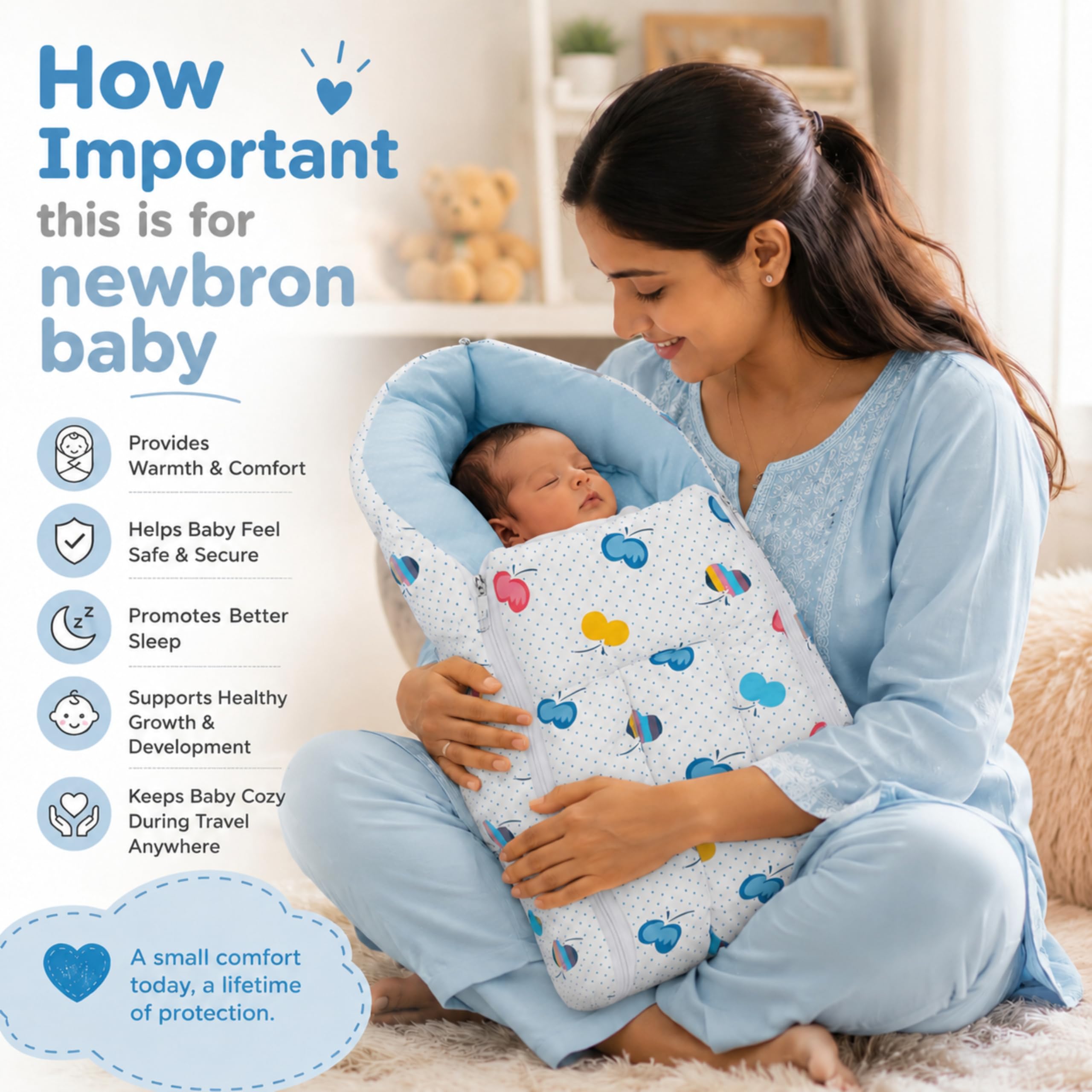
Moms & Mamas Baby Sleep Sack 0-6 Months
- ✓ Wearable blanket design — no loose bedding needed
- ✓ 100% organic cotton — breathable and soft
- ✓ Lightweight option for warm weather
* We earn a small commission — at no extra cost to you.
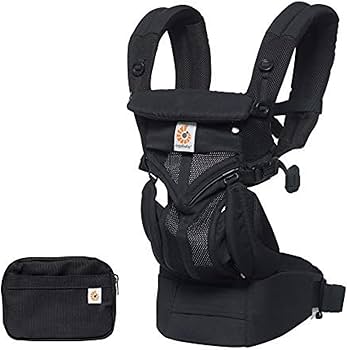
Ergobaby Omni 360 Sleep Sack 6-18 Months
- ✓ Premium wearable blanket — long-lasting design
- ✓ Two-way zipper for easy diaper changes
- ✓ TOG rating 2.5 — suitable for Indian climate
* We earn a small commission — at no extra cost to you.
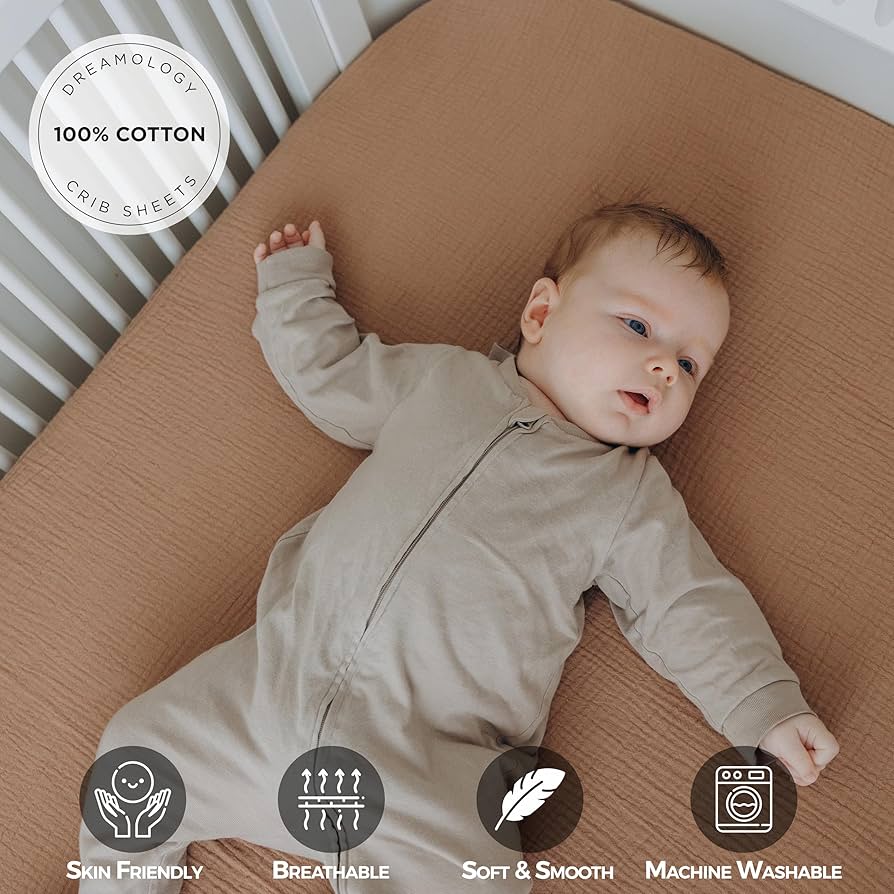
Standard Fitted Crib Sheet (Set of 2) - 100% Cotton
- ✓ Fitted design — stays secure on mattress
- ✓ 100% cotton — breathable and hypoallergenic
- ✓ Set of 2 — for easy washing and replacement
* We earn a small commission — at no extra cost to you.
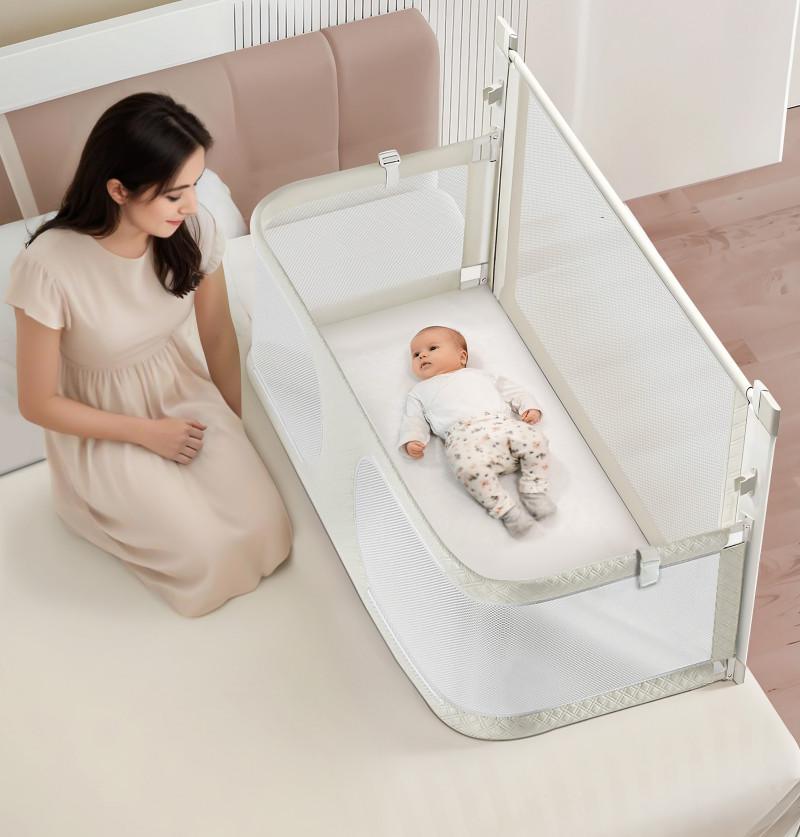
Soft Non-Padded Crib Rail Gap Reducer (Set of 4)
- ✓ Non-padded fabric strips — no suffocation risk
- ✓ Snap-on design — no tools needed
- ✓ Reduces gaps between bars — cosmetic reassurance only
* We earn a small commission — at no extra cost to you.