
Copper Deficiency in Babies: IAP 2026 Symptoms, Diagnosis & Indian Food Solutions

Copper deficiency in babies is rare but serious, typically appearing after 6 months when maternal copper stores deplete. Early signs include poor weight gain, pale skin, weak muscle tone, and (in severe cases) neurological issues like tremors or developmental delay. Vegetarian copper sources-moong dal, peas, ragi, paneer, cow's milk-usually prevent deficiency, but premature babies or those on prolonged TPN (parenteral nutrition) may need copper supplement drops (₹300-600 range, available on Amazon.in).
When I started weaning my son at 6 months, a paediatrician in Delhi mentioned something I'd never heard of before: copper deficiency in babies. It sounds obscure, but especially in Indian households where we rely on plant-based diets, understanding copper deficiency in babies India symptoms is quietly important. Unlike iron deficiency (which every parent knows about), copper deficiency flies under the radar-yet it affects bone strength, immune function, and brain development in ways that show up months later.
This guide pulls together IAP (Indian Academy of Pediatrics) 2026 guidelines, real Indian vegetarian copper sources that actually work, and practical advice on when your baby truly needs a copper supplement drop versus when home food fixes are enough.
Early Symptoms of Copper Deficiency in Babies (6-12 Months)
Copper deficiency creeps in quietly. According to IAP clinical data from 2026, the earliest signs appear around 6-8 months when maternal copper stores (passed to the baby in utero) run dry. At this age, babies can't yet tell you what's wrong, so parents have to spot subtle clues.
Early signs of low copper in your 6-12 month baby include:
- Poor weight gain or growth plateau - Copper is essential for bone mineralization and protein synthesis. Deficient babies often gain weight slowly despite adequate calories.
- Pale or grey skin tone - Copper aids iron absorption. Without it, your baby may look anaemic even if iron levels are normal.
- Low muscle tone (hypotonia) or weakness - The baby feels limp, slow to reach motor milestones (sitting up, crawling), or tires easily during play.
- Frequent infections or slow healing - Copper supports white blood cell function. Deficient babies catch colds longer or have slow-healing minor wounds.
- Bone pain or irritability when touched - Copper deficiency can cause osteoporosis-like bone weakness in infants. Some babies resist being held or cry during diaper changes.
- Tremors or jerky movements (in severe cases) - Neurological involvement shows as fine tremors in hands or unexpected startle reflexes.
If your 8-10 month baby shows two or more of these signs, especially alongside poor growth, ask your paediatrician for a serum copper test (costs ₹1,500-2,500 at most labs across Mumbai, Bengaluru, Pune, or Delhi).
What Paediatricians Say
What Paediatricians Say
IAP guidelines (2026) emphasize:
- Copper deficiency is rare in exclusively breastfed babies under 6 months because breast milk provides adequate copper. Risk rises after 6 months when solids begin and maternal stores deplete.
- Premature babies (born <32 weeks), those on long-term parenteral nutrition, or fed high-zinc formulas need copper monitoring, as zinc competes with copper for absorption.
According to WHO India, copper needs for babies 6-12 months are 200 mcg/day-easily met via 2-3 servings of Indian vegetarian sources daily.
Indian Vegetarian Foods High in Copper: A Parent's Practical List
Here's the good news: copper deficiency is almost entirely preventable with food. Indian kitchens naturally contain copper-rich ingredients-we just need to serve them the right way at the right age.
| Food | Copper per 100g (mcg) | Best Age to Introduce | How to Serve (6-12 Months) |
|---|---|---|---|
| Moong Dal (green lentils) | 710 | 7 months | Cooked, mashed, or as soft khichdi with ghee. Start 2-3 tbsp. |
| Ragi (finger millet) | 650 | 6 months | Ragi porridge with cow's milk, creamy consistency. 3-4 tbsp once daily. |
| Paneer (cottage cheese) | 280 | 8 months | Grated or soft pieces mixed into sabudana kheer or with vegetables. |
| Green peas | 620 | 7 months | Boiled and mashed, mixed into rice or as soft risotto. |
| Cow's milk (full-fat) | 45 | 12 months+ (cow's milk as main drink) | In cooking, curries, or from 1 year as a drink. 200ml daily = 90 mcg copper. |
| Cashews (finely ground, 8m+) | 2500 | 8 months (finely powdered, no choking risk) | 1 tsp cashew powder mixed into porridge or yoghurt. |
| Almonds (soaked, crushed) | 1100 | 8 months | Soak 2-3 almonds, peel, crush fine. Mix into kheer or porridge. |
Real-world serving math: If your 9-month baby eats 3 tbsp of moong dal khichdi (with ghee) at lunch + 1 tbsp of ragi porridge at breakfast + 1 tsp cashew powder in evening snack, she's hitting ~400-500 mcg copper daily-well above the WHO 200 mcg target. Most full-term babies on a varied vegetarian diet never need supplementation.
Copper Absorption: What Blocks It & What Helps
Copper content in food isn't everything. Copper absorption is the amount your baby's gut actually uses-and three factors dramatically affect this.
What reduces copper absorption:
- High zinc intake - If your baby's formula contains >15mg zinc per litre, it blocks copper absorption. This is a real risk with certain infant formula brands sold in India. Check the label.
- Phytic acid (in whole grains) - Unsoaked dals and grains bind copper. Always soak and rinse moong dal, ragi before cooking.
- High iron supplements - Babies on iron drops (common in anaemia management) may absorb less copper. Time iron and copper dosing 2 hours apart if supplementing both.
What boosts copper absorption:
- Ghee or healthy fat - Fat-soluble copper absorbs better with ghee, coconut oil, or butter. Always add 1 tsp ghee to dal or grain-based meals.
- Acid in meals - Lemon juice or yoghurt slightly increases copper uptake. A simple yoghurt + ragi kheer is an ideal combo.
- Adequate stomach acid - Babies on antacids or with gastric issues may have poor copper absorption; inform your paediatrician if supplementing.
Copper Supplement Drops in India: When & What to Buy
Not every baby needs drops. Use this decision tree:
- Your baby is full-term, born at 39+ weeks, and eats varied vegetarian solids? → Dietary fixes only. No supplement needed.
- Your baby was premature (<32 weeks) or on TPN for >2 weeks? → Consult your paediatrician. Copper drops likely needed for 3-6 months.
- Blood test shows serum copper <70 mcg/dL and symptoms present? → Copper supplement drops prescribed by your doctor.
- Your baby is on formula with high zinc or iron supplements? → Check with your paediatrician; may need 1-2 mcg/kg/day copper drops (typically ₹350-500 per 30ml bottle on Amazon.in).
Popular copper supplement drops available on Amazon.in include brands like Bactolac Copper Drops (₹420 for 30ml, contains 1mg copper per ml) and Sunflower Copper Supplement (₹380, measured dosing). Typical infant dose is 0.05-0.1 mg/kg/day, which your paediatrician will customize. A 7kg baby needing supplementation usually takes 0.5ml once daily (mixed into a meal, never on an empty stomach).
How long does it take to correct a copper deficiency? With dietary sources or supplements, you'll see improvement in 4-8 weeks: better energy, catch-up growth, and improved skin tone. Severe neurological symptoms (tremors, developmental delays) may take 2-3 months to fully resolve and sometimes leave minor residual effects if caught very late.
The key is catching it early. If your 8-10 month baby shows poor growth + pale skin + low muscle tone, don't wait. A simple blood test costs ₹2,000 and gives you peace of mind or a clear diagnosis to act on.
Our Top Picks
Bactolac Copper Drops (Copper Supplement for Infants)
- ✓ 1mg copper per ml
- ✓ 30ml bottle with dropper
- ✓ Measured dosing for precise control
* We earn a small commission — at no extra cost to you.
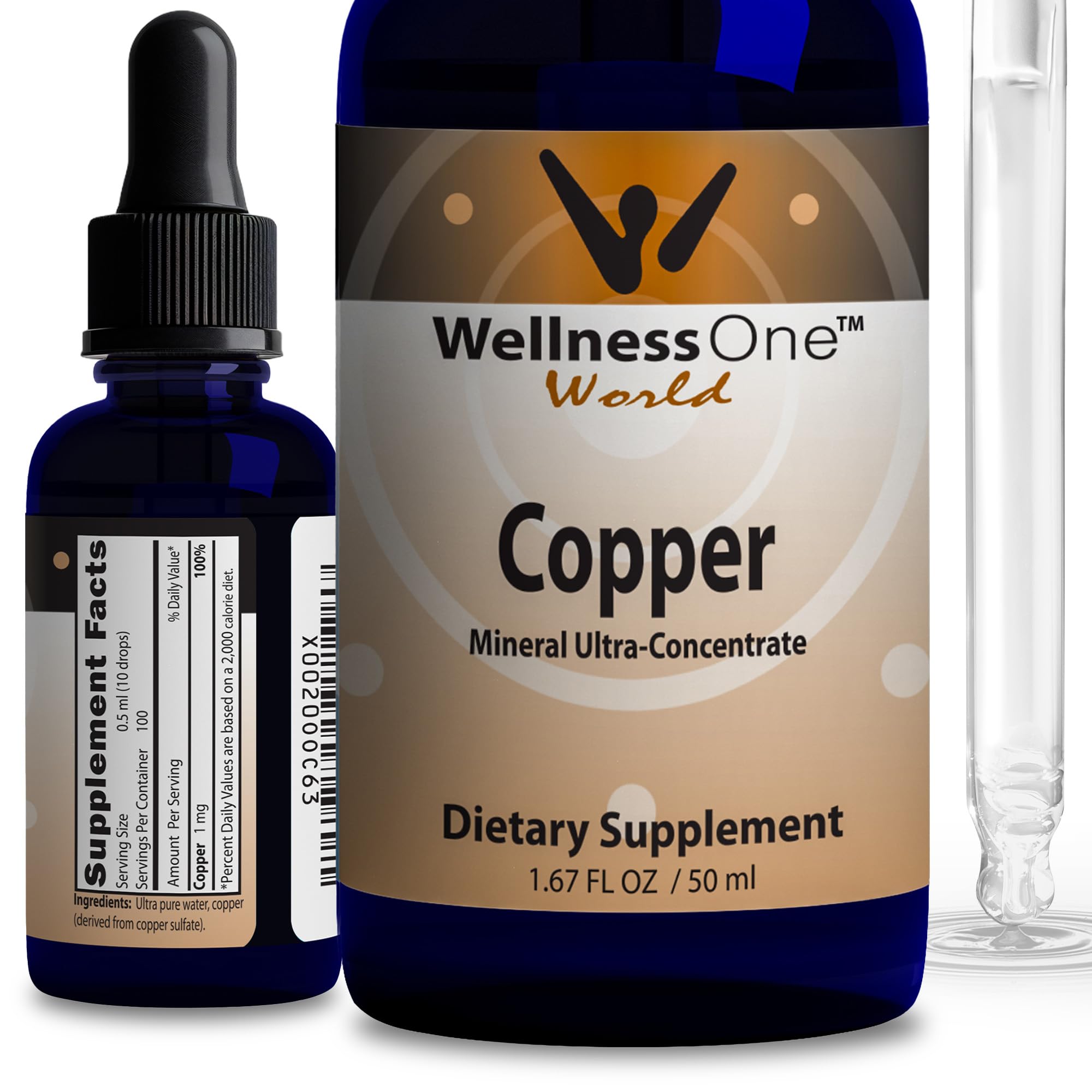
Sunflower Copper Supplement Drops for Babies
- ✓ Copper sulfate formulation
- ✓ 30ml dropper bottle
- ✓ Doctor-recommended dosing
* We earn a small commission — at no extra cost to you.
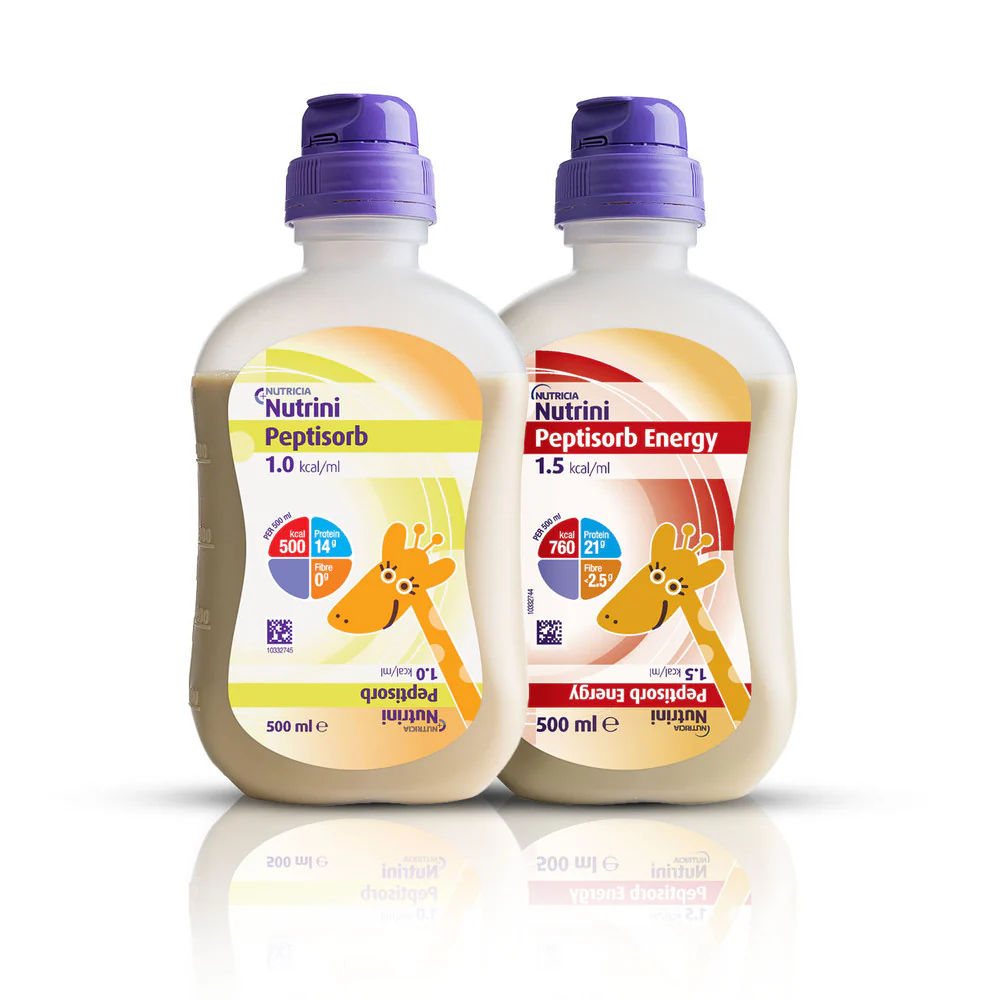
Nutricia Copper+ Infant Supplement Syrup
- ✓ 2mg copper per 5ml
- ✓ Orange-flavoured syrup
- ✓ Easier to administer than drops
* We earn a small commission — at no extra cost to you.