
Baby Weaning Setup Under ₹1200: 7 Essentials That Actually Get Used
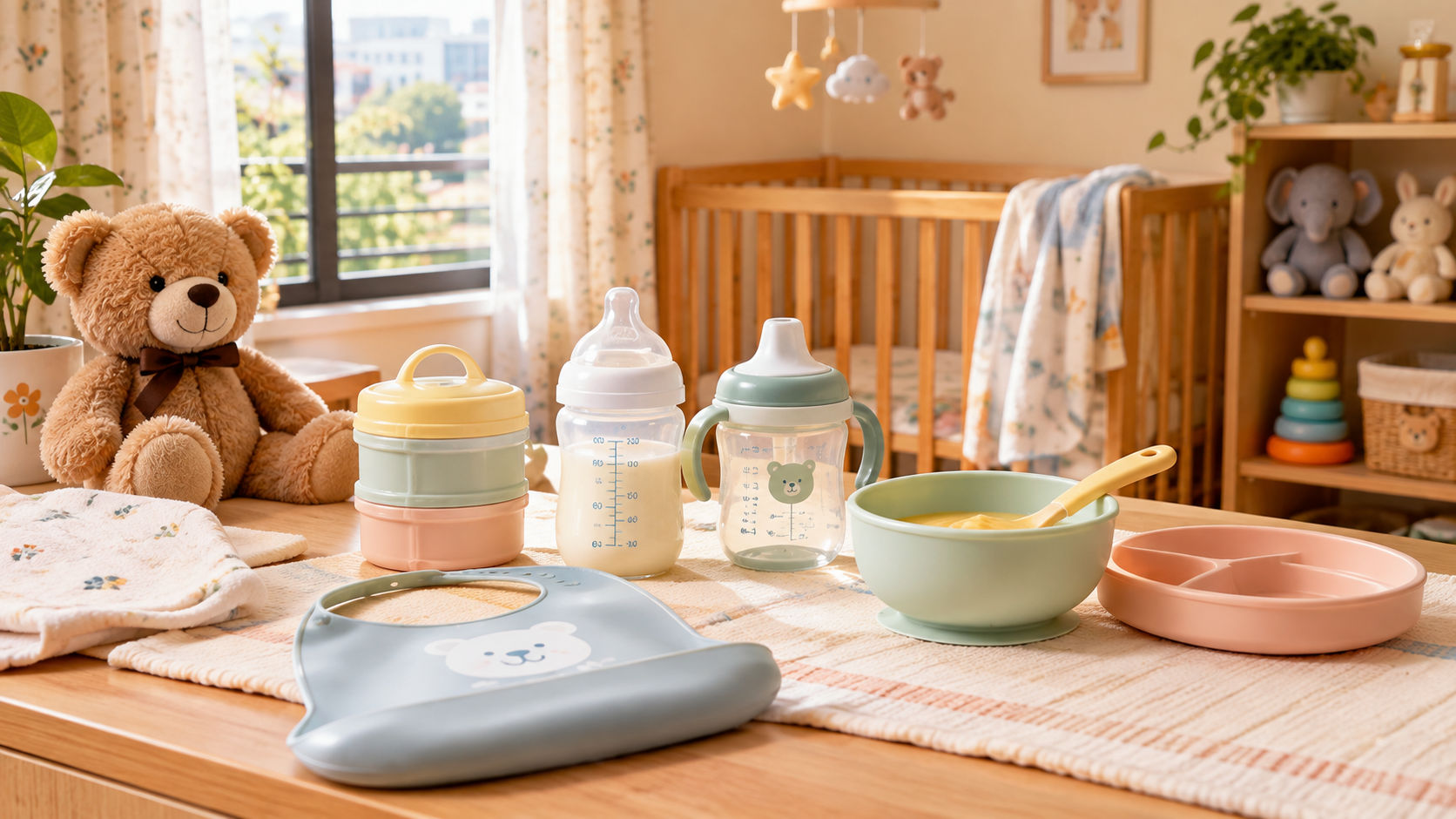
A functional baby weaning kit for 6-12 months costs around ₹1200 in India and includes steel bowls (₹180), silicone spoons (₹120), bibs (₹150), food masher (₹80), storage containers (₹200), sippy cup (₹220), and a floor mat (₹250). You don't need expensive blenders or warming dishes—Indian homes have mixies and reheat in bowls.
When your 6-month-old is ready for weaning, the temptation is real: buy a fancy baby-food processor, a temperature-controlled warming dish, fancy high chairs. Then it sits unused while your ₹8,000 blender gathers dust because you already have a mixie, and your baby prefers eating from the floor anyway.
This is the real weaning kit—what parents in Bangalore, Mumbai, and Delhi actually use daily. We've priced it for ₹1200 total, in products you can buy now or in stages as your baby's eating changes month to month. No fluff, no Instagram-worthy silicone trays you'll never photograph. Just the stuff that survives drool, multiple washes, and a toddler's throwing arm.
The ₹1200 Weaning Checklist: What to Buy and When
- Steel bowls set (₹180, Pigeon): Two or three small stainless steel bowls are non-negotiable. They're microwave-safe, don't leach chemicals, survive a dishwasher, and cost almost nothing. You'll need separate bowls for lunch, snacks, and storage—Indian homes don't have endless space, so overlap is essential.
- Silicone spoons (₹120, Mee Mee): Soft spoon, hard spoon. One for you to feed, one for baby to practice. Silicone doesn't hurt gums when baby chews them (and they will), and they don't need careful hand-washing—chuck them in the dishwasher with everything else.
- Bibs, 3-pack (₹150, Babyhug): You need three because weaning is messy and laundry happens twice a week in most Indian homes. Waterproof backing matters—cotton-only bibs absorb pureed food and leave stains that don't wash out, no matter how much Surf Excel you use.
- Food masher (₹80, Prestige): Food masher: a small handheld tool that crushes soft foods (ragi, dal, rice) without a blender. In Indian homes, you already have a mortar and pestle, but a dedicated masher is faster and takes up one drawer instead of three. Skip the blender entirely—your mixie does the heavy lifting for dal and grains, and for soft vegetables like pumpkin and lauki, the masher is cleaner and quieter.
- Storage containers (₹200, Milton): Three or four small airtight plastic containers (300–400 ml each). Label them with masking tape and a marker: Monday's ragi, Wednesday's dal. Indian kitchens are hot—airtight containers keep weaning food fresh in the fridge for 48 hours without bacterial growth. BPA-free containers are important: BPA is a chemical found in some plastics that WHO flags as potentially disruptive to infant hormones during early feeding stages.
- Sippy cup (₹220, Chicco): Start at 6 months with water, upgrade to diluted fruit juice or curd at 8 months. A spill-proof design saves your kitchen floor—most Indian homes don't have hard flooring everywhere, and mopping carpet-like areas is nobody's idea of fun. Choose 200–240 ml capacity so it doesn't feel heavy in baby's hands.
- Floor mat/splash pad (₹250): Non-slip, waterproof mat placed under the eating area. Baby-led weaning happens on the floor in many Indian homes, and while mess is developmentally normal, cleaning food off tiles is easier on a mat. Use it for 6–12 months, then repurpose it for messy play later.
Month-by-Month: What You Actually Use When
6 months: Bowls, spoon, bibs, masher. That's it. You're mashing soft ragi, dal, and steamed pumpkin. One bowl is enough; the second becomes useful at 7 months when you're mixing different foods.
7–8 months: Add the sippy cup (water only). Add second bowl and third bib because you're now doing lunch and breakfast on the same day, and bibs are constantly in the wash. Storage containers start mattering when you batch-cook twice a week instead of daily.
9–12 months: All seven items in use. Spoons multiply because baby eats faster and wants to feed herself. Bowls and bibs rotate constantly. Storage containers are essential because you're prepping mixed meals (rice with dal, bread with paneer) and need to store components separately.
What Paediatricians Say
According to IAP (Indian Academy of Pediatrics), starting weaning at 6 months with iron-rich foods like ragi and fortified cereals is critical—iron stores from birth deplete at this age. Using clean, BPA-free feeding tools reduces contamination risk in the first year. Keep separate spoons for feeding (not double-dipping from the same spoon the baby has chewed) to prevent infections.
Why You Don't Need Expensive Gear
Baby-food blenders and warming dishes are the top regrets on parenting forums. Your mixie (the blender every Indian home has) works perfectly for grinding dal and grains—it's faster and takes up less counter space. Reheating food in a steel bowl placed in hot water or on low stove heat is safer than electric warmers, which can create hot spots that burn baby's mouth.
High chairs are useful only if you have the space and a solid eating routine (not all Indian homes do). A floor mat under a baby sitting on your lap or on a blanket costs ₹250 and works just as well. You'll use it longer, too—toddlers still eat on floors at 18 months in many Indian homes.
The ₹1200 budget assumes you're not buying novelty items—no character-shaped bowls that are hard to clean, no silicone mats with raised patterns that trap food, no three different types of spoons. You're buying functional, durable, washable tools that survive at least two years and multiple children.
Start with bowls, spoon, and bibs (₹450 total). Add masher and storage at month 2 (₹280 more). Add sippy cup and mat at month 3 (₹470 more). Total ₹1200, spread over three months—this way, you're not overwhelmed by gear gathering dust, and you buy based on what your baby actually does, not what marketing photos suggest.
Our Top Picks
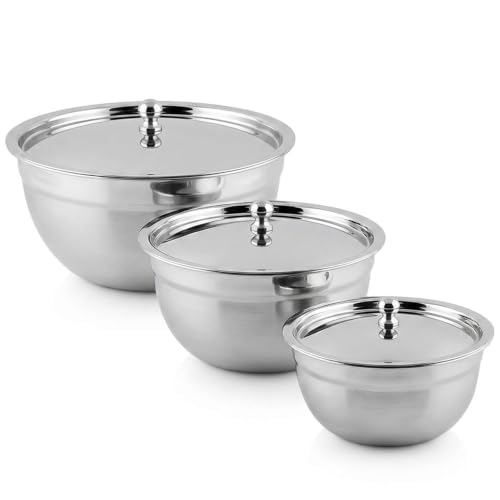
Pigeon Stainless Steel Bowls Set (Pack of 3)
- ✓ Stainless steel, non-toxic
- ✓ Microwave and dishwasher safe
- ✓ Size: 150ml, 250ml, 350ml
* We earn a small commission — at no extra cost to you.
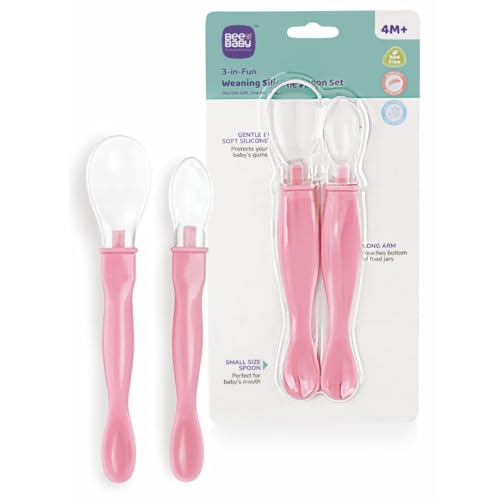
Mee Mee Soft Silicone Spoon Set (Pack of 2)
- ✓ Food-grade silicone
- ✓ Soft on gums, safe for teething
- ✓ Dishwasher safe
* We earn a small commission — at no extra cost to you.
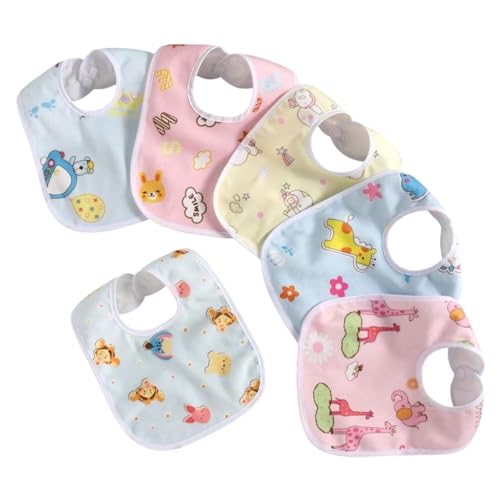
Babyhug Waterproof Baby Bibs (Pack of 3)
- ✓ Waterproof backing with cotton front
- ✓ Velcro closure
- ✓ Easy to hand-wash or machine-wash
* We earn a small commission — at no extra cost to you.
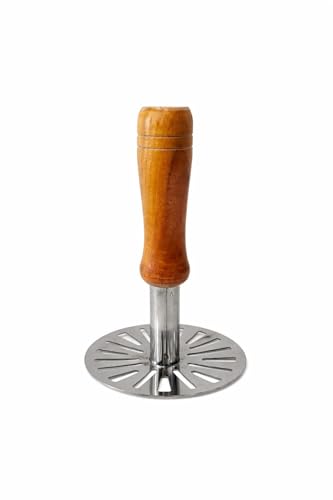
Prestige Hand Food Masher
- ✓ Stainless steel head
- ✓ Lightweight, ergonomic handle
- ✓ Perfect for mashing soft foods without electricity
* We earn a small commission — at no extra cost to you.
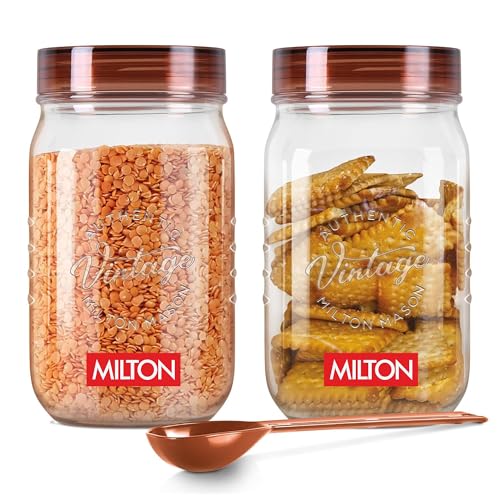
Milton Airtight Food Storage Containers (Pack of 4, 300ml each)
- ✓ BPA-free plastic
- ✓ Airtight seals keep food fresh up to 48 hours
- ✓ Microwave and dishwasher safe
* We earn a small commission — at no extra cost to you.
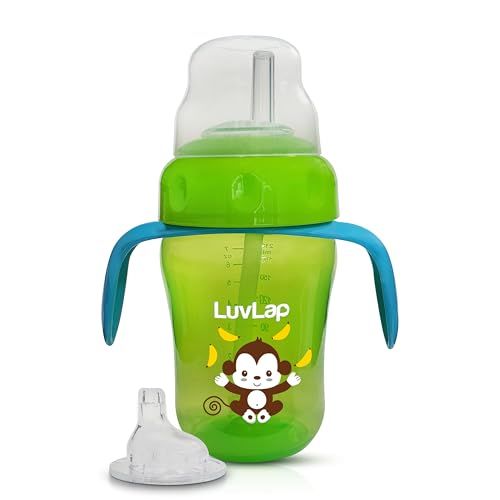
Chicco Spill-Proof Sippy Cup 210ml
- ✓ Anti-leak design
- ✓ Soft silicone spout
- ✓ Easy-grip handles, dishwasher safe
* We earn a small commission — at no extra cost to you.
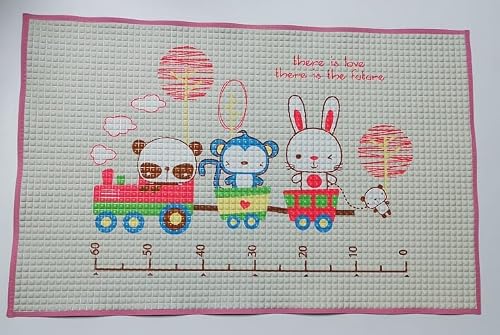
Non-Slip Waterproof Baby Feeding Floor Mat 80x60cm
- ✓ Non-slip rubber base
- ✓ Waterproof, wipe-clean surface
- ✓ Protects flooring from spills and mess
* We earn a small commission — at no extra cost to you.