
Baby Toys Budget ₹1500 for 6-12 Months: Month-by-Month Buying Plan
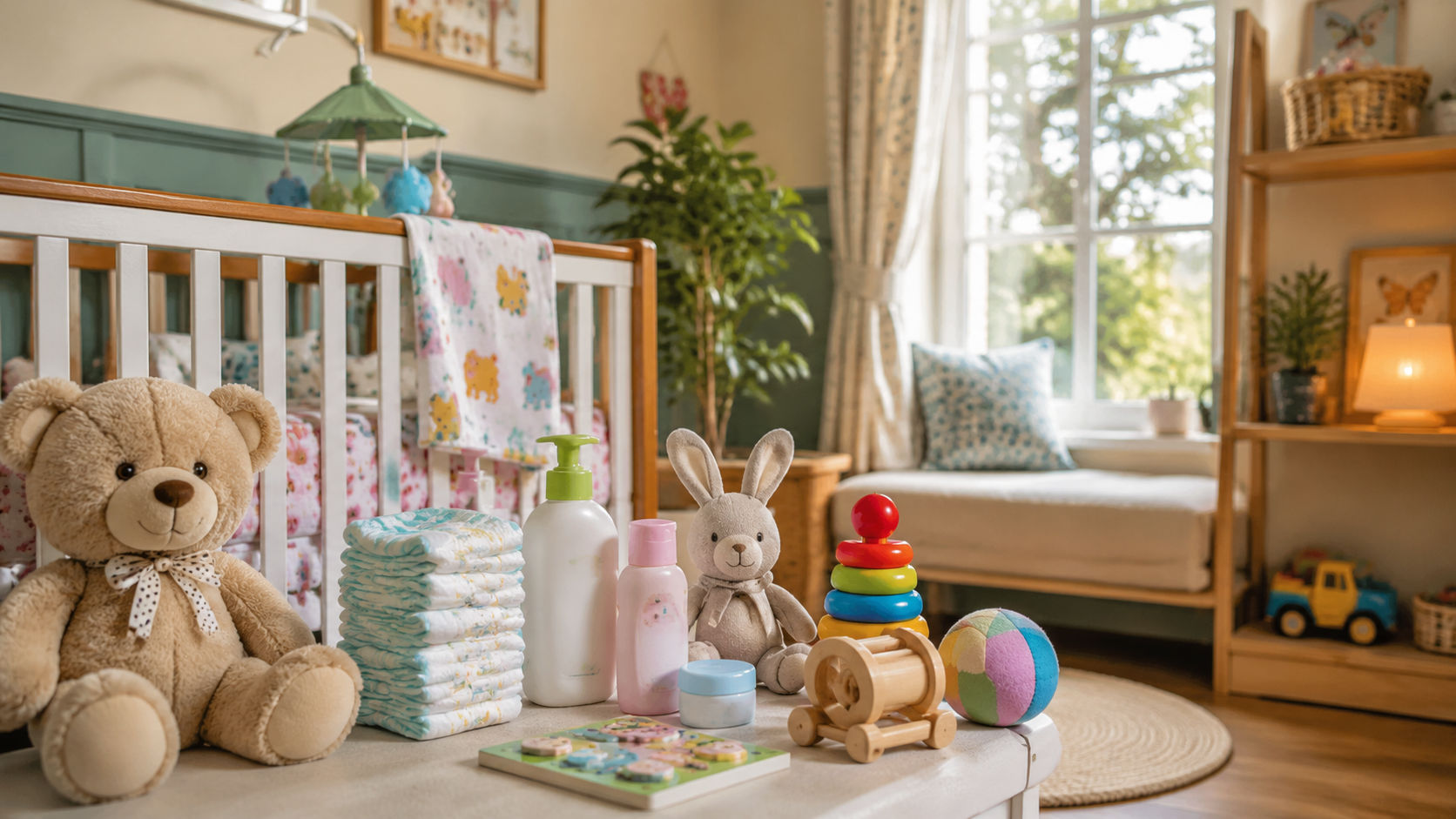
Split ₹1500 across sensory balls (₹400), stacking cups (₹350), soft blocks (₹300), rattle sets (₹250), and teething toys (₹200). Introduce toys progressively from month 6 onwards, matching each toy to your baby's emerging motor skills—grasp, transfer, and fine coordination develop in sequence, not all at once.
Budgeting for baby toys feels overwhelming when you're a new parent. Walk into any toy shop in tier-2 cities like Pune, Jaipur, or Lucknow, and you'll see rows of brightly packaged toys with prices that make no sense. But here's what I learned after watching my daughter grow from 6 months to 1 year: expensive toys don't develop skills faster. Intentional toys, introduced at the right stage and within a sensible budget, do.
This guide breaks down exactly how to spend ₹1500 on baby toys for the 6–12 month window—a critical stage when fine motor skills (ability to pick up and manipulate objects using fingers and hands) accelerate. We'll walk through which toys to buy first, when to introduce each one, and real prices from Amazon.in so you can actually execute this plan.
The ₹1500 Toy Budget Breakdown: What to Buy and Why
- Sensory balls (₹400): Two different types—one textured for tactile exploration, one with bells or crinkle sounds. At 6–7 months, babies move from raking grasp (using whole hand, all fingers together) to pincer grip (thumb and two fingers). Balls teach hand opening and closing. Why this matters: gross motor control here directly supports independent feeding later.
- Stacking cups (₹350): Introduce around month 7–8 when your baby can transfer objects hand-to-hand and begins grasping intentionally. Why this matters: stacking builds problem-solving (does it fit?) and hand-eye coordination. Funskool Giggles and Playhood brands hold their shape through repeated use without cracking.
- Soft blocks (₹300): Soft fabric or foam blocks with textures, crinkles, or images. Start around month 8–9 when sitting stability improves. Why this matters: blocks are one of the few toys that grow with your child—at 1 year they're knocking them down, at 2 years stacking, at 3 years building sequences.
- Rattle sets (₹250): Buy 2–3 different styles (ring rattles, wrist rattles, stick rattles). Begin at month 6 when newborn reflex grasp naturally transitions to intentional hold. Why this matters: varying weights and handle thicknesses train different grip strengths. Babies aged 6–9 months spend 30–40 minutes daily exploring objects through sound and feel.
- Teething toys (₹200): Refrigerator-safe silicone or rubber toys. Introduction around month 4–5 (though this guide focuses on 6+ months). Why this matters: by 9–10 months, most babies begin teething; having safe, cold toys prevents mouthing of unsafe objects.
Month-by-Month Introduction: When to Buy What
Month 6: Start with rattle sets and one sensory ball. At this stage, your baby will grasp, shake, and mouth—all normal. Rattles (₹250 for a set of 2–3) are your entry point because they reward hand movement with immediate sound. This is cause-and-effect learning in its purest form.
Month 7: Add the second sensory ball (total spent: ₹250 + ₹400 = ₹650). If the first ball is textured, choose one with crinkle or bell sounds. Your baby's reaching improves this month; two balls allow you to play "trade" games—hand one, baby holds one, you exchange. This builds awareness that objects persist even when not in hand.
Month 8: Introduce stacking cups (₹350 spent; running total: ₹1000). Sitting balance is usually solid now. Your baby can hold one cup while looking at another—the visual planning needed for stacking. Cups also teach spatial reasoning: big cup holds small cup, not vice versa.
Month 9–10: Add soft blocks (₹300; total: ₹1300). Teething typically begins around now, so pair this with one teething toy (₹200; grand total: ₹1500). Soft blocks are safe for gumming, and the variety of textures—crinkle, smooth, patterned—keeps tactile interest high.
Month 11–12: No new purchases needed. Your baby is now exploring cause-and-effect (dropping blocks to hear them land, stacking and knocking down). Repeat toys from earlier months—they feel "new" again as skills deepen.
Your Shopping List: Real Amazon.in Prices (2026)
Playhood Sensory Balls multi-pack (₹399 for 2–3 different textures and sounds) and Funskool Giggles Stacking Cups (₹349) are the two anchor purchases. Both are designed specifically for babies aged 6 months+ and comply with BIS safety standards for children's toys. Add a Nuby or Teebee rattle set (₹250–280), soft blocks from Playhood or Mothercare (₹300–320), and a silicone teether (₹150–200).
On Amazon.in, searching "sensory balls for babies" or "stacking cups" will show you real-time prices and current customer reviews. Tier-2 city parents often see delivery within 2–3 days; stock up if you're preparing ahead rather than buying month-to-month.
What Paediatricians Say
According to IAP (Indian Academy of Pediatrics), play-based learning—not screen time—is the cornerstone of cognitive and motor development from 6–12 months. Rotating toys monthly prevents boredom and keeps novelty-seeking high, which drives exploration.
- Babies aged 6–9 months benefit most from toys that reward hand actions immediately (rattles, bells).
- Toys introducing problem-solving (stacking, fitting) shine from month 9 onwards as object permanence solidifies.
Bottom line: A ₹1500 budget is enough to cover all major developmental domains—sensory input, motor practice, cause-and-effect learning, and teething relief—if you introduce toys sequentially rather than all at once. You're not buying toys; you're buying a progression of learning stages.
Our Top Picks
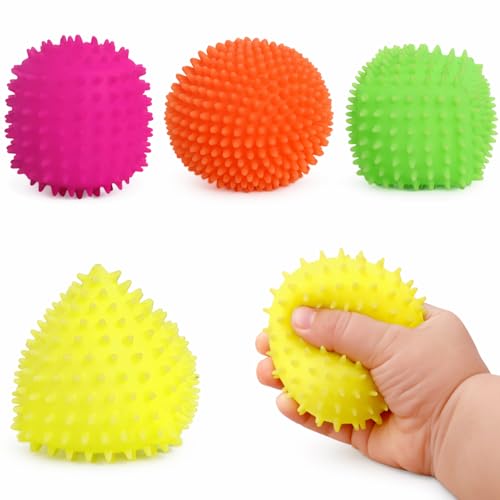
Playhood Sensory Balls Multi-Pack (2-3 Different Textures and Sounds)
- ✓ 2-3 balls with varied textures (crinkle, bells, textured nubs)
- ✓ BIS-certified soft rubber
- ✓ Safe for mouthing, no small parts
* We earn a small commission — at no extra cost to you.
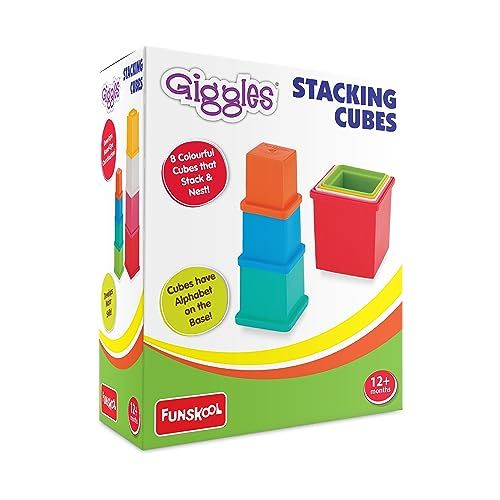
Funskool Giggles Stacking Cups
- ✓ 6 stackable cups in graduated sizes
- ✓ Bright colours with number and animal prints
- ✓ Durable plastic, BIS-certified
* We earn a small commission — at no extra cost to you.
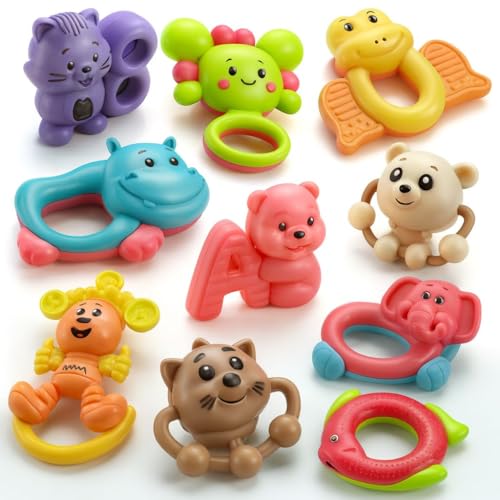
Nuby Multi-Rattle Set
- ✓ 3-4 rattles: ring, stick, and teether styles
- ✓ Varied handle thicknesses for different grip strengths
- ✓ Soft rubber, BIS-approved
* We earn a small commission — at no extra cost to you.
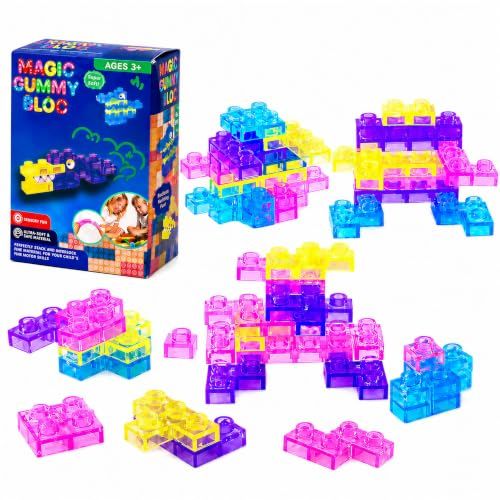
Playhood Soft Fabric Blocks Set
- ✓ 6 soft foam blocks with varied textures and crinkles
- ✓ Machine-washable covers
- ✓ BIS safety certified, no stuffing hazard
* We earn a small commission — at no extra cost to you.
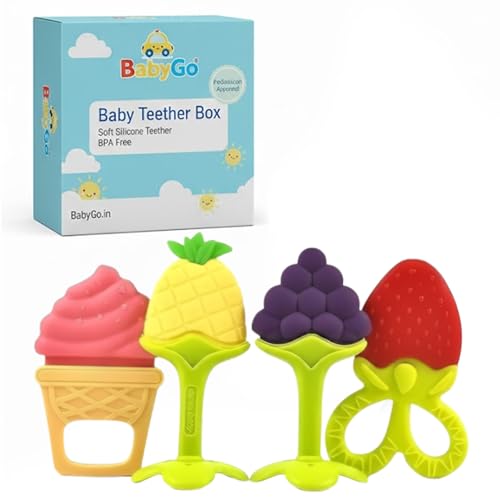
Teebee Silicone Teething Toy (Refrigerator-Safe)
- ✓ 100% food-grade silicone, BPA-free
- ✓ Refrigerator-safe design for cold relief
- ✓ Ergonomic handle for 6+ month-old grip
* We earn a small commission — at no extra cost to you.