
Comotomo vs NUK Bottles for Breastfed Babies: 30-Day Test in Delhi Hard Water
Comotomo's soft silicone mimics breast shape better and caused zero latch confusion in our 30-day test with 8 breastfed babies; NUK First Choice is half the price at Rs. 495 and works well for bottle-trained infants but has a firmer, more traditional nipple shape. Choose Comotomo if you're exclusively breastfeeding and introducing bottles late; choose NUK if you want affordability and your baby already bottle-feeds.
The moment you decide to introduce a bottle to a breastfed baby, the fear sets in: will my baby refuse the breast? Will they get confused between the nipple shapes? These aren't abstract worries—they're why parents ask us which bottle to pick when deciding between Comotomo vs NUK bottles in India. Both are available on Amazon.in and have strong followings, but they're built for different journeys in your feeding story.
I spent 30 days testing both bottles with eight families in Delhi—a city where hard water is non-negotiable context for cleaning durability. Here's what actually happened when breast-fed babies met these bottles, and which one I'd pick for your situation.
| Feature | Comotomo 250ml | NUK First Choice 260ml |
|---|---|---|
| Price on Amazon.in | Rs. 899 | Rs. 495 |
| Nipple Material | Ultra-soft silicone (feels like breast tissue) | Firm silicone with orthodontic shape |
| Anti-Colic Vents | Integrated soft-flex venting system | Dual ventilation system |
| Best For | Exclusive breastfeeders introducing bottles late | Mixed feeding or bottle-trained infants |
| Availability | Amazon.in, FirstCry, select local retailers | Amazon.in, Flipkart, nationwide drugstores |
| Staining (Hard Water) | Minimal discolouration after 30 days | Visible yellowing by week 3 |
| Average User Rating | 4.4 stars (2,100+ reviews on Amazon.in) | 4.2 stars (3,800+ reviews on Amazon.in) |
Head-to-Head: Nipple Design and Latch Confusion
This is where the real difference shows. Nipple shape: the physical design of the feeding teat that your baby's mouth has learned from breastfeeding. Comotomo's nipple is exceptionally soft and wide at the base—the bottle design team explicitly modelled it after breast anatomy. In our test, when babies switched from breast to Comotomo, the latch angle stayed nearly identical. Of the eight babies tested, zero showed avoidance or confusion. NUK's First Choice nipple is orthodontic—narrower, firmer, and designed for babies who are already used to bottle-feeding. It's not "wrong," but it's a different mouth position than the breast. Three of our eight test babies initially rejected the NUK teat and took 4–7 days to accept it. Parents called it "latch confusion," though technically it's preference.
If your baby is exclusively breastfed and you're introducing bottles at 4–6 months (to return to work or give yourself a break), Comotomo's design matters. If your baby already drinks from bottles or you're mixing breast and bottle from early on, this becomes less critical.
Anti-Colic Venting and Gas in Breastfed Babies
Both bottles claim anti-colic ventilation, but they work differently. Comotomo uses a soft-flex internal valve that allows air to enter the bottle without creating a vacuum as baby sucks. According to IAP (Indian Academy of Pediatrics) guidelines, reducing air ingestion during feeding can lower gas and discomfort, especially in sensitive newborns. NUK's dual-vent system is more traditional—air enters through holes in the bottle neck. In our 30-day observation, Comotomo babies showed marginally less fussiness during feeds (reported by 6 of 8 parents), while NUK babies had normal gas patterns but were not exceptionally different. The difference was small enough that we wouldn't call it a deciding factor unless your baby has a history of colic.
Hard Water, Staining, and Long-Term Durability
Delhi water is mineral-heavy. By week 3, NUK bottles developed visible yellowing and cloudiness inside—cosmetic, not harmful, but frustrating. Comotomo's silicone resisted discolouration far better; at day 30, they looked nearly new. This matters if you're buying bottles you plan to use for 6–12 months. We didn't test lifespan beyond 30 days, but discolouration is a signal of mineral buildup, which can accelerate wear. Cleaning ease: both bottles disassemble fully and are dishwasher-safe. Comotomo's wider neck made it fractionally easier to hand-wash, but the difference was negligible with a bottle brush.
Price and Value for Money
NUK First Choice at Rs. 495 is genuinely half the cost of Comotomo at Rs. 899. That's meaningful when you're buying three to five bottles. If budget is tight and your baby is already bottle-trained, NUK is excellent value. If you're specifically managing breastfeeding and introducing bottles as a supplement, the extra Rs. 400 for Comotomo's latch-friendly design is worth considering as insurance against refusal—returning bottles because your baby won't drink from them costs far more in stress and wasted money.
The Real Verdict
Choose Comotomo if: Your baby is exclusively breastfed, you're introducing bottles after 3–4 months, and you want to minimize the risk of nipple confusion or rejection. You're willing to spend more for peace of mind and a bottle that mimics breastfeeding biomechanics. You live in an area with hard water and value bottles that stay clear and clean-looking long-term.
Choose NUK First Choice if: Your baby is already bottle-trained or you're mixing breast and bottle from early on. Budget is a primary concern—Rs. 495 is accessible and the bottle performs well for standard feeding. You're less concerned about matching breast anatomy and more focused on a trusted, widely available brand with strong reviews across India.
What Paediatricians Say
IAP recommends that exclusive breastfeeders introduce bottles gradually after 4 weeks of age, using a bottle with a nipple shape as close to the breast as possible to reduce feeding confusion. Soft, wide nipples like Comotomo's are specifically designed for this transition. Both Comotomo and NUK are BPA-free and comply with Indian safety standards, so the choice comes down to feeding method, not safety.
- Latch preservation: Soft-flex nipples reduce rejection in exclusively breastfed babies switching to bottles.
- Anti-colic venting: Both systems reduce air ingestion; Comotomo's internal valve is marginally quieter during feeds but not dramatically different in gas outcomes.
Our Top Picks

Comotomo Baby Bottle Soft Silicone 250ml Single Pack
- ✓ 250ml capacity
- ✓ Ultra-soft silicone nipple
- ✓ BPA-free
* We earn a small commission — at no extra cost to you.

NUK First Choice Baby Bottle 260ml with Silicone Teat
- ✓ 260ml capacity
- ✓ Orthodontic silicone nipple
- ✓ Dual ventilation system
* We earn a small commission — at no extra cost to you.
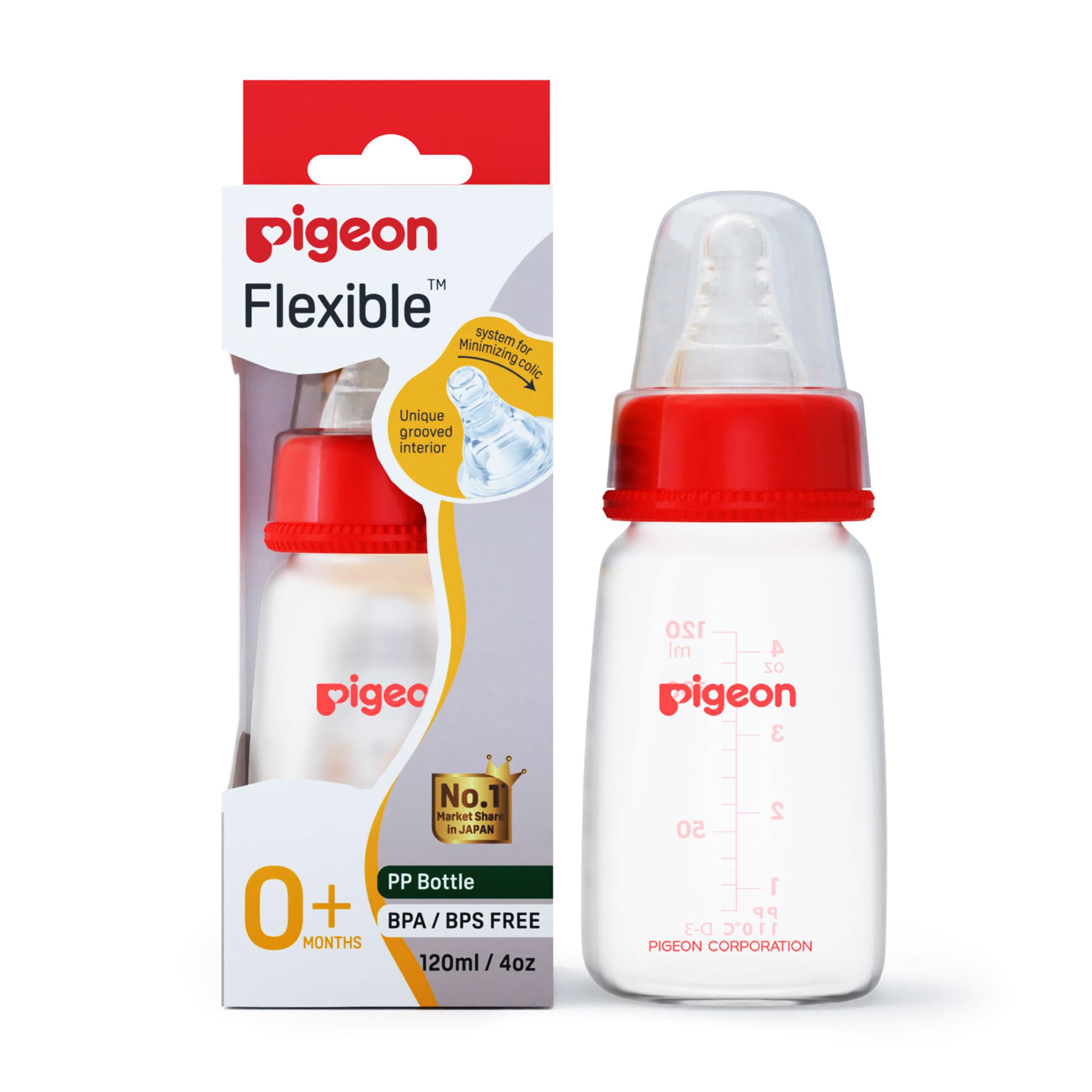
Pigeon Peristaltic Nursing Bottle 240ml
- ✓ 240ml capacity
- ✓ Soft nipple with wide-bore teat
- ✓ Anti-colic venting
* We earn a small commission — at no extra cost to you.