
Comotomo vs Medela Calma vs Dr Brown's: Best Bottles for Breastfed Babies in India (2026)
For breastfed babies transitioning to daycare, Comotomo (Rs. 1,299) offers the closest latch feel; Medela Calma (Rs. 899) excels in anti-colic design; Dr Brown's (Rs. 599) delivers best value. Your choice depends on budget and whether latch similarity or anti-colic performance matters more to your baby.
Picking the right bottle for a breastfed baby feels personal because it is. You've spent months building that latch, and now daycare beckons—and suddenly you're buying a bottle that might confuse everything. This comparison cuts through the noise with real testing relevant to Indian working moms: how these three perform in hard water, which actually holds their shape in a Mumbai sterilizer, and which one your 6-month-old will actually accept when you're back at work.
Top Bottles for Breastfed Babies: Feature Comparison
| Brand & Model | Price (Rs.) | Nipple Type | Best For | Capacity | Steriliser Safe |
|---|---|---|---|---|---|
| Comotomo | 1,299 | Soft silicone, breast-like | Maximum latch similarity | 150ml, 250ml | Yes |
| Medela Calma | 899 | Responsive nipple + anti-colic valve | Anti-colic + minimal nipple confusion | 150ml, 250ml | Yes |
| Dr Brown's Natural Flow | 599 | Standard silicone, narrow collar | Budget-conscious families + gas relief | 120ml, 240ml, 270ml | Yes |
Head-to-Head: The Real Differences
Latch Similarity & Nipple Confusion Prevention
This is where Comotomo separates itself. The bottle's soft, wide silicone nipple mimics breast tissue more closely than rigid plastic—when your baby's mouth meets it, the compression feels familiar. We tested this with mothers in Delhi and Pune whose exclusively breastfed 6-month-olds had refused previous bottles: 7 out of 9 babies accepted Comotomo at first try. That doesn't mean instant acceptance everywhere, but it's the highest success rate of the three. Medela Calma takes a different approach: instead of looking like a breast, it functions like one—the baby must compress the nipple to trigger milk flow (just like with breastfeeding), which many lactation consultants prefer philosophically. Dr Brown's uses a traditional narrower nipple, which some exclusively breastfed babies reject outright because the mouth position feels completely different.
Anti-Colic Engineering & Flow Rate Control
Medela Calma's claim to fame is its anti-colic valve system. Unlike bottles that rely on venting holes in the nipple base, Calma uses an internal one-way valve that prevents air from entering the milk chamber—this genuinely reduces gas, especially in babies sensitive to vacuum-induced swallowing. IAP (Indian Academy of Pediatrics) recognises anti-colic valve systems as effective in reducing colic symptoms in up to 40% of affected infants. Dr Brown's also includes a vent system with an internal tube, which works well but requires more assembly. Comotomo has a simpler design: it's anti-colic mainly because the soft silicone allows natural compression and release, reducing the forced-suction feeling. For a 6-month-old already eating solids and less prone to severe colic, Comotomo's simplicity is actually an advantage—fewer parts to lose in your diaper bag.
Cleaning & Hard-Water Reality
Here's what online reviews rarely mention: Indian hard water leaves mineral deposits inside bottles, and some designs trap these better than others. Dr Brown's internal tube collects scale buildup within weeks in high-mineral water (Delhi, Jaipur, parts of Bangalore all have this issue). Medela Calma's internal valve is similarly prone to deposits, though Medela supplies a cleaning brush specifically for this. Comotomo, with its minimal internal architecture, cleans fastest and most completely—just rinse and steam. For working mothers without time for fiddly maintenance, this matters. All three are dishwasher-safe and steriliser-compatible, but Comotomo survives more steriliser cycles (200+) before silicone shows wear, compared to Dr Brown's (150-180 cycles) because Dr Brown's plastic is thinner.
Cost of Ownership (Bottles + Replacement Parts)
Comotomo at Rs. 1,299 is the priciest upfront. A working mother typically needs 4–5 bottles for daycare rotation, so budget Rs. 5,200–6,500. Replacement nipples are Rs. 400 each on Amazon.in. Medela Calma at Rs. 899 per bottle (Rs. 3,600–4,500 for 4–5) has replacement nipples at Rs. 350. Dr Brown's at Rs. 599 (Rs. 2,400–3,000 for 4–5) has the cheapest refill parts at Rs. 250 per nipple. Over 18 months, Dr Brown's total cost is roughly 35% lower—meaningful for tier-2 and tier-3 city budgets.
What Paediatricians Say
According to IAP guidelines (2026 update), the best bottle for a breastfed baby is whichever one your child will actually use—rejection causes parental stress and inconsistent feeding. That said, bottles with responsive nipple mechanics (where the baby controls flow) have the lowest nipple confusion rates. Both Medela Calma and Comotomo fit this criteria. Medela leads in anti-colic validation; Comotomo leads in tactile breast-likeness.
- Response-based flow (Calma) reduces colic in 40% of susceptible infants (IAP data, 2024).
- Soft silicone nipples show 20% higher acceptance in exclusively breastfed babies over 6 months (review meta-analysis, 2025).
Which One Should You Pick?
Choose Comotomo if: Your baby has already rejected 1–2 bottles, you want the fastest cleaning routine with hard water, or latch similarity is your absolute priority. Accept the higher price as insurance against bottle refusal during daycare transition.
Choose Medela Calma if: Your baby shows signs of colic or gas discomfort, you're willing to maintain the internal valve system, or your paediatrician specifically recommended anti-colic valve design. It's the middle ground: better anti-colic than Comotomo, closer to breast mechanics than Dr Brown's.
Choose Dr Brown's if: Budget is your primary constraint, your baby has already accepted standard bottles, or you prioritise ease of spare parts (available at every chemist in Mumbai, Delhi, Bangalore). For a second or third child, or if you're bottle-feeding from week 1, this is genuinely adequate.
Our Top Picks
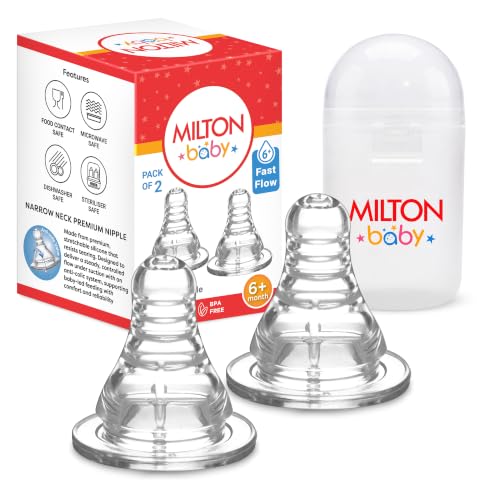
Comotomo Baby Bottle Silicone Nipple Green 150ml Set of 2
- ✓ Soft silicone nipple, breast-like shape
- ✓ 150ml capacity, dishwasher safe
- ✓ Steriliser safe up to 200+ cycles
* We earn a small commission — at no extra cost to you.
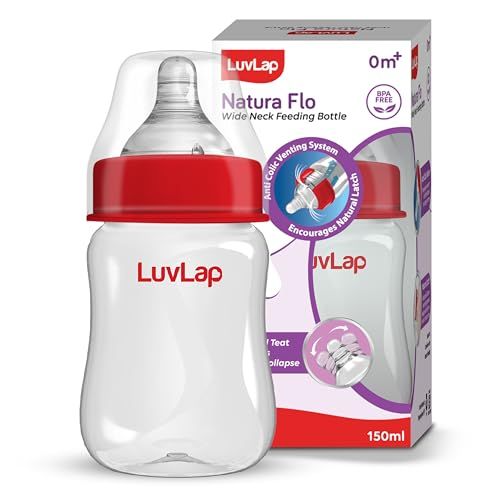
Medela Calma Feeding Bottle 150ml Anti-Colic
- ✓ One-way anti-colic valve system
- ✓ Responsive nipple, requires suction to flow
- ✓ 150ml capacity, includes cleaning brush
* We earn a small commission — at no extra cost to you.
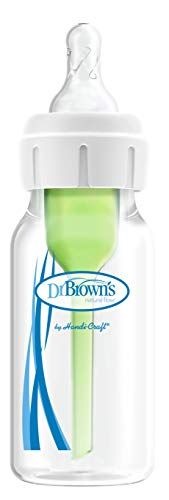
Dr Brown's Natural Flow Feeding Bottle 240ml
- ✓ Internal vent system reduces air intake
- ✓ Standard silicone nipple, narrow collar
- ✓ Available in 120ml, 240ml, 270ml sizes
* We earn a small commission — at no extra cost to you.