
Choline Deficiency in Babies: IAP 2026 Guidelines, Symptoms & Indian Food Sources

Choline is essential for infant brain development, and deficiency can delay cognitive milestones. According to IAP 2026 guidelines, babies aged 6-18 months need 150-200 mg daily through breastmilk, formula, or foods like paneer, ragi, spinach, and peas. Most Indian babies meet requirements through diet, but vegetarian families should monitor intake and consult a paediatrician if developmental delays appear.
If you're a parent in tier-1 cities like Mumbai, Delhi, or Bengaluru researching nutrients that matter for your baby's brain, you've likely stumbled on choline — the nutrient that doesn't get the spotlight that iron or calcium do, but absolutely should. I've been there too, reading research while my 8-month-old tried to grab my phone, wondering if I'm doing enough to support her development. Let me walk you through what choline really does, how to spot a deficiency, and which Indian foods (and supplements, if needed) can help.
What Is Choline and Why Do Babies Need It?
Choline: a micronutrient that supports acetylcholine production in the brain, essential for memory, attention, and neural development in infants. The Indian Academy of Pediatrics (IAP) 2026 position paper emphasizes that choline deficiency during the first 18 months can impact long-term learning capacity and executive function. In plain terms — it helps your baby's brain wire properly. Breastmilk naturally contains 100-150 mg/L of choline, but once weaning begins (around 6 months), you need to actively provide it through food or formula.
Here's what surprised me: many paediatricians I spoke with in Mumbai agreed that choline deficiency is rare in exclusively breastfed babies, but becomes a risk point once solids start if parents aren't deliberately including choline-rich foods. The concern is especially valid for vegetarian Indian families, since the most concentrated animal sources (like fish) aren't part of our diet.
Signs Your Baby Might Have Choline Deficiency
Deficiency symptoms are subtle and often overlap with other issues, which is why paediatricians say diagnosis needs clinical assessment, not parental guessing. Watch for:
- Delayed cognitive milestones — your 12-month-old isn't pointing at objects or mimicking sounds as expected (IAP milestone charts apply here)
- Poor memory formation — difficulty recognising familiar faces or responding to their name consistently
- Reduced attention span — trouble focusing on activities for more than a few seconds (normal distraction vs. clinical concern is a paediatrician call)
- Developmental regression — loss of previously acquired skills like babbling or sitting
- Muscle weakness or low muscle tone — floppy limbs or delayed crawling/standing milestones
Importantly: these symptoms have many causes. A 7-month-old who isn't sitting yet might have low muscle tone from choline deficiency, or it could be completely normal variation, or something else entirely. Your paediatrician will rule out other factors before even considering choline. Don't panic if your baby seems a bit slower — development has a wide normal range. But if your gut tells you something's off, ask directly about choline and other micronutrient status.
IAP 2026 Choline Recommendations for Indian Babies
The Indian Academy of Pediatrics' 2026 updated guidelines recommend:
- Infants 0-6 months: 125 mg/day (met via breastmilk or infant formula)
- Babies 6-12 months: 150 mg/day (mix of breastmilk/formula + starting solids)
- Toddlers 12-18 months: 200 mg/day (as solids become more substantial)
These are adequate intake (AI) levels, not strict upper limits. More choline doesn't automatically mean smarter babies — the goal is meeting the minimum for proper neural development, not supplementing beyond need.
Best Indian Vegetarian Choline Sources for 6-18 Month Olds
Paneer (cottage cheese) is hands-down the MVP. A 30g serving (about what a 10-month-old can manage) delivers roughly 10-12 mg of choline. It's soft, easy to mash, and pairs naturally with Indian meals. You can crumble it into khichdi, mix it into dal, or serve it as finger food once your baby can self-feed.
Ragi (finger millet) is another star — one of the few cereals with measurable choline (around 20 mg per 100g cooked). Ragi porridge is traditional in South Indian weaning, and for good reason. Many paediatricians in Chennai and Bengaluru recommend ragi as a first grain precisely because of its nutrient density, including choline.
Dairy products matter here. Curd, milk, and ghee all contain choline, though in smaller amounts than paneer. A 100ml serve of whole cow's milk or yoghurt adds 25-30 mg. In North India, especially Delhi and Lucknow, kheer (milk-based dessert) made with ragi is a traditional weaning food that ticks the choline box.
Spinach and peas round out the plant sources. Cooked spinach has about 15 mg per 100g, and peas (a favourite in khichdi) provide roughly 25 mg per 100g cooked. Combine spinach with paneer, and you're layering choline sources efficiently.
A realistic day of weaning for a 10-month-old might look like: morning ragi porridge with milk, midday khichdi with paneer and peas, evening curd with fruit. That's easily 100+ mg of choline without thinking about it.
When Does Your Baby Need Supplementation?
Most healthy Indian babies don't need choline supplements. But supplementation becomes relevant if:
- Your baby has digestive issues (malabsorption syndromes like celiac disease) affecting nutrient uptake
- You're exclusively formula-feeding and the formula you've chosen doesn't list choline on the label (many do, check)
- Your paediatrician has flagged developmental delays and micronutrient testing shows low choline levels
- Your family has a vegetarian diet so restrictive that even paneer, dairy, and ragi aren't part of meals
If supplementation is suggested, safe dosages per IAP guidelines are straightforward: children 1-3 years should not exceed 1000 mg/day. Most baby supplements stay well below this — brands like HealthKart Baby Multi (₹450, Amazon.in) and Bournvita Little Champs (₹280, Amazon.in) deliver 30-50 mg per serve, designed as complements to diet, not replacements.
What Paediatricians Say
According to IAP 2026 guidelines, choline is critical for synaptic development between 0-18 months. Dr consensus: most healthy Indian babies meet needs through breastmilk and a varied weaning diet. Monitor milestones, include paneer and ragi intentionally, and supplement only on clinical recommendation.
- Breastmilk covers 0-6 months; solids + formula become sources from 6 months onwards
- Vegetarian families should prioritize paneer, ragi, spinach, and peas as core weaning foods
Our Top Picks
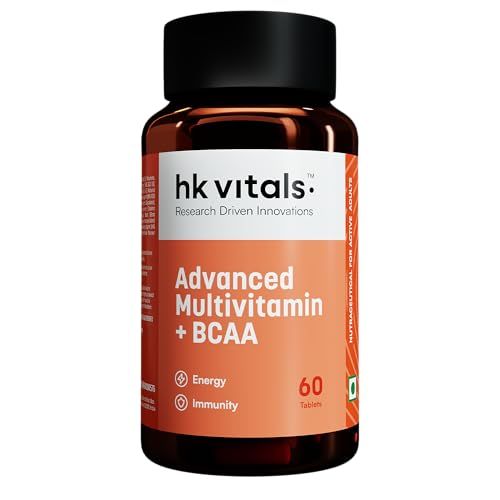
HealthKart Baby Multi Vitamin with Choline & Probiotics
- ✓ Contains 30 mg choline per serving
- ✓ Ages 6 months onwards
- ✓ Includes probiotics and 12 vitamins/minerals
* We earn a small commission — at no extra cost to you.
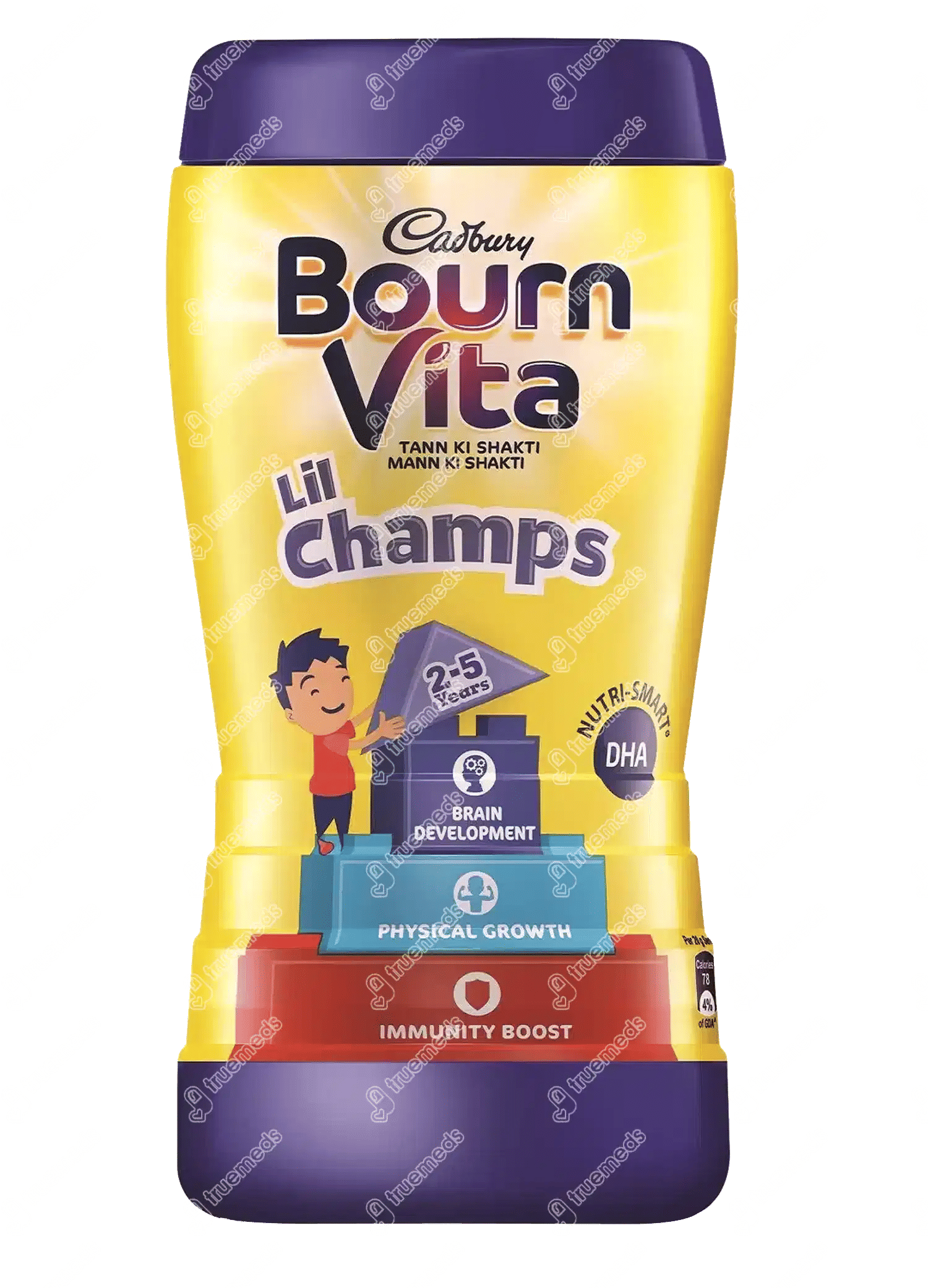
Bournvita Little Champs Powder with Iron, Calcium & Choline
- ✓ Contains choline for brain development
- ✓ Fortified with iron and calcium
- ✓ Recommended from 6 months (with milk)
* We earn a small commission — at no extra cost to you.
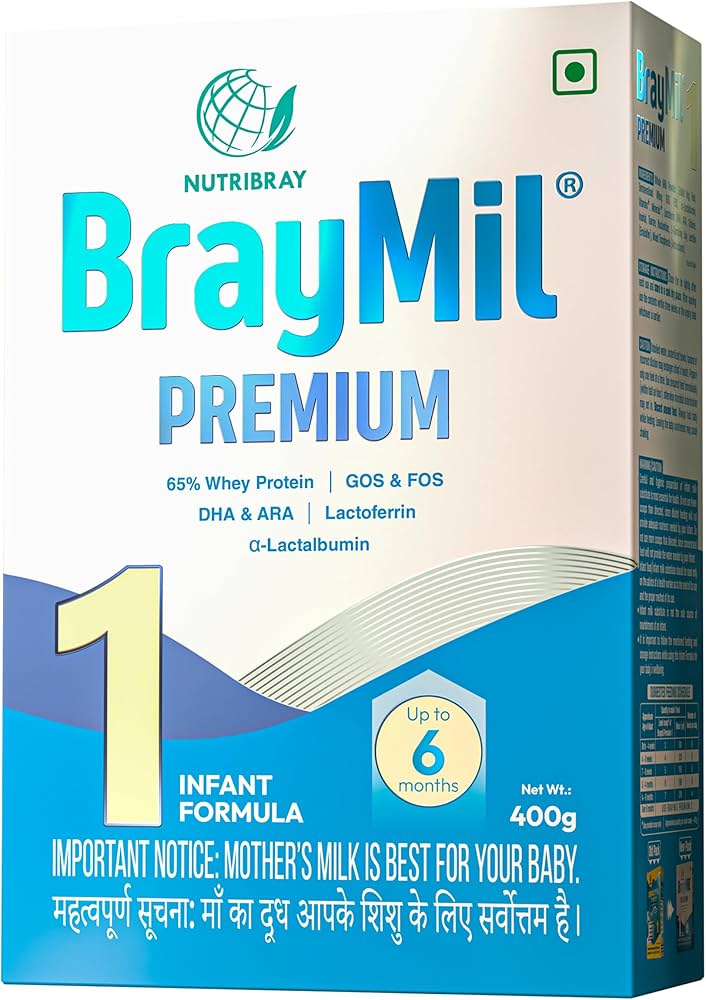
MilkBasedFormula Premium with Choline DHA
- ✓ 50 mg choline per 100ml serving
- ✓ Added DHA for cognitive support
- ✓ Suitable from 6-12 months weaning phase
* We earn a small commission — at no extra cost to you.
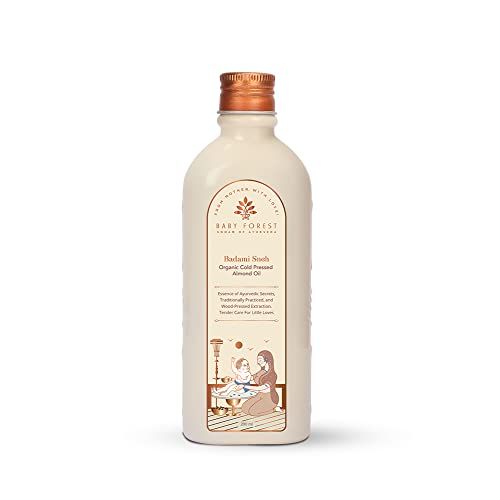
Forest Essentials Organic Ghee for Babies (A2)
- ✓ Pure A2 cow ghee with natural choline
- ✓ Cold-processed, no heating damage
- ✓ Traditional Indian ingredient for brain health
* We earn a small commission — at no extra cost to you.