
Can Babies Sleep With Grandparents Safely? IAP Guidelines & When It's Actually Safe
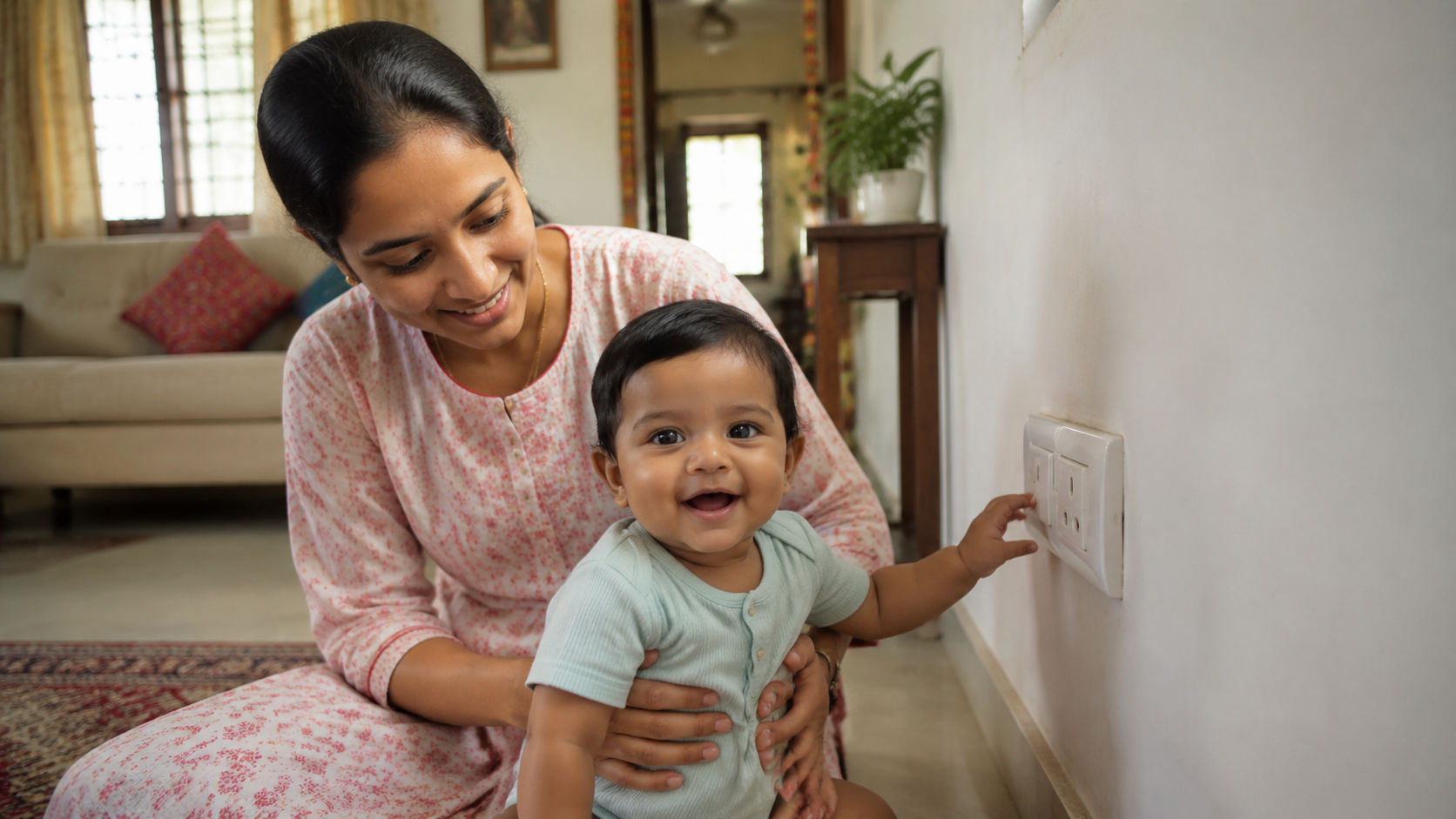
Babies under 12 months are safest sleeping in their own crib in the parents' room. From 12 months onward, room-sharing with grandparents (not bed-sharing) is safer if done with a firm mattress, no pillows or blankets, and the grandparent is alert and medication-free. Bed-sharing with elderly caregivers carries risks including sleep apnea and medication side-effects that reduce responsiveness.
If you're part of a joint family—and honestly, most of us are—the question of whether your baby can safely sleep with dadi, nani, or dadaji isn't just practical; it's emotional. There's comfort in that arrangement, tradition in it, and often necessity. But the safety guidelines have shifted, and what our own parents did with us may not be what paediatricians recommend now. This isn't about judging anyone's choices—it's about understanding the real risks so you can make an informed decision for your home.
What the Evidence Actually Shows
The Indian Academy of Pediatrics (IAP) and WHO have clear positions on infant sleep safety, and they diverge significantly from traditional joint-family practices. Here's what the research tells us:
Room-sharing without bed-sharing is the safest compromise for families where grandparents are primary caregivers. This means the baby sleeps on a separate, firm surface (crib or play yard) in the same room as the grandparent—not in the same bed. IAP guidelines recommend this arrangement until at least 12 months of age, ideally until 2 years.
Before 6 months, a baby's airway is still developing, and their ability to reposition themselves if breathing is compromised is nearly zero. Room-sharing with parents (not grandparents) is the gold standard. If grandparents must be the overnight caregiver, room-sharing on a separate surface is mandatory.
From 6 to 12 months, babies gain better head control and can roll slightly, but SIDS (Sudden Infant Death Syndrome) risk remains elevated. A separate sleep surface—never a shared bed—is non-negotiable. An elderly caregiver's reduced alertness during deep sleep stages becomes a real concern here.
From 12 months onward, the risk profile changes. SIDS becomes less common (though still a concern), and toddlers are more mobile. Room-sharing with grandparents becomes safer, though bed-sharing still carries risks specific to elderly caregivers.
The Elderly Caregiver Safety Checklist
This is where most conversations about "grandparents and babies" miss the point. The issue isn't age—it's specific health factors that affect a grandparent's ability to respond to a baby's needs during sleep. Before bed-sharing with any elderly family member, tick off these five points:
- Sleep apnea status: Does the grandparent have diagnosed or suspected sleep apnea? Even mild cases reduce oxygen saturation during sleep and impair arousal response. If untreated, bed-sharing with an infant is unsafe. Ask directly—many elderly people don't mention it because they don't think it matters.
- Medications and drowsiness: Blood pressure meds, sleep aids, or pain relievers with sedating effects slow reaction time. A grandparent on evening benzodiazepines or opioids cannot safely bed-share with an infant. Check the "may cause drowsiness" label on every medication.
- Hearing ability: If the grandparent uses hearing aids and removes them at night, they won't hear a baby in distress. Room-sharing is safer than bed-sharing in this case.
- Mobility and strength: Can the grandparent safely lift, support, and reposition a baby? Arthritis or balance issues increase the risk of accidental crushing or dropping during sleep transitions.
- Alertness during deep sleep: Some elderly people enter very deep sleep cycles and are difficult to wake. This is harder to assess, but ask: "Do you often sleep through alarms or calls from family?" Consistent yes = bed-sharing with an infant is too risky.
Mattress Firmness, Pillows & Blankets: The Non-Negotiables
If the grandparent's bedroom is where the baby sleeps, the surface matters enormously. A firm mattress—not a soft memory foam or feather topper—reduces the risk of facial suffocation if the baby rolls into it. The mattress should be taut, level, and fit snugly in the crib with no gaps.
No pillows in the sleep space until age 2, minimum. None. Not even a thin one. The risk of the baby's face becoming lodged in or against a pillow is too high. The grandparent can use a pillow for their own head, but not near the baby.
No blankets or quilts covering the baby. IAP guidelines recommend a wearable sleep sack or a light cotton sheet tucked low under the mattress only. Heavy blankets increase suffocation risk and overheating.
Room temperature should be 20–24°C (68–75°F). Elderly people often prefer warmer rooms, so this is a conversation to have. A room that feels comfortable to a 70-year-old may be too warm for a sleeping infant.
Room-Sharing vs Bed-Sharing: What Actually Works
In most joint-family homes, room-sharing is the practical middle ground. The baby sleeps in a crib or bassinet; the grandparent sleeps in their own bed nearby. This gives the grandparent peace of mind (they can hear and reach the baby quickly) and the baby the safest sleep environment.
Bed-sharing with a grandparent introduces variables you can't fully control: positioning during sleep, the grandparent's arousal threshold, accidental rolling toward the baby. The younger the baby, the riskier this becomes. A 3-month-old bed-sharing with a 75-year-old on blood pressure medication is at higher risk than a 16-month-old room-sharing with the same grandparent.
If your family arrangement requires bed-sharing with grandparents, the absolute minimum safety net is: baby over 12 months, grandparent fully alert and medication-checked, firm mattress, no pillows or blankets, room temperature moderate, and the baby dressed warmly enough that blankets aren't "needed."
What Paediatricians Say
IAP recommends room-sharing without bed-sharing as the safest infant sleep arrangement, especially with non-parental caregivers. A 2023 AIIMS study found that elderly caregivers with untreated sleep apnea were three times more likely to experience a sleep-related incident with a co-sleeping infant. Always screen for medication use and sleep disorders before overnight childcare begins.
The Practical Reality: When It Works, When It Doesn't
Let's be honest: many Indian families rely on grandparents for overnight childcare, and it's often the most loving, most trusted arrangement. The goal here isn't to shame anyone into an unsafe situation (like an isolated parent burning out)—it's to reduce risk within the reality of your home.
Room-sharing with grandparents works well when the baby is older (12+ months), the grandparent is healthy and medication-free, the baby has a separate firm sleep surface, and communication is clear (grandparent knows what normal baby sounds are vs what needs response). Bed-sharing works only if all five checklist items above pass. When in doubt, room-sharing is always the safer choice.
Our Top Picks
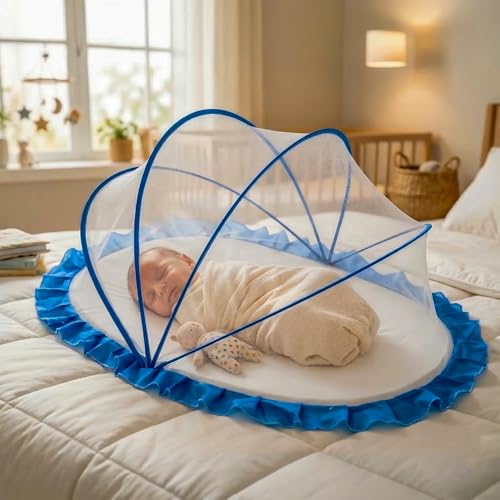
Mee Mee Portable Baby Bassinet with Mosquito Net
- ✓ Lightweight and portable for moving between rooms
- ✓ Firm sleep surface suitable for room-sharing
- ✓ Breathable mesh sides for visibility and airflow
* We earn a small commission — at no extra cost to you.
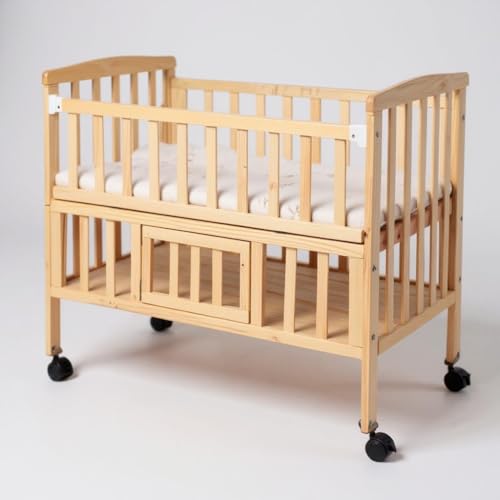
Babyhug Wooden Bedside Crib with Wheels
- ✓ Attaches to adult bed or stands independently for room-sharing
- ✓ Firm mattress surface with breathable design
- ✓ Height-adjustable to match adult bed height
* We earn a small commission — at no extra cost to you.

LuvLap Cotton Baby Sleep Sack (Pack of 2)
- ✓ Replaces blankets to reduce suffocation risk
- ✓ 100% cotton for breathability
- ✓ Available in 0-6 months and 6-12 months sizes
* We earn a small commission — at no extra cost to you.