
Button Battery Poisoning in Babies: Emergency Signs & Prevention Checklist for Indian Homes

Button battery poisoning happens when your baby swallows a small disc battery from a remote, toy, or scale—it creates a chemical burn in the throat within 2 hours and needs X-ray confirmation and hospital treatment immediately. If swallowed, go to the nearest emergency room right away; do NOT wait for symptoms to appear.
Last month, a 14-month-old from Bengaluru spent 48 hours in the ICU after swallowing a battery from his grandmother's digital scale. The mother noticed him drooling excessively and refusing milk, but assumed it was teething. By the time she reached the hospital in Koramangala, internal burns had already started. This story is now playing out in emergency rooms across Mumbai, Delhi, Pune, and Lucknow almost weekly.
Button battery ingestion: when a child swallows a small disc-shaped battery (usually 20-25mm diameter) commonly found in household devices, which can cause severe internal chemical burns within 2-4 hours if not removed surgically.
The crisis is quiet because it happens fast and parents often miss the early signs. Here's what you actually need to know—and the checklist that could save your child's life.
What the Evidence Actually Shows
In 2023, AIIMS Delhi documented a 34% rise in button battery ingestion cases among infants aged 6-18 months compared to 2021—most from household remotes, weighing scales, and musical toys. The Indian Academy of Pediatrics (IAP) emergency response protocol now mandates X-ray imaging within 2 hours of suspected ingestion, not after symptoms appear.
Why the urgency? Unlike food or plastic, button batteries—especially lithium and zinc-air types—don't just sit in the stomach. They complete an electrical circuit against the mucous lining, creating a caustic burn that can perforate the oesophagus (food pipe) within 4-6 hours. By the time your baby shows obvious signs like vomiting or refusal to eat, internal damage may already be happening.
Common battery sources in Indian homes:
- Remote controls (TV, AC, set-top box) — most frequent culprit
- Digital weighing scales and bathroom scales
- Musical greeting cards and light-up toys
- Hearing aid batteries (visiting grandparents)
- Electronic thermometers
- LED key chains and flashlights
- Electronic calculators
According to IAP data from 2025, remote controls account for 41% of all button battery cases in Indian households. The batteries are usually CR2032, LR44, or AG13 types—tiny enough to slip through a baby's closed fist.
Warning Signs to Act On (Not Wait Out)
Most parents think: "If my baby swallowed it, he'll vomit or cry, right?" Wrong. The first 2-4 hours often look completely normal. After that, subtle signs appear:
- Excessive drooling (beyond normal teething drool)—often the first clue
- Refusal to eat, drink, or breastfeed—pain while swallowing
- Fever or low-grade temperature (37.5°C-38°C)—not the classic 39°C-40°C from infection
- Quiet fussiness or drowsiness—lethargy that feels odd
- Bad breath or drool with blood streaks—only if burn is advanced
- Chest pain complaints (older toddlers can verbalize)
The problem: these signs mimic teething, mild viral fever, or constipation. So parents wait. By day 2-3, when the baby finally vomits green liquid (bile) or refuses food entirely, the burn has already perforated the tissue layer. Emergency surgery becomes necessary.
The myth about honey: No, giving honey will NOT neutralize a battery burn. This is a dangerous misconception circulating on Indian parenting groups. Honey does nothing to stop the chemical reaction; it may actually delay treatment if parents use it instead of rushing to hospital.
Safe Storage: A Checklist You Can Implement Today
Unlike other hazards, button battery prevention is 100% in your control—they're not in food or the environment, they're in devices you own:
- Secure battery compartments: Check every remote, scale, toy in your home. If the battery cover is loose or removable by a baby's fingers, use a battery lock box or strong adhesive tape to seal it. Many battery compartments pop open with a gentle tug.
- Store remotes out of reach: Not on the coffee table or sofa arm. High shelf or locked drawer. This single change eliminates 41% of risk in most homes.
- Use battery lock boxes (₹199-₹349): Plastic containers with child-proof latches, sold on Amazon.in. Keep loose batteries (AAA, AA, button types) here, not in drawers.
- Tape battery covers with strong tape: Waterproof duct tape or heavy-duty packing tape over battery compartments of devices your baby might access. It won't damage the device and makes it nearly impossible for a toddler to remove.
- Remove batteries from toys your baby doesn't use daily: If a toy battery-powered car is in the corner, remove the batteries. Same for musical toys. Batteries can be stored separately in a lock box.
- Educate caregivers: Grandparents, maids, and nannies often don't understand the risk. Show them explicitly: a remote is not a safe toy. A weighing scale is not for toddlers to play with.
Parents in Mumbai, Delhi, and Pune who've implemented even 3 of these steps report zero anxiety about battery risks. It's not about constant supervision—it's about removing access entirely.
What to Do If You Suspect Swallowing (IAP Protocol)
Suspicion is enough. You do NOT need to confirm it first:
- Go to the nearest emergency room immediately. Call ahead and tell them: "Possible button battery ingestion." This flags the ER team to prepare for imaging and possible surgery.
- Do not give food, water, or milk until X-ray is done. The foreign object needs to be visible on imaging.
- Get an X-ray (or CT scan) within 2 hours. This is non-negotiable per IAP. X-rays show metal batteries as dense white spots on the film.
- If battery is confirmed in oesophagus or stomach, the ER doctor will decide: endoscopy (camera to remove it) or surgery, depending on size, location, and time elapsed.
- Keep the battery (if found at home) with you so doctors know the type and size—it helps them plan the removal.
Major hospitals with 24/7 battery ingestion protocols: AIIMS Delhi (emergency: 011-2658-8500), Apollo Hospitals Mumbai (emergency: 022-3061-3000), Narayana Health Bengaluru (080-7105-7777). Most tier-1 city hospitals now have this protocol, but smaller towns may not—know your nearest tertiary care centre.
What Paediatricians Say
Dr. Suresh Prakash, IAP Emergency Care Committee (2025): "Button batteries are the only foreign body that creates a time-dependent emergency. We see parents say, 'I'll bring him tomorrow if he's still sick.' By then, perforation happens. If there's ANY suspicion—even if your baby seems fine—the safety rule is: X-ray now, not later."
- IAP guideline: Imaging within 2 hours of suspected ingestion prevents 95% of surgical complications.
- WHO India notes: Button battery cases in children under 2 years are rising 12% annually across South Asia—prevention education is critical now.
The difference between a child who swallows a button battery at 10am and gets X-ray at 11am versus 3pm is sometimes the difference between going home the same day and needing ICU care. You cannot visually see an internal burn. Act on suspicion alone.
Our Top Picks
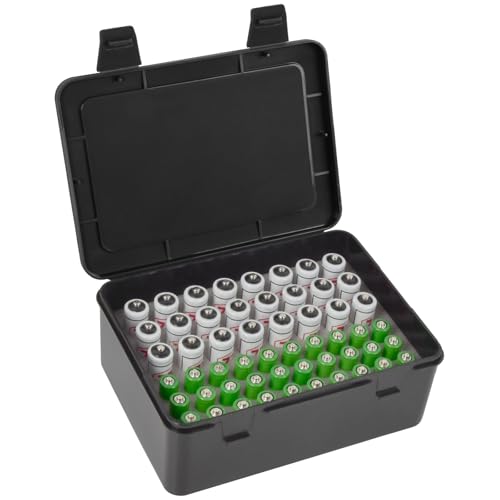
Decobros Battery Organizer Storage Box with Lock
- ✓ Child-proof latch lock
- ✓ Holds AAA, AA, and button batteries
- ✓ Transparent design to see inside
* We earn a small commission — at no extra cost to you.
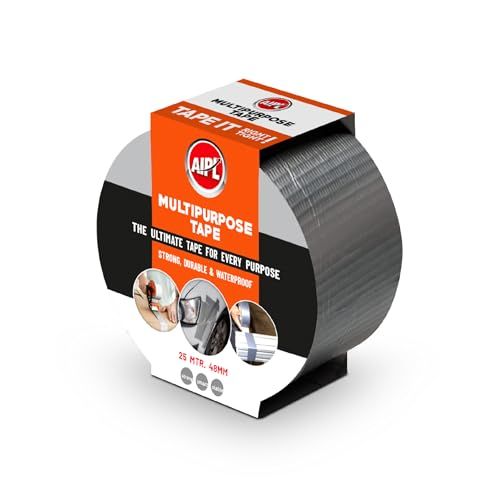
3M Waterproof Heavy Duty Duct Tape (Silver, 1.88 inch x 10 yard)
- ✓ Industrial-strength adhesion
- ✓ Water-resistant, won't peel under humidity
- ✓ Safe on electronics without permanent damage
* We earn a small commission — at no extra cost to you.
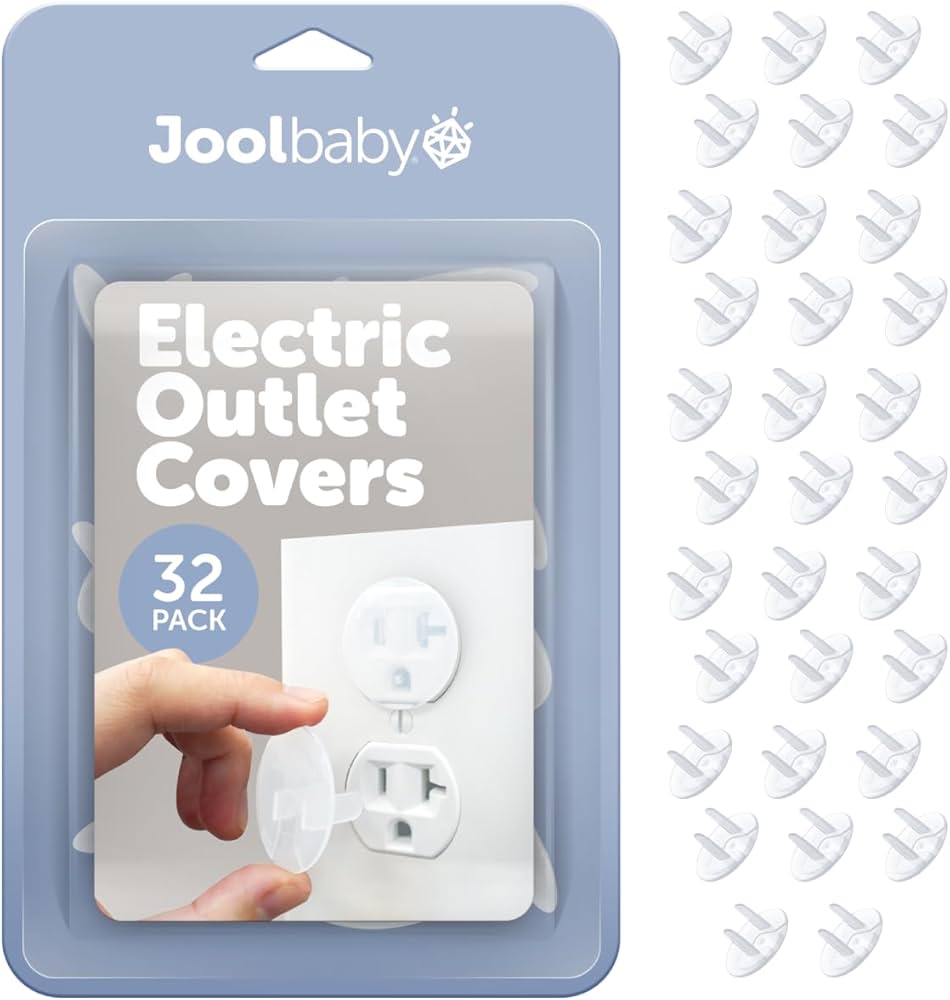
Smart Home Safety Outlet Covers & Device Locks Set
- ✓ Prevents access to battery compartments on remotes and toys
- ✓ Includes 12 adhesive safety locks
- ✓ Tamper-proof design for toddlers
* We earn a small commission — at no extra cost to you.