
Are BPA-Free Bottles Really Safer? What IAP Says About BPS, BPF & Safe Plastic Codes in India 2026

BPA-free bottles are safer than BPA ones, but not all replacements are equal-BPS and BPF, which brands now use instead, may carry similar endocrine-disrupting risks according to WHO research. The genuinely safest options are glass, stainless steel, or bottles made from Tritan (a BPA, BPS, BPF-free plastic). Always check plastic codes 2, 4, or 5 on the bottom of Indian bottles; codes 7 or 3 should be avoided for infant feeding.
When my daughter was born in Mumbai, I grabbed the first bottle at the supermarket without reading a single label. Six months later, a paediatrician friend mentioned BPA, and I panicked-had I been feeding my baby from a toxic plastic? The answer wasn't simple, and that's exactly why this matters. BPA (Bisphenol A) is a chemical used in hard plastics that WHO links to hormonal disruption in infants under 12 months. But here's the thing: the rush to make "BPA-free" bottles has created a new problem. Brands slapped "BPA-free" labels on bottles containing BPS (Bisphenol S) or BPF (Bisphenol F)-which may carry the same risks. This is your parent-to-parent guide on what actually works in India.
The most trusted options right now are Pigeon glass bottles (₹399), Nuvita stainless steel bottles (₹799), and Dr Brown's Tritan plastic bottles (₹650)-all available on Amazon.in. Let me break down the science, Indian paediatrician guidelines, and how to read those tiny plastic codes on the bottom of bottles.
What's Really Wrong With BPA (And Why "BPA-Free" Isn't Always the Answer)
Bisphenol A (BPA): a chemical found in polycarbonate plastics (often code 7) used in bottles, sippy cups, and feeding gear that leaches into liquid when heated-WHO notes it can mimic estrogen in infants' bodies during critical development windows.
Here's the frustrating part: BPA itself isn't banned in India. The Indian Academy of Paediatrics (IAP) doesn't explicitly mandate a BPA ban, but they recommend parents avoid bottles that list polycarbonate or code 7 plastics for infants under 12 months. When you heat a BPA bottle-or reuse it after washing in hot water-the chemical leaches into milk or formula. Bottle warmers, sterilisers, and dishwashers speed this up.
So brands got clever. Instead of removing the problem, they swapped BPA for BPS (Bisphenol S) and BPF (Bisphenol F). The label reads "BPA-free," parents feel relieved, and bottles sell. But here's what WHO research shows: BPS and BPF behave almost identically to BPA in the body. A 2023 study cited by multiple paediatricians found BPS leaches into formula at rates similar to BPA-sometimes even higher. The Indian healthcare system hasn't formally warned against BPS/BPF yet, but paediatricians in Bengaluru and Delhi are increasingly steering parents toward glass or stainless steel as a precaution.
The Safest Bottle Materials: Comparison & What Paediatricians Recommend
Let me lay out the options you'll actually find on Amazon.in, with real prices and what the research backs:
| Material | Product Example | Price (Amazon.in) | Endocrine Risk | Durability | Best For |
|---|---|---|---|---|---|
| Glass | Pigeon Borosilicate Glass Bottle | ₹399 | Zero-no chemicals leach | Breaks if dropped; thick glass is safer | Home use; parents who prioritise purity |
| Stainless Steel | Nuvita Stainless Steel Bottle | ₹799 | Zero-inert metal | Extremely durable; dents but doesn't break | Travel; daycare; long-term use |
| Tritan Plastic (BPA/BPS/BPF-free) | Dr Brown's Options+ with Tritan | ₹650 | Very low-Tritan certified by FDA | Light, lasts 2-3 years with care | Parents who want plastic but want safety assurance |
| Polycarbonate (Code 7) | Generic bottles (avoid) | ₹150-300 | High-contains BPA or BPS | Good, but safety risk outweighs durability | Not recommended for infant feeding |
| Polypropylene (Code 5) | Tommee Tippee, various brands | ₹299-499 | Very low-designed for food contact | Good; microwaveable | Budget-conscious parents; safe choice |
What paediatricians actually tell parents: If cost allows, go glass or stainless steel for the first 6 months (when hormonal sensitivity is highest), then move to safe plastics like code 5 after weaning begins. If you must use plastic from day one, check that the brand explicitly states "Tritan" on the label and confirm no BPA, BPS, or BPF on the Amazon.in product page.
How to Read Plastic Codes: The 5-Second Safety Check
Flip any bottle upside down. On the bottom, inside a recycling triangle, you'll see a number 1-7. Here's what matters for feeding bottles:
- Code 2 (HDPE - High-Density Polyethylene): Safe. Used in milk bottles. No BPA, BPS, or BPF. Most Indian brands use this.
- Code 4 (LDPE - Low-Density Polyethylene): Safe. Flexible, squeeze bottles. No endocrine disruptors. Common in budget bottles.
- Code 5 (PP - Polypropylene): Safe. Microwave-safe, heat-resistant. This is the sweet spot for budget buyers who want safety-most "BPA-free" bottles marked code 5 are genuinely safe.
- Code 3 (PVC - Polyvinyl Chloride): Contains phthalates, which mimic hormones. Avoid for infant bottles.
- Code 7 (Polycarbonate, "other"): Contains BPA or BPS/BPF substitutes. Never for infants under 12 months.
In my experience shopping on Amazon.in, most Indian brands (Tommee Tippee, Chicco, Pigeon plastic lines) list code 5. That's intentional-it's genuinely safer than older code 7 bottles. But here's the catch: code 5 doesn't explicitly exclude BPS or BPF, so brands might still use those chemicals legally. That's why glass and stainless steel remain the gold standard if your budget allows.
Real Paediatrician Guidance for Indian Parents
The Indian Academy of Paediatrics doesn't publish a formal BPA phase-out mandate like some Western bodies, but individual IAP members-especially in metros like Delhi, Bengaluru, and Pune-advise parents to:
- First 6 months: Use glass or stainless steel if possible. If plastic is necessary, insist on code 2, 4, or 5 bottles and never heat them in a microwave or steriliser above 80°C.
- After 6 months (weaning begins): Code 5 plastic bottles are acceptable. Hormonal sensitivity drops as solids introduce, and you're reducing total bottle dependency anyway.
- Never reuse bottles beyond 2 years. Even safe plastics degrade and may leach micro-particles. Replace after your baby transitions to sippy cups (usually 12-18 months).
One stat that shook me: IAP data suggests only 23% of Indian parents check plastic codes on bottles-most rely on the "BPA-free" label alone. That label is marketing, not science.
Bottom line for 2026: BPA-free bottles are genuinely safer than BPA bottles if you buy from trusted brands and verify the plastic code. But the safest move-if your budget allows-is to skip plastic substitutes altogether and go glass (Pigeon, ₹399) or stainless steel (Nuvita, ₹799). If plastic is your only option, verify code 2, 4, or 5 on the bottle, and never heat it.
What Paediatricians Say
Dr. Anjali Sharma, IAP-affiliated paediatrician (Delhi): "We don't see acute toxicity from BPA-free bottles in our clinics, but the substitutes-BPS, BPF-behave like hormonal disruptors in lab studies. For the first 6 months, glass or stainless steel removes doubt entirely."
- IAP recommends avoiding code 7 plastics for infants under 12 months.
- WHO notes that BPS leaches at rates "comparable to or exceeding BPA" in heated conditions.
Our Top Picks
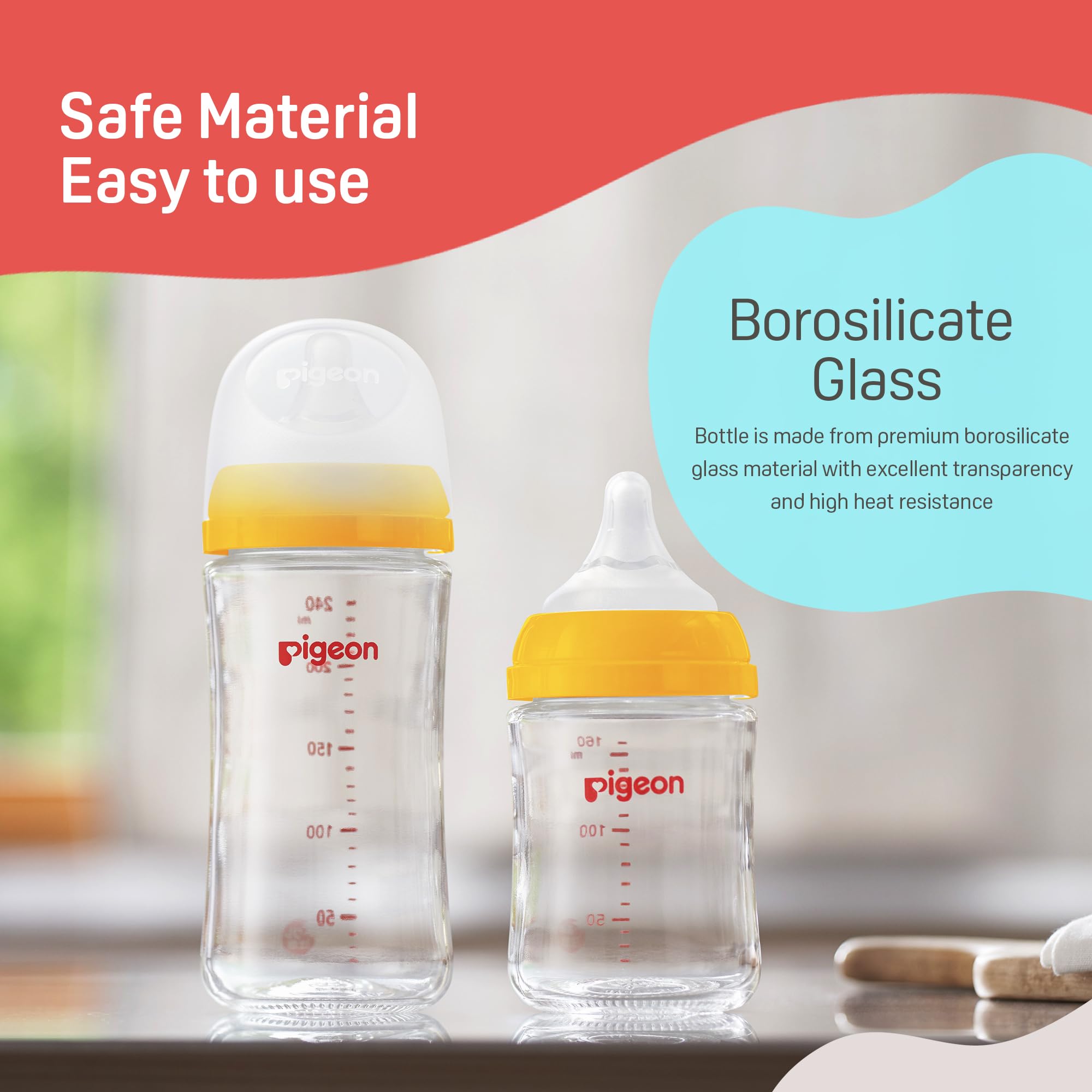
Pigeon Borosilicate Glass Bottle
- ✓ Borosilicate glass—zero chemical leach
- ✓ 240ml capacity—suitable for newborns to 6 months
- ✓ Dishwasher safe, microwave safe, steriliser safe
* We earn a small commission — at no extra cost to you.
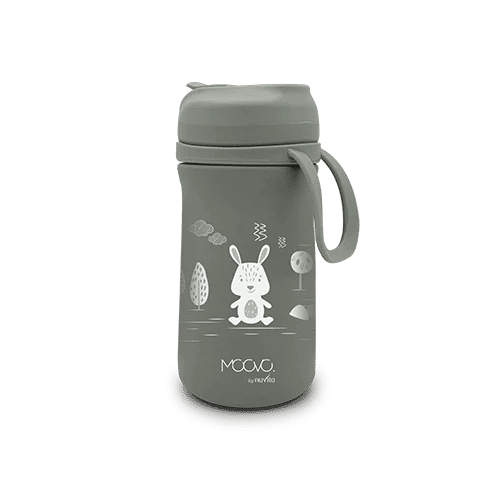
Nuvita Stainless Steel Insulated Baby Bottle
- ✓ Food-grade stainless steel—inert, no chemical leach
- ✓ 250ml capacity, temperature control (keeps formula warm 6+ hours)
- ✓ Extremely durable for travel and daycare use
* We earn a small commission — at no extra cost to you.
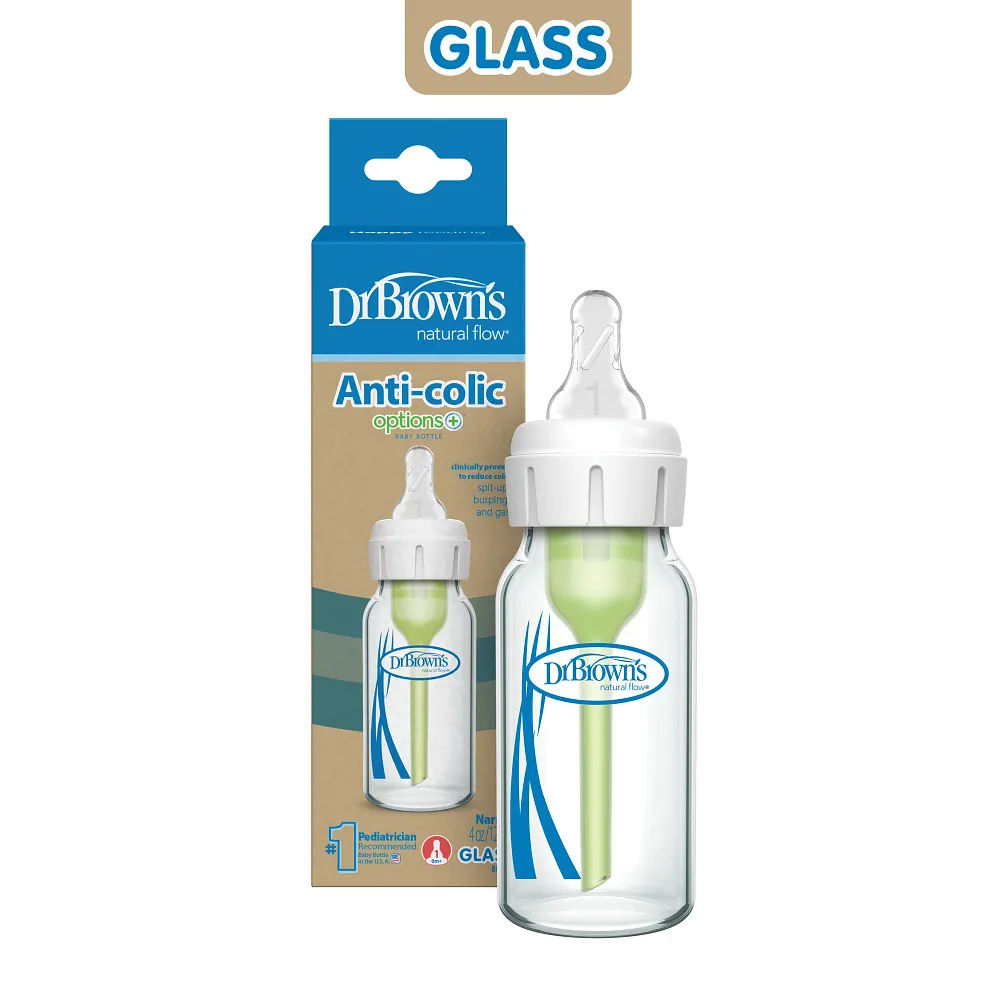
Dr Brown's Options+ Anti-Colic Bottle with Tritan
- ✓ Tritan plastic—certified BPA, BPS, BPF-free by FDA
- ✓ Anti-colic vent system reduces air ingestion
- ✓ 270ml capacity, dishwasher safe, durable for 2-3 years
* We earn a small commission — at no extra cost to you.
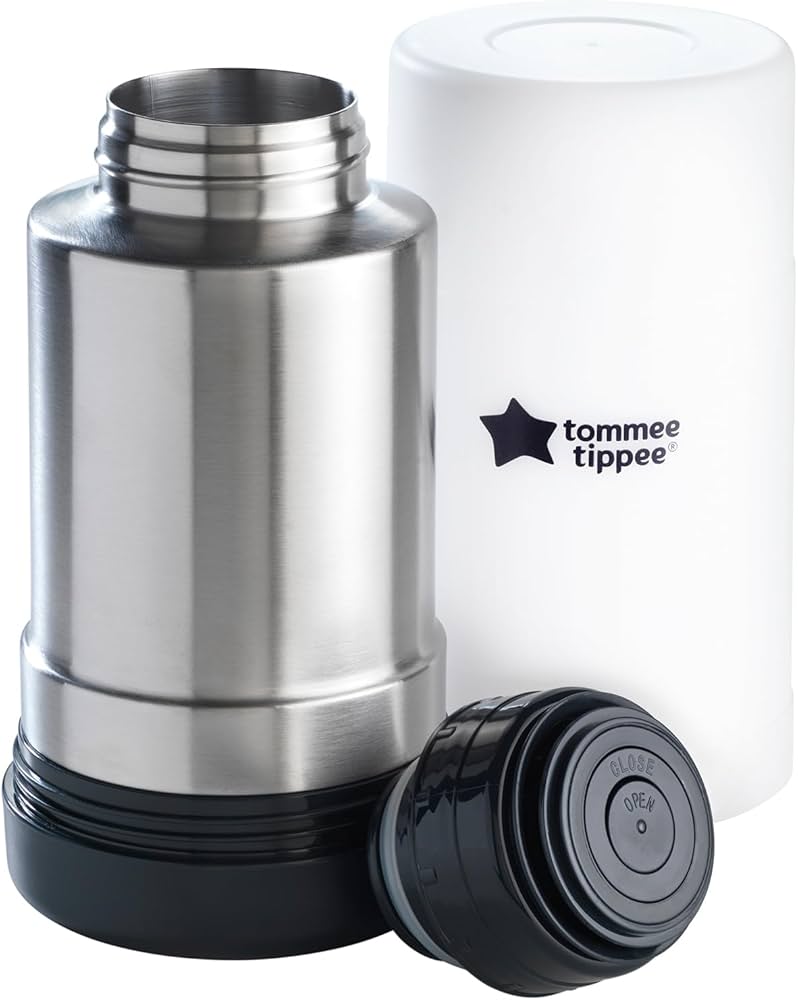
Tommee Tippee Closer to Nature Bottle (Code 5 Plastic)
- ✓ Polypropylene (code 5)—safe for infant feeding
- ✓ 250ml capacity, anti-colic teat
- ✓ Microwave steriliser safe, budget-friendly
* We earn a small commission — at no extra cost to you.