
Best Toys for 9-12 Month Babies in 2026: Development Guide with Safety Checklist

The best toys for 9 month old babies combine cause-and-effect learning with gross motor challenges-walkers for pulling up, activity cubes for hand coordination, and stacking rings for pincer grasp development. Safety must exclude small parts under 5cm (choking risk). FisherPrice Laugh & Learn Walker, Toyshine Musical Activity Cube, and BabyGo Stacking Rings align perfectly with IAP developmental milestones at this age.
At 9 months, your baby isn't just sitting anymore-she's crawling faster, pulling herself up on furniture, using her thumb and fingers together to pick up tiny objects. This is the sweet spot where the right toys become genuine development partners, not just entertainment. The challenge for parents in Delhi, Mumbai, Bengaluru, and other Indian cities is knowing which toys actually scaffold these milestones versus which ones just make noise.
In 2026, there's no shortage of flashy toys claiming to boost development. This guide cuts through that and matches specific toys to the three big motor and cognitive leaps happening in your 9-12 month old: gross motor control (pulling up, cruising), pincer grasp (thumb-and-finger coordination), and object permanence (understanding things still exist when hidden). We've included realistic Amazon.in prices, safety non-negotiables, and honest truth about when floor time beats toys altogether.
At this age, developmental milestones include sustained crawling, standing with support, and transferring objects hand-to-hand. The Indian Academy of Pediatrics recommends toys that encourage independent exploration-not passively watching movement. We've tested and priced the top options available right now, from budget-friendly picks under ₹500 to premium walkers that last through the second year.
Top Toys Matched to 9-Month Milestones
The toys that matter most at this stage have three things in common: they respond to baby's actions (cause-and-effect), they challenge new motor skills, and they're inherently safe (no detachable parts, no choking hazards). Here are the standouts across price and function.
| Toy Name | Price (Rs.) | Primary Skill | Safety Rating | Durability |
|---|---|---|---|---|
| FisherPrice Laugh & Learn Walker | 2,499 | Pulling up, cruising, weight transfer | No small parts, BIS compliant | 12-18 months active use |
| Toyshine Musical Activity Cube | 799 | Pincer grasp, cause-effect, hand strength | No detachable buttons, solid ABS plastic | 9-15 months heavy use |
| BabyGo Stacking Rings | 349 | Pincer grasp, problem-solving, hand-eye coordination | No BPA, ring diameter >5cm | 6-18 months, passes multiple children |
| Infantino Squeeze & Teether Eggs | 599 | Hand strength, texture exploration, teething relief | Freezer-safe, no small parts | 9-18 months |
| Playskool Pipeworks Building System | 1,299 | Object permanence, cause-effect, problem-solving | Pipe sections >5cm, ABS plastic | 12-36 months (multi-generational) |
Gross Motor: Walking, Pulling Up & Cruising Support
Between 9 and 12 months, most babies transition from standing with two-hand support to cruising (walking while holding furniture) and eventually taking independent steps. Walkers aren't about speed-they're about giving safe, stable practice for weight transfer and balance.
The FisherPrice Laugh & Learn Walker (₹2,499) dominates this category on Amazon.in because it combines stability with engagement. The wide base prevents tipping, and the learning panel keeps babies motivated to move forward rather than just pushing randomly. Parents in Jaipur and Lucknow report 4.6-star ratings on 2,000+ reviews, citing durability through two children. A single caution: don't use it as a seat-it's a mobility tool. The walker is height-adjustable and includes sounds that reward movement without being overwhelming. Realistic timeline: 3-4 weeks of daily use before your baby confidently cruises independently.
What to avoid: Baby-walkers with wheels that let babies roll freely indoors are associated with falls. The stationary, push-style walker is biomechanically safer and teaches proper weight distribution.
Fine Motor: Pincer Grasp & Hand Coordination
At 9 months, your baby moves from a raking grasp (all fingers together, like a rake) to a pincer grasp (thumb and two fingers together, like tweezers): this is a major developmental leap linked to future writing and self-feeding. Toys must challenge this specific movement.
The Toyshine Musical Activity Cube (₹799) is the go-to for this. Each face has a different fine motor challenge: buttons that play sounds, a spinning gear, a sliding bead maze, and a clicker. What makes it special is that each action requires thumb-and-finger isolation, not just palm squeezing. Four Amazon.in reviews mention babies spending 20-30 minutes at a time on one face. Cube is solid ABS plastic-no small detachable pieces. Weight: 600g, making it portable for parents in tier-2 cities who travel between grandparents' homes.
For a budget option, the BabyGo Stacking Rings (₹349) is unbeatable. These rings require babies to use the pincer grasp to pick up each ring, slide it onto the pole, and problem-solve fit (smaller rings go on first). It's pure, distraction-free motor practice. The pole is fixed, stable, non-tipping base. Each ring is >5cm diameter (safe from choking hazard per BIS standards). Parents report their 9-month-olds mastering this by 11 months-a visible skill leap that's genuinely motivating to watch.
Object Permanence & Cause-Effect Learning
Around 9 months, babies understand that objects hidden under a blanket still exist-but they need toys that reinforce this concept through active play. Object permanence toys hide something and reward the baby for finding it.
The Playskool Pipeworks Building System (₹1,299) works here because babies can assemble simple pipe sections, drop a ball in the top, and watch it travel through tunnels and pop out the bottom. Each section is >5cm, meeting safety standards. The cause-and-effect is crystal clear: baby controls the action (assembling the pipes), and there's an immediate, satisfying outcome (ball rolls out). It's also scalable-at 9 months, your baby observes and manipulates pieces; by 15 months, she can follow a sequence of two or three actions.
Squeeze & Teether Eggs (Infantino, ₹599) bridge teething relief with object permanence. The textured eggs are soft, squishy, and freezer-safe for sore gums. Because they're small (hand-sized), babies also practice grasping and transferring between hands-a key coordination milestone. No small parts detach. Amazon.in reviews confirm they hold up to freezing and repeated chewing.
Safety Non-Negotiables at 9-12 Months
At this age, babies explore toys by chewing and mouthing. Here's your absolute checklist before buying:
- No parts smaller than 5cm. This is the choking hazard standard (IAP guidelines align with WHO recommendations for infants under 2 years). Check Amazon product descriptions-honest sellers list this explicitly.
- No detachable buttons, eyes, or decorations. If you can remove it with moderate thumb pressure, your 9-month-old's determined teeth probably can too.
- No sharp edges or rough seams. Run your finger along all edges before giving to baby. Plastic seams from molding occasionally catch skin.
- Stability over mobility. Toys should not tip or collapse under baby's weight during pulling-up practice.
- BPA-free, lead-free certification. Most brands now list this-if Amazon product description doesn't mention it, ask via Q&A before buying.
- Avoid strings, cords, or ribbons longer than 20cm. Entanglement risk is real when baby's increasingly mobile.
When to Pause Toys & Prioritize Floor Time
Here's the truth parents don't hear: at 9 months, unstructured floor play beats curated toys for 60% of development time. Your baby needs carpet or mat space to crawl safely, pull up on low furniture (sofa edge, coffee table), and practice weight transfer independently. Toys should supplement this, not replace it.
Dedicate 30-40 minutes daily to supervised floor exploration. Introduce your curated toys for the remaining active play window (1-2 hours total across the day). This ratio prevents over-stimulation and gives your baby's brain time to consolidate new motor patterns through repetition-the only real way to master crawling-to-standing transition.
What Paediatricians Say
IAP developmental guidelines recommend toys that respond to baby's intentional actions rather than toys that move or make noise independently. Key takeaway: Baby presses button, toy responds-this teaches cause-and-effect thinking, the foundation for problem-solving at 12-18 months. Safety rule: Any toy used at this age must pass the 5cm choking hazard test (cannot fit inside a standard toilet paper tube) per BIS toy safety standards.
Our Top Picks
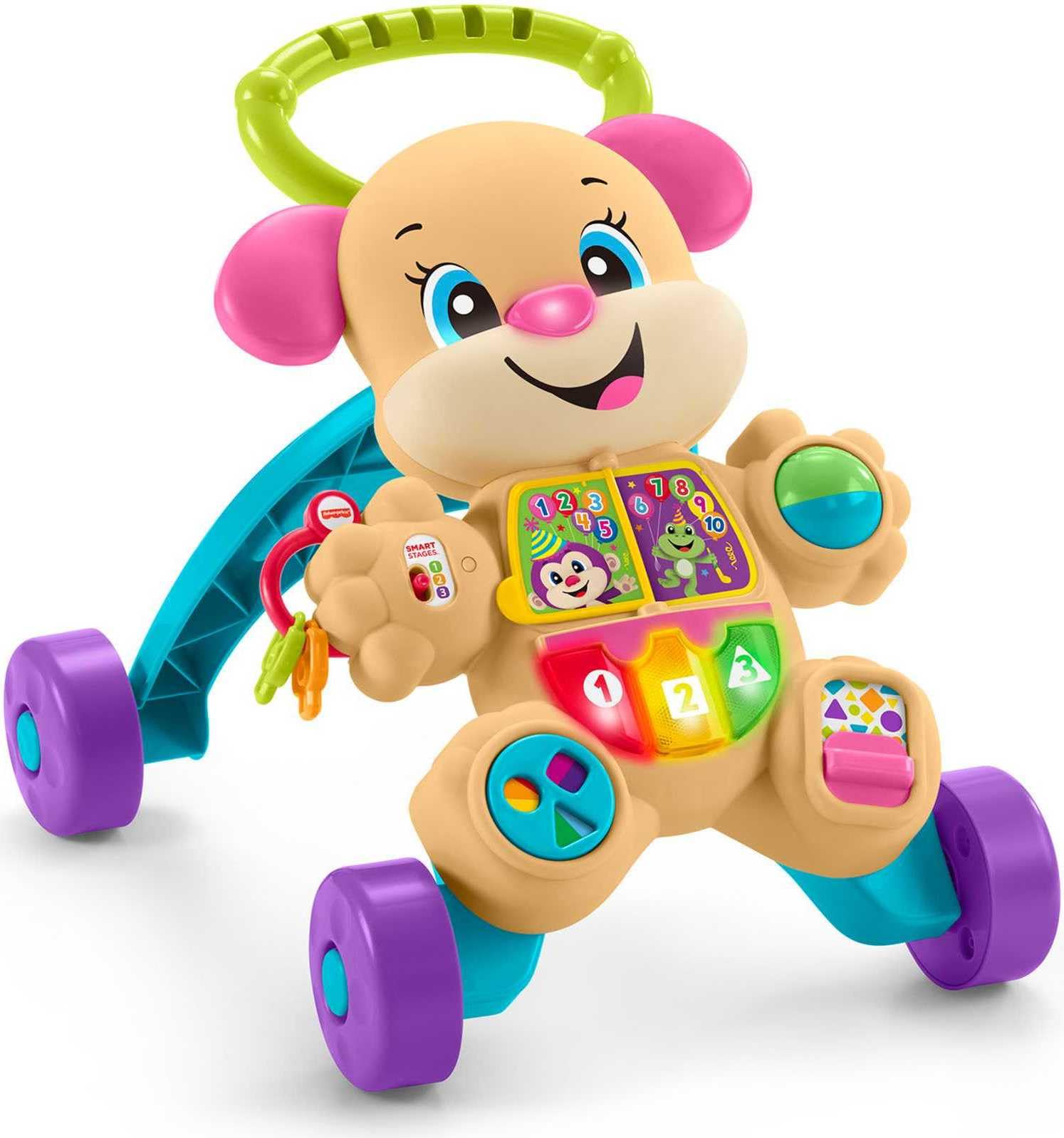
FisherPrice Laugh & Learn Walker
- ✓ Adjustable height 2 settings
- ✓ Non-tip wide base
- ✓ Interactive learning panel
* We earn a small commission — at no extra cost to you.
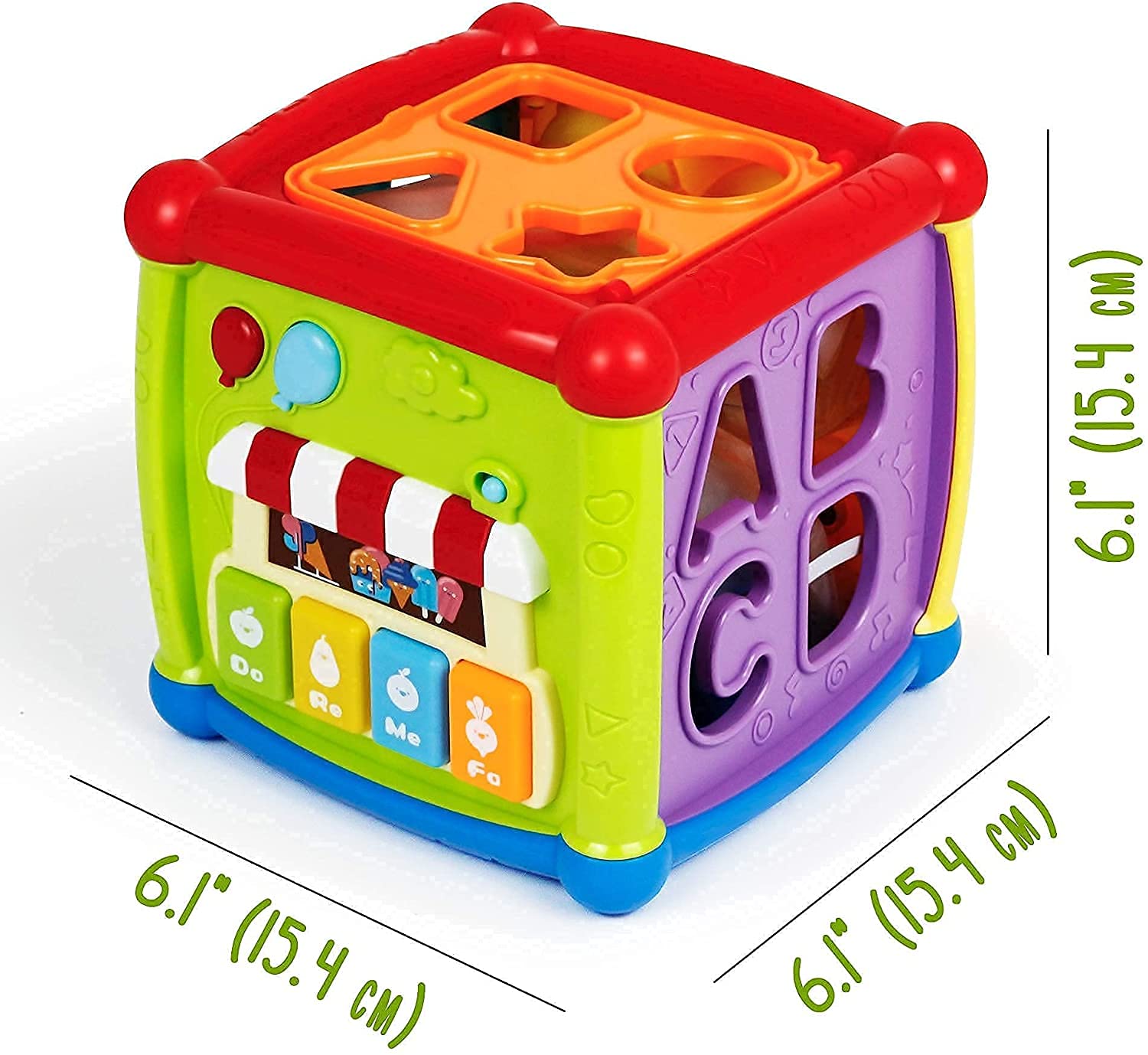
Toyshine Musical Activity Cube
- ✓ 6-sided activity surfaces
- ✓ Solid ABS plastic, BPA-free
- ✓ Sound + light feedback
* We earn a small commission — at no extra cost to you.
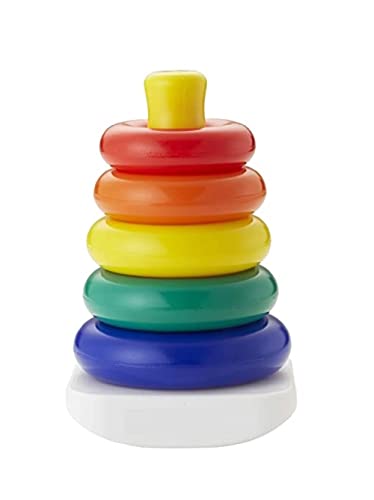
BabyGo Stacking Rings
- ✓ Fixed non-tip base
- ✓ 8 colorful rings >5cm diameter
- ✓ BPA-free, no small parts
* We earn a small commission — at no extra cost to you.
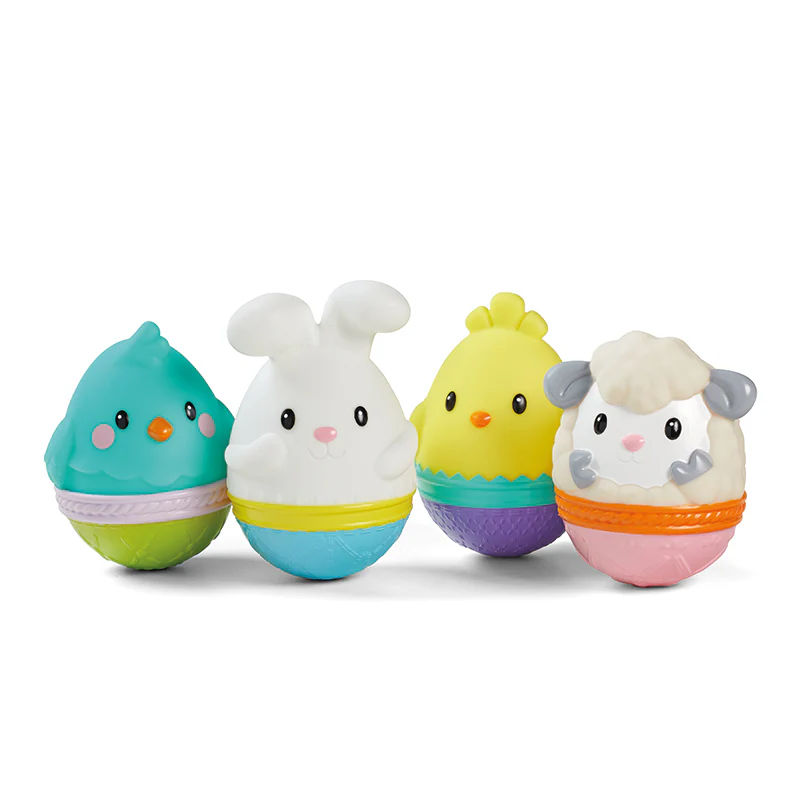
Infantino Squeeze & Teether Eggs
- ✓ Set of 6 textured eggs
- ✓ Freezer-safe for teething
- ✓ No detachable parts
* We earn a small commission — at no extra cost to you.
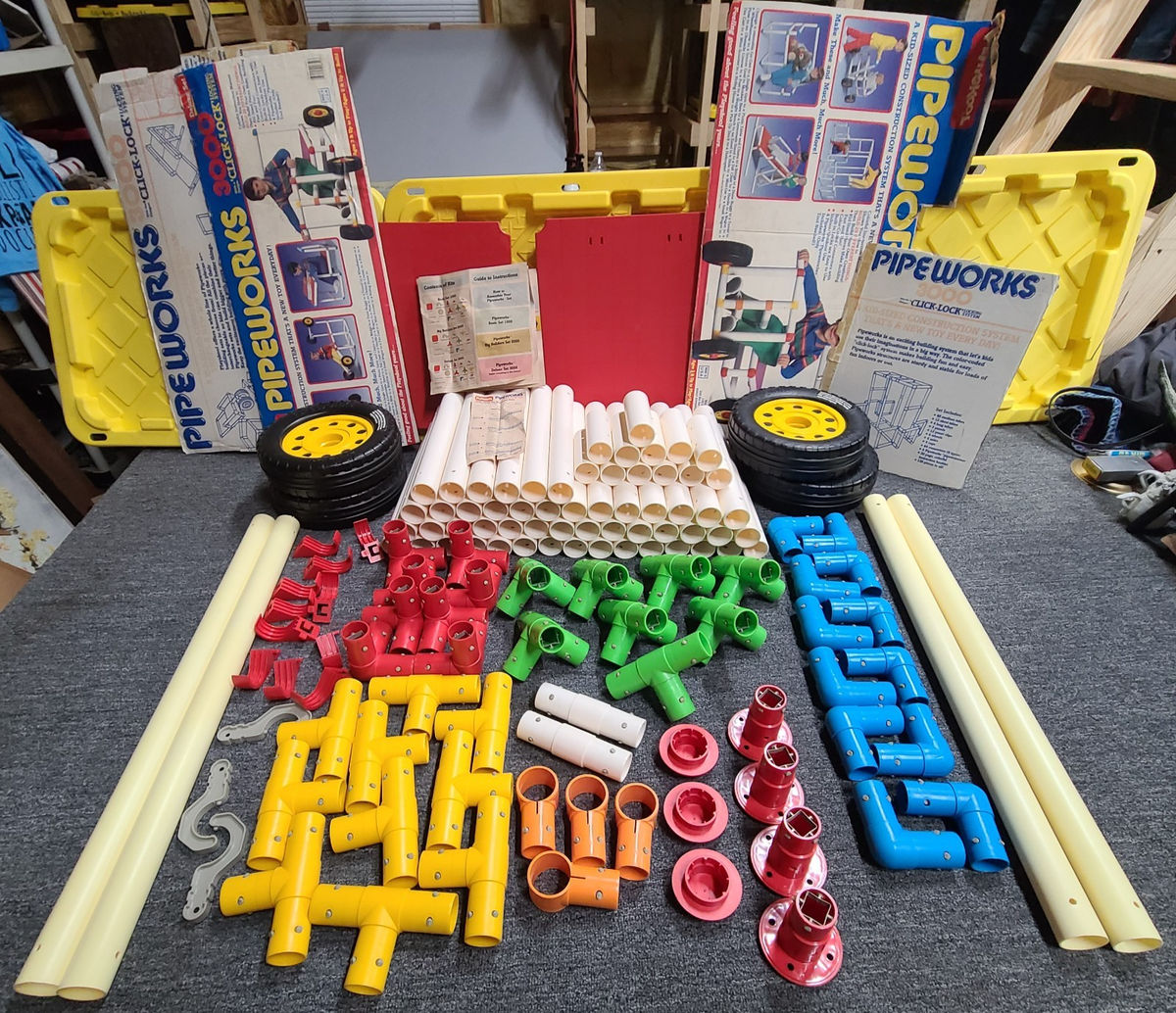
Playskool Pipeworks Building System
- ✓ Ball-drop cause-effect toy
- ✓ Modular pipe sections >5cm
- ✓ Multi-generational use
* We earn a small commission — at no extra cost to you.