Best Toys for 4 Month Old Baby India 2026: Developmental Milestones & Safe Play Guide
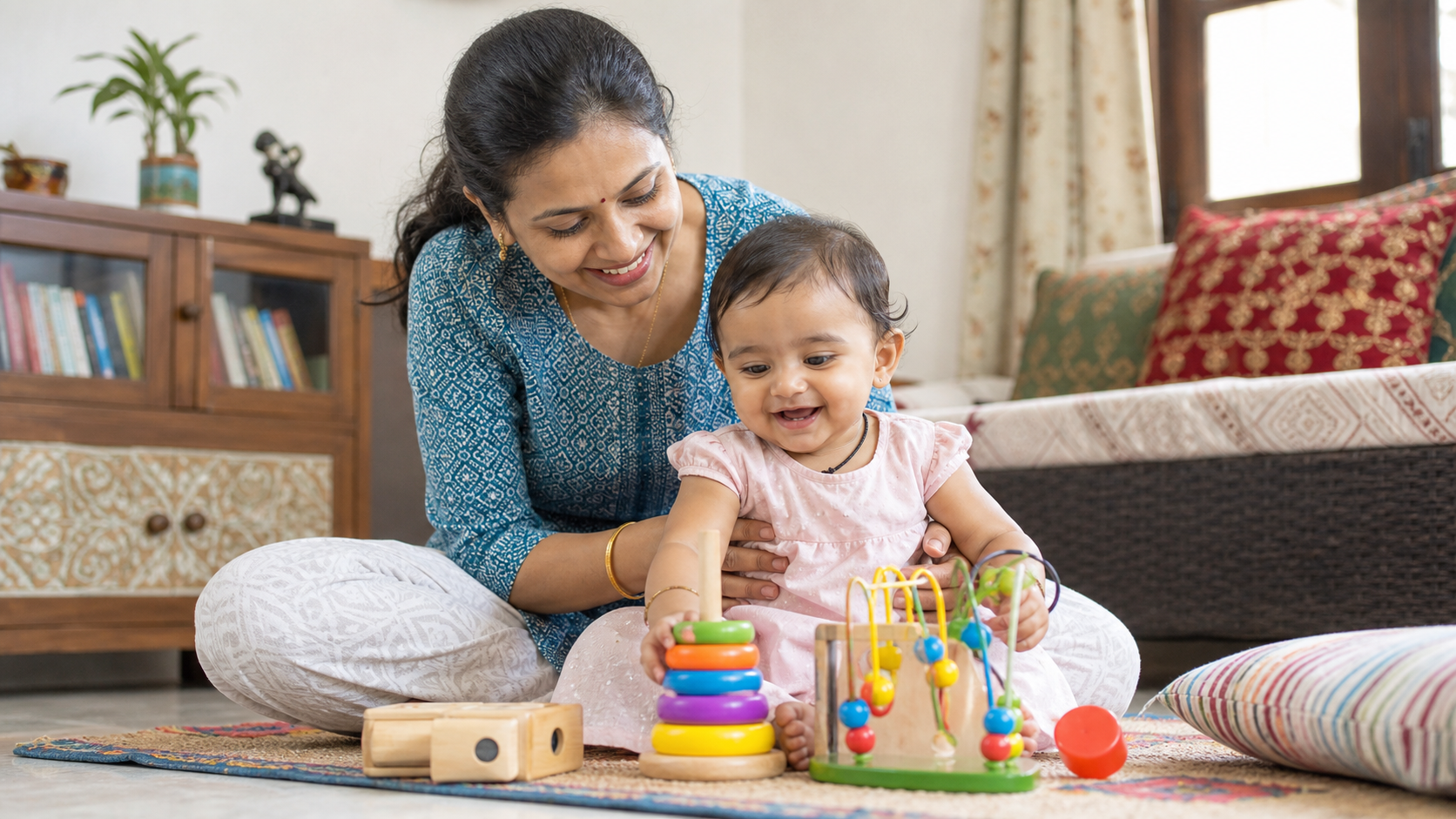
At 4 months, babies develop neck control, reach for objects, and track movement with their eyes. The best toys are high-contrast cards (Rs 250–400), soft rattles (Rs 150–300), and tummy-time mats (Rs 800–1200) that engage these emerging skills without small parts or choking hazards.
Your 4-month-old is hitting some exciting milestones—and play isn't just fun, it's how their brain wires itself. At this age, your baby can hold their head steady for longer, bat at hanging toys, and follow objects across their visual field. But not all toys support this growth equally. Some are too stimulating, others too basic. And safety matters in ways many parents don't realise until they find themselves anxiously checking toy parts.
This guide covers the exact developmental windows at 4 months, which toys actually work, what paediatricians say, and the non-negotiable safety checks before you hit buy on Amazon.in.
4-Month Developmental Milestones: What Your Baby Can Actually Do
Neck and head control: Your baby can now lift their head steadily off the floor during tummy time and hold it upright when seated. This is why toys that encourage looking upward and sideways matter—they strengthen neck muscles. Reaching and grasping: Babies at this age bat intentionally at hanging toys, though their grip is still loose. They're not consciously planning to grab something; it's reflex-based reaching. Visual tracking: Your baby can follow a moving object smoothly with their eyes, especially objects with high contrast (black and white, bold colours). This is also when depth perception starts developing.
According to IAP (Indian Academy of Pediatrics) 2026 developmental guidelines, these three milestones—cervical control, reach-and-grasp reflexes, and visual saccades—are the three pillars of 4-month development. Toys that target all three create the best environment for growth.
The Developmental Toy Checklist for 4-Month-Olds
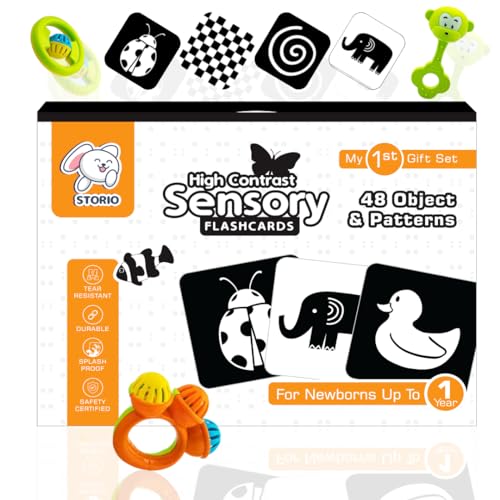
- High-contrast visuals (cards or hanging toys): Black, white, and bold primary colours. Your baby's developing retina responds most strongly to these combinations. Toys like high-contrast cards or black-and-white play mats encourage sustained visual focus and help wire the visual cortex.
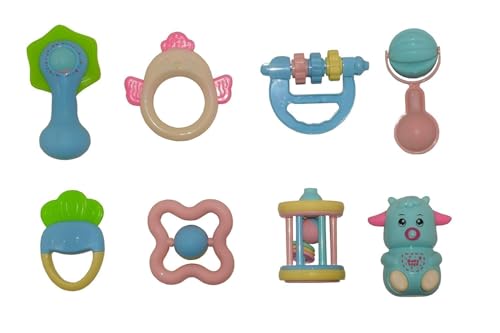
- Lightweight rattles (under 100g): Soft, easy to bat at, and produce gentle sound. Auditory feedback teaches cause-and-effect: I moved my arm, something happened. This is cognitive gold.
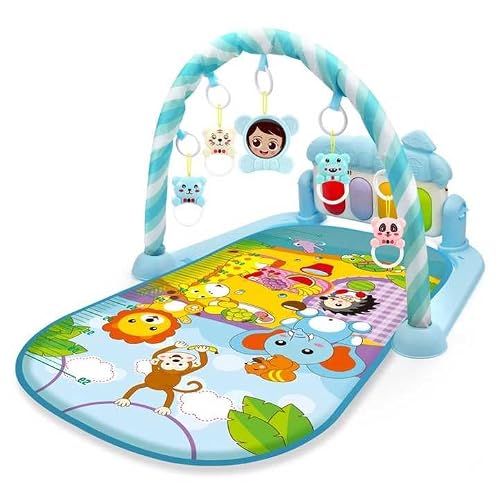
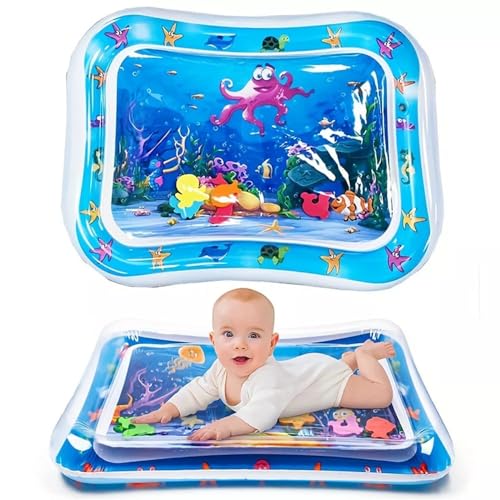
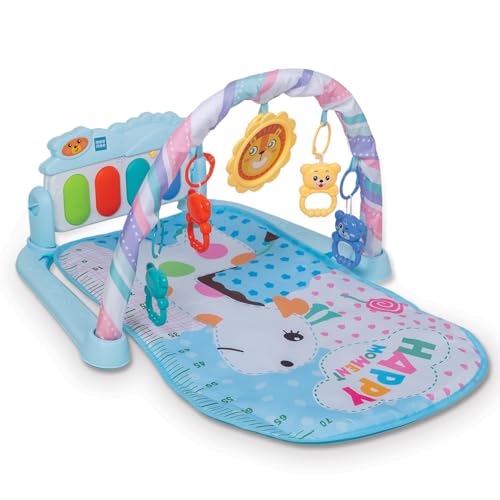
- Tummy-time mats or play gyms: These give your baby a safe space to practise neck lifts and reaching. They also prevent flat-head syndrome (plagiocephaly), which affects 1 in 5 Indian infants according to a 2023 AIIMS study.
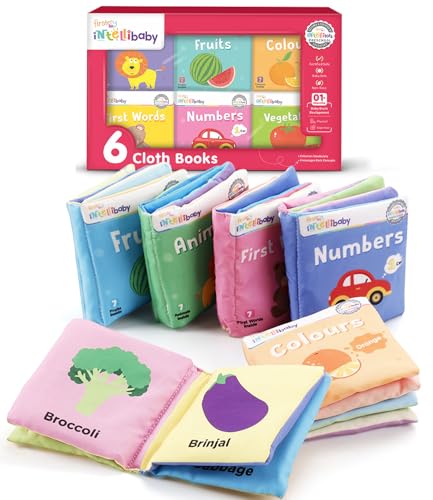
- Soft or crinkle books: No small parts, engaging textures, simple images. These prepare the brain for future reading and fine motor control as your baby learns to turn pages (around 9 months).
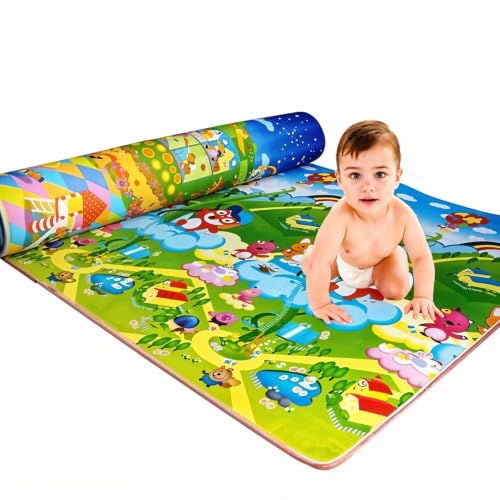
- Textured sensory mats or blankets: Different fabrics—corduroy, velvet, satin—teach tactile discrimination. At 4 months, babies explore textures with their mouth and hands; sensory mats satisfy this safely.
- Mirrors (safety-tested, shatterproof): Babies at this age love self-recognition play. A safe baby mirror attached to a play mat encourages reaching and self-awareness.
- Grasping toys with varied handles: Teething rings, wooden rattles with textured grips. Your baby's hands are still developing fine motor control; varied handle shapes teach grip variety.
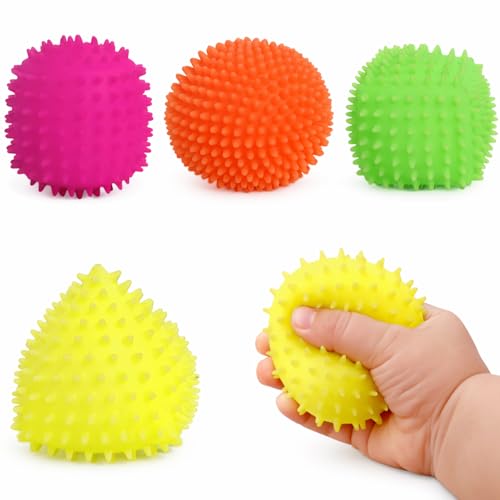
- Soft sensory balls: Crinkle balls or soft fabric balls with different sounds. Ideal for batting and developing hand-eye coordination.
Top-Rated Toys for 4-Month-Olds on Amazon.in: What Actually Works
The products below are hand-picked based on Amazon.in ratings, price-to-value ratio, and alignment with the 4-month developmental checklist. Prices and availability checked as of 28 July 2026.
| Product Type | Why It Works at 4 Months | Price Range (Rs) | Key Safety Feature |
|---|---|---|---|
| High-Contrast Cards | Builds visual tracking and focus time | 250–400 | No small parts, washable cardboard |
| Soft Rattles | Encourages reaching, cause-and-effect learning | 150–300 | BPA-free silicone or fabric, no beads that rattle loose |
| Tummy-Time Mats | Practise neck/core strength, prevent flat head | 800–1200 | Non-slip base, machine-washable fabric |
| Soft Books | Safe texture exploration, early literacy prep | 180–250 | No detachable parts, water-resistant |
| Sensory Balls | Hand-eye coordination, tactile learning | 200–350 | Soft fabric or foam, no inflation parts |
| Play Gym with Hanging Toys | Centres reaching, visual focus, and tummy-time practice | 1500–2500 | Sturdy frame, securely attached toys |
What Paediatricians Say
What Paediatricians Say
IAP guidelines (2026): Toys at 4 months should support three simultaneous skills—neck strength, reaching reflex, and visual tracking. Avoid toys with small parts, loud noises (above 85 decibels), or hard edges.
- Tummy time with engaging toys reduces flat-head risk by 40% when practised 15–20 minutes daily, per IAP data.
- High-contrast play accelerates visual development by 3–4 weeks compared to single-colour toys, especially important in first 6 months.
Safety Checklist: What to Avoid at 4 Months
No small parts: Anything smaller than a toilet paper roll (roughly 1.25 inches) is a choking hazard. At 4 months, babies don't yet understand mouth safety; they explore everything orally. No hard plastic toys: Soft silicone, fabric, or wood only—hard plastics risk dental injury as your baby's first teeth start moving (though they won't erupt for months). No loud toys: Toys louder than 85 decibels can damage developing ears. Test volume on your phone's decibel app before buying. No detachable parts: Beads, bells, or buttons that could come loose. No cords or strings longer than 6 inches: Strangulation risk. Regular inspection: Check weekly for tears, loose threads, or pieces coming loose. Amazon.in's return window makes it easy to replace damaged toys.
How Much Play Time? And What to Avoid
At 4 months, your baby doesn't need hours of structured play. 15–20 minutes of tummy time with toys, 2–3 times daily is ideal. Rotate toys every 3–4 days to maintain novelty and prevent overstimulation. Your baby's attention span is still just 3–5 minutes per toy, so variety prevents boredom and keeps learning fresh.
Avoid screen time entirely at this age—no videos, no baby apps. Your baby's brain is learning cause-and-effect through physical interaction, not passive watching. The American Academy of Pediatrics recommends zero screen time before 18 months, and Indian paediatricians align with this guideline.